Scientists finally uncover the mysterious solar feature controlling the Sun's magnetic power
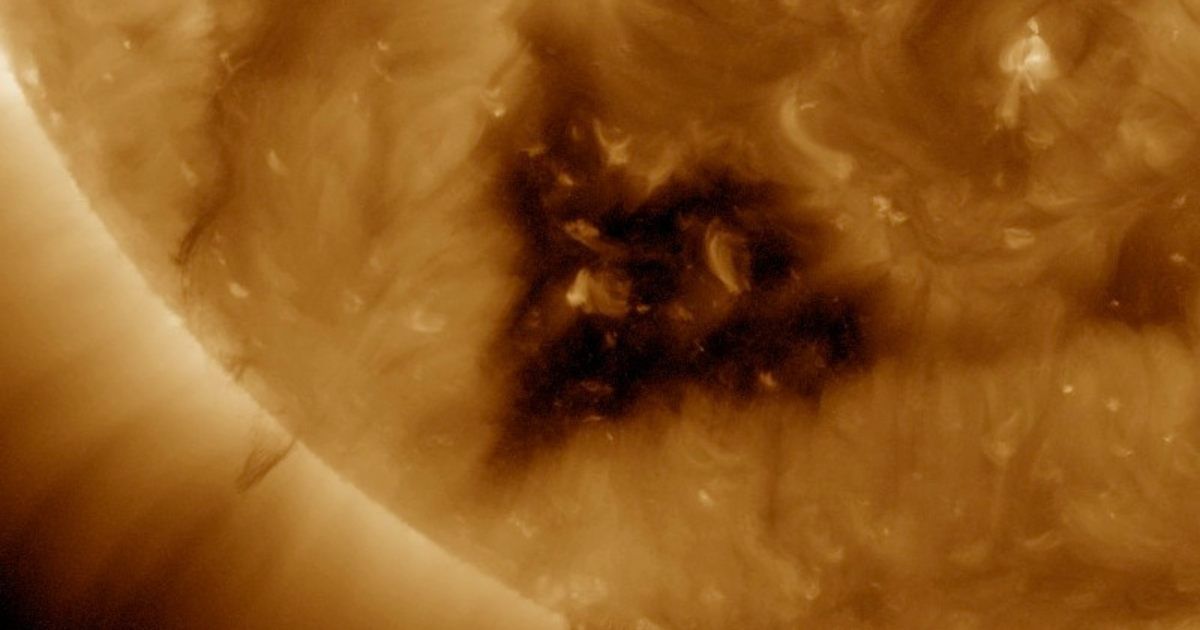
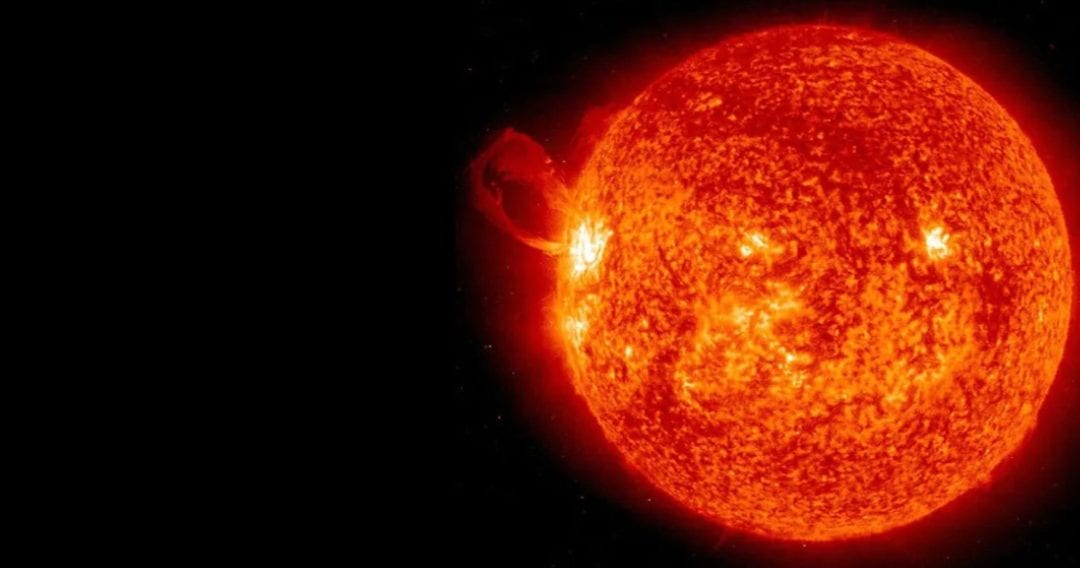
A long-standing solar mystery has been solved by researchers who created the first accurate models of the Sun's internal dynamics. A team from the University of California, Santa Cruz (UCSC), has successfully modeled the forces that create the tachocline, a thin, mysterious layer believed to be responsible for the Sun's magnetic properties. The groundbreaking findings were published in a recent edition of The Astrophysical Journal Letters, according to the University of California - Santa Cruz.
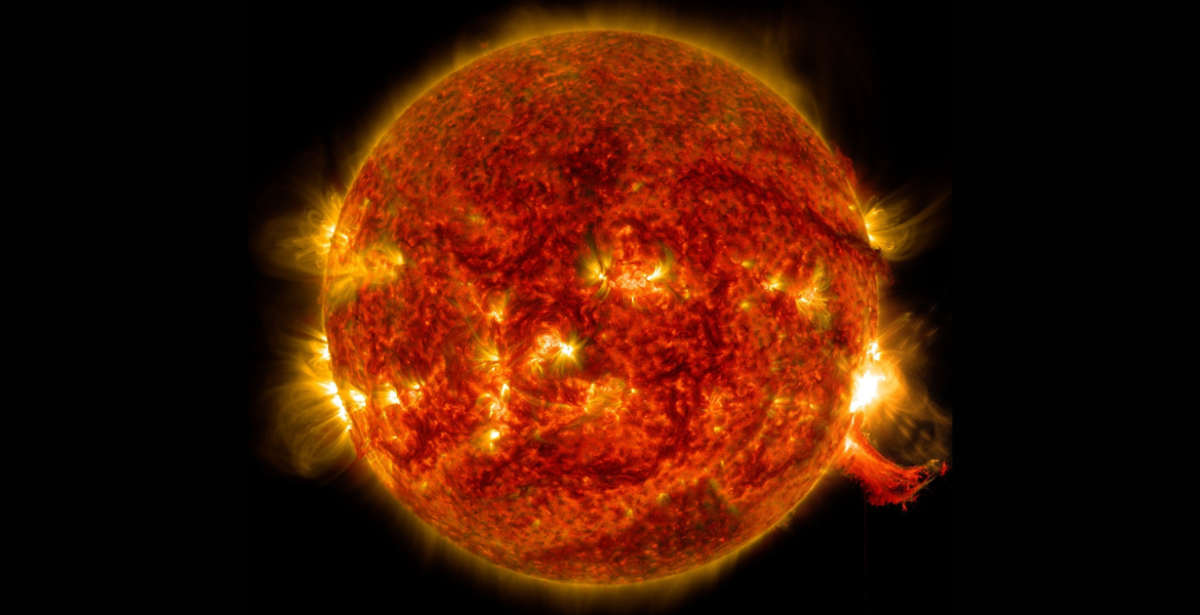
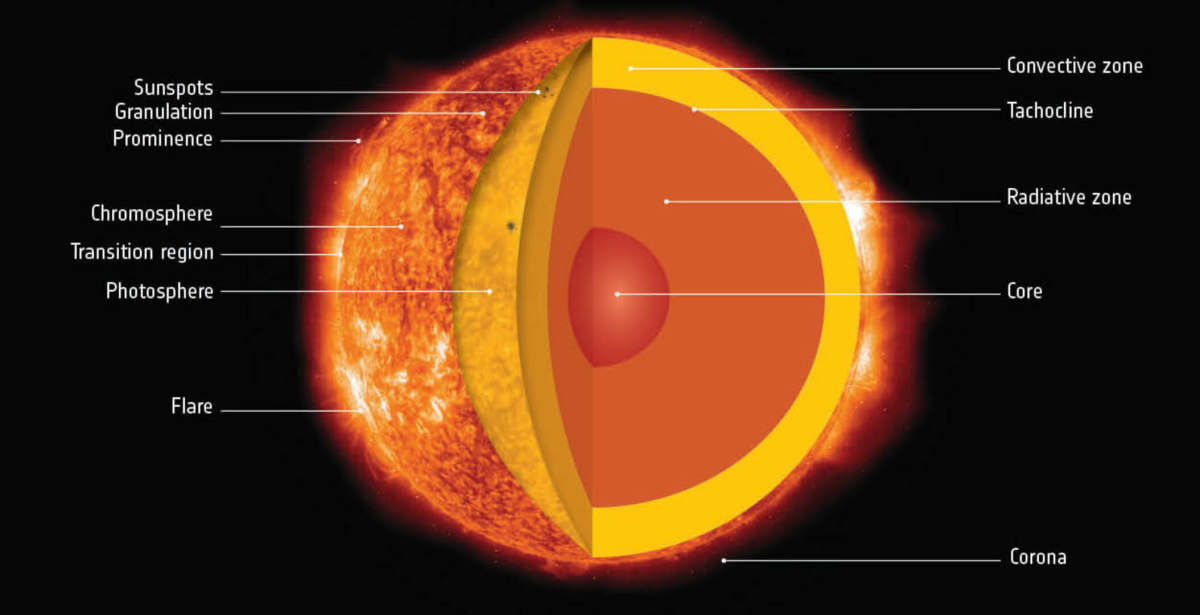
First detected in the 1980s using a technique called helioseismology, the tachocline is a narrow transitional zone located deep within the sun. It's the boundary between the Sun's inner, rigidly rotating core and its outer, more fluid convective layer. Despite its small size, scientists have long suspected the tachocline plays a major role in generating the solar dynamo, the physical process that creates the Sun's powerful magnetic field. However, accurately modeling this complex system has been an immense mathematical challenge.
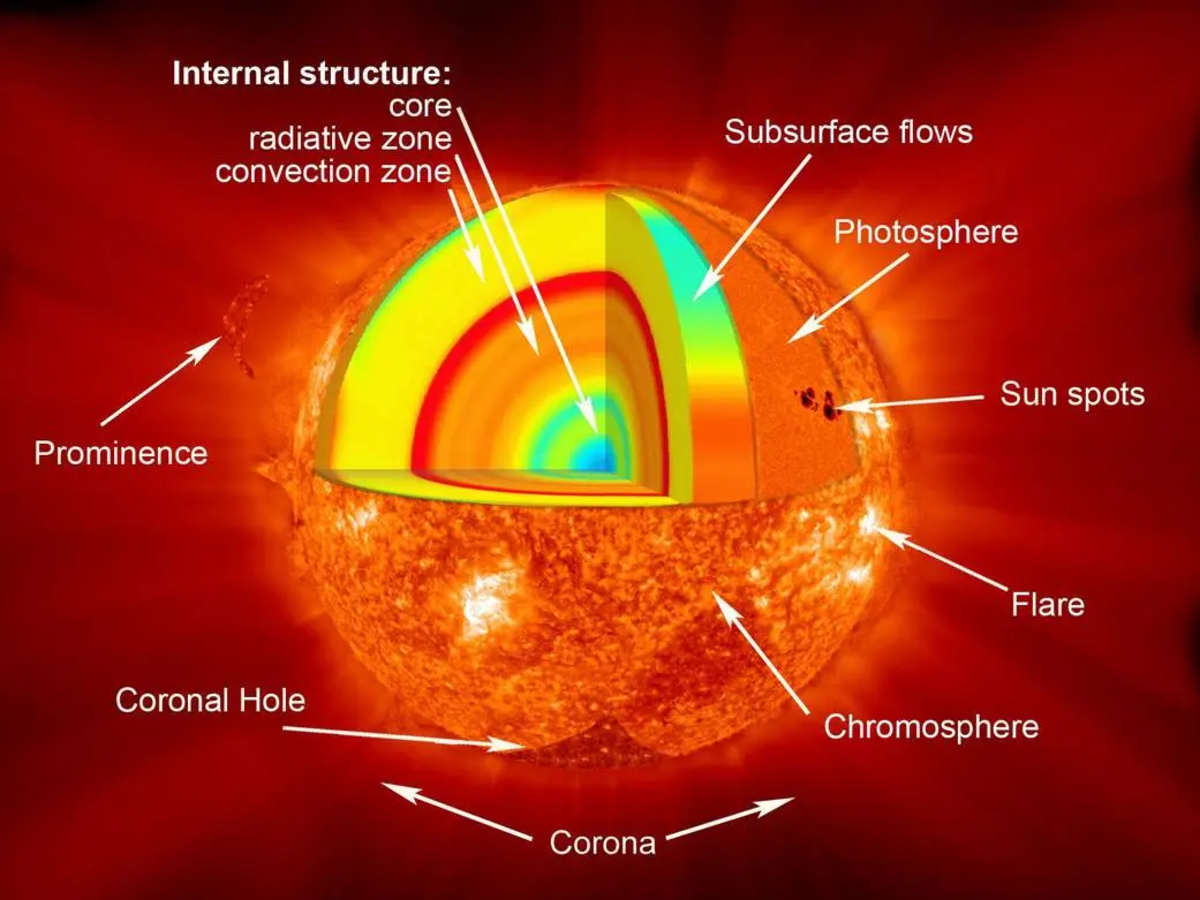
Using NASA's most powerful supercomputer, UCSC researchers, led by postdoctoral scholar Loren Matilsky, overcame this hurdle. Their "hero" calculations, which took millions of supercomputing hours, correctly prioritized the physical processes at work within the sun. For the first time, their simulations spontaneously generated a tachocline, without being specifically programmed to do so. The models showed that the very magnetic forces created by the solar dynamo are likely what maintain the tachocline's narrowness.
Understanding the tachocline is critical for us on Earth. The Sun's magnetic field is responsible for violent events like solar flares and coronal mass ejections, which can disrupt power grids and satellites. By accurately modeling the tachocline, scientists hope to one day better predict these potentially damaging solar events. The research also has broader implications for astrophysics. “We’re learning a lot about our Sun’s dynamics, and in the process, I think we’re also learning about how this works on other stars," Matilsky said. Gaining a deeper understanding of a star's magnetic activity could even provide clues about its potential to host life-sustaining planets.
This research into the Sun's interior comes amid discoveries about its outer atmosphere, which directly impacts space weather. A separate study, published in The Astrophysical Journal Letters, reveals that solar flares, powerful bursts of energy from the Sun's corona, are even more intense than previously believed. While flares were known to be incredibly hot, this new research from the University of St Andrews shows they are approximately 6.5 times hotter than earlier estimates.
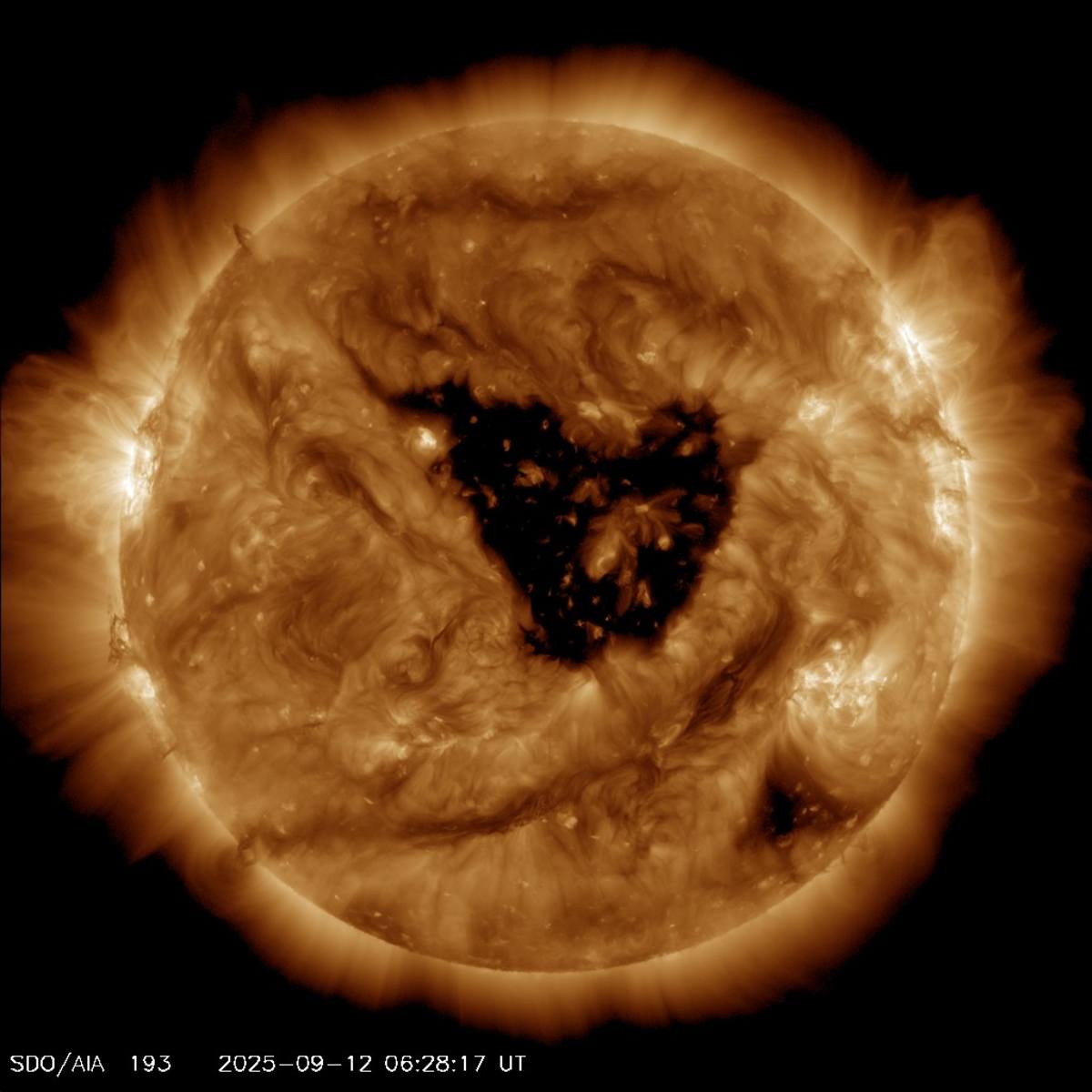
These immense releases of energy can heat the Sun's atmosphere to over 10 million Kelvin, but the new study found that the charged particles within the flares, known as solar flare ions, reach temperatures exceeding 108 million degrees Fahrenheit. This discovery solves a 50-year-old mystery about how flares superheat solar plasma. The heightened understanding of these flares and their extreme temperatures underscores the significant risk they pose to spacecraft and astronauts, highlighting the need for enhanced radiation protection and damage control.
More on Starlust
Scientists solve 50-year-old mystery, discover solar flares 6.5 times hotter than expected
Solar Orbiter cracks one of the Sun's secret codes by tracing origins of superspeed electrons