Scientists solve 50-year-old mystery, discover solar flares 6.5 times hotter than expected
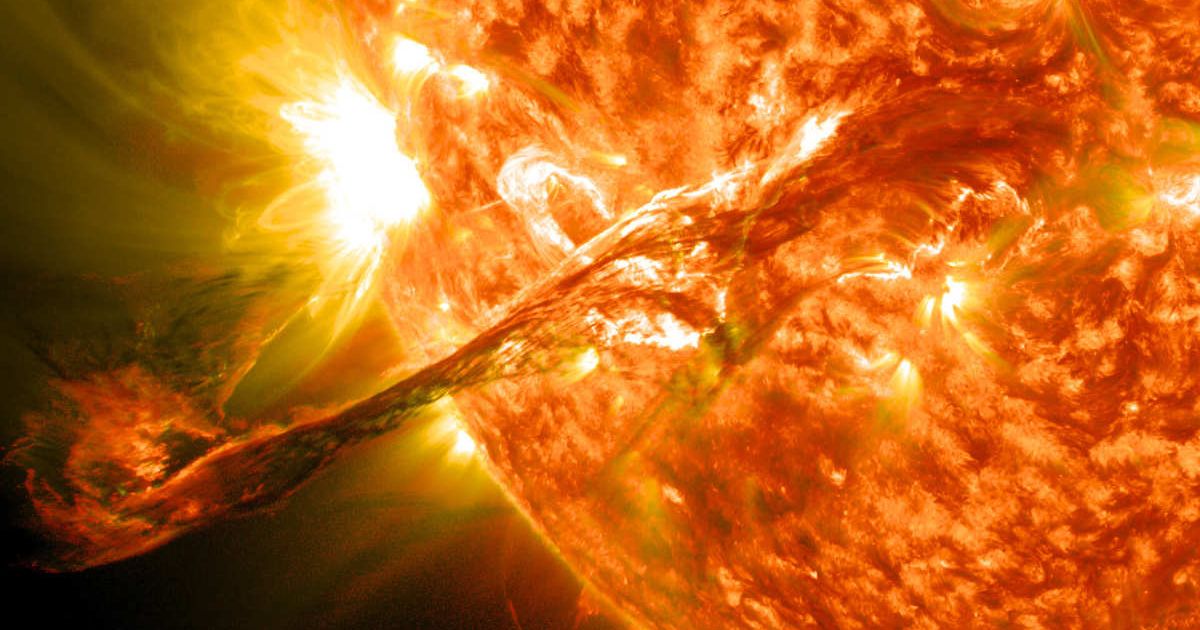
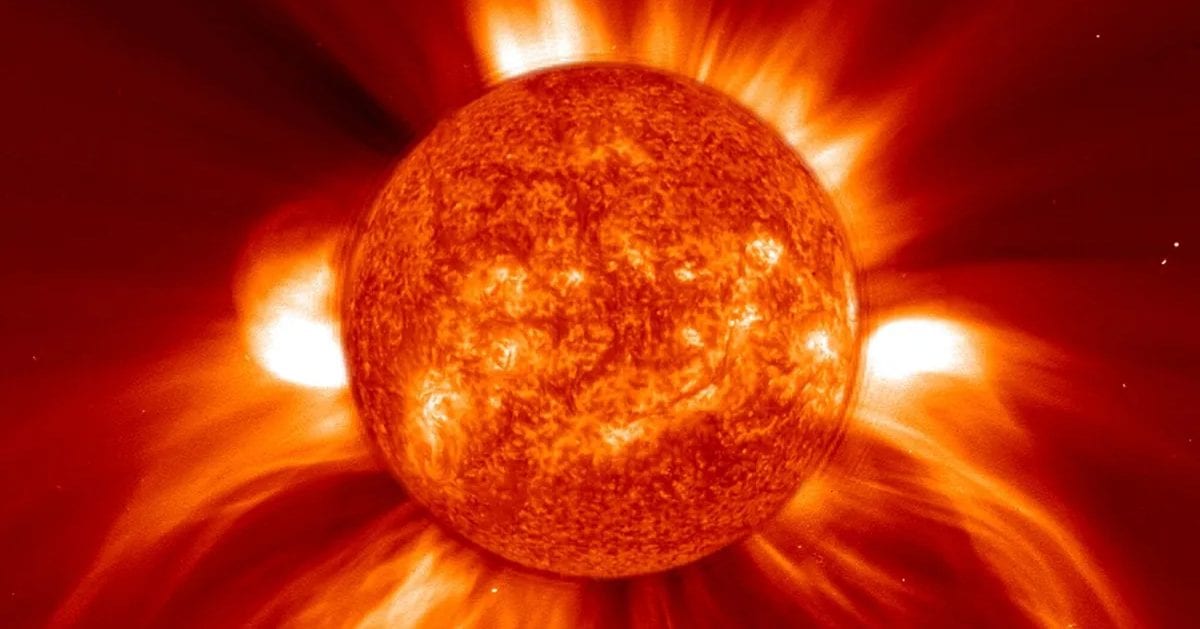
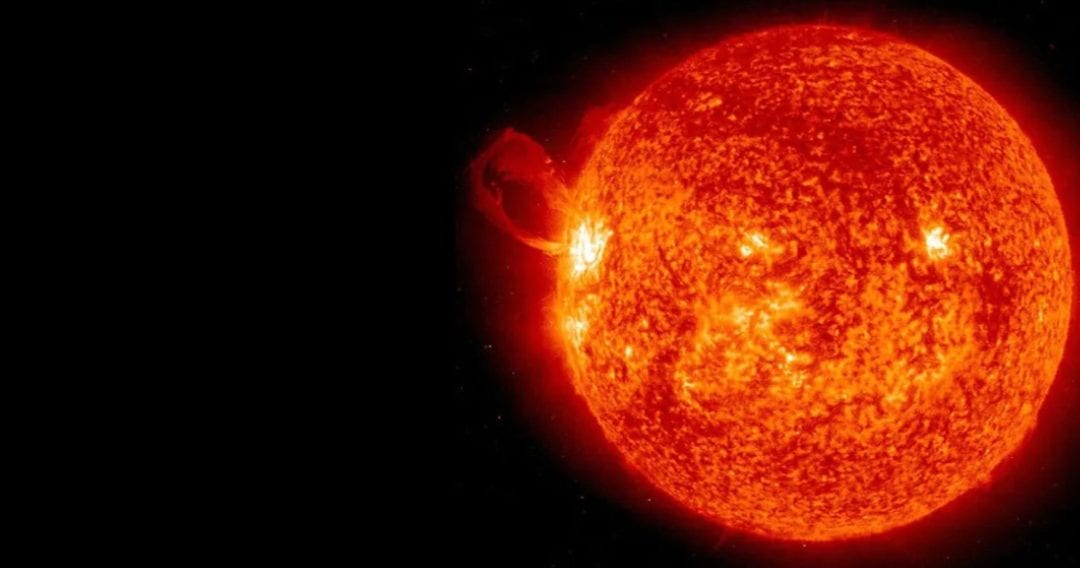
One of the biggest influences on space weather is solar flares, a sudden release of massive energy that spreads across the solar system. This release from the Sun’s corona (outer atmosphere) is known to be extremely hot. However, a new study published in The Astrophysical Journal Letters reveals that the temperature is around 6.5 times hotter than previously thought. The solar flares and radiation are hazardous to spacecraft and astronauts, and signal the need for more damage control. The sudden burst of energy in such flares also affects the uppermost layers of the Earth's atmosphere.
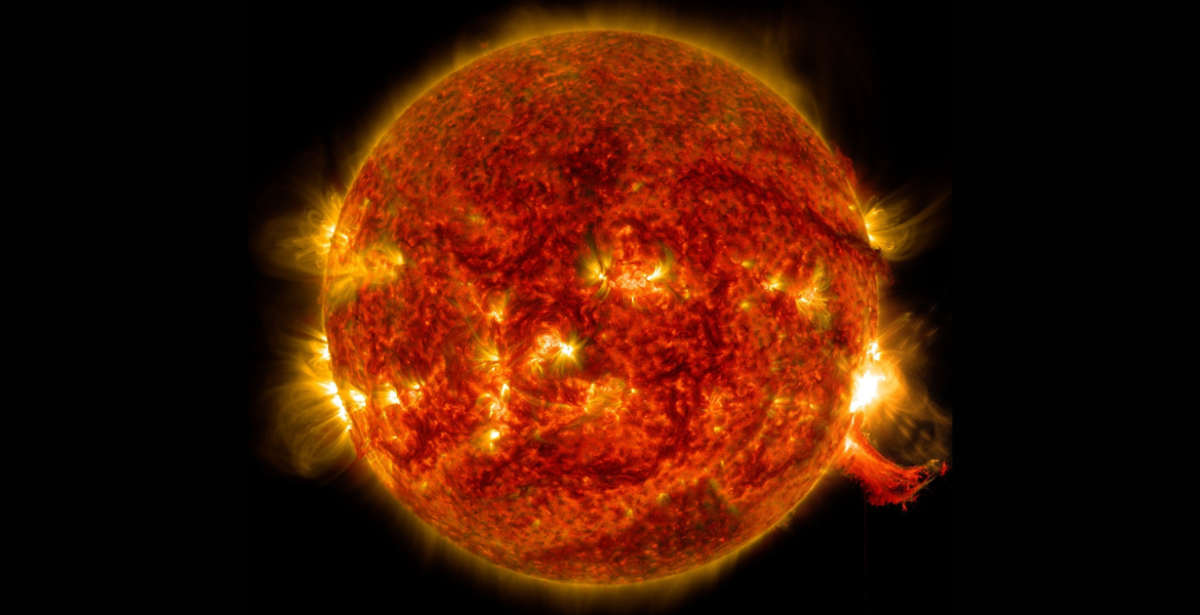
The release of energy is known to heat parts of the Sun’s atmosphere to greater than 10,000,000 K. The research from the University of St Andrews proposed a solution to a 50-year-old mystery about the particles in the Sun’s solar flare. They looked at how flares heat solar plasma, which is composed of ions and electrons, to an incredibly high temperature. According to the University of St Andrews, the positively charged particles that make up half of the plasma, called solar flare ions, were found to reach over 108,000,032 degrees Fahrenheit.
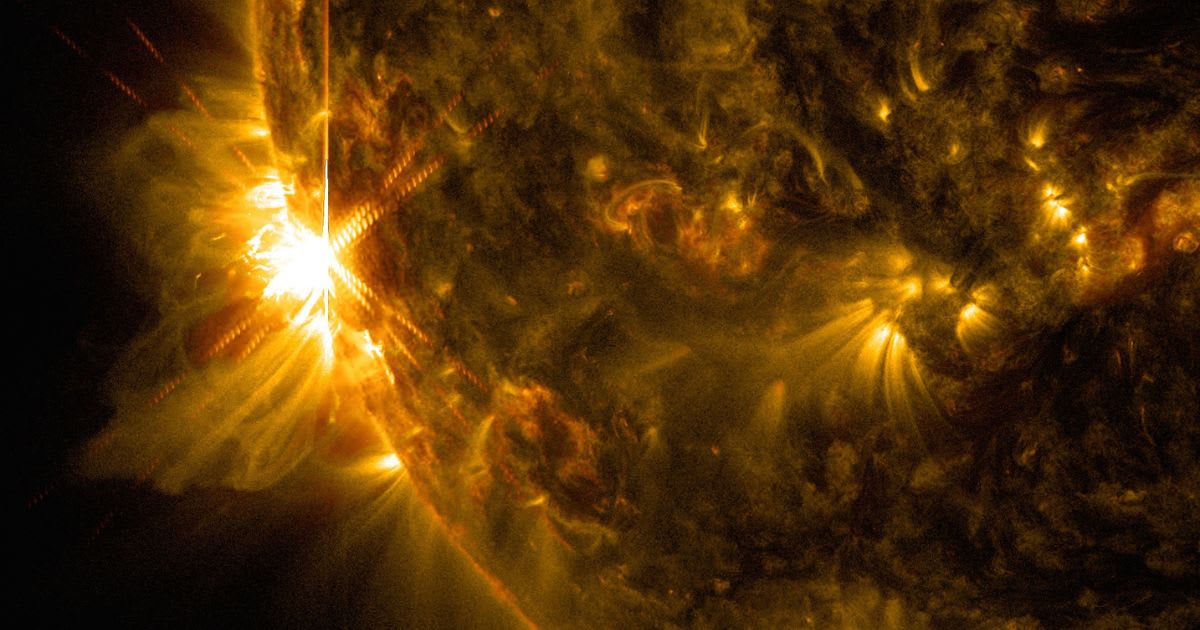
By referring to multiple research data, the team found that solar flares are more likely to heat the ions strongly than the electrons. “We were excited by recent discoveries that a process called magnetic reconnection heats ions 6.5 times as much as electrons. This appears to be a universal law, and it has been confirmed in near-Earth space, the solar wind, and computer simulations. However, nobody had previously connected work in those fields to solar flares,” stated team lead Dr. Alexander Russell, a senior lecturer in Solar Theory from the School of Mathematics and Statistics.
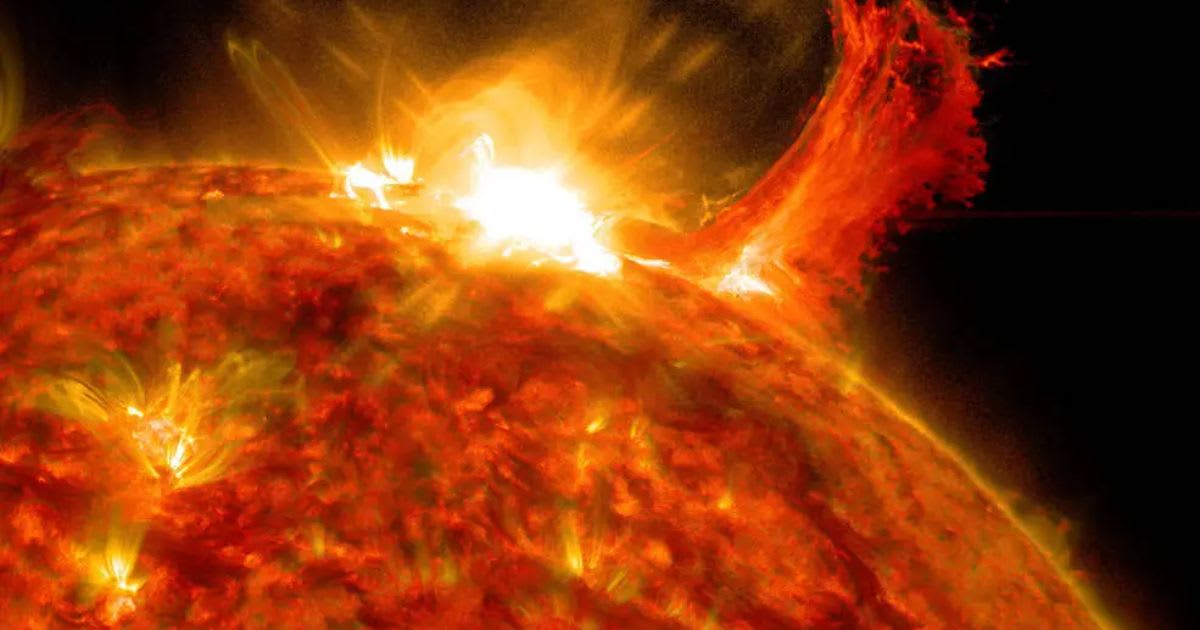
It was previously believed that ions and electrons had the same temperature, but modern data in solar physics proved otherwise. Calculations found that the difference in temperatures of ion and electron can linger for several minutes in significant parts of solar flares. This discovery led to considering ions at increased temperature for the first time. The increased ion temperature aligned better with the width of flare spectral lines, which reveal the characteristics of the solar flare.
Solar flares are huge explosions of electromagnetic radiation from the Sun. Flares occur when intense magnetic fields on the Sun become too tangled. They can be larger than planet earth with temperatures hotter than the suns core!☀️🔥 pic.twitter.com/lIpEiB9VYM
— HOW THINGS WORK (@HowThingsWork_) January 30, 2023
Flare spectral lines are seen as bright enhancements in the solar radiation at particular “colours” in extreme-ultraviolet and X-ray light. The astrophysics community has wondered since the 1970s about why flare spectral lines are broader than expected. It was believed that this was due to "turbulent motions," but scientists debated this interpretation as they tried to understand the nature of such turbulence. This new study has put forth a paradigm shift in which the ion temperature makes a bigger contribution to explaining the enigmatic line widths of solar flare spectra.

The attempt to understand solar flares and the processes of the Sun is not limited to knowledge of space. This has real-world consequences, as flares affect spacecraft and space travel. With humanity advancing in satellite communication and long-duration space missions, these studies contribute to ensuring safety. The interconnectedness of life in the universe reveals how the result can also be used to predict space weather to protect our technology and astronauts.
More on Starlust
Astrophotographer achieves 'once in a lifetime' shot of ISS crossing Sun during solar flare eruption
Massive solar flare bursts from the sun cause radio blackouts across parts of North America
NASA's Parker Solar Probe confirms long-held theories about magnetic reconnection on the Sun