High-energy particles from space could be vital for life hidden beneath Mars and beyond, says new study

A groundbreaking study from NYU Abu Dhabi suggests that high-energy particles from space, traditionally seen as a hazard, could in fact be a vital energy source for life hidden beneath the surfaces of Mars and other celestial bodies. This research fundamentally reshapes our understanding of where life might thrive in the cosmos, expanding the search beyond sunlight-drenched or volcanically heated environments, as per NYU Abu Dhabi.
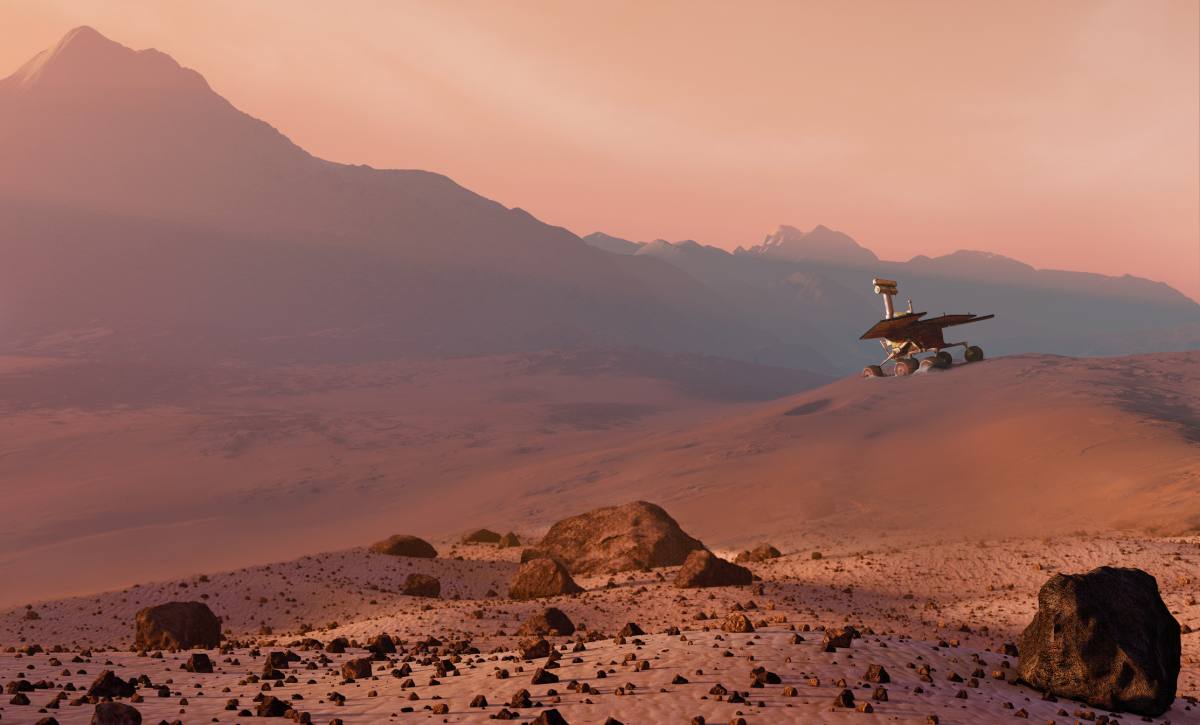
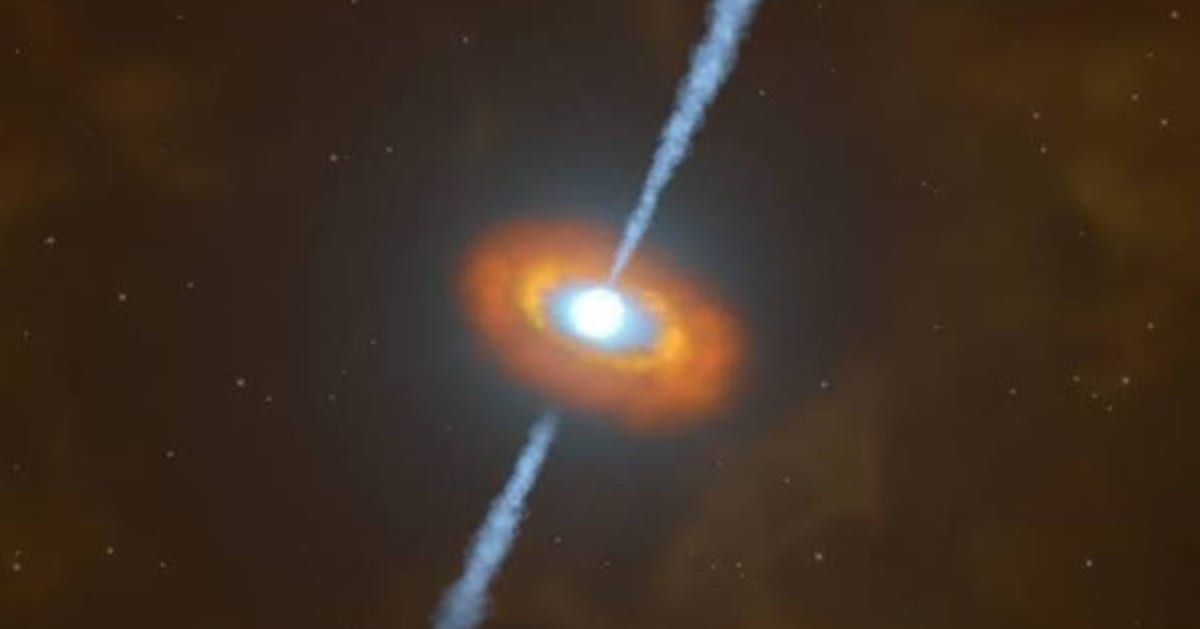
Published in the International Journal of Astrobiology and led by Dimitra Atri, Principal Investigator at NYUAD's Space Exploration Laboratory, the findings propose that cosmic rays can fuel microbial life in dark, subterranean conditions. The study challenges the long-held assumptions that life requires access to surface light ot geothermal activity. The team's research focused on the process of radiolysis, where cosmic rays strike underground water or ice, causing water molecules to fragment and release electrons. On Earth, certain bacteria can utilize these liberated electrons as an energy source, mirroring the way plants harness sunlight through photosynthesis. This mechanism allows life to persist in environments devoid of light and warmth.
Through sophisticated computer simulations, researchers modeled the potential for this energy generation on Mars and the icy moons orbiting Jupiter and Saturn, which are believed to harbor vast subsurface oceans. The simulations indicated that Saturn's moon Enceladus exhibited the highest potential for supporting life via this method, followed by Mars, and then Jupiter's moon Europa. “This discovery changes the way we think about where life might exist,” stated Atri. “Instead of looking only for warm planets with sunlight, we can now consider places that are cold and dark, as long as they have some water beneath the surface and are exposed to cosmic rays. Life might be able to survive in more places than we ever imagined.”
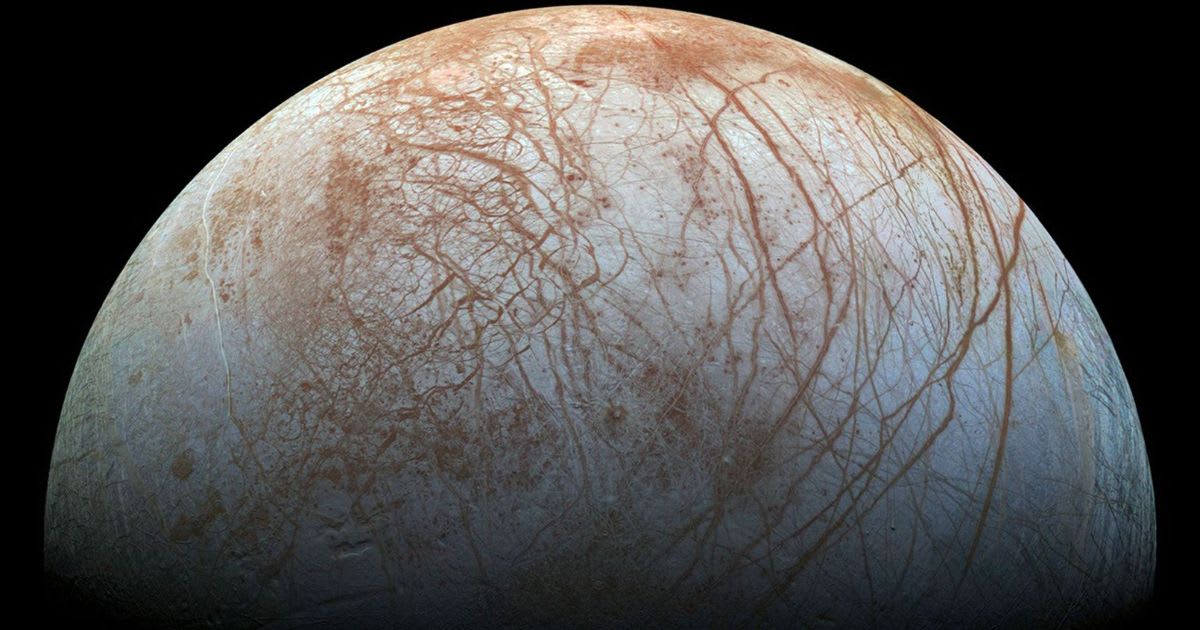
The study introduces the concept of a Radiolytic Habitable Zone, distinct from the conversational "Goldilocks Zone" that focuses on liquid surface water. This new zone highlights areas where subsurface water can be energized by cosmic radiation, implying a much larger number of potentially life-supporting locations throughout the universe, given the pervasive nature of cosmic rays.
Meanwhile, another research is shedding light on why Mars, despite clear evidence of ancient waterways, ultimately became the desolate planet we see today, while Earth blossomed with life. A study published on July 2 in the journal Nature suggests that even with sporadic rivers flowing across its surface, Mars was largely predisposed to be a desert world. This research centers on the Curiosity rover's discovery of carbonate-rich rocks earlier this year. These carbonates, akin to limestone found on Earth, effectively act as a carbon dioxide sink, sequestering the gas within the rock and removing it from the Martian atmosphere. This process would have prevented the sustained atmospheric density needed to maintain a warm, wet climate, ultimately sealing Mars' fate as an arid world.

These revelations offer new directives for future space missions. Instead of exclusively seeking surface biosignatures, scientists may now prioritize exploring underground environments on Mars and the icy moons, utilizing instruments capable of detecting the chemical energy produced by cosmic radiation. This research significantly expands the possibilities in the quest for extraterrestrial life, suggesting that even the most frigid and lightless corners of our solar system could harbor the conditions necessary for survival, as mentioned on NYUAD.