For the first time, astronomers chronicled 130 years of a dying star's transformation
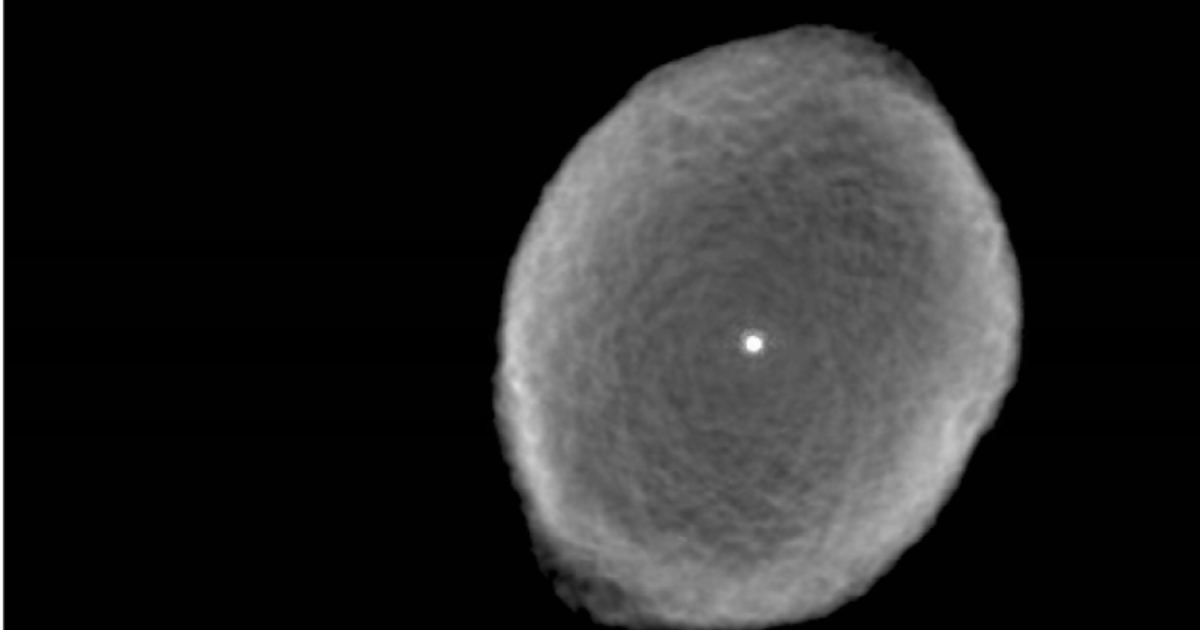
In a stunning display of stellar evolution, astronomers have for the first time chronicled 130 years of a dying star's transformation, revealing it is heating up at a pace unprecedented for a typical star. The groundbreaking study, published in The Astrophysical Journal Letters, details the dramatic changes of the Spirograph Planetary Nebula (IC 418), a cloud of gas and dust located roughly 4,000 light-years away, as per the University of Manchester.
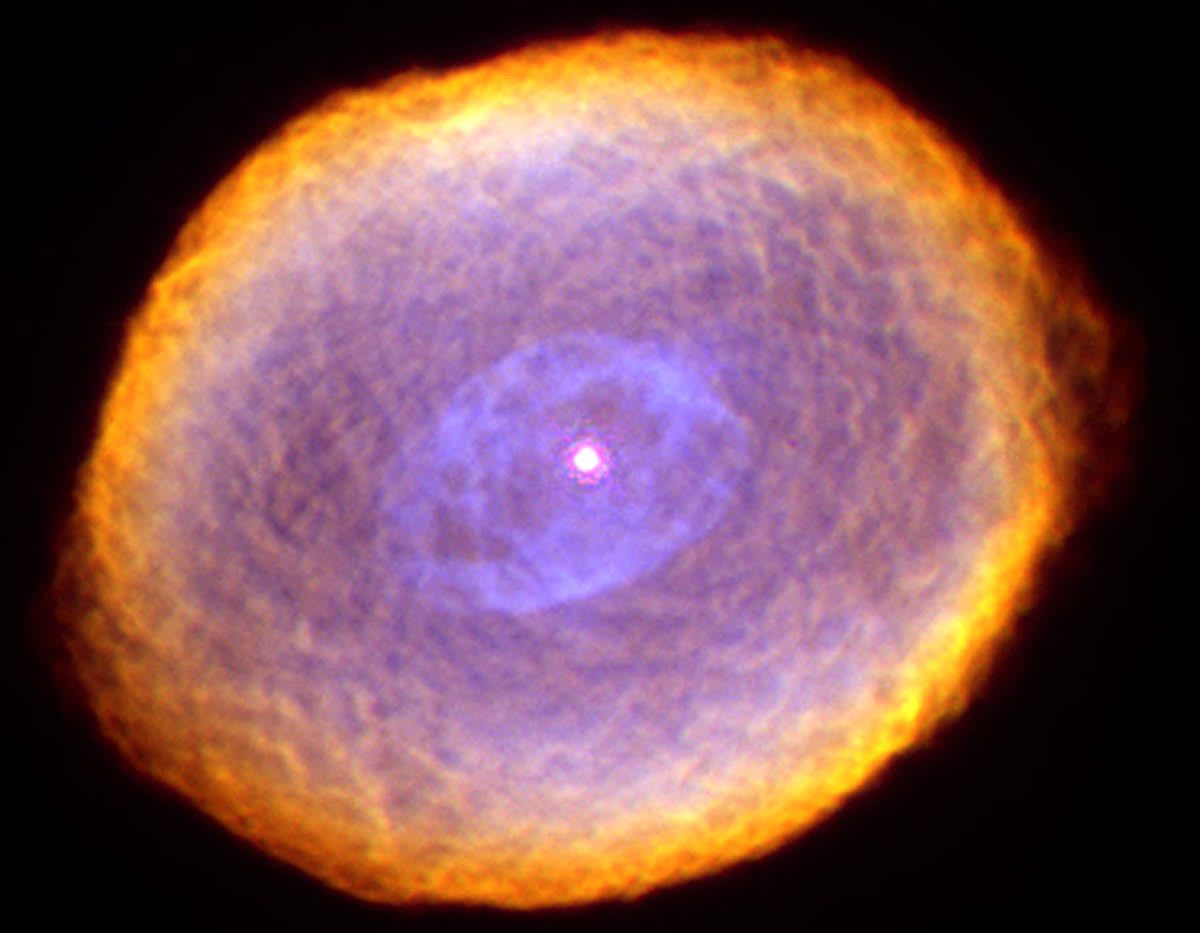
By meticulously piecing together astronomical records dating back to 1893, researchers discovered that the nebula's vibrant green light, a signature of glowing oxygen atoms, has intensified by about 2.5 times. This change is directly linked to the core star's escalating temperature, which has surged by approximately 3,000°C over the same period—a rate of about 1,000°C every 40 years. For perspective, our Sun's core would require 10 million years to achieve the same temperature increase.
While the observed heating is the fastest on record, it still falls short of current theoretical models. This discrepancy challenges long-held theories on stellar aging and death, potentially requiring a reassessment of which stars are capable of producing carbon, a building block of life. Professor Albert Zijlstra of The University of Manchester, the study's lead researcher, highlighted the value of historical data, stating, "We often ignore scientific data obtained long in the past. In this case, these data revealed the fastest evolution of a typical star that has been seen directly. The past shows that the skies are not as unchanging as we may think."

The study offers a rare, direct look at how planetary nebulae evolve. These cosmic structures represent a star's final moments as its core becomes unstable, shedding its outer layers into space to form stunning shapes like the intricate Spirograph Nebula. Our own Sun is expected to undergo a similar process in roughly 5 billion years. This research, which involved a painstaking calibration of observations ranging from late 19th-century eye-drawn sketches to modern high-tech captures, provides tangible evidence that cosmic changes can happen on a human timescale.
Professor Quentin Parker from the University of Hong Kong, a co-author of the study, emphasized its importance, noting, "It will prompt us to rethink some of our existing models of stellar life cycles." He added that the team's effort in collecting and verifying more than a century's worth of data was a "challenging process that goes far beyond simple observation." The findings suggest that the night sky is far more dynamic than previously assumed, offering a new perspective on the rapid transformations that can occur during a star's final, fiery chapter.
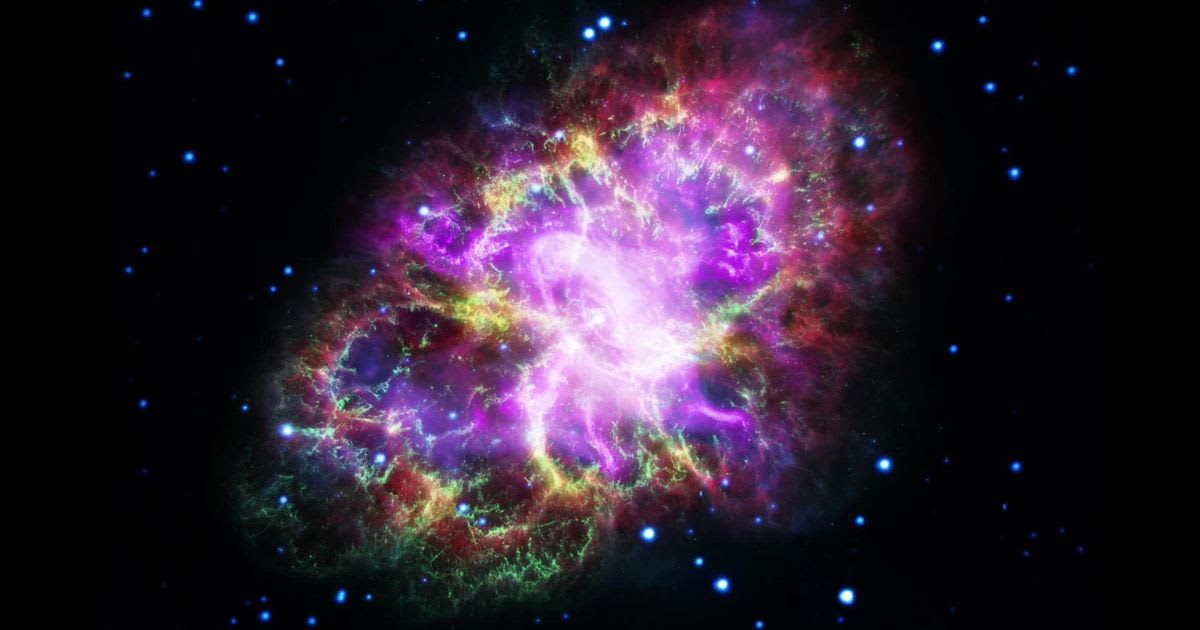
The striking, swirling appearance of IC 418, dubbed the Spirograph Nebula for its resemblance to intricate drawings, is a puzzle for astronomers. While a star's death throes are well-understood, the chaotic patterns of the nebula are not, as per NASA. Scientists theorize these formations may be caused by unpredictable winds from the central star, which shifts in brightness for just a few hours.
Only a few million years ago, IC 418 was likely a star much like our Sun. Then, just a few thousand years ago, it evolved into a common red giant. As its nuclear fuel dwindled, the star began shedding its outer layers, which now form the glowing nebula. The remaining hot core, visible at the center of the nebula, is on its way to becoming a white dwarf star. The light from this core excites the surrounding atoms, causing the nebula to shine brightly.