'Infant' universe had magnetic fields weaker than your typical toy magnet, study reveals
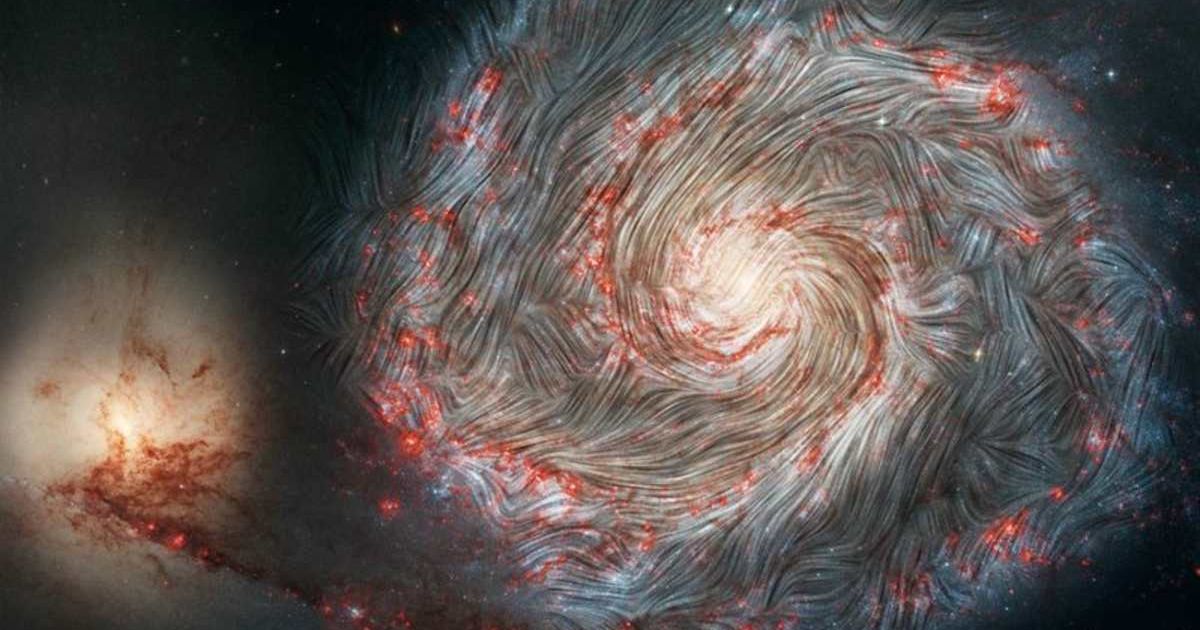
An international study was conducted by a team from SISSA-Scuola Internazionale Superiore di Studi Avanzati into the early universe. Employing a quarter million computer simulations, the researchers found that the magnetic field of infant universes was "weaker than a small fridge magnet." The strength of the field was at a similar scale and could be compared to the magnetism generated by neurons in the human brain. The study, published in the journal Physical Review Letters, was done in collaboration with the Universities of Hertfordshire, Cambridge, Nottingham, Stanford, and Potsdam.
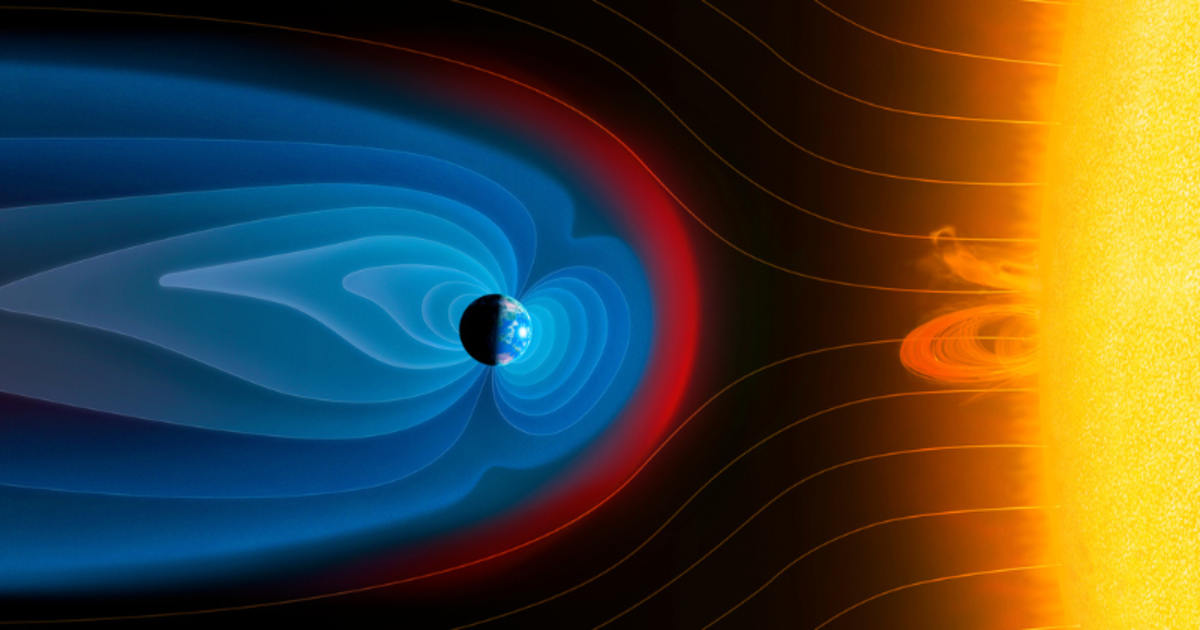
The findings were verified using observational data, and the results noted both the possible and maximum values of the strength of primordial magnetic fields. This is an interesting insight into our knowledge of the early Universe and the formation of the first stars and galaxies, as per SISSA-Scuola Internazionale Superiore di Studi Avanzati. This cosmic web is a magnetic structure, much like a filament, which connects galaxies spread across the universe. As much was yet to be known about this structure, one of the questions the researchers asked was: Why is it magnetized, not only near galaxies, which is not unusual, but in distant regions as well?
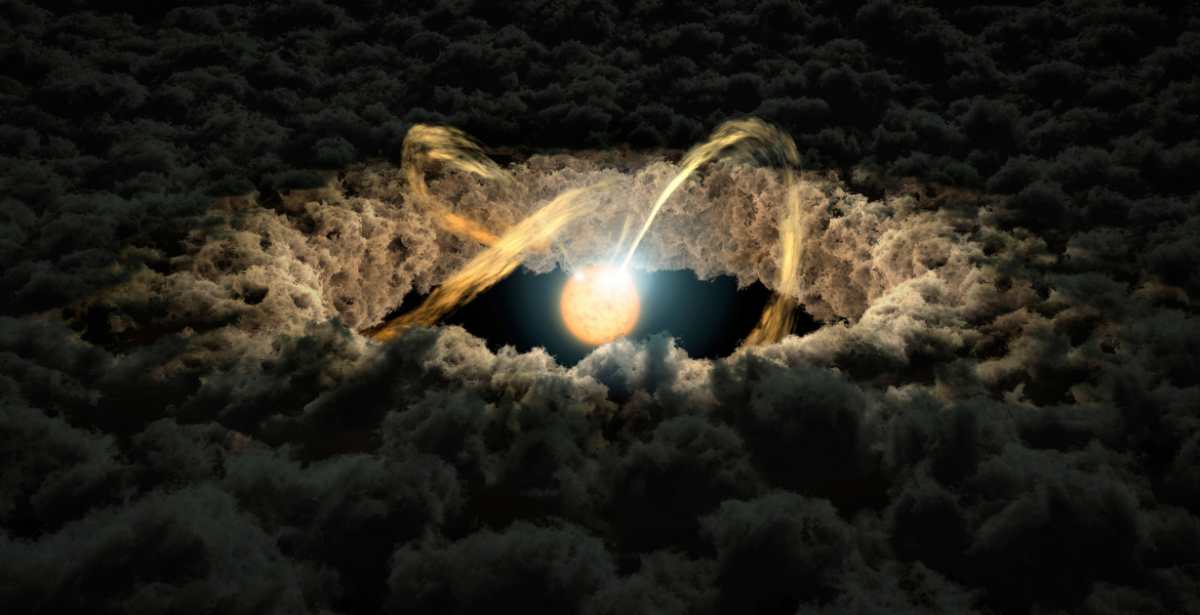
It displayed properties of magnetism in regions with barely any population. This could be the result of a series of events that took place since the birth of the universe, as per Phys Org. With the cosmic epochs, magnetism was likely caused by physical processes of the early universe. “For example, the filaments would have become magnetized during the inflation process before the so-called 'Big Bang' or through events in later epochs, called phase transitions,” said lead author Mak Pavičević, a SISSA Ph.D. student; and Matteo Viel, his supervisor and co-author.
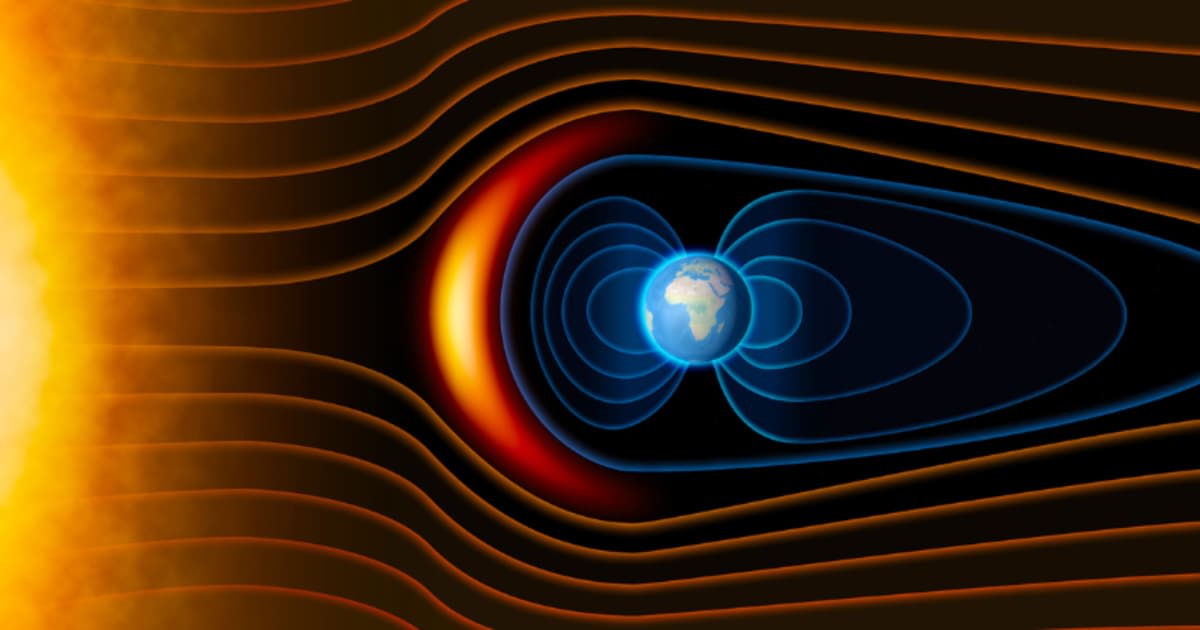
Understanding the magnitude of the primordial magnetic fields could establish the limits of the phenomenon, aiding in measuring its strength. The study used more than 250,000 computer simulations to learn about the cosmic web and the influence of the primordial magnetic fields. “These are the most realistic and largest suite of state-of-the-art simulations of the influence of primordial magnetic field on the intergalactic cosmic web,” stated Vid Iršič from the University of Hertfordshire, a co-author of the study.

"When the influence of primordial fields is included in the picture, the cosmic web looks different and more in agreement with observed data," Pavičević and Viel said, emphasizing the weight that these fields hold on the cosmos. A standard model of the universe with a very weak magnetic field of around 0.2 nano-gauss aligns better with the experimental data. The derived data for the magnitude of the primordial magnetic fields were found to be very low. This established a new maximum for the field, which turned out to be much lower than what was previously estimated by experts.
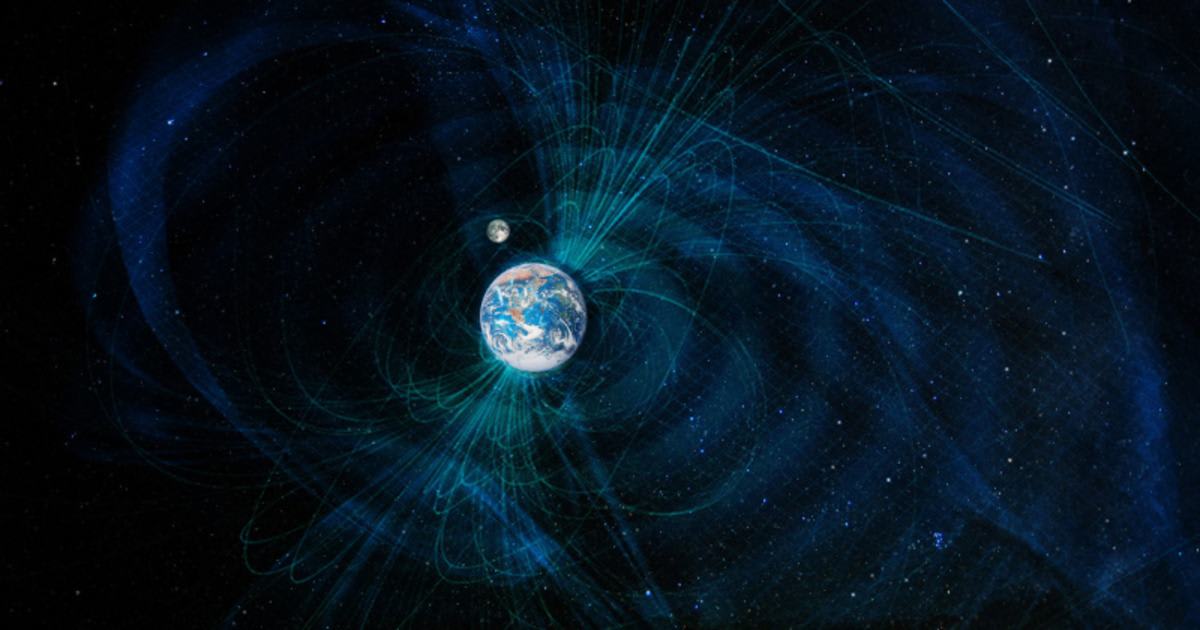
The proof of this study will aid in improving what we know about the early universe and how it functioned. Scientists can trace the origins of various materials in space better as new conditions get added to the mix. The influence of these fields on the early universe might have dictated how our systems formed and how they evolved.
More On Starlust
NASA's Parker Solar Probe confirms long-held theories about magnetic reconnection on the Sun
NASA reveals strange concealed electric field on Earth responsible for generating 'supersonic' wind
'Baby pictures' showing the universe when it was about 380,000 years old take the internet by storm