Lunar South Pole not a good landing spot for Artemis IV, says Artemis II pilot Victor Glover
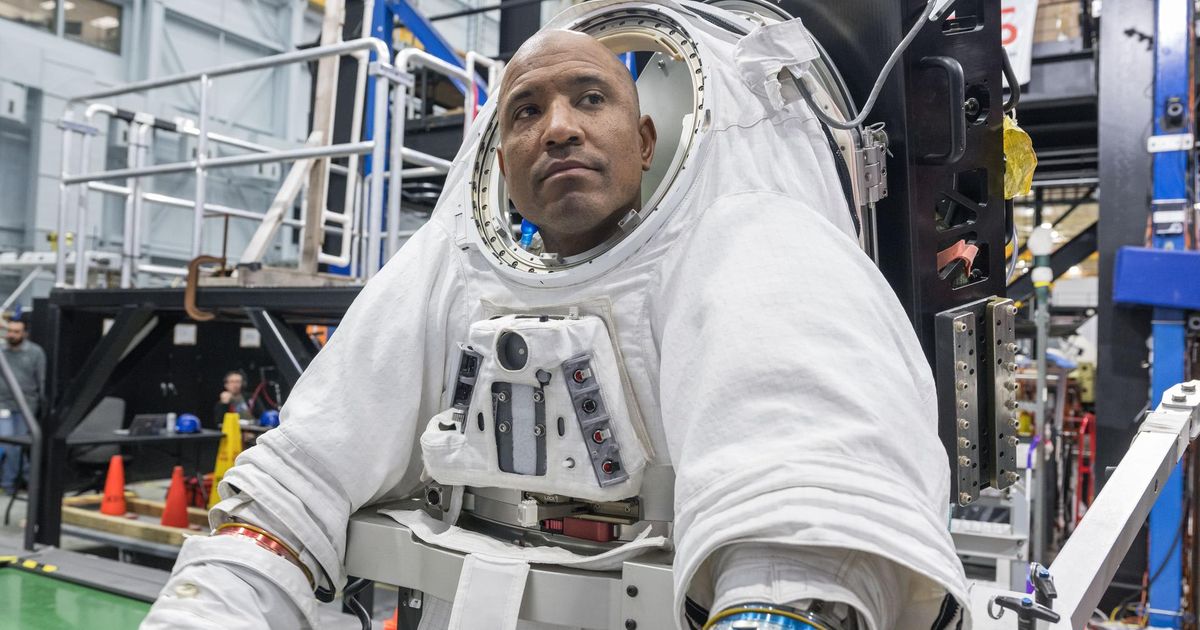
The pilot of the Artemis II mission, Victor Glover, has expressed his reservations about NASA picking the lunar South Pole as the landing spot for Artemis IV—its first crewed mission back to the Moon after 55 years. Speaking at the NASA Exploration Science Forum at Ames Research Center in California on July 21, 2026, Glover said he preferred the equator, especially with the US embroiled in a race with China to get to the Moon first. "If you want to go fast, go familiar. We want to get to the surface," stated Glover. "If we want to land soon, familiar, daylight, equator," Glover was quoted as saying in Space News.

Glover pointed to the lack of provisions to save an astronaut in an emergency situation during an Artemis mission to the South Pole of the Moon. NASA was initially planning to use a near-rectilinear halo orbit for its landing missions. This highly elliptical orbit, which would have been used by the Gateway lunar station, would have required astronauts to spend up to a week on the Moon before the Orion spacecraft or Gateway was in a position to allow them to depart. Glover used the example of an astronaut suffering a burst appendix, stating, "If it ruptures on landing day, you’re stuck for a week. That’s a big deal to me, and I don’t like that plan,” Glover said. “The equator gives me opportunity to save that person." The Artemis II crew member was not dismissive of the idea of NASA aiming to reach the polar region on the Moon for future missions. "I think we need to be realistic and work our way to the South Pole and maybe not try to go there first."

NASA chose the lunar South Pole as the destination of lunar missions due to the opportunities it presents in terms of scientific discovery and potential to mine resources for sustaining human presence there. As mentioned before, also locked in a race with the agency is the China National Space Administration (CNSA), which is also targeting the same region for its own lunar ambitions. However, this region is unlike equatorial lunar regions, as it is dominated by deep craters and steep slopes of up to 20 degrees.
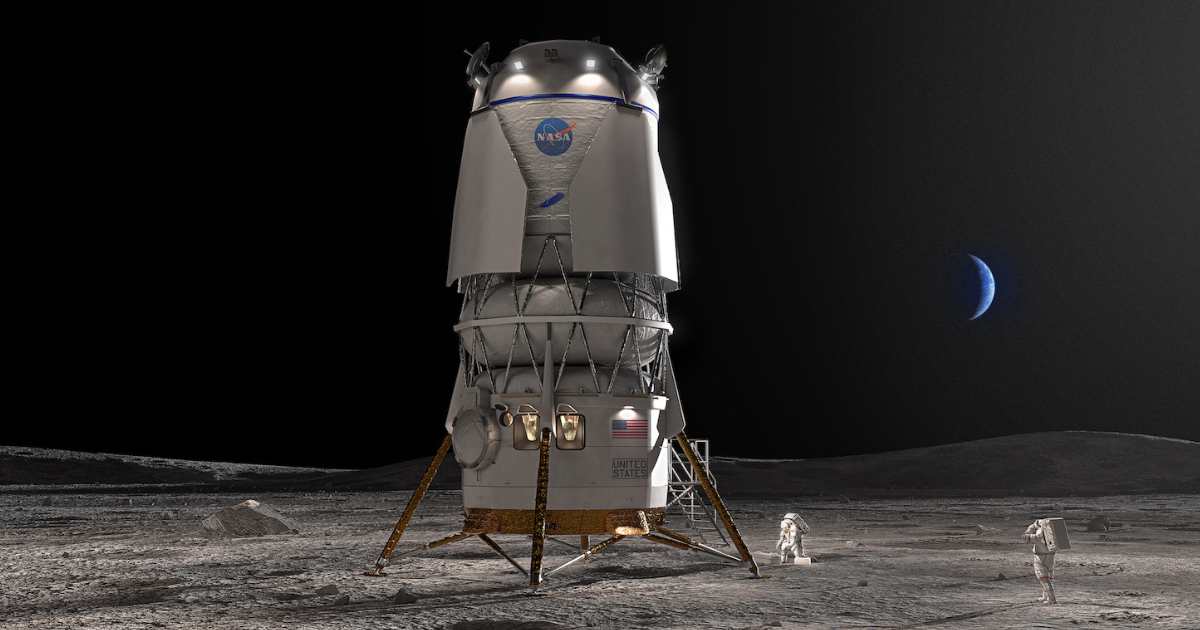
The apprehension about aiming straight for the lunar South Pole is not exclusive to Glover, with the NASA Office of Inspector General (OIG) having published a report in March 2026 that also shared similar concerns. While Glover highlighted the challenges associated with driving rovers towards the direction of the Sun, which hangs low on the lunar horizon, while wearing a suit, the OIG report alluded to the uneven terrain that could jeopardize any landing attempts, given the sheer size of the Starship (171 feet) and Blue Moon (53 feet) Human Landing Systems (HLS).

These concerns about HLS tipping over were also highlighted by the Aerospace Safety Advisory Panel in its annual report published in February 2026, calling the decision to go ahead with the existing plans for a maiden Artemis lunar landing mission "questionable at best." For now, the plans for where exactly to land on the Moon during the Artemis IV mission are not set in stone, though. According to Space News, Chief Exploration Scientist at NASA’s Human Spaceflight Mission Directorate Jacob Bleacher was also present at the event to address these questions. “We don’t know exactly what the lander capabilities will be as they’re developing, so we’re keeping that trade space open until we have that information in hand and can really narrow down exactly where we’re going," said Bleacher.
More on Starlust
'We still don't have a lander': NASA's former chief expresses concerns about Artemis architecture
Can NASA restrict China's access around its Moon Base? Here's what space law says