Why is the Moon's South Pole central to NASA's plans for a crewed landing and a lunar base?
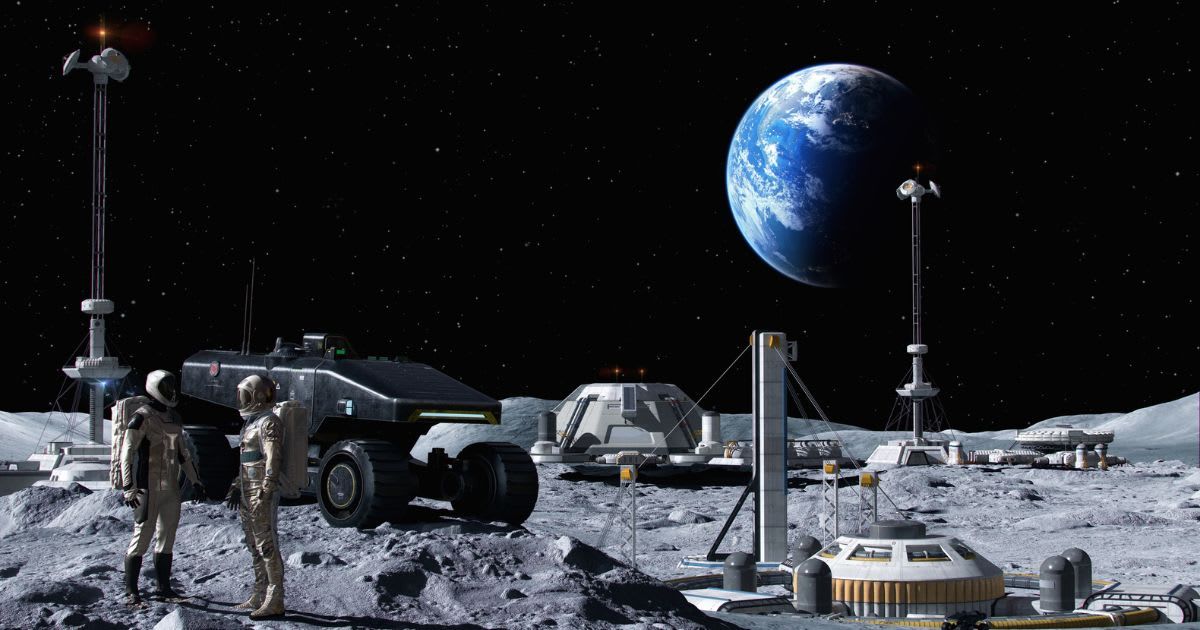
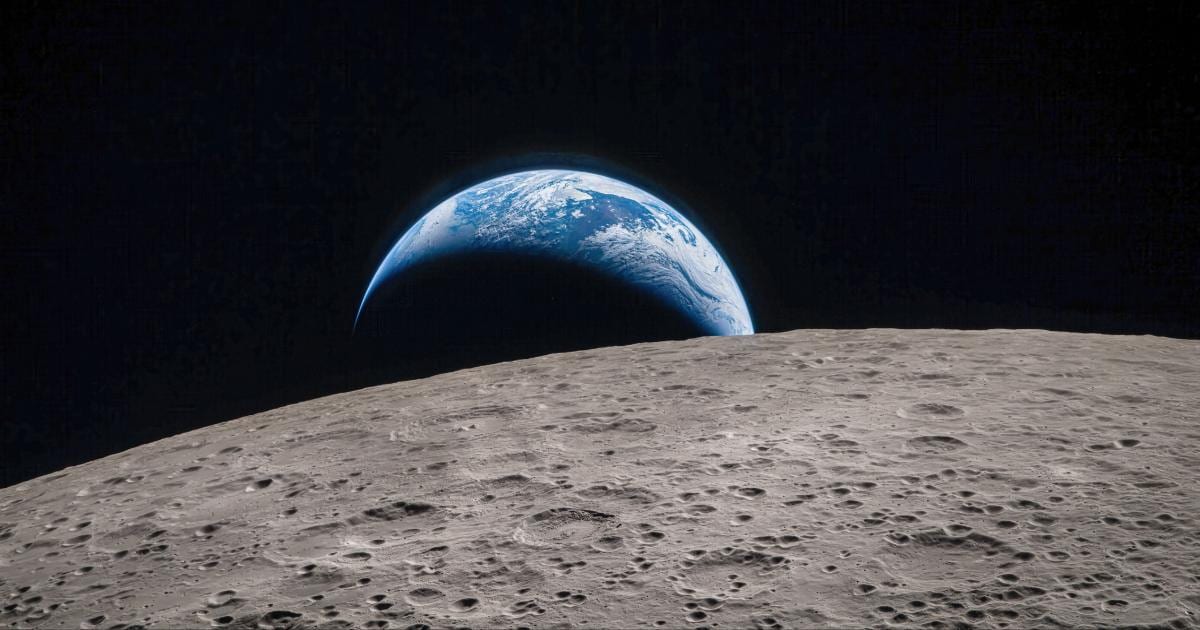
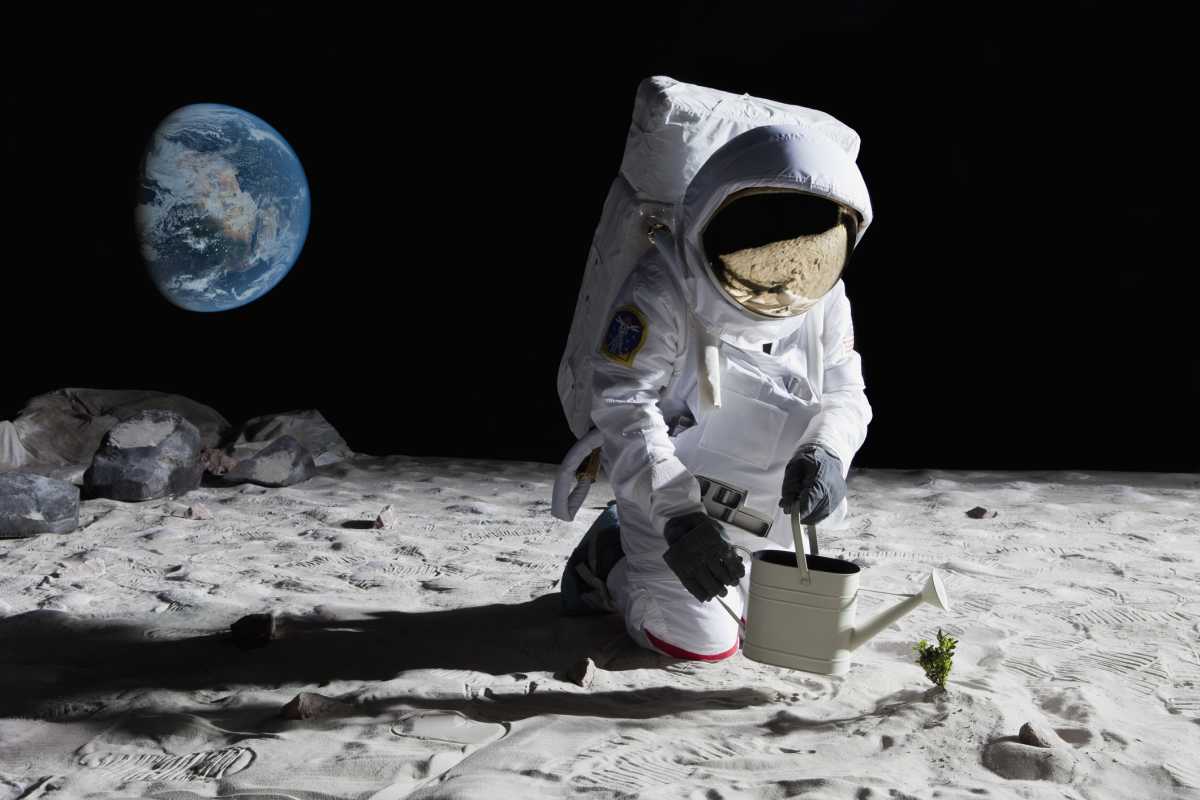
If all goes according to plan, humans will land near the lunar South Pole by early 2028 during the Artemis IV mission. There, they will spend a week observing the lunar terrain and collecting samples before returning to lunar orbit and heading back home. The region near the South Pole and its vicinity is ruggedly scarred with permanently shadowed craters. But NASA researchers and astronomers across the globe think that exploring this part of the Moon will be profoundly rewarding. They note that certain elevated locations at the lunar South Pole receive sunlight for long durations. Such availability of light will aid human explorers in harnessing solar power to provide the essential energy needed to sustain a human base. Future explorers can even conduct groundbreaking science by probing the permanent shadows—deep, freezing pockets where volatiles, including water, could be trapped as ancient ice. Crucially, they can even extract drinking water and manufacture rocket fuel from the trapped water ice.
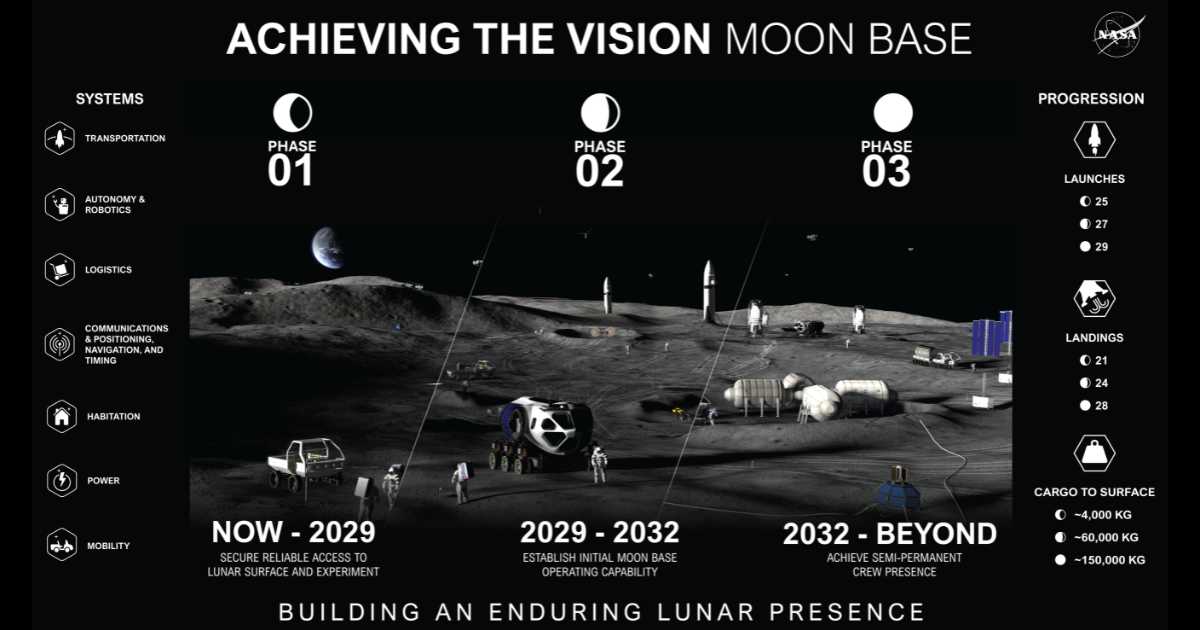
This prospect was echoed in a recent speech by the NASA administrator. “The Moon Base will be America’s and humanity’s first outpost on another celestial world,” said NASA Administrator Jared Isaacman in a press statement. “Every mission, crewed and uncrewed, will be a learning opportunity as we return to the lunar surface, build the infrastructure to stay, and master the skills required to live and operate in one of the most demanding and dangerous environments imaginable.” “We will go for the science, for all we stand to gain from an economic and technological perspective, for the innovations that will make life better here on Earth, and to prepare for where we will inevitably go next,” Isaacman added.
Studies have shown that the lunar South Pole is geologically distinct from the equatorial areas explored by the Apollo missions. With the Sun hovering just above the horizon, temperatures rise toward 130 degrees Fahrenheit (54 degrees Celsius) during sunlit periods. Conversely, soaring mountains and deep craters plunge some areas into perpetual darkness, creating zones called permanently shadowed regions (PSRs) that have not received sunlight in billions of years. According to a study published in Remote Sensing, the lunar South Pole has a greater number of large PSRs than the North Pole. In addition, the South Pole has some craters that can emerge as landing sites for future Moon missions. One such crater is Haworth Crater. Its floor is permanently shadowed, and data from the Lunar Prospector neutron device detected an abundance of hydrogen there. Thermal infrared imaging reveals that the floor temperature is between 15 and 54 Kelvin, indicating the preservation of many volatiles, including water ice.
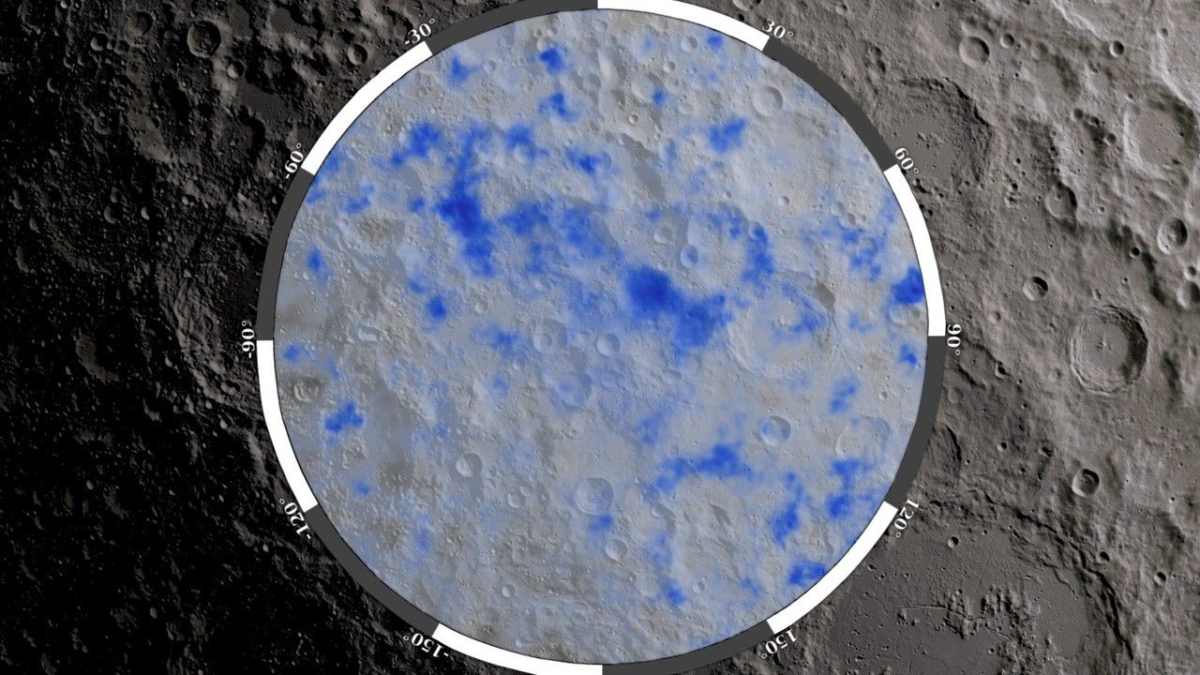
Apart from Haworth, there are other promising destinations such as the Malapert Massif, and the Shackleton, Cabeus, and Shoemaker craters. Malapert Massif is a towering mountain that receives sunlight for extended periods, making it an ideal candidate to provide much-needed solar energy. Shackleton crater, on the other hand, is close to a permanently shaded area, offering a vantage point to hunt for trapped water ice. Cabeus Crater is also home to a shadowed region where the temperature drops to below 100 Kelvin, allowing ice to build up on or near the crater surface for billions of years. In fact, NASA’s LCROSS mission in 2009 successfully detected evidence of large amounts of water ice in this crater. In planetary science, volatiles are chemical elements or compounds with low boiling points that readily vaporize.
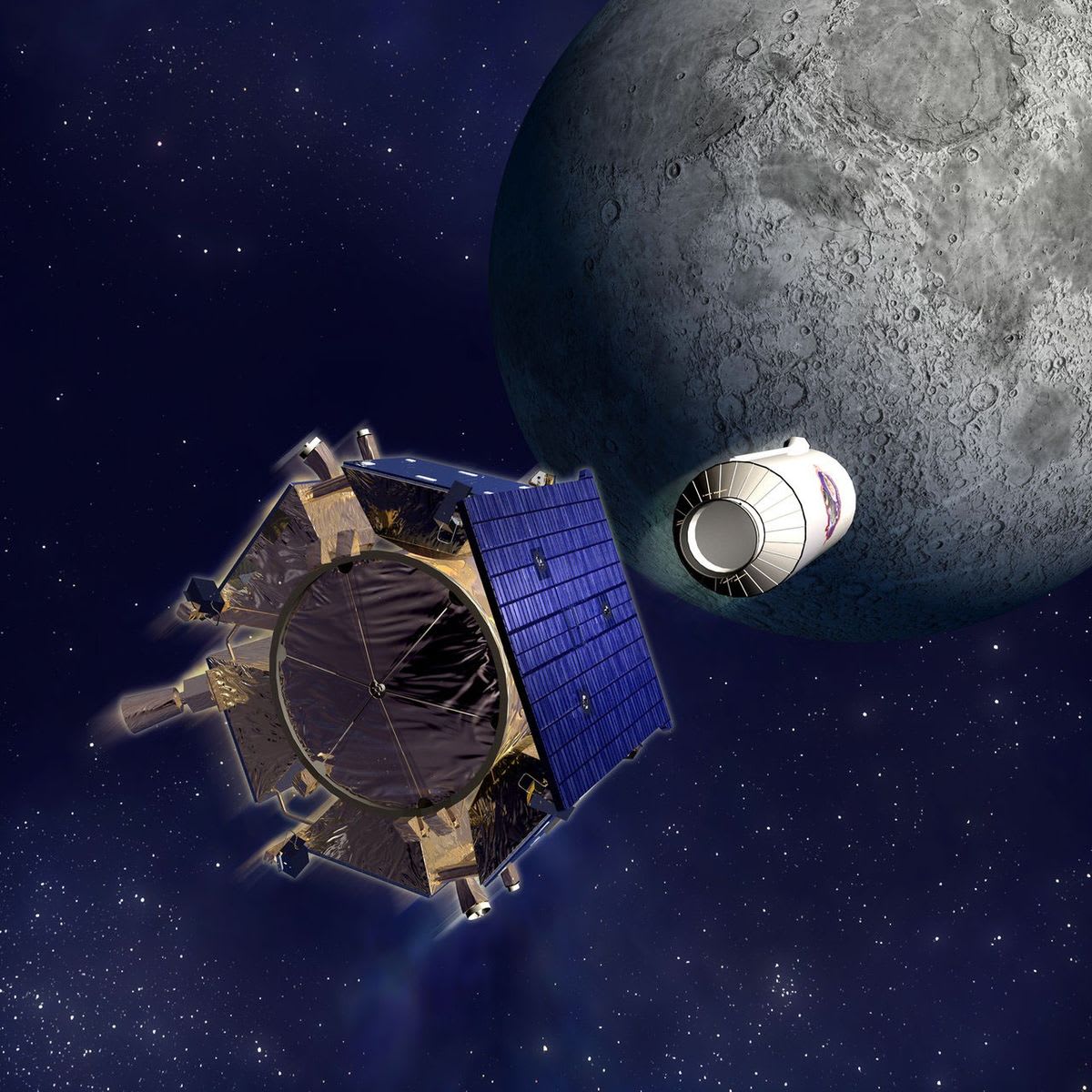
Water—composed of two parts hydrogen and one part oxygen—is a classic example of a volatile compound. While it easily melts or vaporizes at moderately warm temperatures on Earth, the ultra-cold vacuum of the lunar shadows keeps these volatiles locked in a solid, icy state.
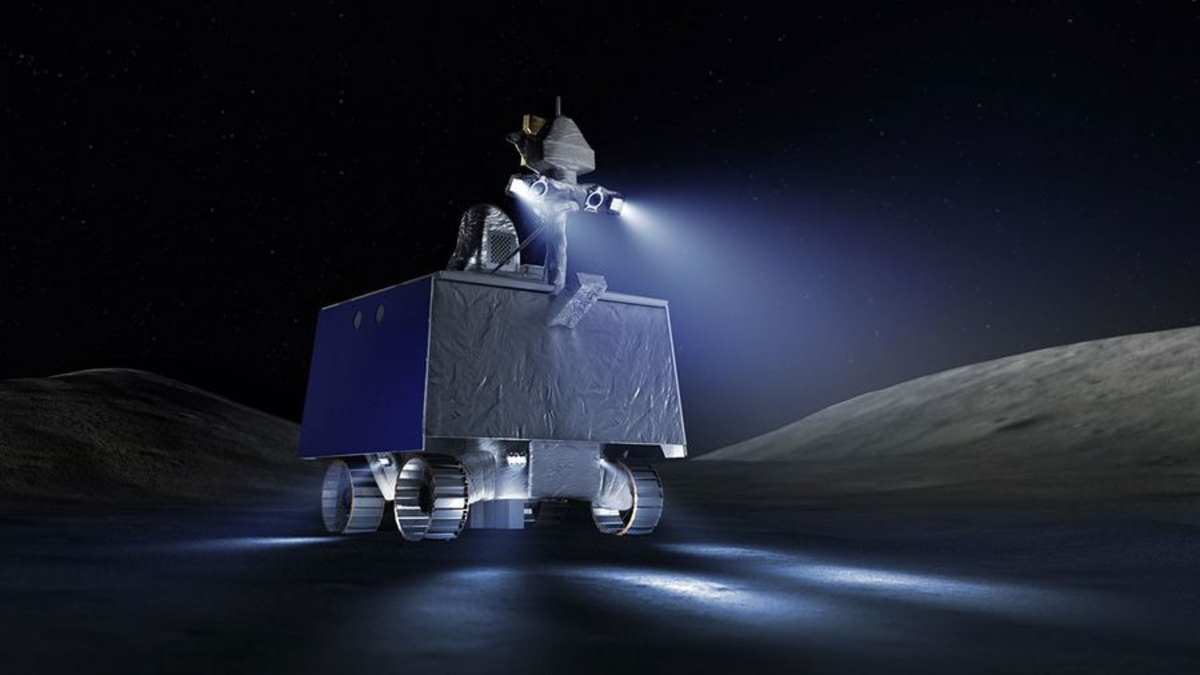
These ices might yield resources that enable future astronauts to live off the land and put NASA on a path towards sustainable exploration. “NASA’s VIPER (Volatiles Investigating Polar Exploration Rover) will search for volatile resources, such as ice, on the lunar surface and collect science data to support future exploration at the Moon and Mars. The rover has a targeted science window for its 100-day mission that requires a landing by late 2027,” according to a NASA statement.
The Moon’s South Pole features surfaces older than 3.85 billion years, including a large impact basin known as the South Pole–Aitken (SPA) basin. A human base at the lunar South Pole provides an opportunity to collect samples that will help scientists understand the history of the Moon, the Sun, and our home planet. On Earth, samples and knowledge from this era of solar system development have largely been lost through plate tectonics. Besides the prospect of volatiles, the lighting conditions at the South Pole will help future colonizers to generate solar power for longer periods of time than at or near the equator. This will reduce the consumption of battery power, enabling lunar residents to survive stretches of shadow and darkness, and allow them to easily travel between oases of light. Like the Apollo sites near or at the equator, the South Pole has Earth-facing areas that maintain a direct line of sight to our planet, facilitating communications for short-duration missions early in the Artemis program. The areas that are shielded from Earth also present a unique scientific trade-off. These areas can be used to set up a lunar-based radio astronomy observatory to explore the universe in the radio-quiet environment of the far side of the Moon.
More on Starlust
Social interactions in deep space: How the human factor could affect success of NASA's Moon Base
NASA’s Artemis III crew reveal: Here’s when and where to watch the livestream of the event