Perseid meteor shower to dazzle skywatchers in July and August — When, where and how to see it
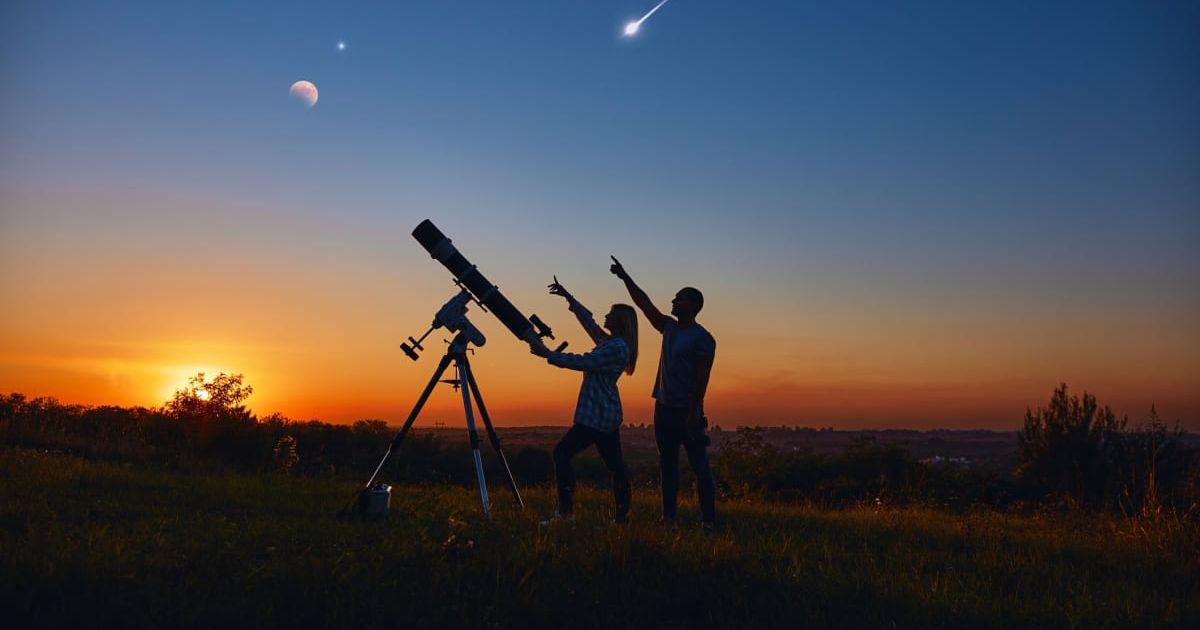
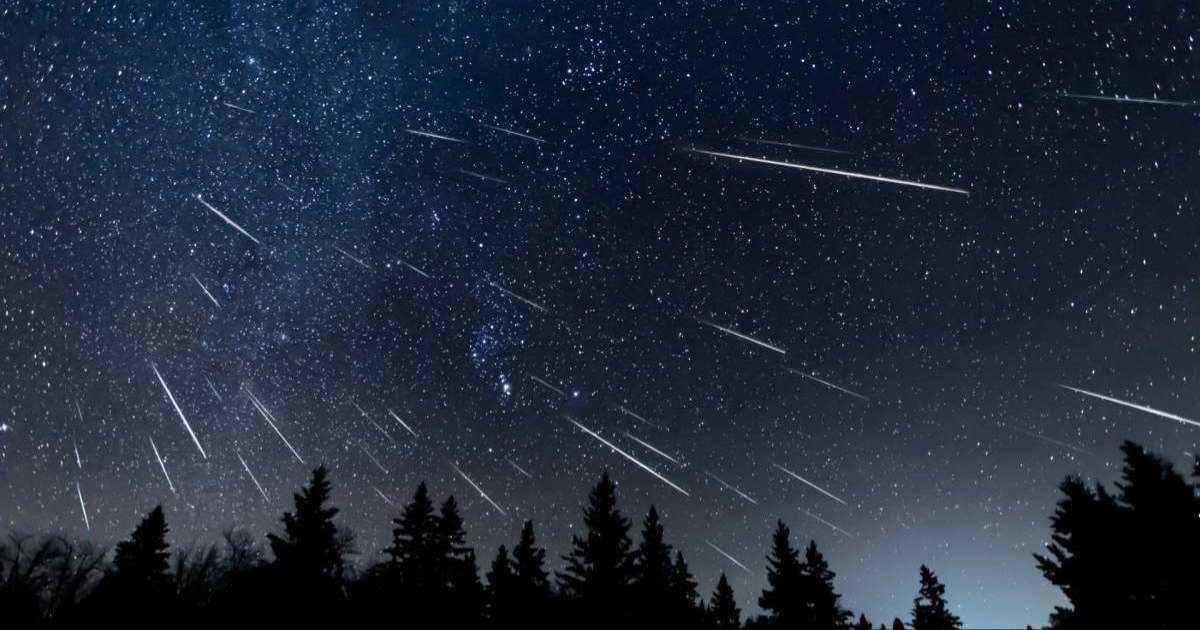
After the June Bootids and a packed schedule in July featuring the Southern Delta Aquariids and the Alpha Capricornids, stargazers will be in for a treat in August. The most anticipated and prominent meteor shower, the Perseids, will peak mid-August, offering observers some spectacular views. Here's everything you need to know about it.
When will the Perseid meteor shower be visible?
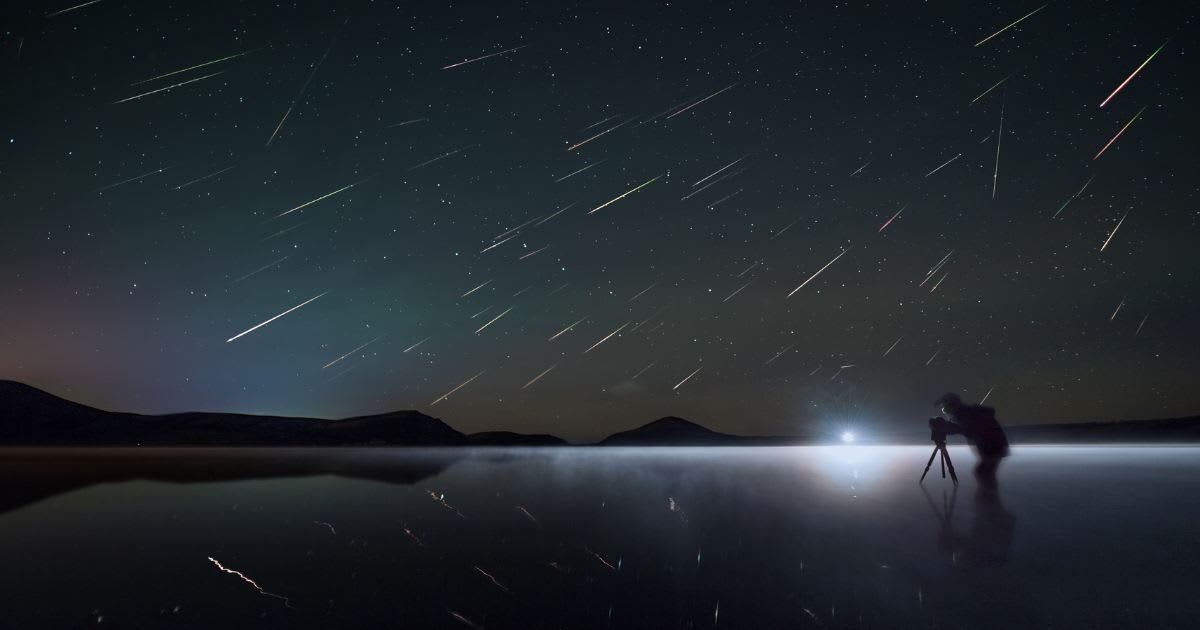
The Perseid meteor shower is an annual phenomenon and will remain active between July 14 to August 24 in 2026, as per the American Meteor Society (AMS). Observers will be able to catch the Perseids in their full glory on the nights of August 12 and 13, when the meteor shower peaks. The absolute maximum of the Perseids is predicted to take place around 2:53 PM UTC on August 13.
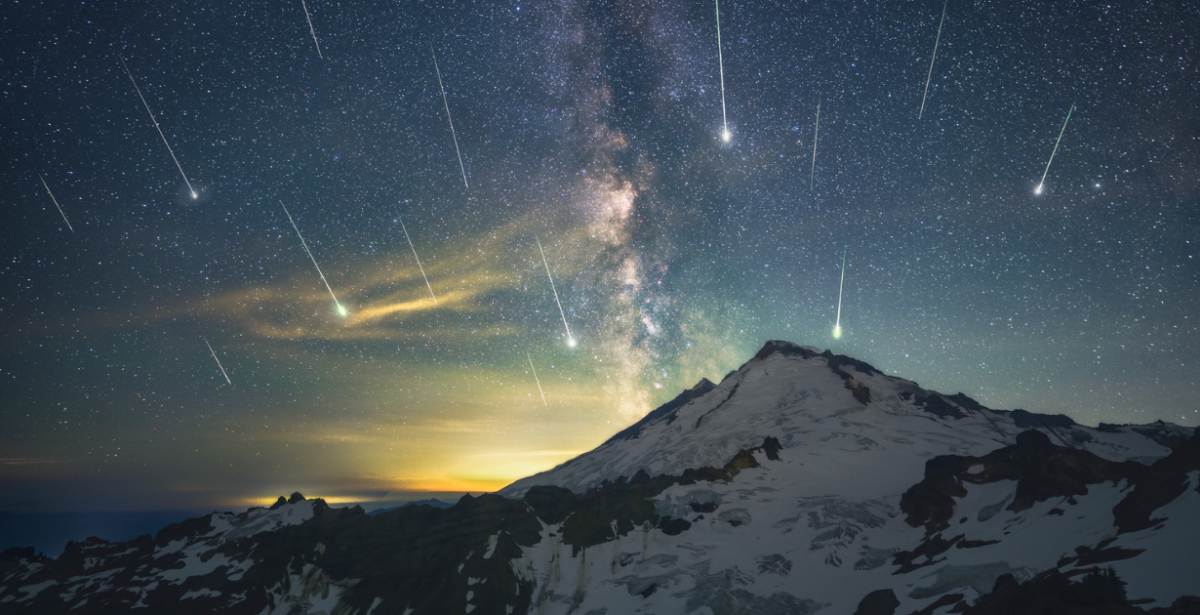
The parent comet of the Perseids is 109P/Swift-Tuttle, named after Lewis Swift and Horace Tuttle, who independently discovered it in 1862. Four years later, in 1866, Italian astronomer Giovanni Schiaparelli confirmed that the comet discovered by Swift and Tuttle was the origin of the Perseids, marking the first time a meteor shower was linked directly to a comet. The radiant point of the Perseids lie within the constellation Perseus, as per NASA, these cometary fragments strike our atmosphere at speed of 59 kilometres per second.
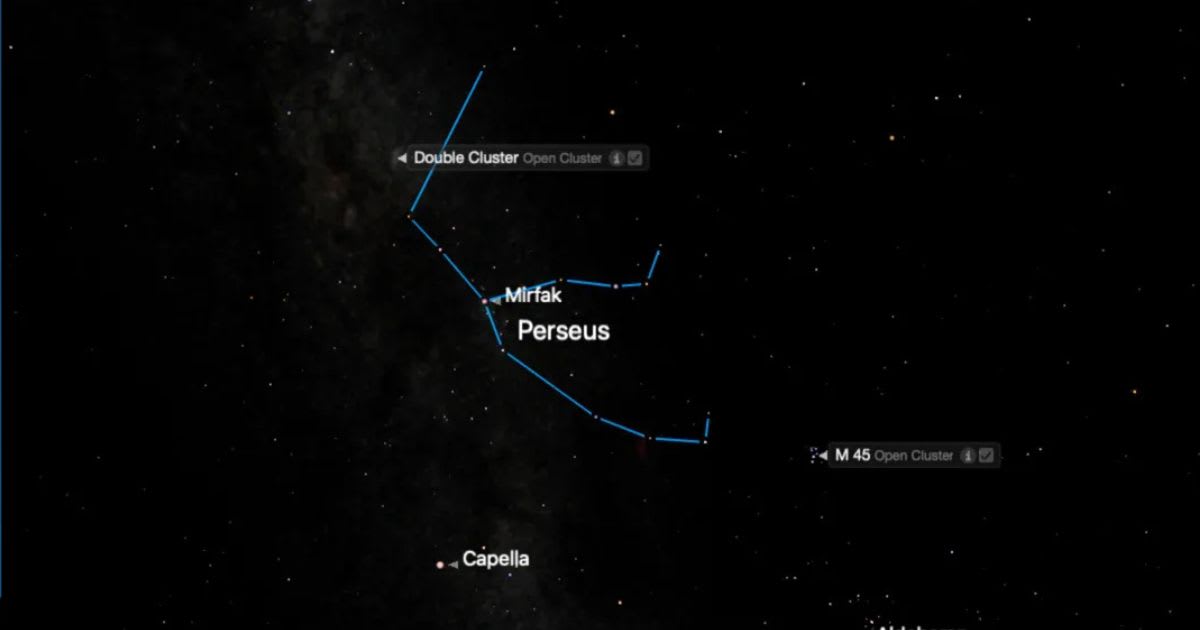
From where will the Perseid meteor shower be visible?
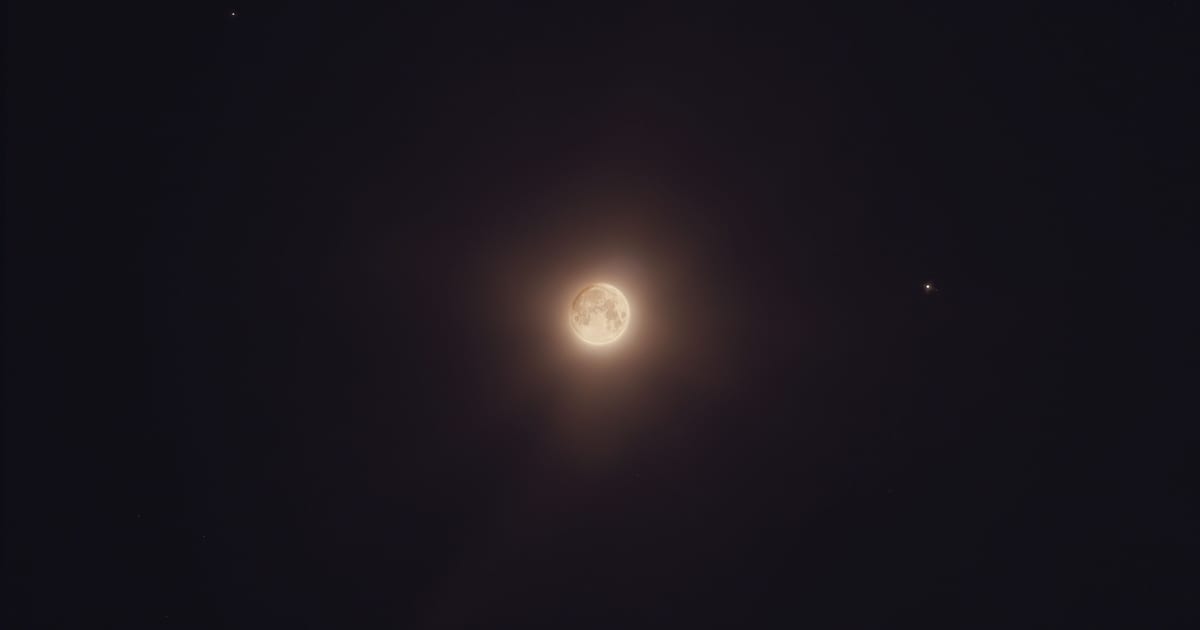
Observers in the Northern Hemisphere typically enjoy the best views of the Perseids. While meteor rates are highest during the pre-dawn hours, stargazers can sometimes spot early meteors soon after 10 PM. While bright moonlight can often wash out the visibility meteor showers, this year is special in that respect. The new moon falls on August 12 in 2026, coinciding with the peak of the Perseids. Under optimal conditions, observers maybe able to see 50 to 100 meteors per hour, according to NASA.

In addition, August 12 also features a total solar eclipse over parts of the Northern Hemisphere (including Greenland, Iceland, and Spain). While you won't see meteors during the brief daytime totality—since the sky only dims to deep twilight levels—observers in the path of totality will get a dual treat: an eclipsed Sun by day and a meteor shower by night. Stargazers looking to catch the Perseids should seek to be in dark sky areas away from city lights, preferably with an unobstructed view of the horizon.
More on the Perseid meteor shower
As the Perseids streak through our planet's atmosphere, they leave behind 'wakes' of light and glowing ionized gas. Further, the Perseids are also famous for producing fireballs, which are caused by larger pieces of cometary debris. These fireballs can leave behind glowing trails that last longer than those of average meteors, and have the brightness of the planet Venus in terms of visual magnitude. A couple of years from now, in 2028, there is also the possibility Perseid meteor storm. when Earth is predicted to pass through a dense debris trail left by comet 109P/Swift-Tuttle in 1479.
More on Starlust:
Alpha Capricornids meteor shower July 2026: Peak date, best viewing time and how to watch
Southern Delta Aquariids set to peak in July: Date, time, how to watch—here's all you need to know
Stargazing in early July 2026? Here are some stunning sights to see at the start of the month