Fireball streaks across southern U.S. sky on June 28, seen in multiple states

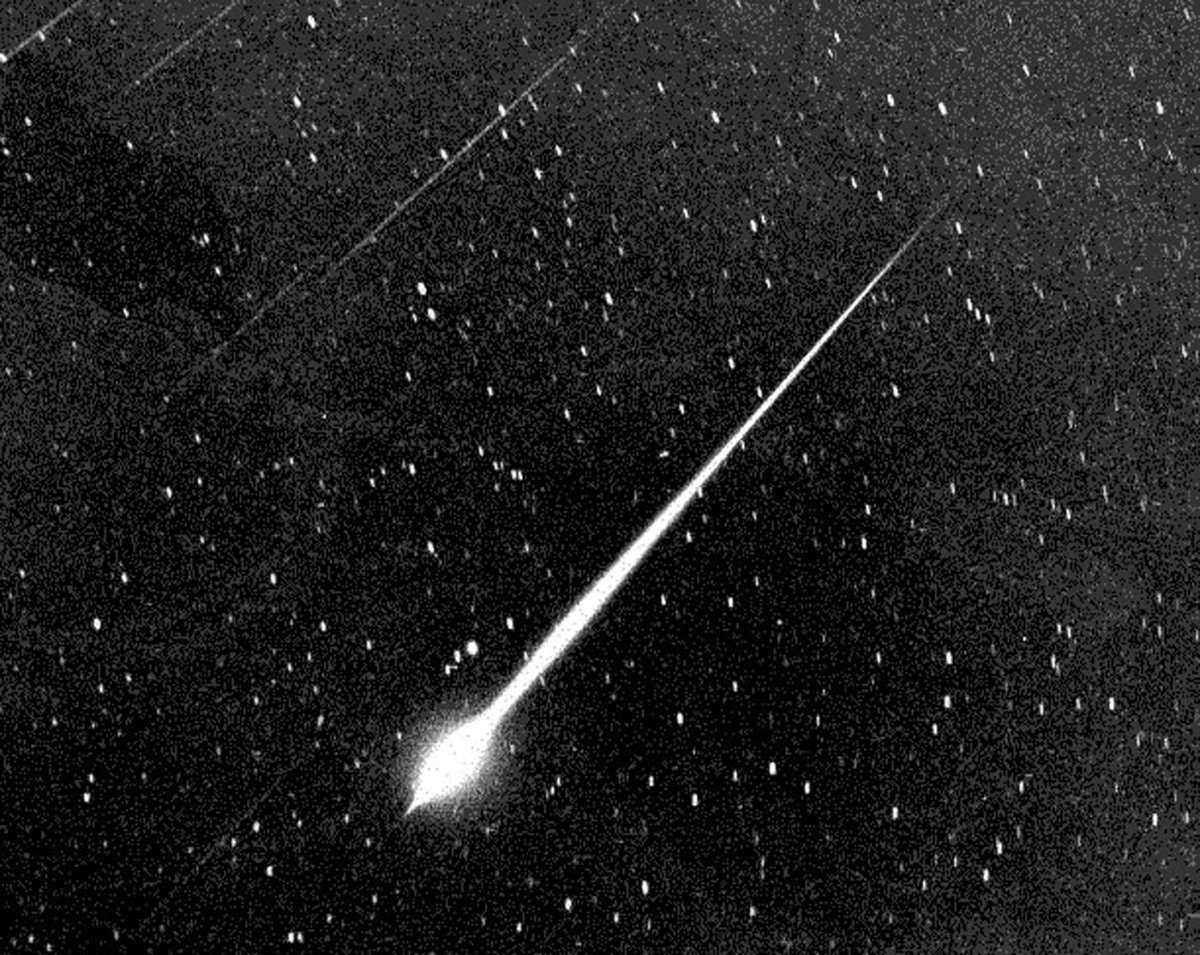
Parts of the U.S. saw a bright fireball streaking across the sky just after 5 a.m. CDT on Sunday, June 28. The American Meteor Society received more than 50 reports from Louisiana, Florida, Alabama, Arkansas, Mississippi, and Texas, with Southern Louisiana recording the largest number of reported observations of the fireball’s passage.
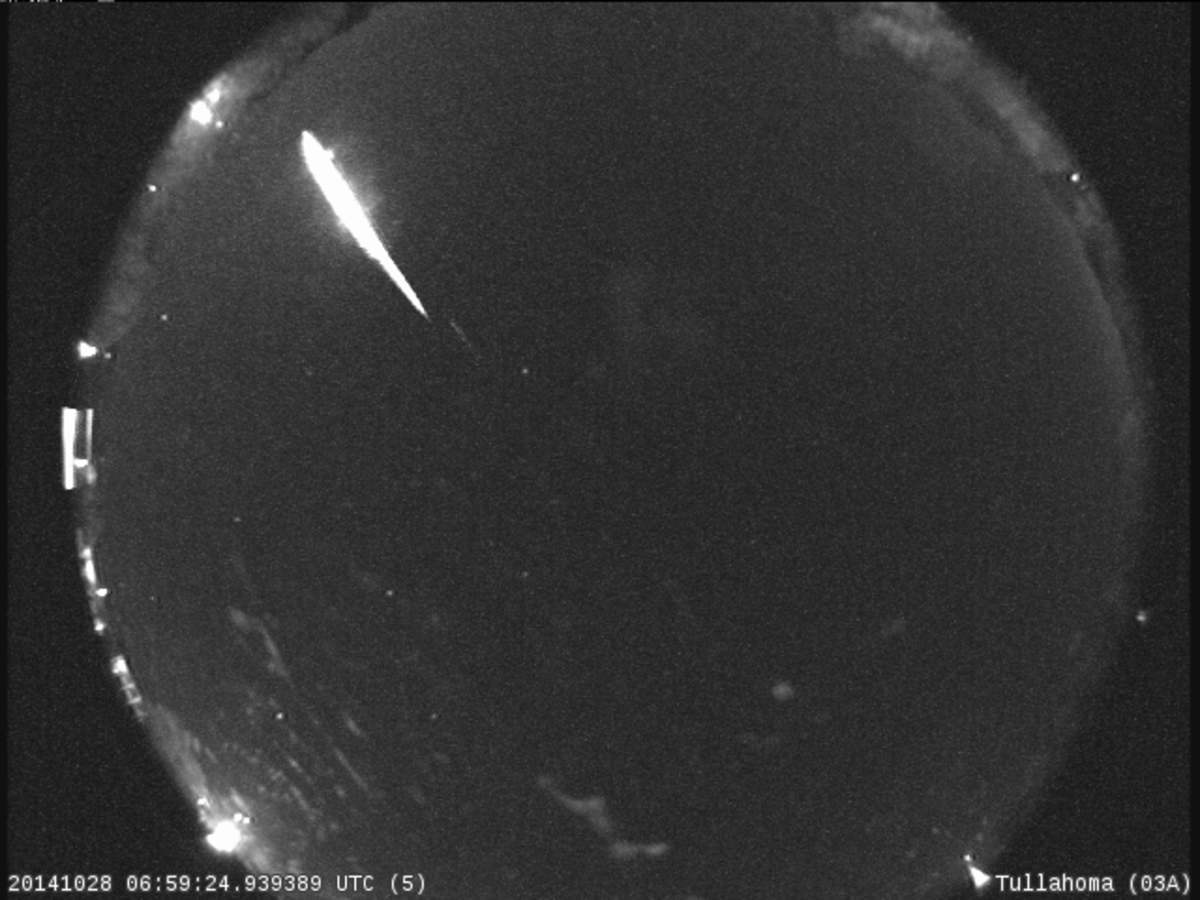
According to the Storm Station, the object looked like "a large, vibrant green ball with fire trailing behind it followed by a bright flash." While several cameras caught the fireball during its brief but striking appearance, there is no indication yet that the object survived its fiery journey through Earth's atmosphere and managed to reach the ground.
A bright fireball flew in and disintegrated over Louisiana yesterday morning (June 28th). Recent fireball activity has died down as compared to the few BIG waves we had earlier in the year, but they're still coming in.
— Stefan Burns (@StefanBurnsGeo) June 29, 2026
AMS event page: https://t.co/WBkqL4ISfS pic.twitter.com/FuNCpgSSm5
What is a fireball?
Also referred to as bolides, fireballs are meteors that shine even brighter than the planet Venus. The friction they experience upon entering Earth's atmosphere causes them to burn up. When experts describe a fireball as particularly bright, they are usually referring to an object that is at least around 3 feet (about 1 meter) across.
Other recent fireball sightings in the U.S.
This was not the first fireball sighting of the month in the U.S. Back on June 14, a fireball 16 times brighter than Venus was seen by hundreds of people across Alabama, Arkansas, Georgia, Iowa, Illinois, Kentucky, Kansas, and Missouri after being initially spotted above Tupelo in Mississippi at 10:26 p.m. CDT. The fireball traveled 300 miles through the atmosphere before breaking up 34 miles above the Mark Twain National Forest in Missouri.
Hey Huntsville, did you see that meteor streak across the sky last night?! ☄️
— NASA Marshall (@NASA_Marshall) June 15, 2026
This fireball traveled from Mississippi to Missouri, and we captured it using one of our #NASAMarshall meteor cameras in Huntsville, Ala., at 10:26 p.m. CDT.
🔗More on meteors: https://t.co/DfS5jajCrW pic.twitter.com/O1HkV0UUFr
The American Meteor Society also received over 200 reports of a fireball seen over Illinois, Indiana, Kentucky, New York, Ohio, and Wisconsin around 10 p.m. CDT on June 1. And that’s not all. A meteor that was seen over New England on May 30 exploded with an intensity equivalent to that of 230 tons of TNT at an altitude of 31 miles. The resultant shock wave shook buildings across Massachusetts, leaving residents alarmed. NASA later confirmed that the meteor was about 5 feet in diameter with a mass of 5.6 metric tons and entered Earth's atmosphere at around 42,000 mph.
More on Starlust
Stargazing in early July 2026? Here are some stunning sights to see at the start of the month
Southern Delta Aquariids set to peak in July: Date, time, how to watch—here's all you need to know