NASA's top skywatching events for 2026: Total lunar eclipse, Perseid meteor shower and more
An exciting year packed with meteor showers, lunar eclipses, and more awaits skywatchers.
PUBLISHED FEB 19, 2026
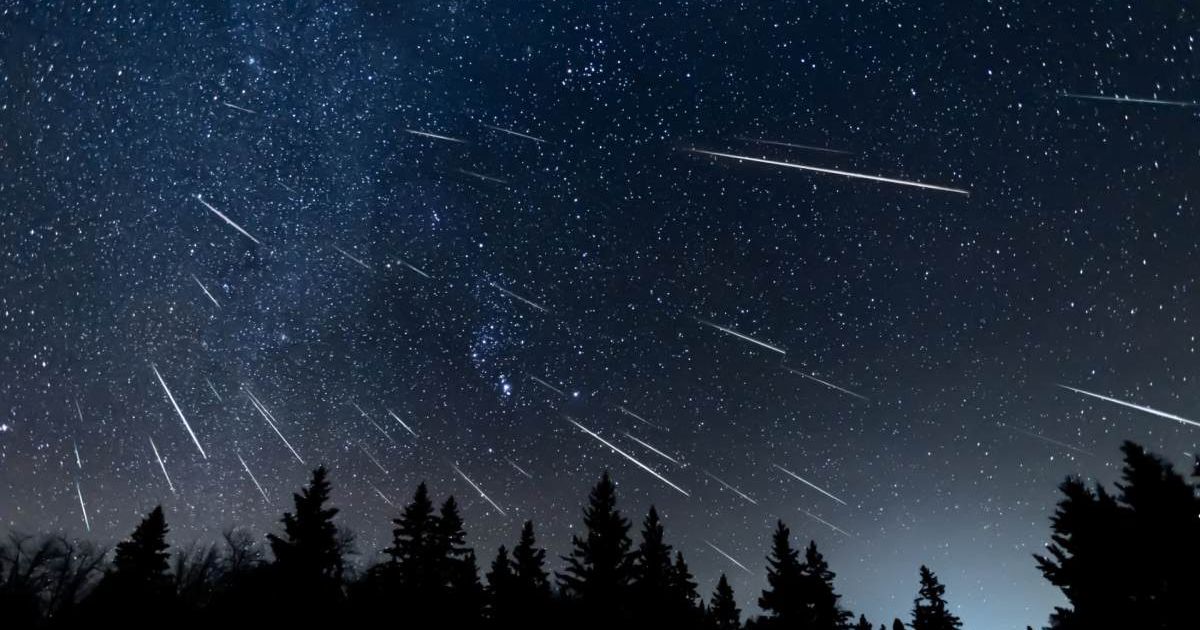
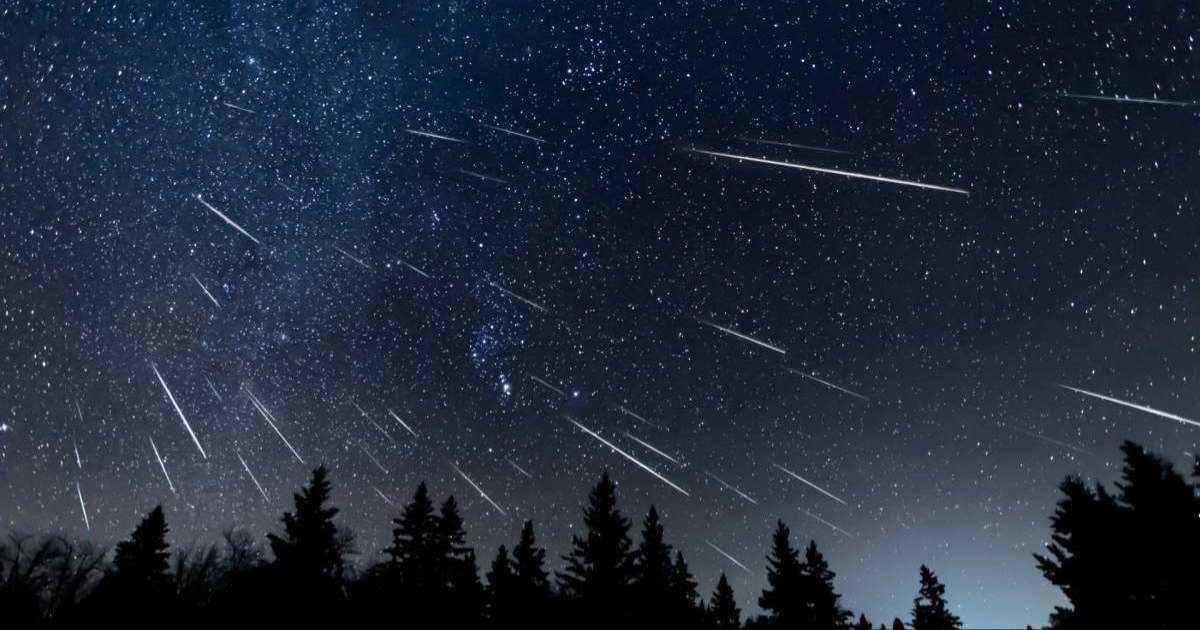
Meteor shower composite created from 44 individual photos that include the Milky Way. (Representative Cover Image Source: Getty Images | Photo by Craig Taylor)

The year ahead will prove to be quite exciting for avid skywatchers and stargazers, as reported by NASA, with wonderful opportunities to witness meteor showers, planets, stars, and the different avatars of the Moon in the night sky. Below is a chronological list of the top astronomical events happening this year, with the relevant details you need to know as a skywatching enthusiast.


1.    Planetary Parade – February 28

On February 28, we will have an exciting parade of planets where six planets will align. Mercury, Venus, Neptune, Saturn, Uranus, and Jupiter will all be visible in the sky after sunset. Out of the six planets, four, namely Venus, Jupiter, Mars, and Saturn, will be easily visible to the unaided eye if the weather permits. However, observers will need binoculars or a telescope to spot Uranus and Neptune. Even Mercury can be tricky to view. 
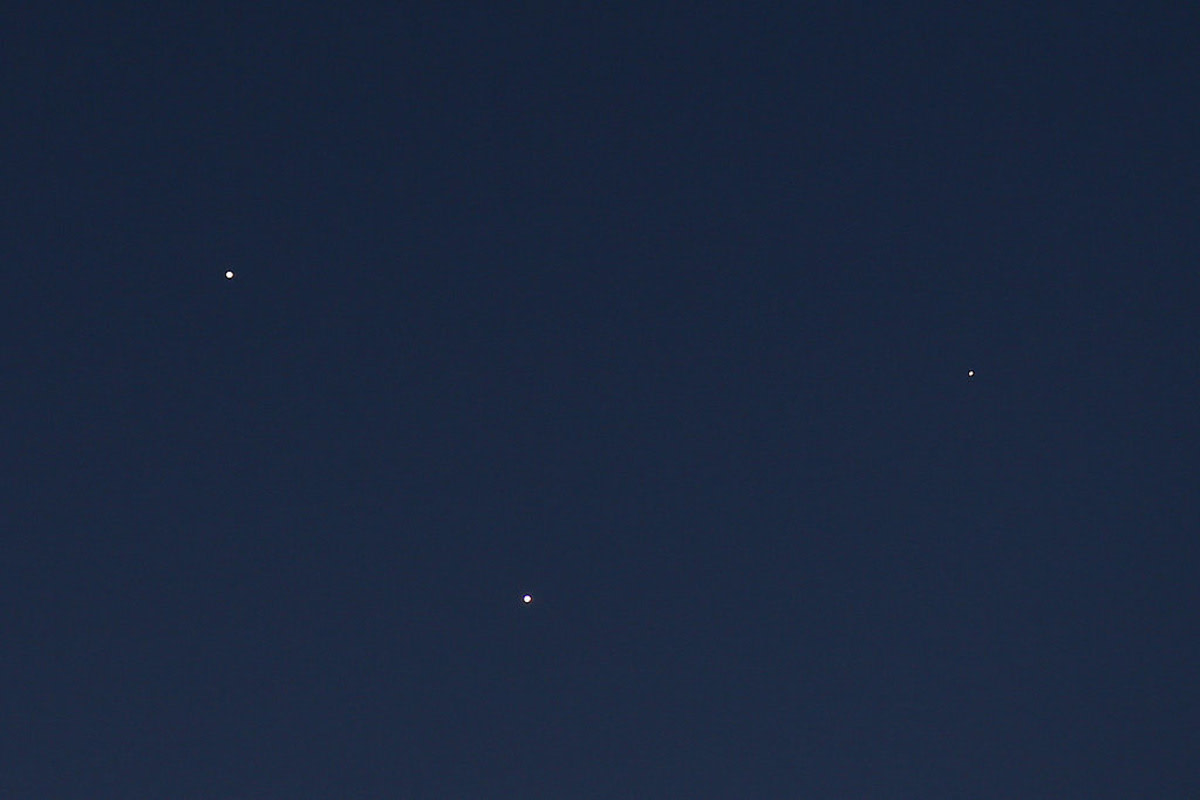
Jupiter, Venus, Mercury and Mars are seen in rare alignment over the Australian east coast on May 13, 2011 in Sydney, Australia. (Representative Image Source: Cameron Spencer/Getty Images)

2.    Total Lunar Eclipse – March 3

A total lunar eclipse, also called a 'blood moon,' will grace the skies on March 3 with strong visibility in North America, especially for the people on the West Coast. According to NASA, totality is expected to last nearly an hour from 11:04 UTC (6:04 am EST) to 12:03 UTC (7:03 am EST). 

3.    Full Blue Moon – May 31

We are also going to be treated to a 'blue moon' in May this year. Despite its name, the event will not actually feature a blue-colored Moon. It represents one of those rare instances when we get two full Moons in a single month. In fact, this is where the phrase "once in a blue Moon" comes from. According to The Old Farmer's Almanac, this full Moon will be peaking around 4:45 AM EDT. 
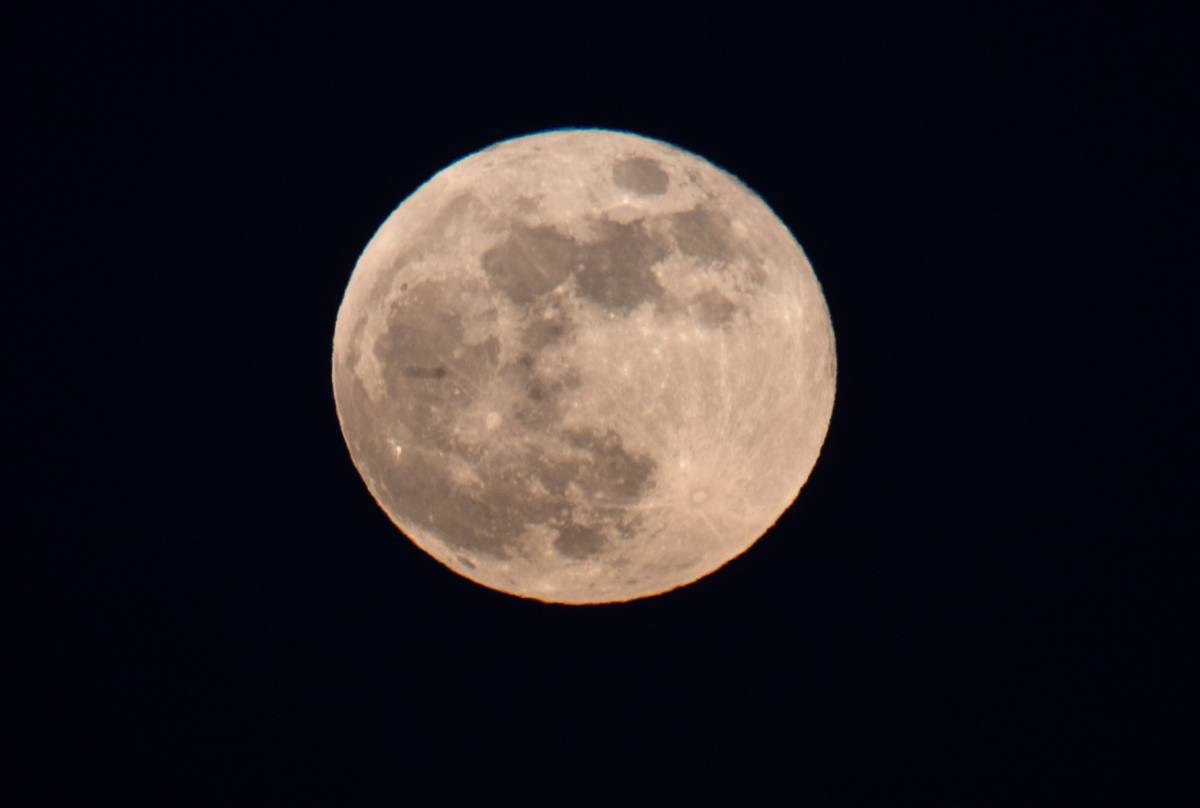
A Super Blue Blood Moon rises above Portsmouth on January 31, 2018 in Portsmouth, United Kingdom. (Image Source: Getty Images/ Photo by Matt Cardy)

4.    Venus and Jupiter Conjunction – June 8-9

We will witness another stunning planetary event in June this year, when two of the brightest planets in the sky—Venus and Jupiter—will appear extremely close together, only a pinky finger apart. More importantly, observers will not need telescopes to enjoy the event.
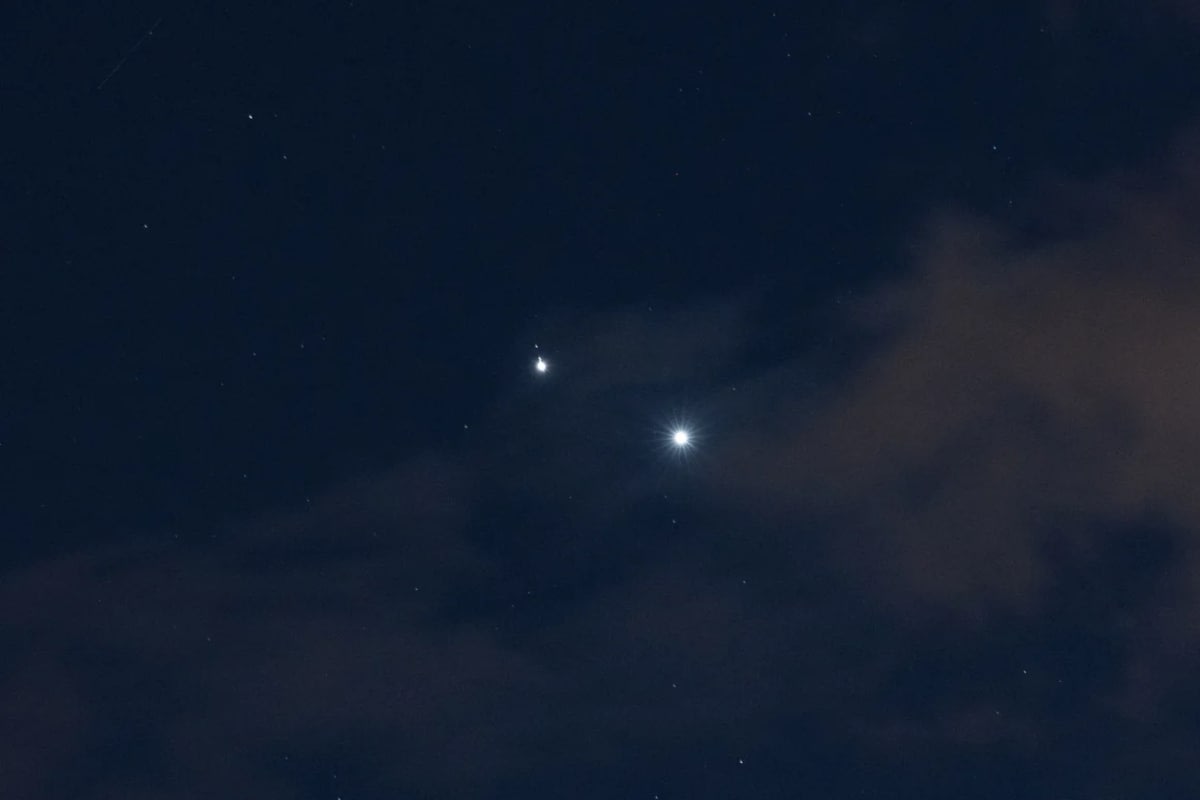
Jupiter and Venus in conjunction are seen after sunset above L'Aquila, Italy, on March 1 (Cover Image Source: Getty | NurPhoto)
Jupiter and Venus in conjunction are seen after sunset above L'Aquila, Italy, on March 1. (Representative Image Source: Getty | NurPhoto)

5.    Perseids Meteor Shower - August 12-13 

The Perseids meteor shower, which typically produces up to 100 meteors per hour during its peak, will be visible in August this year. Provided the weather is good, a new Moon in the sky should enable excellent visibility of the event. Of course, observers will need to get away from city lights for the best experience.
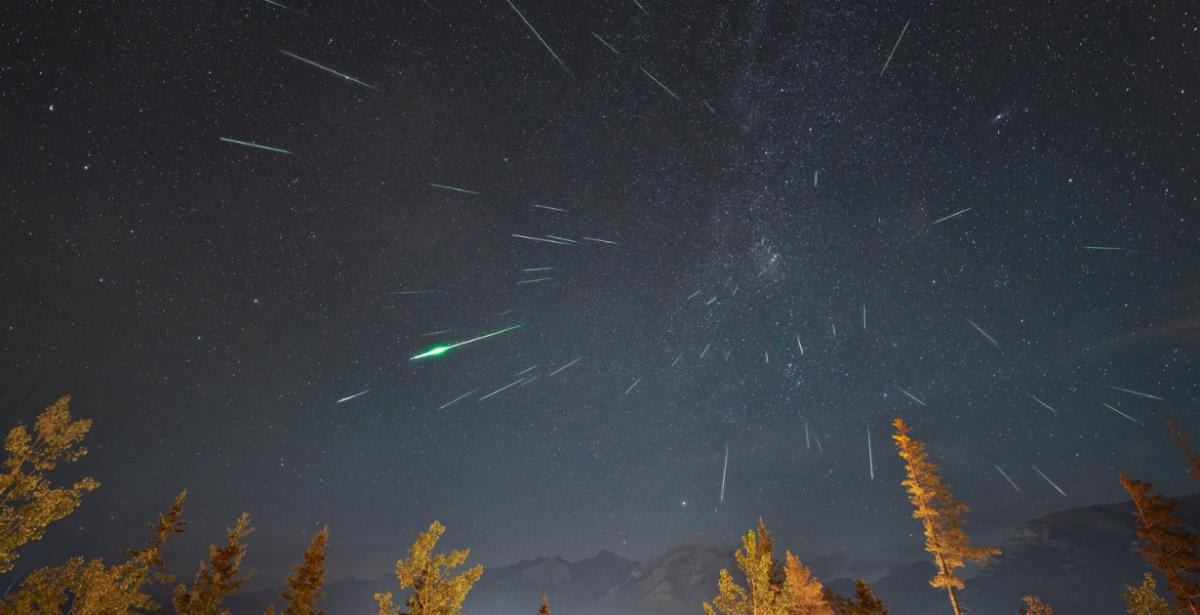
The Perseid meteor shower above Canmore in the Canadian Rockies, Alberta, Canada (Representative Image Source: Getty Images | Nick Fitzhardinge)
The Perseid meteor shower above Canmore in the Canadian Rockies, Alberta, Canada. (Representative Image Source: Getty Images | Nick Fitzhardinge)

6.    Geminids Meteor Shower - December 13-14 

The Geminids meteor shower will show itself in mid-December. After midnight would be the ideal time to catch these sparkly ‘green’ meteors in the sky. Wait patiently under the calm night sky to witness this beautiful, vivid light show.
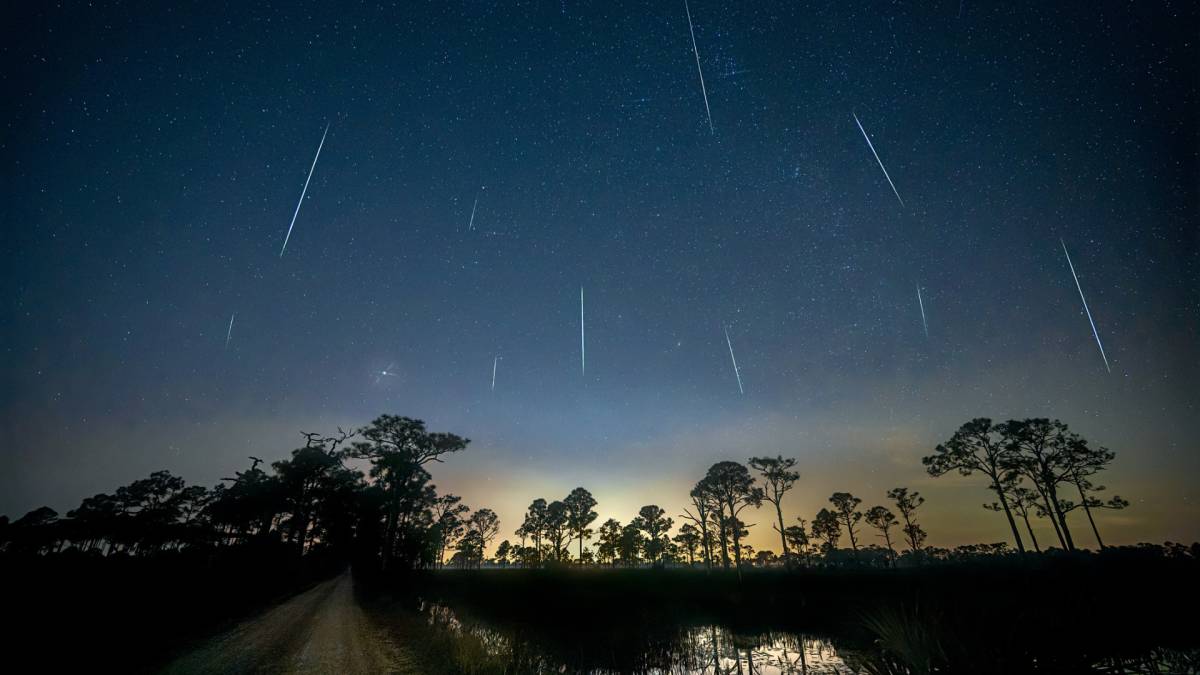
Geminid Meteor Shower over Fred C. Babcock/Cecil M. Webb Wildlife Management Area near Punta Gorda, Florida (Representative Image Source: Getty Images | Photo by Diana Robinson Photography)
Geminid Meteor Shower over Fred C. Babcock/Cecil M. Webb Wildlife Management Area near Punta Gorda, Florida. (Representative Image Source: Getty Images | Photo by Diana Robinson Photography)

7.    Supermoon – December 24

We will be ending the year with a bang with a Supermoon occurring on December 24. The Moon will be unusually bigger and brighter on this day as a result of its closest approach to Earth. Christmas Eve this year is certainly going to be extra special.
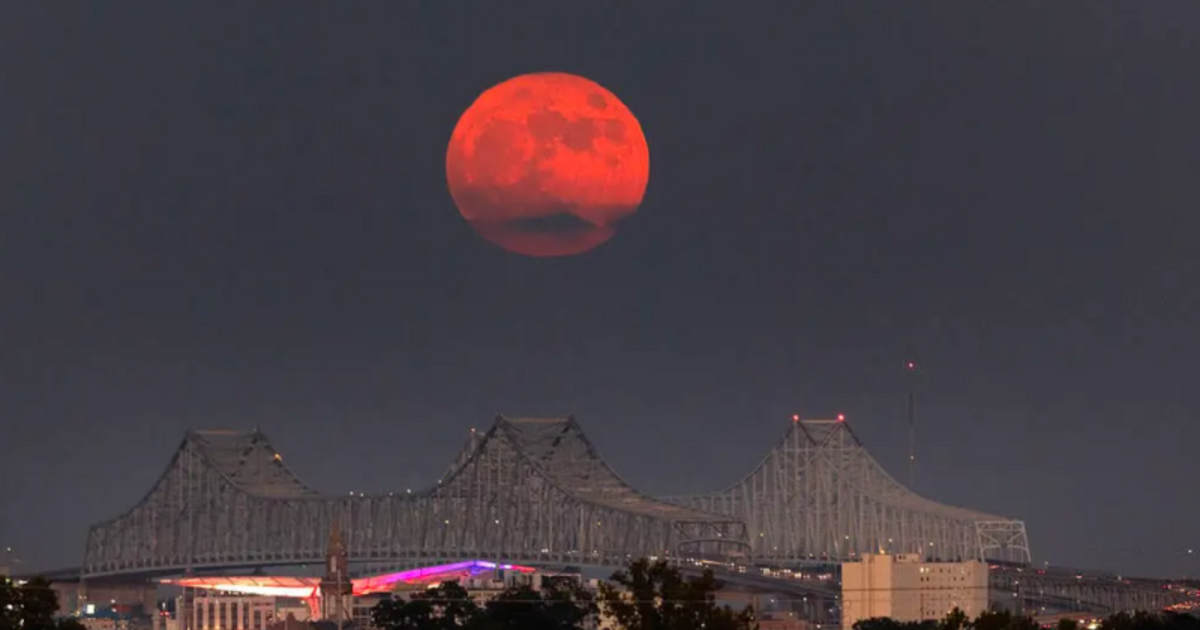
A supermoon over the Crescent City Connection, New Orleans, Louisiana(Image Credit: NASA/Michael Democker)
A Supermoon over the Crescent City Connection, New Orleans, Louisiana. (Representative Image Source: NASA/Michael Democker)

More on Starlust

Next solar eclipse of 2026: Date, time and best viewing locations

Satellite captures Moon’s shadow traversing Antarctica during February 17 annular solar eclipse
MORE STORIES

The SLS rocket will be visible up to 70 seconds after launch depending on where observers are.
4 days ago
From the Pink Moon, bright Mercury, and a meteor shower to a comet streaking across the sky, April is filled with exciting sights for skywatchers.
4 days ago
After Ohio fireball sparks panic, NASA says meteor surge is normal.
5 days ago
Castor and Pollux, the Gemini twins, will be visible alongside Jupiter and will provide skywatchers with a celestial show.
Mar 26, 2026
Tonight on March 24, about 44% of the Moon's visible side will be illuminated by the Sun.
Mar 24, 2026
The ringed planet slips behind the Sun as it moves to the far side of the solar system.
Mar 24, 2026
In the event identified as 1828-2026 by the American Meteor Society, the meteor weighed 7 tons.
Mar 18, 2026
A Full Pink Moon will grace our eyes on April 1, appearing as large as a supermoon near the horizon.
Mar 18, 2026
The latter half of March has some really interesting skywatching events worth looking forward to.
Mar 16, 2026