June Bootids 2026: All about one of the most unpredictable meteor showers—when and how to watch
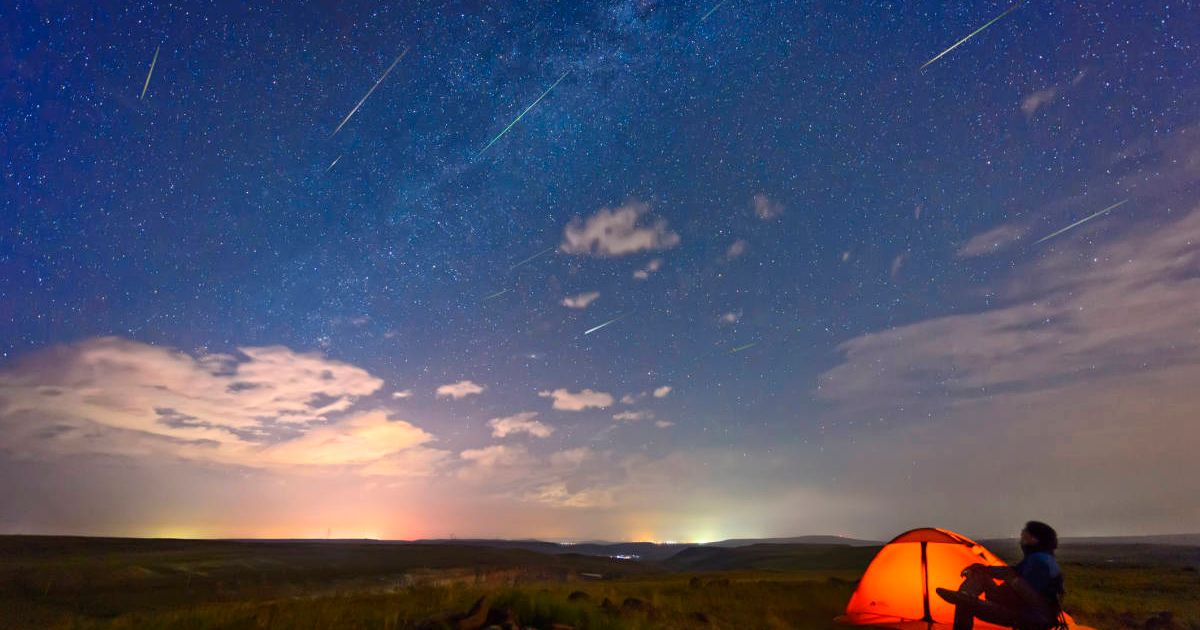
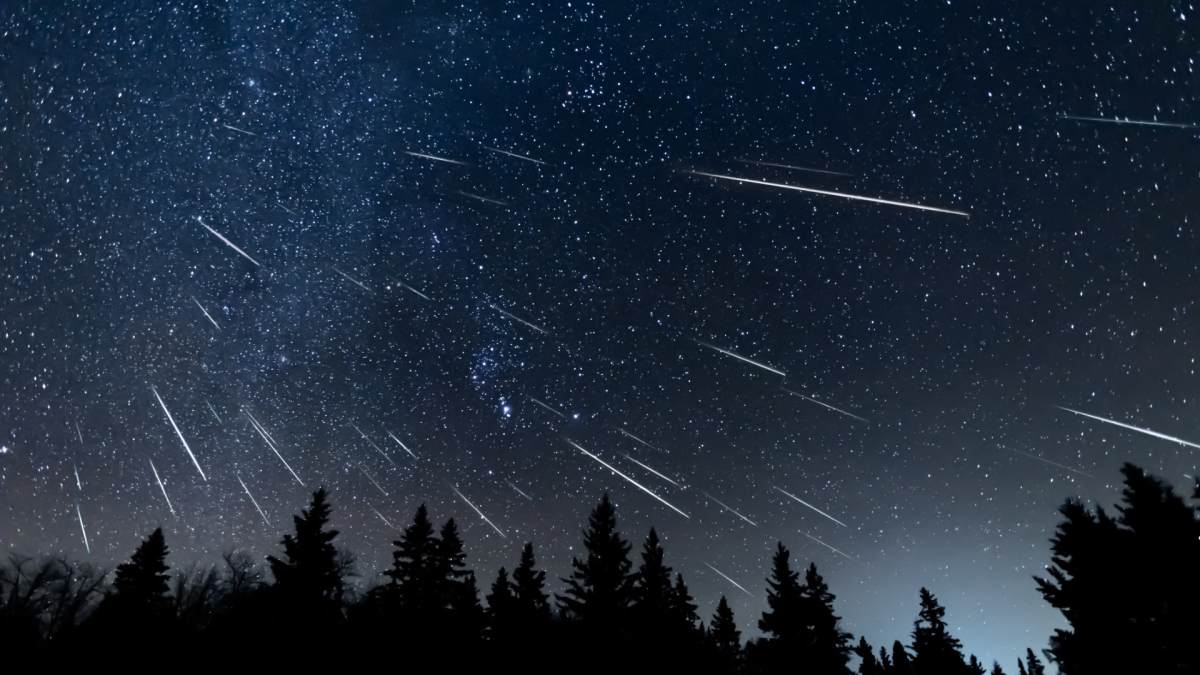
The Bootids meteor shower is one of the most unpredictable displays in the night sky. Back in 1998, skywatchers in the Northern Hemisphere were famously taken aback as hundreds of meteors started to shoot out of the Bootes constellation, decades after a similar phenomenon was observed in 1916, 1921, and 1927. Given its unpredictability, this year too, skywatchers will be excited to keep an eye on the June Bootids. Here is everything you need to know about the upcoming meteor shower in June.
When can we see the Bootids meteor shower?
The Bootids will be active from June 22 to July 2. During its 10-day run, the meteor shower typically peaks on the evening of June 26 and into the morning of June 27. Usually, this particular meteor shower is very weak, producing just a couple of meteors per hour. However, occasionally, skywatchers might be lucky enough to see up to a hundred meteors shooting across the sky per hour. One of the most recent examples of the Bootids meteor shower’s sudden high activity can be traced back to 2004. While skywatchers are excited for the June Bootids this year, there is, however, no confirmation as to how many meteors will be visible per hour. Despite all our scientific advances, researchers haven’t yet found a way to accurately predict when the next big outburst will come.
Up to 100 meteors per hour could light up the sky this month. 🌠
— Museum of Science (@museumofscience) June 11, 2026
The Bootid Meteor Shower is active from June 11 to July 2, peaking on June 21. In some years, it produces just a few meteors per hour. In others, it erupts with spectacular outbursts of up to 100 meteors per hour.… pic.twitter.com/pac9omXNN9
How to watch the Bootids meteor shower?
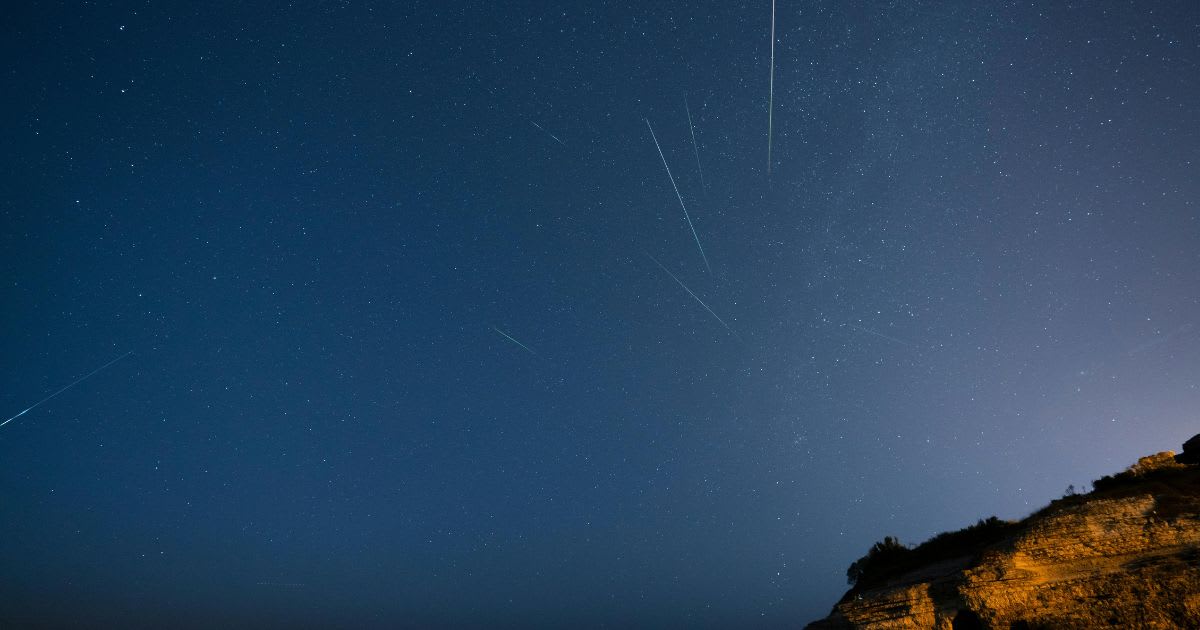
Skywatchers should look toward the north of the celestial equator, where the Bootes constellation is located, to catch a glimpse of the unpredictable June Bootids. While it will be visible in the sky on June 26 post-sunset, interested parties can refer to night sky maps like ‘Time and Date’ and ‘Stellarium’ to pinpoint the radiant (the point where the meteors appear to originate). However, you shouldn't stare directly at Bootes; meteors appear all over the sky, and looking slightly away from the radiant will allow you to see meteors with much longer, more spectacular trails. For a clear viewing of the meteor shower, one must not use a telescope or binoculars. These instruments narrow your field of view, which will cause you to miss out on the meteors streaking across the wider sky. Additionally, a dark, light-pollution-free sky is recommended for optimal viewing. Skywatchers can travel to a suburban area and find a place that does not have any noticeable bright lights.
More about the Bootids meteor shower
The parent body for the Bootids meteor shower is Comet 7P/Pons-Winnecke, which leaves behind an uneven trail of dust and debris as it orbits the Sun once every 6.37 years. Because this debris is so unevenly distributed, the number of meteors that burn up in Earth’s atmosphere varies drastically from year to year. To understand this volatility, meteor forecasters like D.J. Asher and V.V. Emel'yanenko spent years mapping the comet's dust trails. Yet, despite their efforts, accurate forecasts remain notoriously tricky. However, forecasting models achieved a major breakthrough in 2004; while the previous year had been completely normal, multiple teams of astronomers successfully used dynamical modeling to predict that year's massive outburst. Because these models still cannot account for every hidden pocket of debris, there is currently no official prediction of a June Bootid eruption for 2026. Even so, astronomy enthusiasts might just want to keep a close watch, hoping that Earth stumbles upon a dense, unmapped cluster of comet dust capable of producing a spectacular celestial show.
More on Starlust:
NASA's top skywatching events for 2026: Total lunar eclipse, Perseid meteor shower and more
August 12, 2026 total solar eclipse to bring rare sunset spectacle—check the best viewing locations
Fireball 16 times brighter than Venus seen streaking across multiple U.S. states on June 14