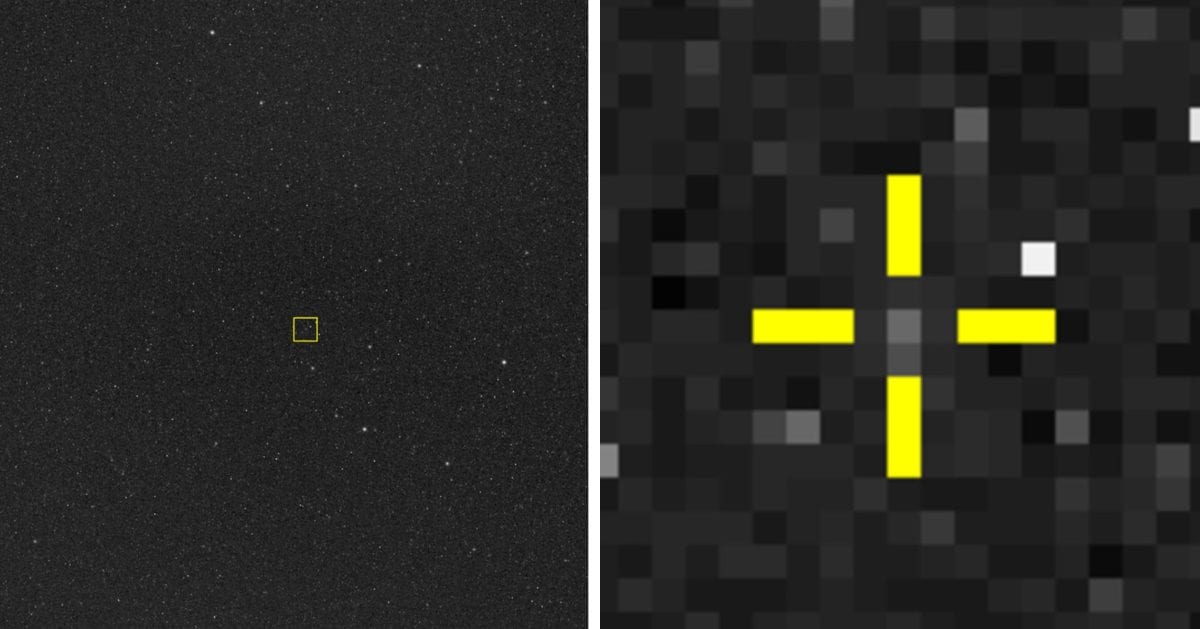
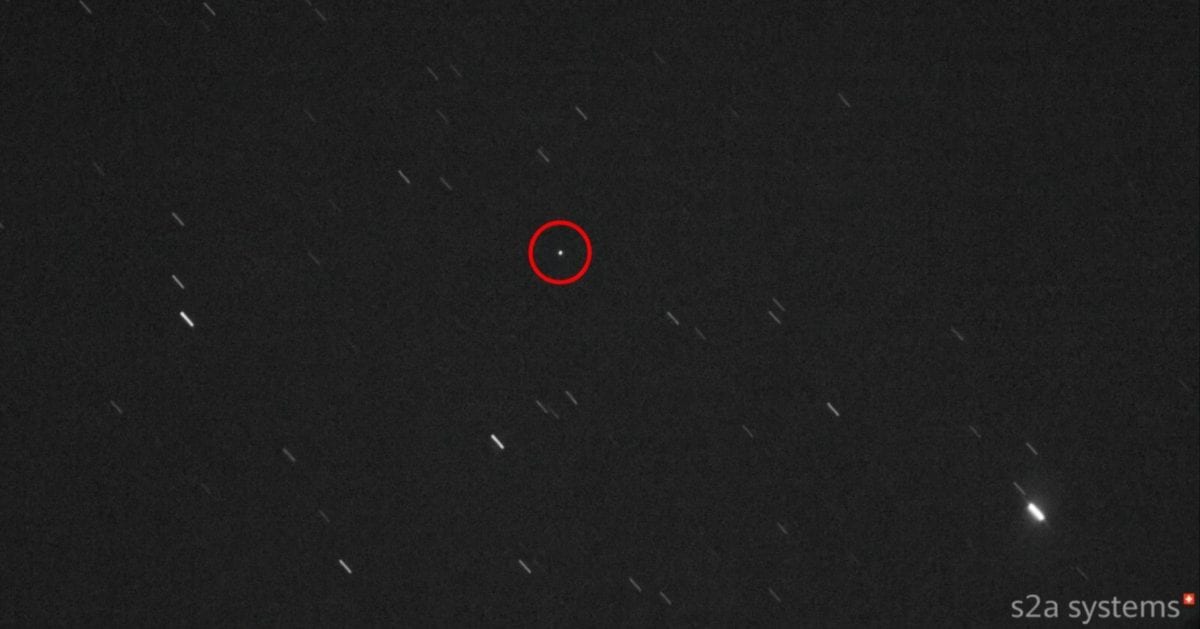
NOAA's SWFO-L1 satellite launches September 24 to enhance early warning of solar storms impacting Earth
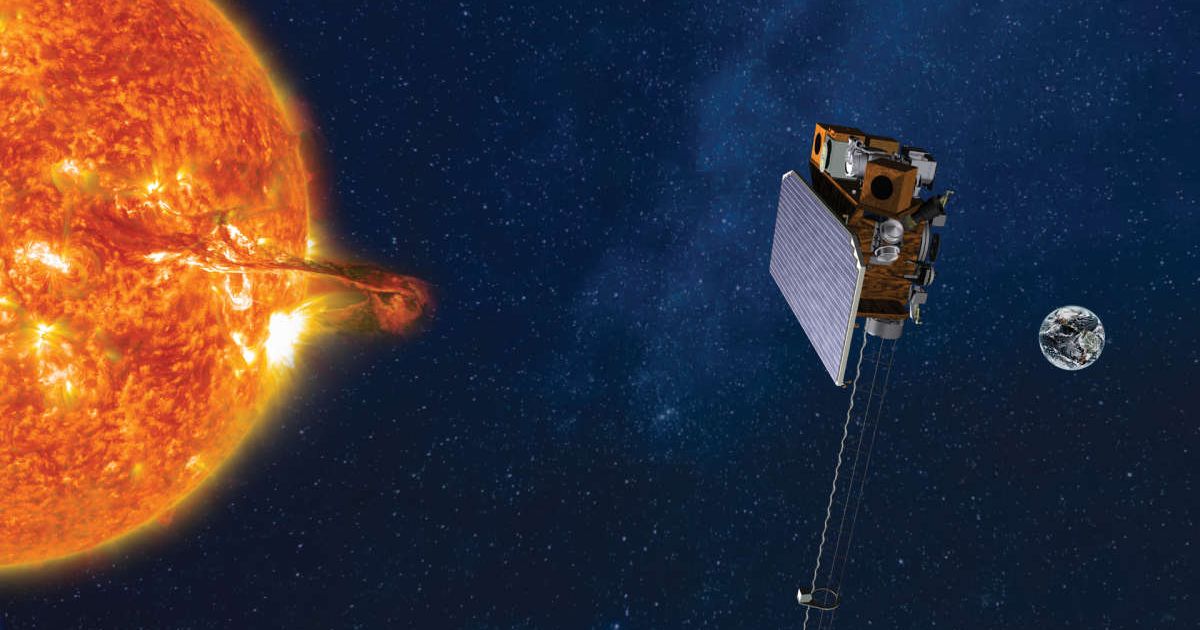
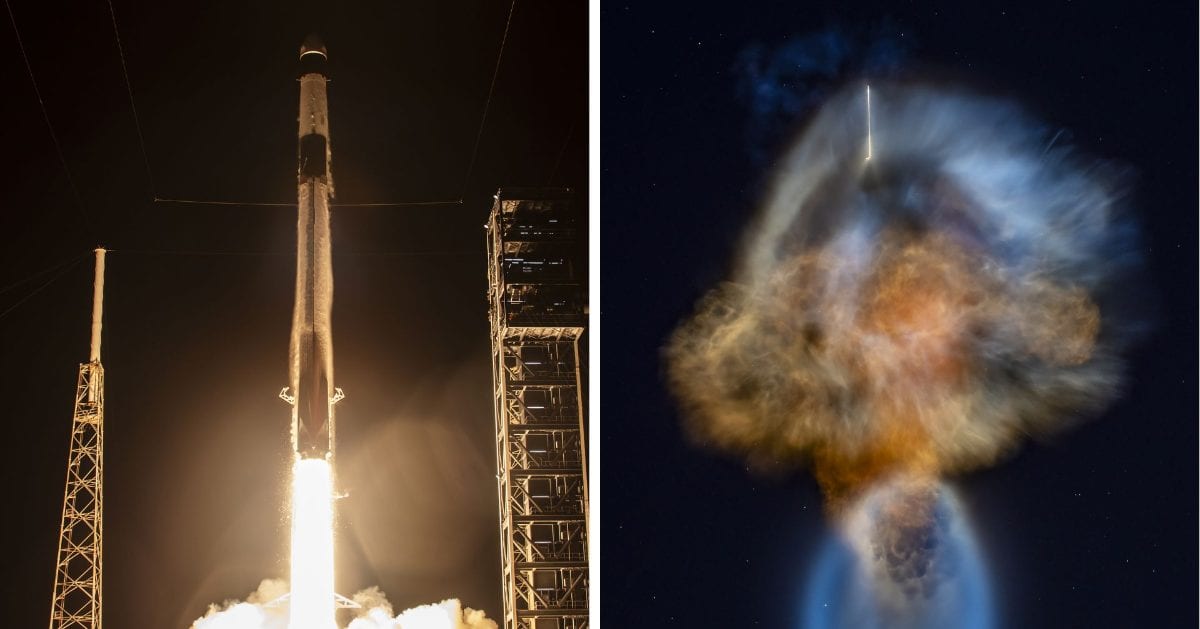
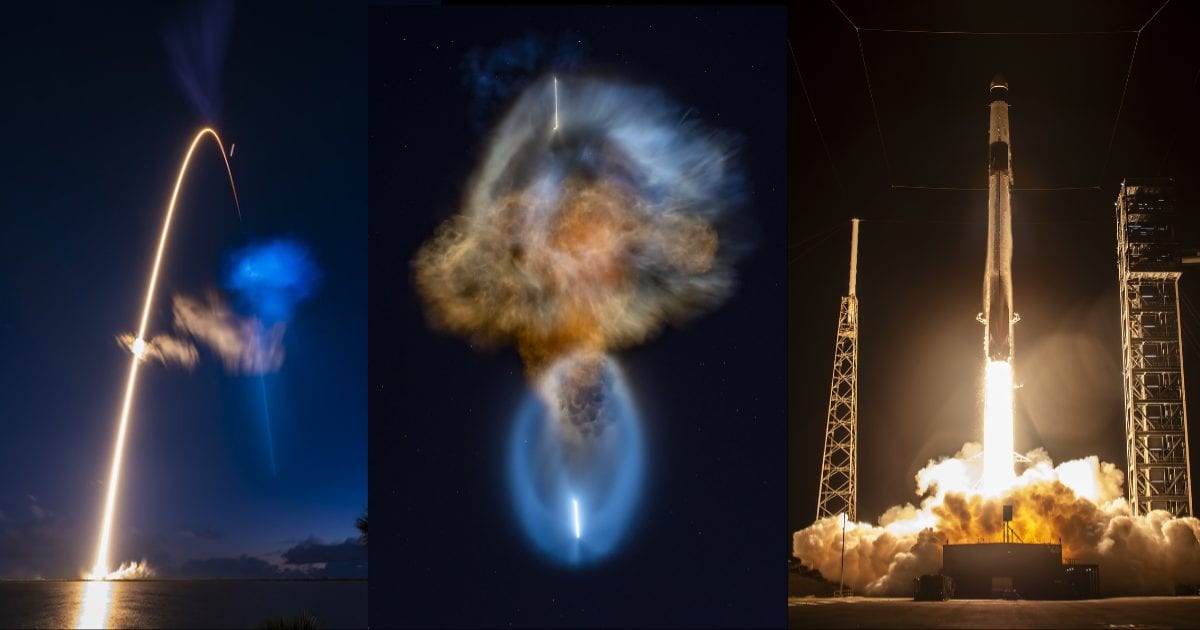
With our current satellites operating past their prime, NOAA will be launching a new satellite to keep an eye on the sun and monitor space weather. Space Weather Follow On - Lagrange 1 (SWFO-L1) will launch on September 24, 2025, at 7:30 am EDT, to relay real-time measurements of the solar wind and coronal ejections affecting the Earth's atmosphere and the satellites in its orbit. SWFO-L1 will be responsible for observing the sun and near-Earth environment for space weather activity, according to NOAA. The instruments onboard will help deliver earlier warnings for events threatening the solar climate, complete with a special solar telescope to monitor the sun's activity.
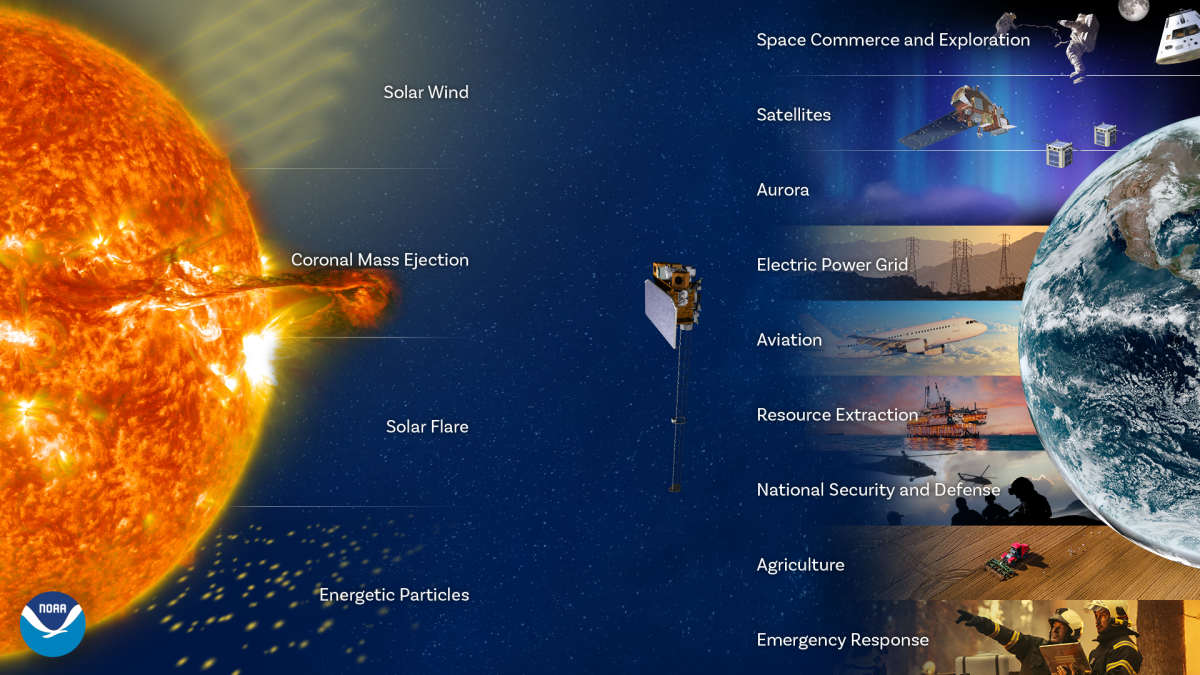
The satellite, operating nonstop daily, will provide scientists with "critical lead time" to plan for any incoming disasters. SWFO-L1 will be launching from NASA’s Kennedy Space Center after undergoing final testing and preparations. The mission is predicted to reach Lagrange Point 1, around 1 million miles from Earth, in January 2026. It will move on from its development and launch phase to the operational phase by March 2026, mounting a real-time observatory for Earth-based scientists.
At Lagrange point 1, SWFO-L1 will continuously monitor solar wind disturbances and keep a track of Coronal Mass Ejections (CMEs) before reaching Earth. This makes the observatory an early warning beacon for potentially disruptive space weather events, giving about a 15-minute to 1-hour headstart on such events, so those in the impact zone can seek emergency recourse. "It's extremely urgent. These satellites, ACE, SOHO, DSCOVR, are all working beyond their design life," said Richard Ullman, deputy director, NOAA Office of Space Weather Observations, as per Space.com. For example, NASA's ACE spacecraft has been operating for nearly 30 years, far beyond its intended five-year lifespan. "The need is urgent, and we must replace this capability now," he Ullman added.
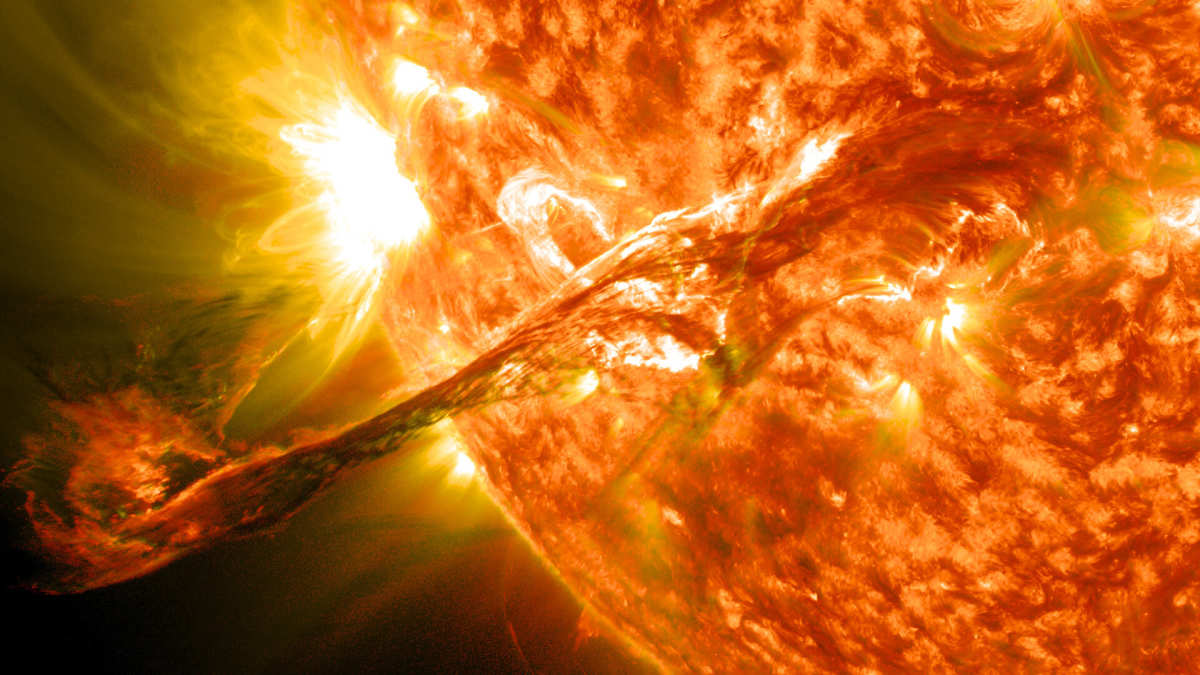
Solar storms are capable of more than creating beautiful auroras, as their interactions with Earth’s magnetic field have some far-reaching consequences. These charged particles from the Sun, drifting across space, can disturb GPS signals, threaten astronauts, damage satellites, and, if powerful enough, destroy power grids on the ground. "These warnings are the first line of defense against the potentially devastating effects of space weather," stated Irene Parker, performing the duties of the assistant administrator, NOAA Satellites.
SWFO-L1 is onboard the SpaceX Falcon 9 Rocket and is in final stages of preparation for the Tuesday morning launch. Learn more about SWFO-L1 at https://t.co/SMXwDNxSo1 pic.twitter.com/aaWWwWcCOo
— NOAA Space Weather Prediction Center (@NWSSWPC) September 22, 2025
The job has so far been carried out by a handful of veterans. This includes the joint NASA-NOAA DSCOVR mission, which was to take over from ACE, and went offline for a while in June due to a software anomaly. NOAA's Space Weather Prediction Center (SWPC) is relying on NASA's ACE spacecraft for solar wind data. Imagery is extracted from ESA/NASA's Solar and Heliospheric Observatory (SOHO) and NOAA's GOES-19 satellite, which has the agency’s first operational compact coronagraph.
🚀We’re getting closer to the launch of IMAP, SWFO-L1, and Carruthers!
— NASA's Kennedy Space Center (@NASAKennedy) September 15, 2025
A list of activities is now available. Media and everyone interested in NASA’s newest space weather observatory can watch the briefings and the launch broadcast.https://t.co/WcBnwqQVUN pic.twitter.com/oBKI1TwpcX
NOAA's SWFO-L1 will work with NOAA's Space Weather Prediction Center in Boulder, Colorado. Currently, it is at Astrotech Space Operations Facility in Titusville, Florida, where it's being subjected to final testing before its launch from NASA's Kennedy Space Center. At 7:30 am EDT on September 24, the world will witness our guardian ascending to space.
More on Starlust
Scientists solve 50-year-old mystery, discover solar flares 6.5 times hotter than expected
Solar Orbiter cracks one of the Sun's secret codes by tracing origins of superspeed electrons