In a breakthrough, scientists successfully predicted a solar storm just 15 hours before it struck Earth
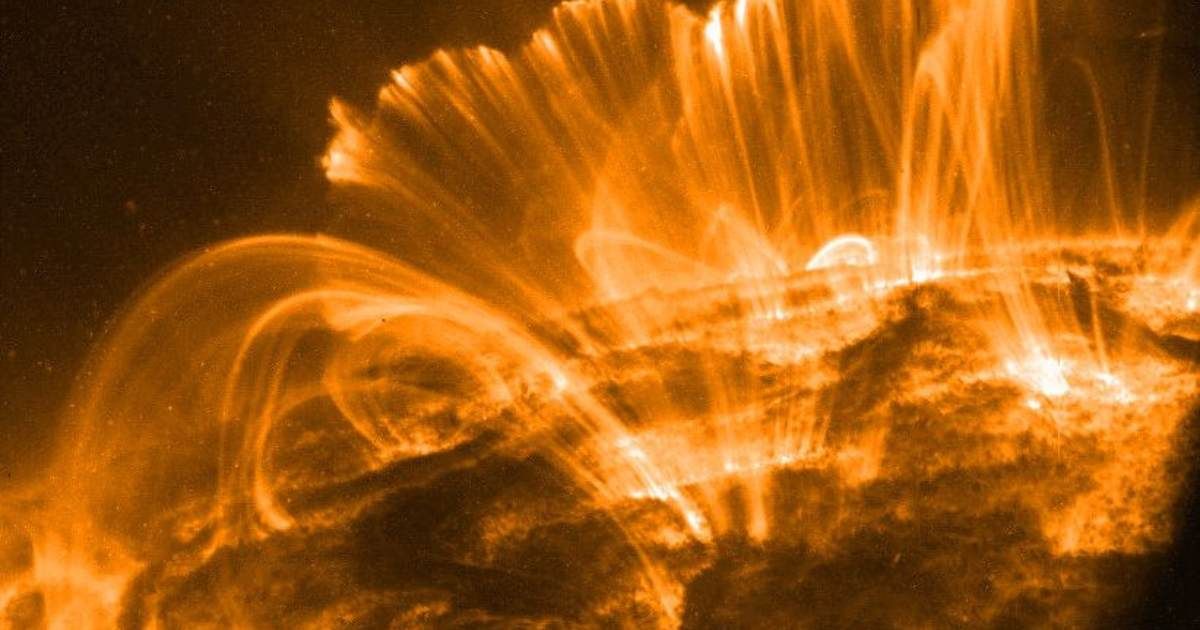
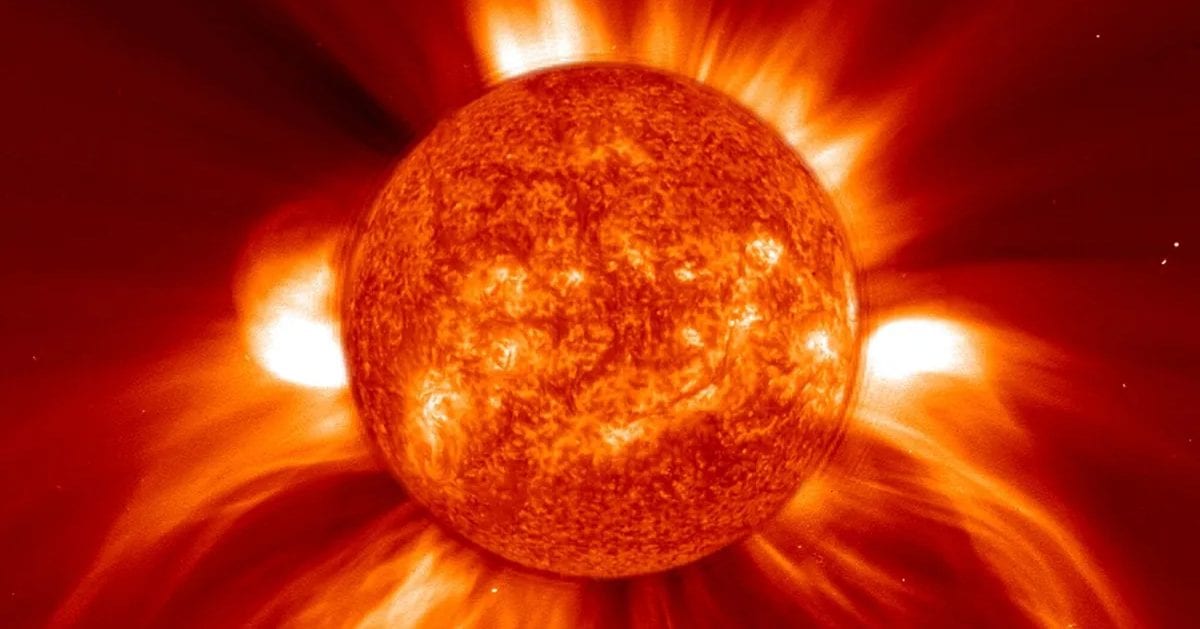
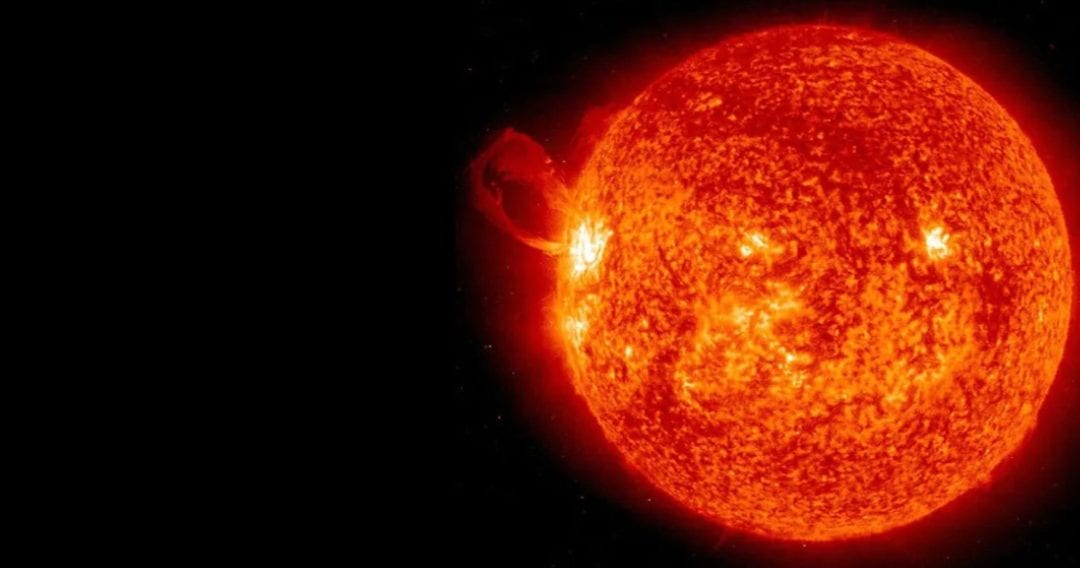
In a significant advance for space weather prediction, researchers have successfully forecasted the impact of a solar storm more than half a day before it reached Earth. This new method provides a crucial lead time far exceeding the current standard, which offers less than an hour's notice, as per the recent study published on arXiv.
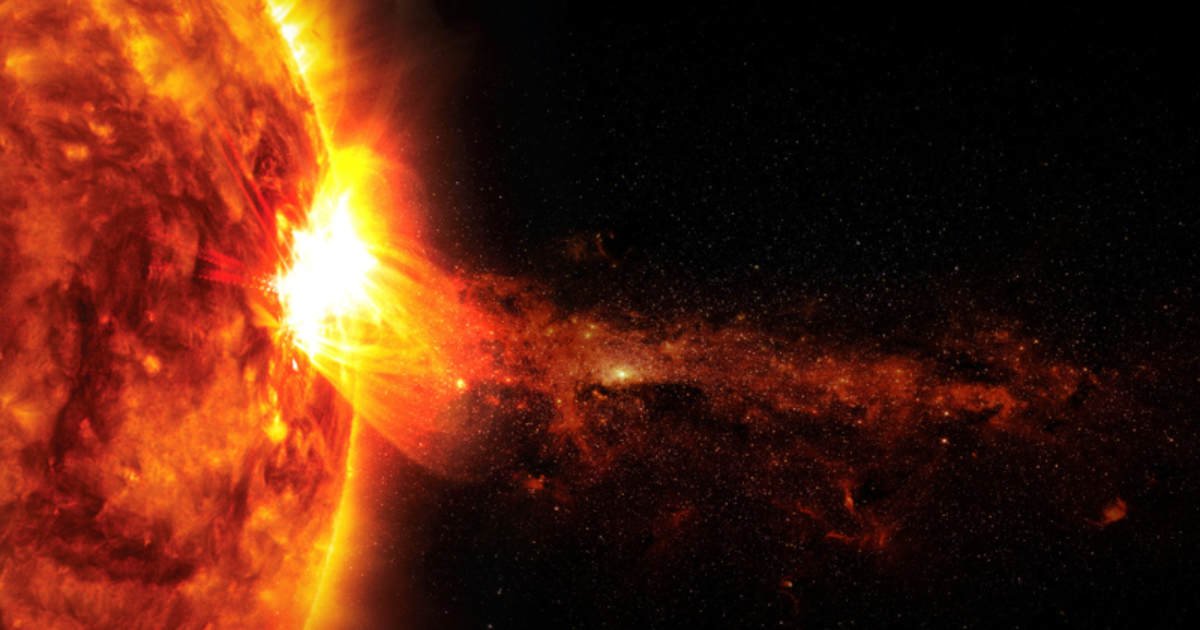
A team of scientists used data from the European Space Agency's Solar Orbiter spacecraft, positioned far upstream from Earth, to predict the magnetic structure of a coronal mass ejection (CME) in March 2024. Despite the vast distance separating the satellite from our planet, their models accurately anticipated the solar storm's characteristics. The successful prediction, made with a 15-hour lead time, represents a major leap forward from the current system, which relies on sensors much closer to Earth. While the model slightly underestimated the storm's intensity, it precisely captured the overall profile of the geomagnetic response.
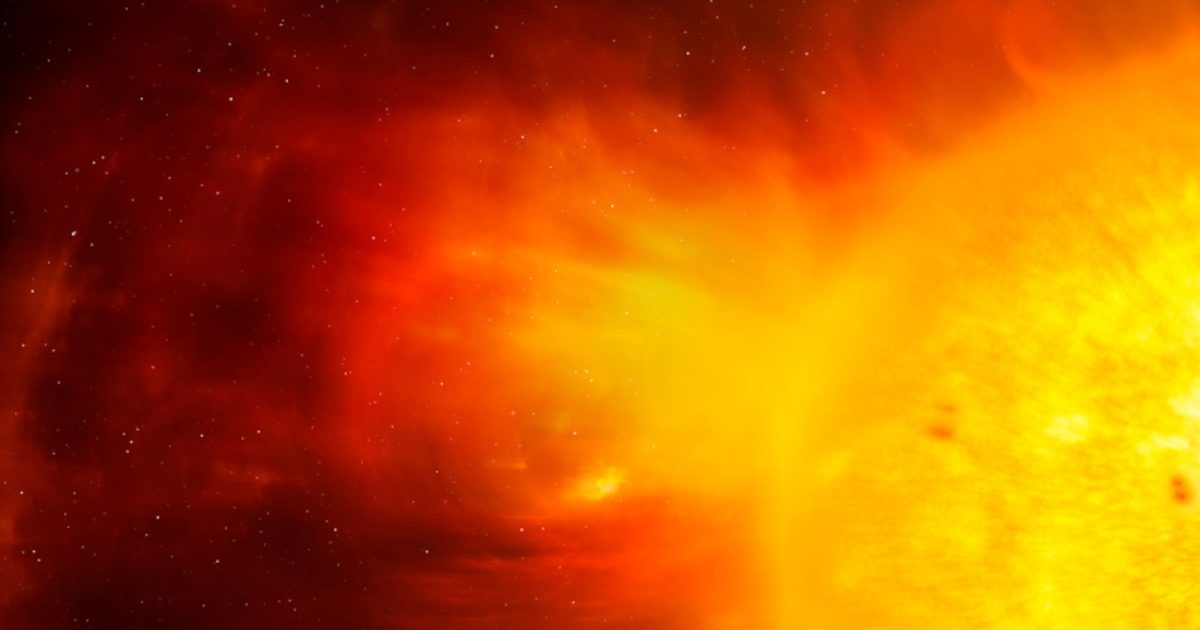
These findings demonstrate that upstream satellite data can provide highly accurate and actionable forecasts, even when the spacecraft is not directly aligned with the Sun-Earth line. The results validate the potential of future missions designed to monitor solar wind from a similar vantage point, promising to revolutionize our ability to prepare for potentially disruptive space weather events.
This successful forecast was made possible by the Solar Orbiter's unique position. Though its main purpose is to study the Sun up close, the spacecraft was perfectly aligned with a CME headed for Earth on August 1, 2023, as per Daily Galaxy. This allowed researchers to measure the magnetic field embedded within the ejection long before it arrived. Traditional forecasts typically rely on observing a CME's speed and direction after it leaves the Sun, but this provides only a limited picture. Crucially, the magnetic structure of a storm, which determines its potential for damage, has historically been much harder to predict in time.
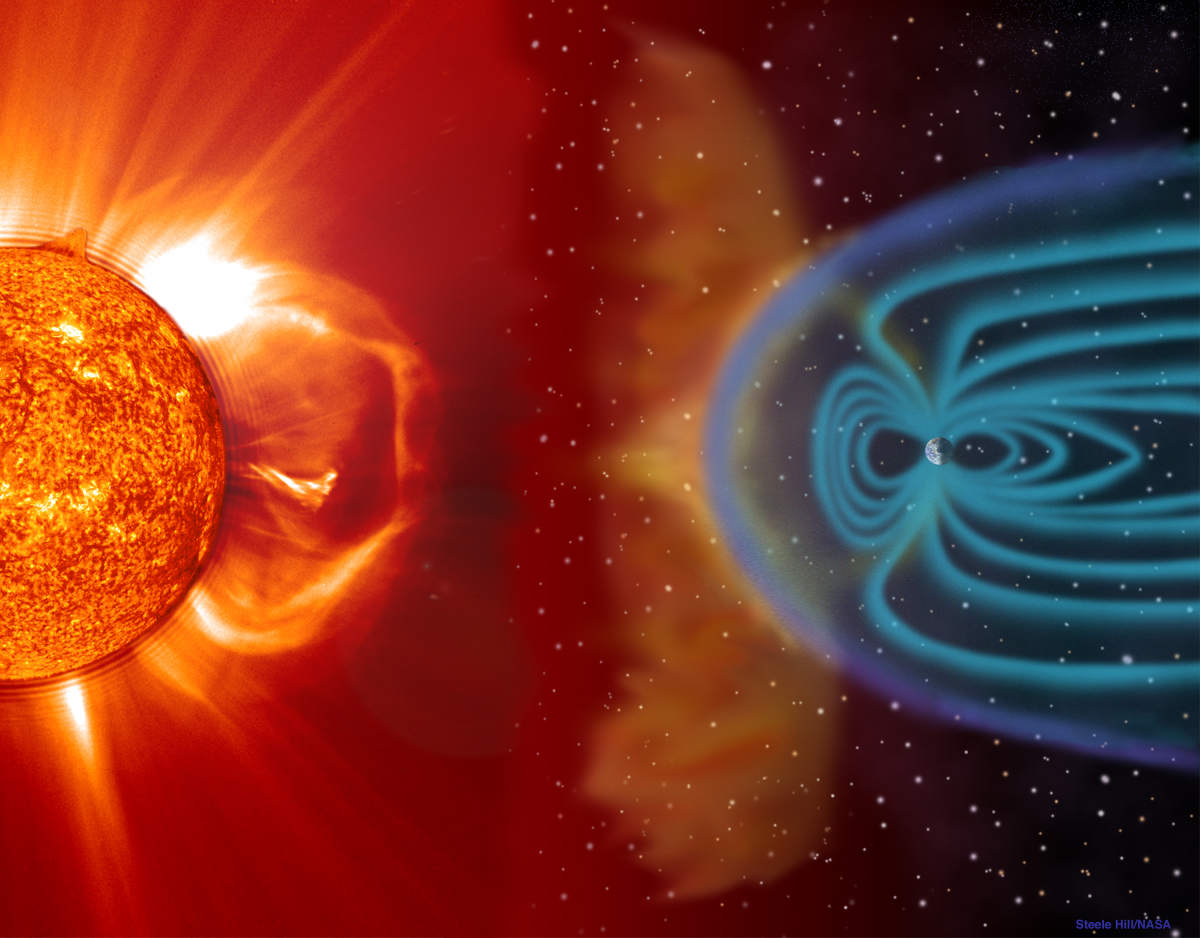
The Solar Orbiter's real-time magnetic readings allowed scientists to bypass this limitation and accurately assess the storm's threat level. This unprecedented 15-hour warning window offers critical time to protect infrastructure, from putting satellites into safe mode to adjusting power grid operations on Earth. Gaining a longer warning for solar storms could give us enough time to protect critical infrastructure like power grids and satellites, preventing widespread damage and major disruptions to our daily lives.
With solar activity intensifying and expected to peak in the next couple of years, the need for accurate space weather forecasting is more urgent than ever. Space agencies are now exploring the possibility of a dedicated fleet of satellites in similar strategic positions. Such a system could give Earth a much stronger defense against solar-induced disruptions, protecting crucial systems for navigation, aviation, and financial infrastructure. This single, successful forecast shows what's possible when data is captured early and used effectively, paving the way for a new era of proactive space weather defense.
More on Starlust
Next solar superstorm could hit Earth harder than ever, scientists explain why
Highest-resolution images of solar flare and coronal loops captured by Inouye Solar Telescope
New findings suggest solar storms are taking a toll on Starlink, and SpaceX is racing to keep up