Newly discovered comet C/2026 A1 (MAPS) raises the question: Could it be visible in daylight?
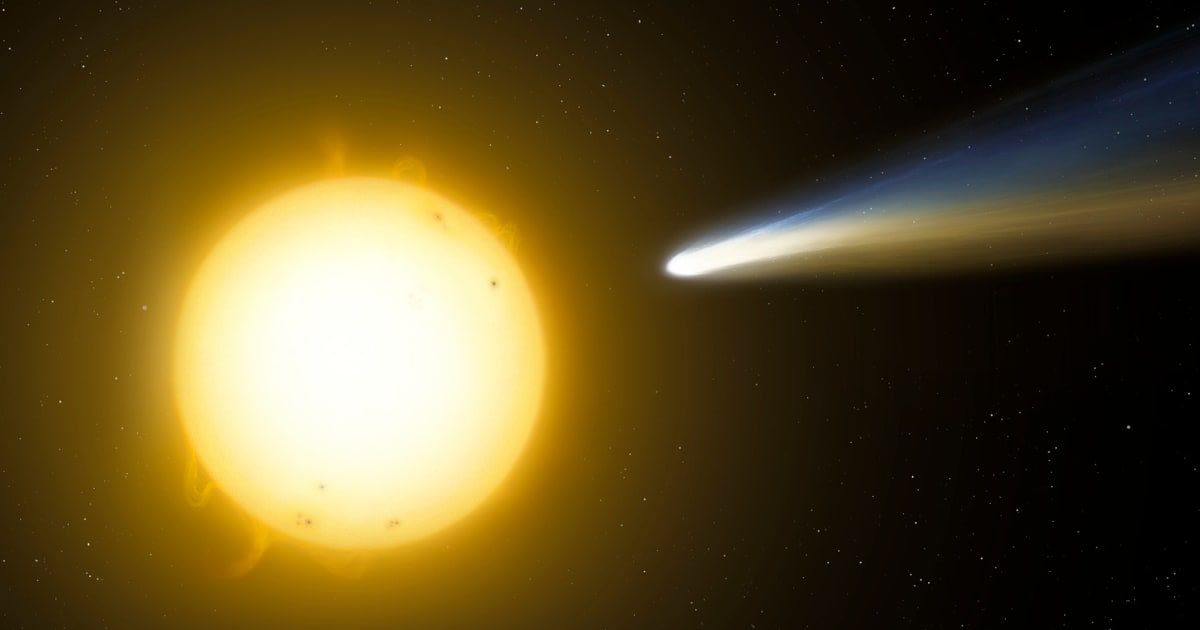
Four amateur astronomers have discovered a comet, which they have cataloged as C/2026 A1 (MAPS). The acronym "MAPS" comes from the initials of the surnames of the four astronomers who led the discovery: Alain Maury, Georges Attard, Daniel Parrott, and Florian Signoret. They spotted the comet using a remotely operated telescope in the Atacama Desert on January 13 this year. It is moving on an extreme, highly elongated orbit around the Sun and will reach its closest position to this star by early April. If it survives this closest flyby, it could become a spectacular sight in the evening sky. It might even be possible to view the comet during the day as it drifts toward the Sun.
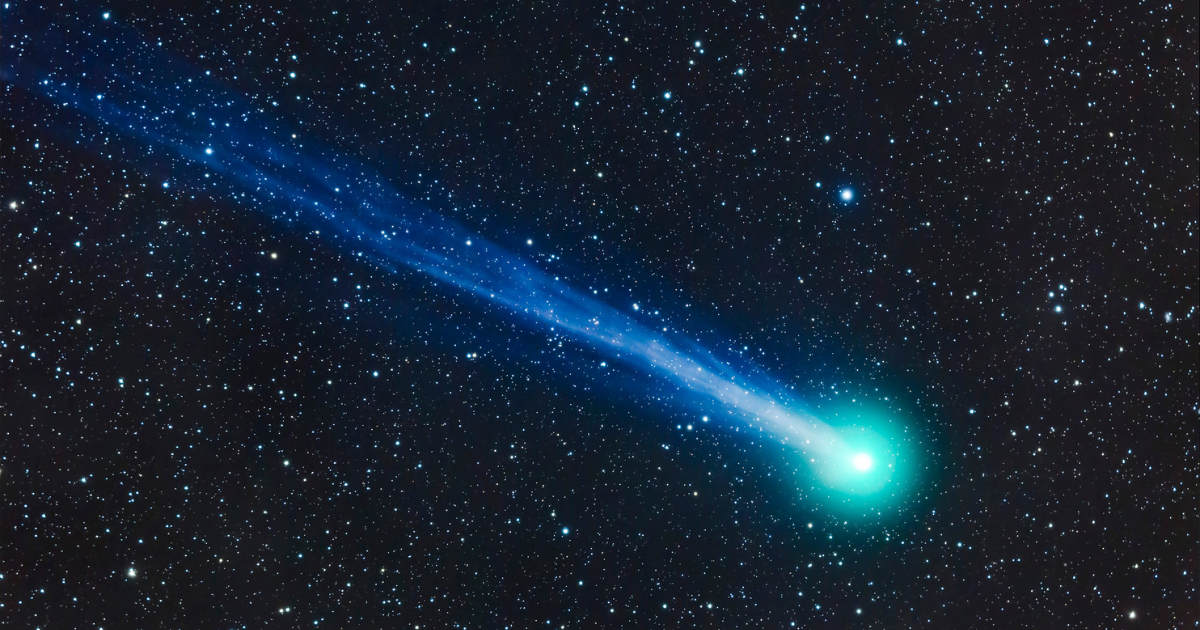
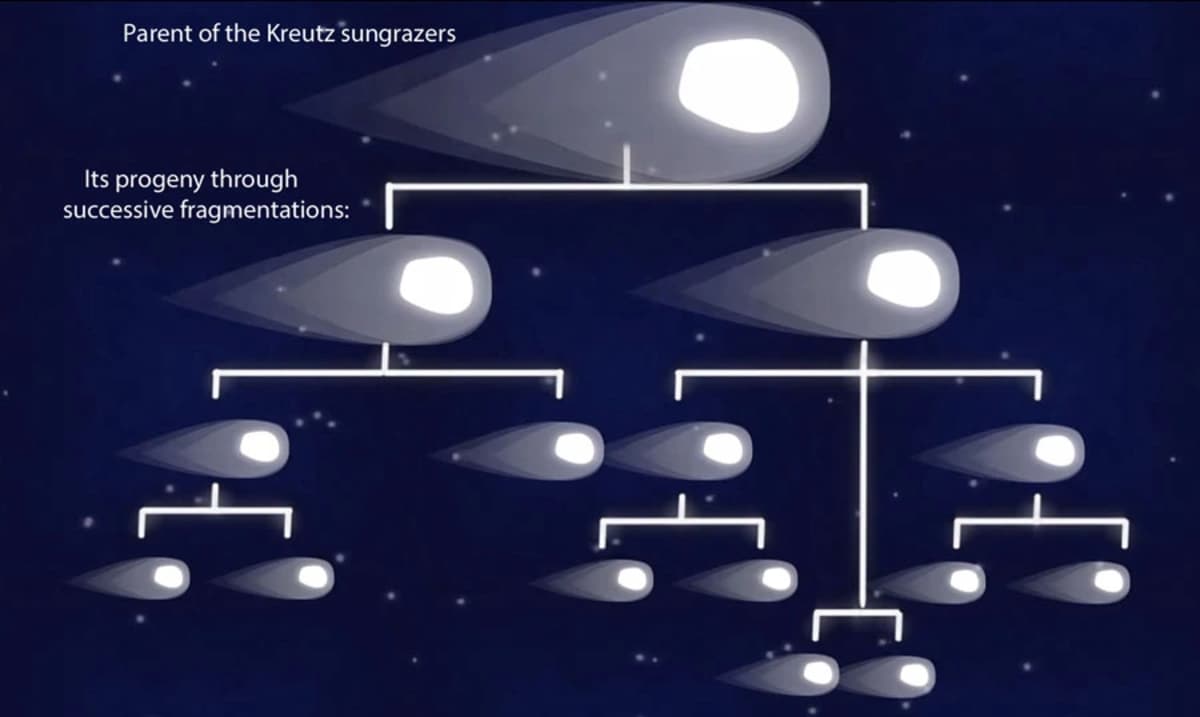
The new comet was first spotted when it was around 191 million miles from the Sun, shining in the constellation of Columba the Dove at a magnitude of +17.8, meaning it was exceedingly faint, per a report in Space.com. It is a member of the Kreutz sungrazing family, which contains a vast number of small comets that fall apart as they approach the Sun. NASA’s Solar and Heliospheric Observatory has spotted thousands of Kreutz fragments over the years. These are tiny icebergs just meters or tens of meters across. Larger fragments drift by more rarely. The last Kreutz sungrazer showed up in 2011 and perished after its closest approach to the Sun.
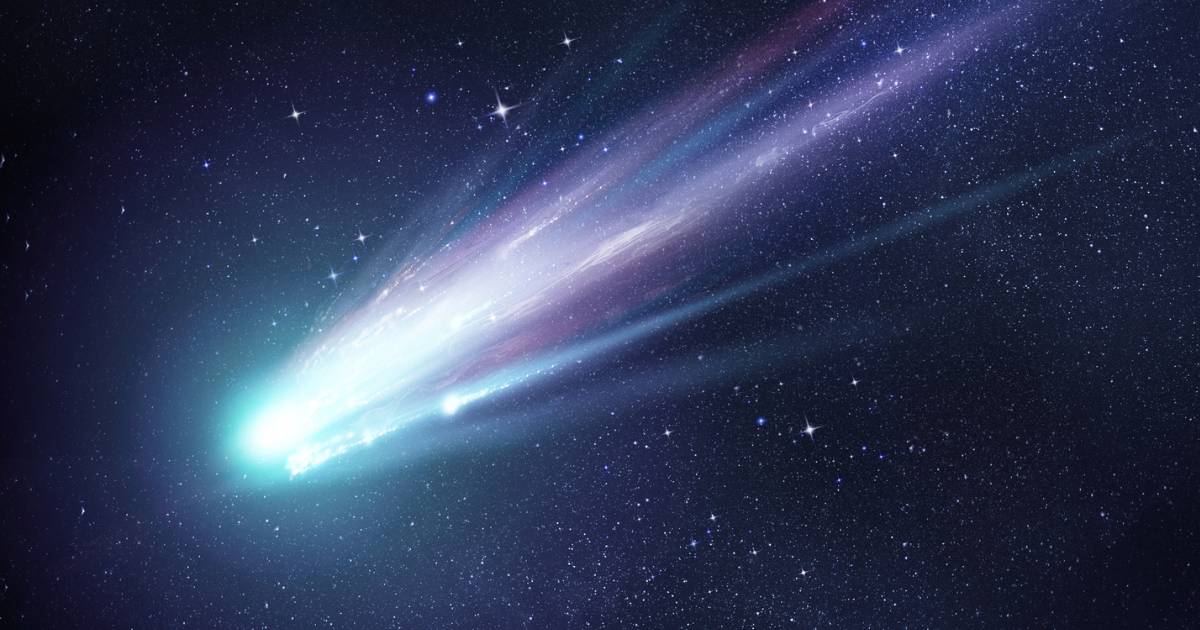
The discovery of MAPS at 191 miles from the Sun was a record. No inbound Kreutz comet has ever been discovered so far from the Sun, with such a long lead time—11.5 weeks—before perihelion (closest point to the Sun), which it will reach on April 4, 2026. The previous record was held by the brilliant comet C/1965 S1 (Ikeya–Seki) at only 33 days before perihelion.
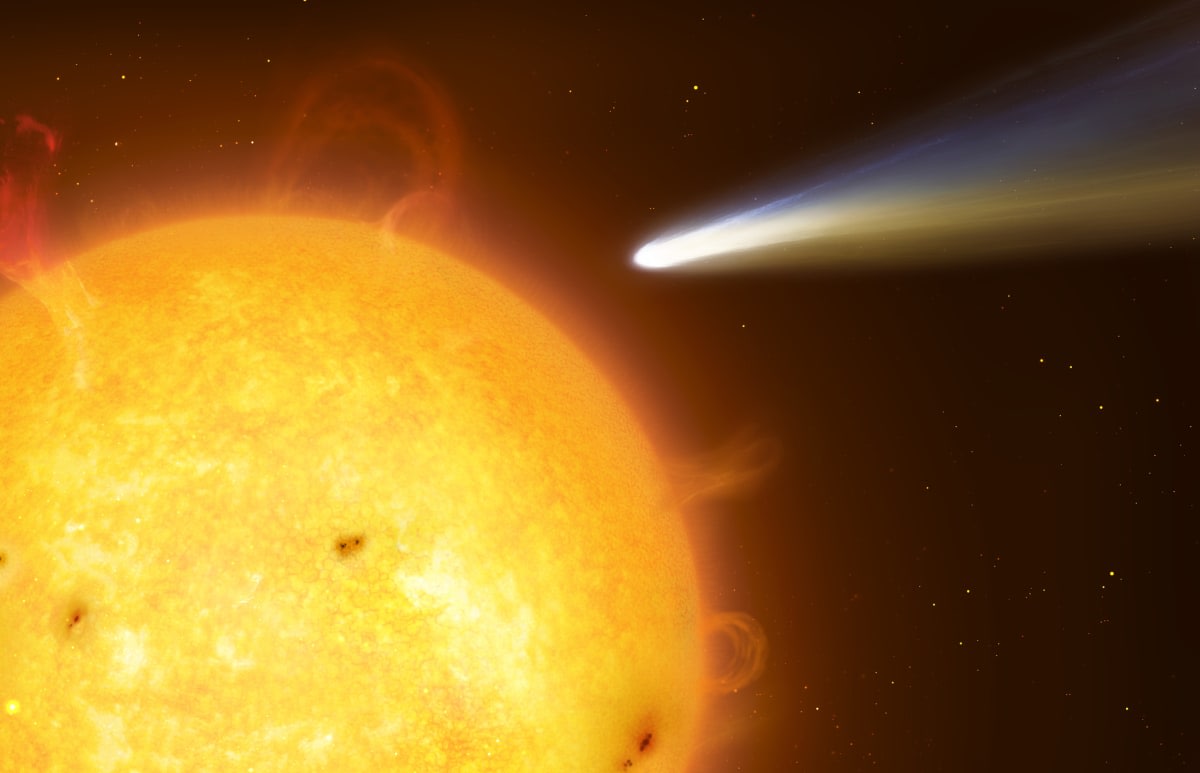
At perihelion, the comet will be passing within a mere 99,600 miles from the Sun. Such a close flyby could be a catastrophic one for the comet since it will be exposed to temperatures of thousands of degrees Fahrenheit. To survive, the comet will need to travel at speeds measuring over 2 million miles per hour. Even at such extreme velocities, in fact, the comet might end up being completely vaporized or torn apart by massive tidal forces if it's not very large, perhaps leaving only a tail in its wake.
Astronomer Daniel Green at the Central Bureau for Astronomical Telegrams believes Comet MAPS will suffer a similar fate, noting on Circular 5658: "The faint absolute magnitude of C/2026 A1 (MAPS) does not bode well for the comet's survival past perihelion." However, by early March, comet hunters should have a much better idea about how it will perform. If it survives the heat of the Sun, it will grace our evening sky by the second week of April, low in the west after the Sun sets.
More on Starlust
Comet C/2025 R3 (PanSTARRS) may become the brightest comet of 2026
NASA’s SPHEREx images 3I/ATLAS again, detects organic molecules in the interstellar comet