Comet C/2025 R3 (PanSTARRS) may become the brightest comet of 2026

By late April 2026, comet C/2025 R3 (PanSTARRS) will enter the inner solar system, nudged by the gravity of Jupiter or a passing star, according to a report by Space.com. It is a long-period comet and has originated in Oort cloud, a spherical shell far beyond the edge of the solar system, per Live Science. Currently located around 216 million miles from Earth, it is around halfway between the orbits of Jupiter and Mars. By lashing its tail of gas and dust, it is likely to take more than 1000 years to orbit the Sun. The comet was discovered on September 8, 2025, with the Pan-STARRS 2 telescope, a pair of 1.8-meter (5.9 feet) reflector telescopes perched atop Haleakalā volcano in Hawaii, by a team of astronomers at the University of Hawaii. After closely observing it on September 17, 2025, with the 3.6-meter (11.8 feet) Canada-France-Hawaii Telescope at Mauna Kea, Hawaii, the researchers calculated the comet's path.
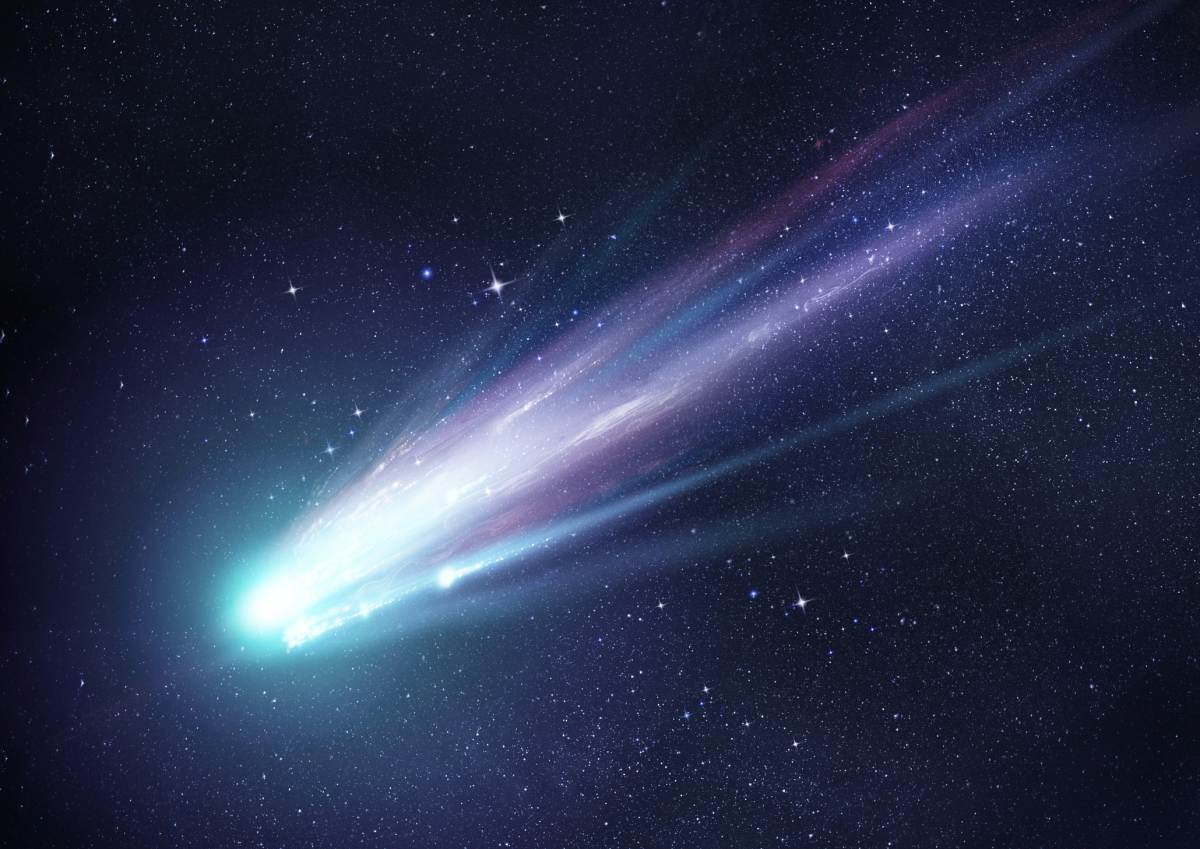
As it moves between Earth and the Sun, its tail will reflect and scatter a lot of sunlight in the direction of Earth. This phenomenon, called forward scattering, will increase the brightness of the comet, making it an easy-to-see object at night. By late April, as the comet gets closer to the Sun, it becomes clearer in the predawn sky, making it easily visible for sky watchers and astronomers in the Northern Hemisphere. But, comet hunters from the Southern Hemisphere see it clearly after sunset in May. Moonlight can be a disruptive factor for viewing any bright objects, such as a comet in the night sky. But darkness will linger close to the comet’s perihelion, its closest position to the Sun. On April 27, when the comet reaches the closest point to Earth, the sun’s glare can make it invisible.
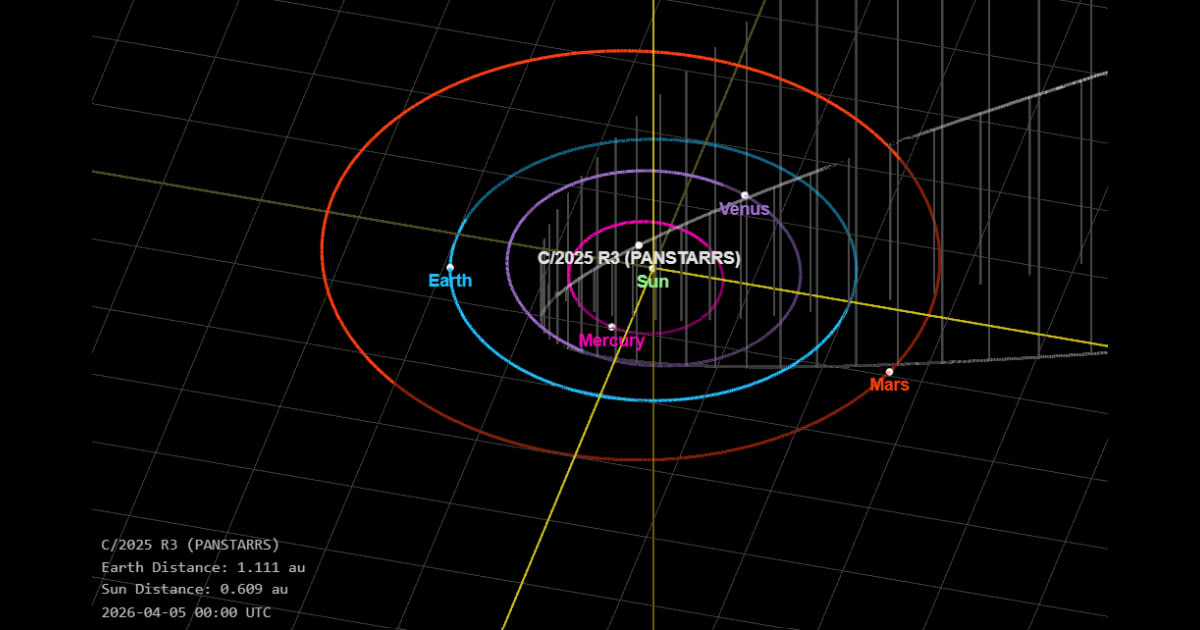
Experts think it can be seen by peering through binoculars. If luck favors, one can even catch a glimpse of it with the naked eye. It has been predicted to be the brightest comet of 2026. But nobody knows how bright it would be. However, speculations pour out. Some predict that its brightness could reach a magnitude of 8 that is as bright as Neptune. Such brightness is too faint to be seen with the naked eye. One can still spot it with binoculars or a small telescope. It could attain a brightness of 2.5, which is equivalent to the brightest stars in the Cassiopeia, the W-shaped constellation. With such brightness, the comet can be viewed with the naked eye in a dark sky.
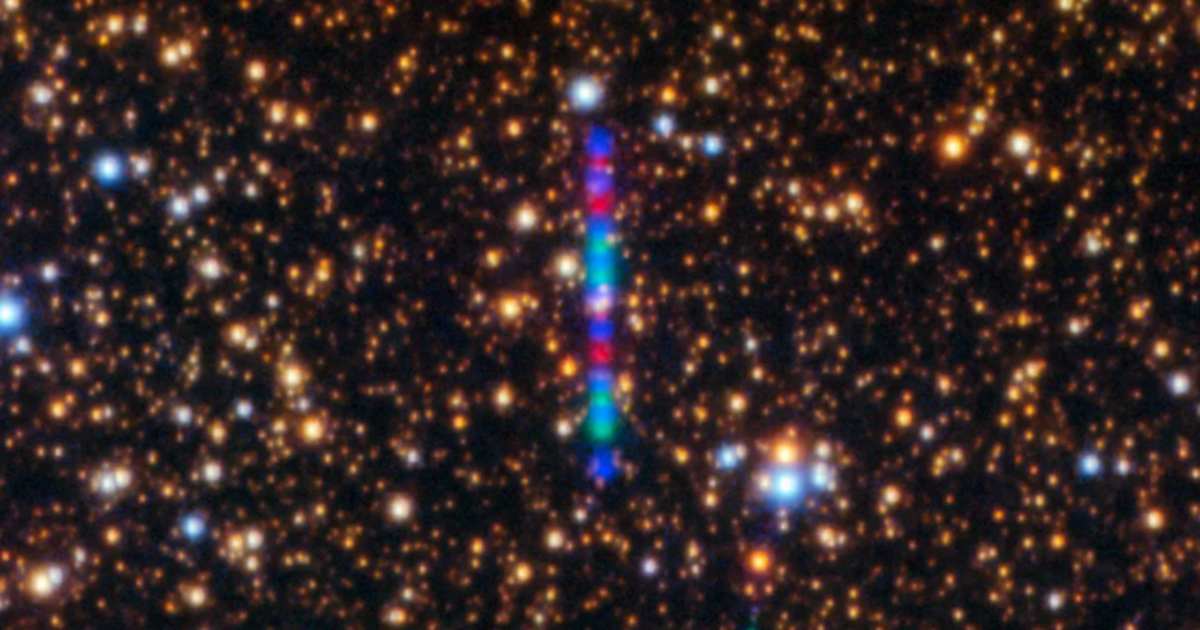
After a few years of lull, six comets visited the inner solar system in 2024 and 2025. First to draw attention was the ‘Devil Comet’ 12P/Pons-Brooks in October 2024 and then came comet C/2023 A3 in October 2024. The year 2025 saw the spectacular arrival of C/2024 G3 Atlas, which captivated viewers in the Southern Hemisphere. But, 3I/ATLAS, the third interstellar object ever to invade the solar system after Oumuamua in 2017 and 2I/Borisav in 2019, stole the show when it came closest to the Sun on October 29, 2025. Can the comet C/2025 R3 (PanSTARRS) outshine its predecessors? Let’s keep our fingers crossed till it shows up by late April this year.