NASA’s SPHEREx images 3I/ATLAS again, detects organic molecules in the interstellar comet
![Hubble Space Telescope reobserved 3I/ATLAS on November 30, with its Wide Field Camera 3 instrument. [Representative Cover Image Source: NASA, ESA, STScI, D. Jewitt (UCLA), M.-T. Hui (Shanghai Astronomical Observatory]](https://d3hedi16gruj5j.cloudfront.net/790190/uploads/ea958fb0-0277-11f1-8e13-95591e4e6b62_1200_630.jpeg)
In December 2025, NASA’s SPHEREx mission took a fresh look at the interstellar comet 3I/ATLAS by turning on its infrared devices. This is the third such object passing through our solar system. Analysis of its images revealed the presence of organic molecules such as methanol, cyanide, and methane in it, adding to the growing body of information about this comet. The NASA-funded ATLAS (Asteroid Terrestrial-impact Last Alert System) survey telescope in Rio Hurtado, Chile, discovered the comet and reported it to the Minor Planet Center on July 1, 2025.
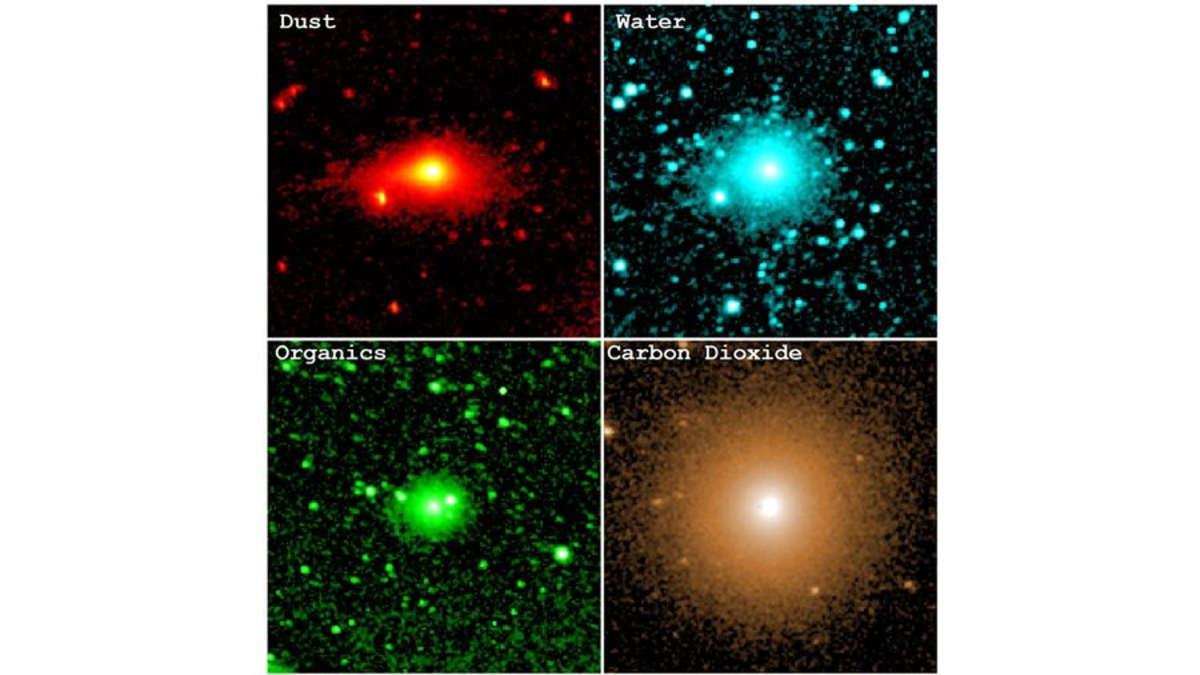
3I/ATLAS came closest to the Sun on October 30, 2025. Nearly two months after that, the comet showed a dramatic increase in brightness, which was caused by the release of water, carbon dioxide, and carbon monoxide into space, the researchers write in a paper published in Research Notes of the AAS. As a comet enters the solar system and comes closer to the Sun, its frozen surface heats up and sublimates, converting ice to gas without passing through a liquid phase. Such gas then escapes into space to form an atmosphere around the comet’s nucleus, known as the coma. “Comet 3I/ATLAS was full-on erupting into space in December 2025, after its close flyby of the Sun, causing it to significantly brighten. Even water ice was quickly sublimating into gas in interplanetary space,” said study lead Carey Lisse of Johns Hopkins Applied Physics Laboratory in Laurel, Maryland, in a statement by NASA.
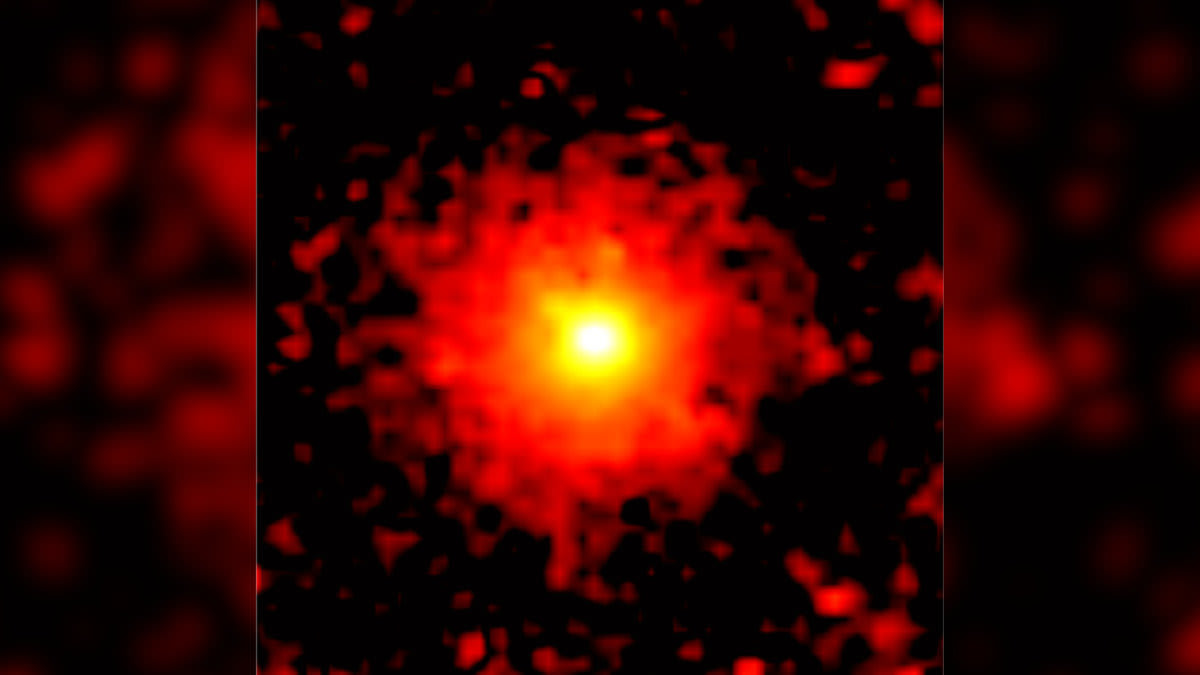
“And since comets consist of about one-third bulk water ice, it was releasing an abundance of new, carbon-rich material that had remained locked in ice deep below the surface. We are now seeing the usual range of early solar system materials, including organic molecules, soot, and rock dust that are typically emitted by a comet,” Lisse added. At its closest position to the Sun, the comet experiences peak heating. But this doesn’t trigger peak sublimation immediately, as the Sun’s heat takes time to penetrate through the outer layers of the comet. So, ice deep beneath the surface begins to sublimate long after its close flyby. This has exactly happened to the comet 3I/ATLAS. IN August 2025, SPHEREx was able to capture images of a coma that was rich in carbon dioxide but has little carbon monoxide and some water.
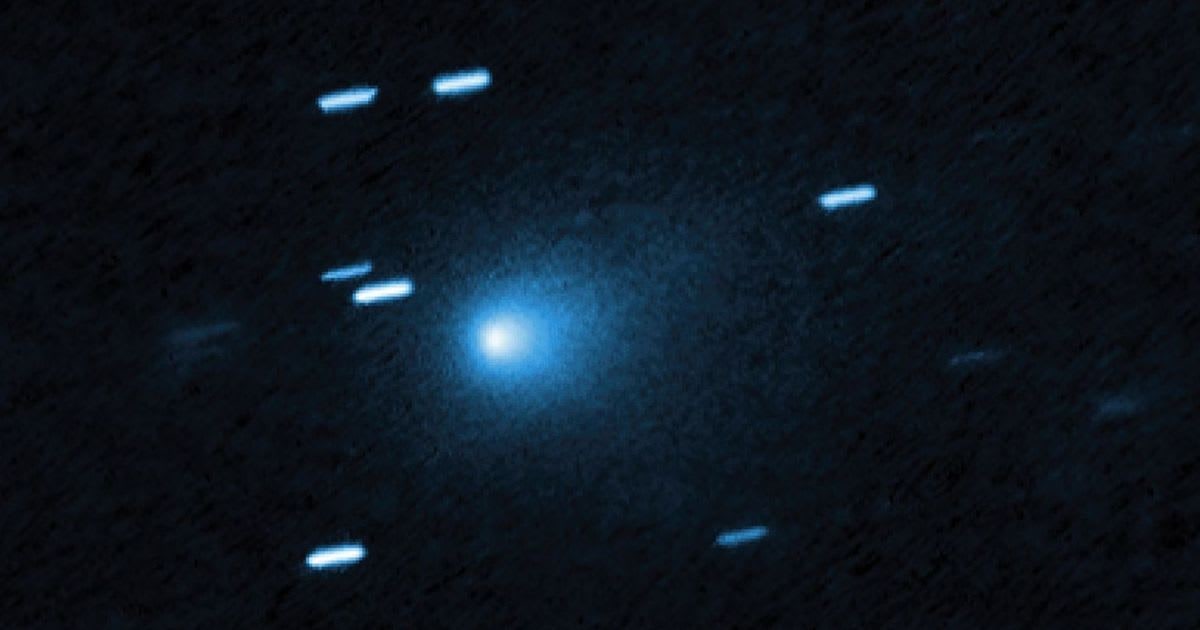
In contrast, the December observations detect far more active coma fed by subsurface water ice mixed with other ices, organics, and rocky material. As its activity increases, it ejects rocky materials that include dust grains. The comet has a small, pear-shaped dust tail that only forms when the Sun’s radiation pressure sweeps through an active comet. But the grains are too heavy to be pushed far from the comet’s nucleus by this radiation pressure. Experts believe that the comet’s structure and chemical composition have been shaped during its passage through outer space. “The comet has spent ages traversing interstellar space, being bombarded by highly energetic cosmic rays, and has likely formed a crust that’s been processed by that radiation,” said Phil Kornguth, the mission’s instrument scientist at Caltech in Pasadena, California. “But now that the Sun’s energy has had time to penetrate deep into the comet, the pristine ices below the surface are warming up and erupting, releasing a cocktail of chemicals that haven’t been exposed to space for billions of years.”
More on Starlust
Sensitive radio observations looked for technosignatures on 3I/ATLAS and found silence
Interstellar comet 3I/ATLAS tracked again by NASA’s exoplanet hunter TESS