Ancient Chinese text about a comet may have solved the mystery of 'The Star of Bethlehem'

For a long time, the amazing story of a heavenly body leading the Magi to the place where Jesus Christ was born has puzzled historians. Now, a new scientific study suggests that the legendary "Star of Bethlehem" that appeared above the birthplace of Christ more than 2,000 years ago might not have been a star but rather a brightly shining comet that was described in an ancient Chinese text.

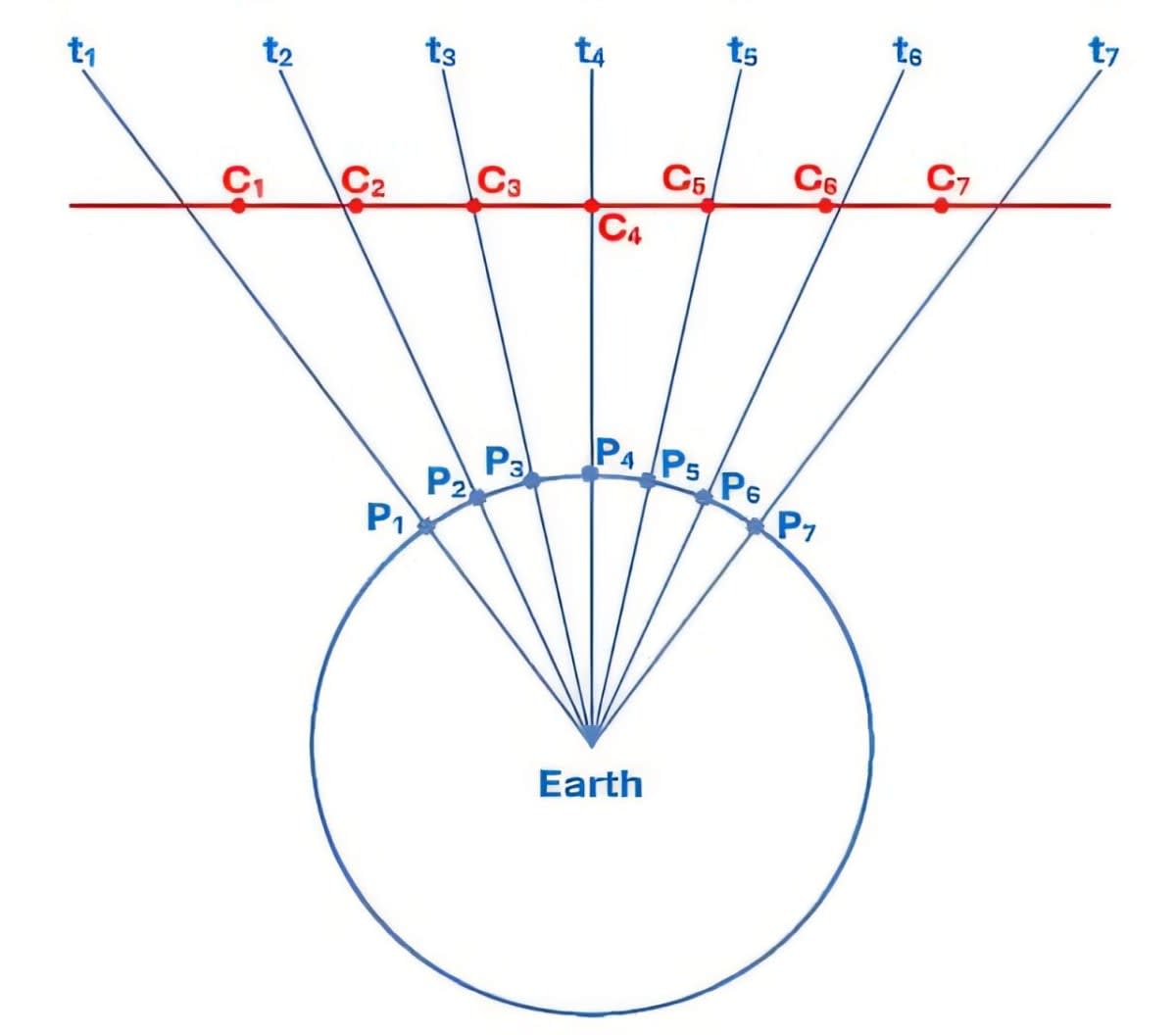
The rotation of the Earth causes stars and planets to appear to move across the sky in an east-to-west direction. However, according to the Gospel of Matthew, there was a light that "stood over" the birthplace of Jesus. A study recently published in the Journal of the British Astronomical Association claims that this seemingly impossible situation can now be backed up by physics.
The breakthrough was made when the researchers checked the Han Shu, a classic text that recorded the history of the Han Dynasty in China, per Phys.org. It refers to a "broom star," an ancient term for a comet, which was visible in the sky during the spring of 5 BCE. This period coincides with the time of Jesus’ birth and the reign of King Herod. The Chinese accounts say the celestial object was up for over 70 days, indicating that it might have been remarkably bright.
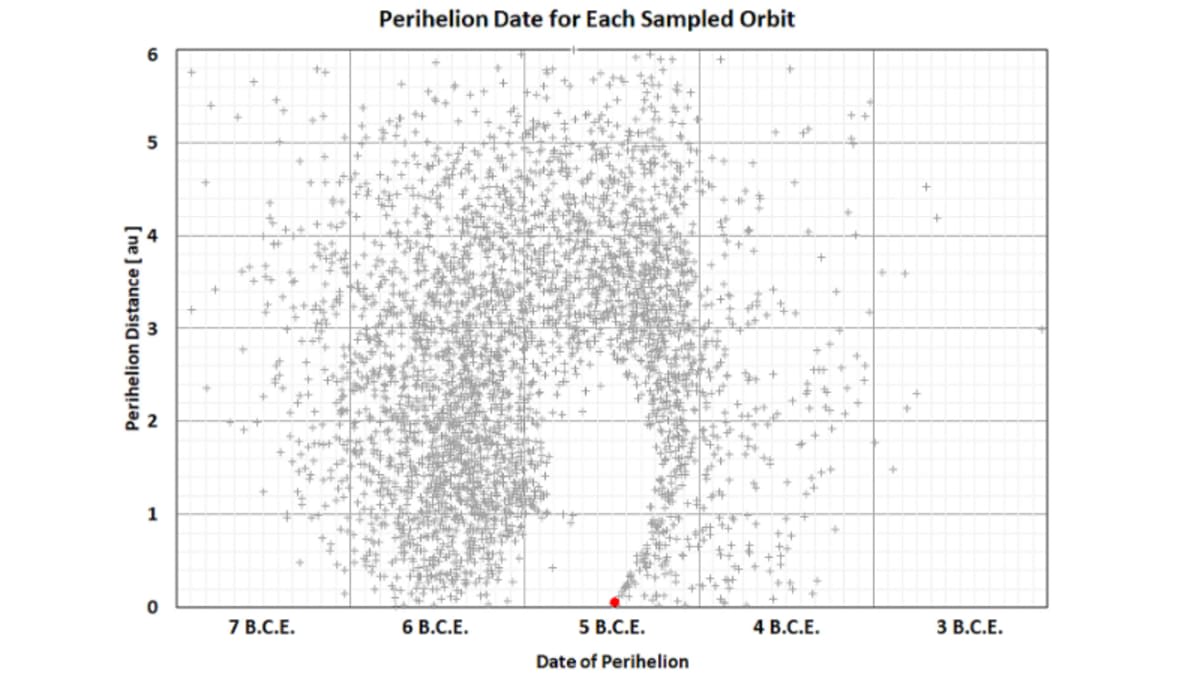
To simulate the comet’s trajectory, the study applied the method of numerical modeling. Comets, in general, are very quick, but the researchers determined that if the object had a certain speed in relation to Earth’s rotation, it could have been in a state known as "temporary geosynchronous motion," whereby it could have been observed being still in the sky for many hours. The simulations of the group indicated that this particular comet would have been located directly above Bethlehem for around two hours in June of 5 BCE.
For a long time, skeptics have insisted that ancient people considered comets as harbingers of doom or death rather than good news like a king's birth. Nevertheless, the authors of the study pointed out that in Mesopotamian and Greco-Roman writings, interpretations of comets were multifaceted. That is why some ancient texts were found to associate the emergence of comets with important royal changes and good events. The Magi were probably experts in astrology, and thus, the research team thinks they might have seen this particular heavenly event as God's signal for them to go to Judea.
Although there is no conclusive evidence that the Chinese "broom star" and the Star of Bethlehem were the same celestial body, the authors of the paper think their study has proven that an object like that could exist and explain the event. The researchers expressed, "This study shows that it is no longer justifiable to claim that 'no astronomical event' could possibly have behaved in the manner described by Matthew."
More on Starlust
Ancient texts suggest Arab scholars referenced supernovae way back in 1006 and 1181 AD
Astronomers predict star system V Sagittae will explode so bright humans can see it in the daytime