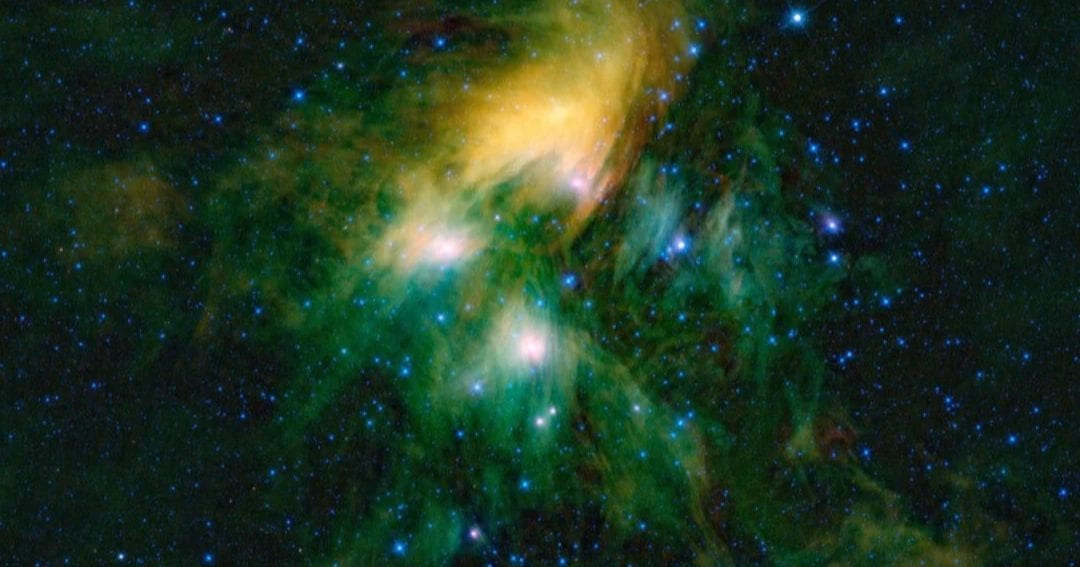
Comet Lemmon (C/2025 A6) is easily visible in the evening sky this week—here's how to locate it
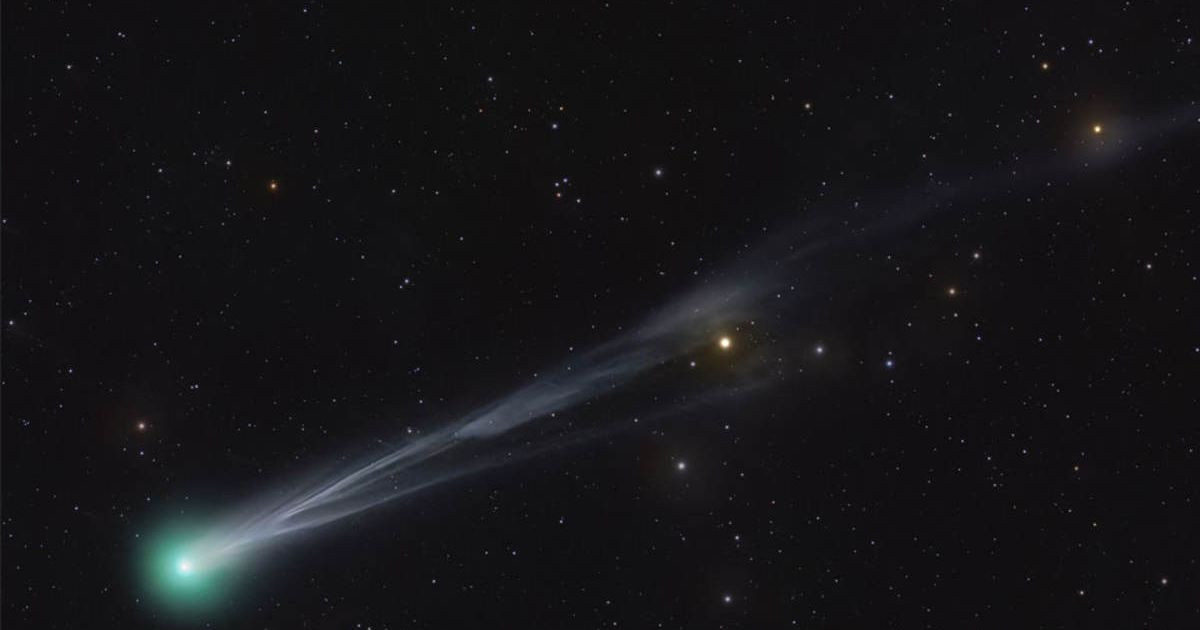
A celestial visitor, Comet C/2025 A6 (Lemmon), is making a close pass to Earth, offering sky-watchers a prime opportunity to view the icy traveler. As of today, the comet is approximately 130 million kilometers away, a light-travel time of just over seven minutes, as per The Sky Live.
While the comet is currently positioned for a close approach, slated to pass within 89.2 million kilometers (0.596 Astronomical Units) of Earth on October 21, 2025, its visibility window is dynamic, particularly for those in the Northern Hemisphere. According to Earth Sky, early October requires pre-dawn viewing as the comet is situated low on the horizon, near the familiar Big Dipper asterism. Stargazers will need optical aid, such as binoculars or a telescope, to spot the dim object, which is currently estimated to be around magnitude 7.

The viewing experience is expected to dramatically improve by the second half of October. The comet is predicted to climb higher in the evening sky, making observation significantly easier. By October 16, Comet Lemmon will transit near the star Cor Caroli in the constellation Canes Venatici. At this juncture, experts suggest the comet may become bright enough to be glimpsed without a telescope.
The closest and most spectacular viewing is forecast for late October and early November. While comets are notoriously unpredictable, brightness estimates for this period range between magnitude 4 and 2.5. This increased luminosity means that viewers in dark-sky locations may have an excellent chance of spotting the comet with the naked eye. As a final act, the comet will pass through the constellation Ophiuchus around Halloween and into early November.
For observers tracking Comet Lemmon's approach, the precise data for its movement and brightening during the week of October 7 is now available. According to The Sky Live, on October 7, it begins the week at Right Ascension 10h 30m 28s and Declination +41∘ 47’ 07”, with an apparent magnitude of 8.05. The following two nights show a steady path: on October 8, the comet is at 10h 41m 49s, +42∘ 00’ 46”, at magnitude 7.85; and on October 9, it reaches 10h 54m 06s, +42∘ 10’ 20”, with a magnitude of 7.65.
The latter half of the week continues this consistent trajectory and acceleration in brightness. By October 10, the comet is located at 11h 07m 23s, +42∘ 14’ 36”, and has brightened to magnitude 7.46. This trend continues on October 11, with coordinates 11h 21m 39s, +42∘ 12’ 12”, and a magnitude of 7.25. The six-day observation window concludes on October 12, where Comet Lemmon is projected to be at 11h 36m 56s Right Ascension and +42∘ 01’ 32” Declination, achieving a distinct magnitude of 7.05.
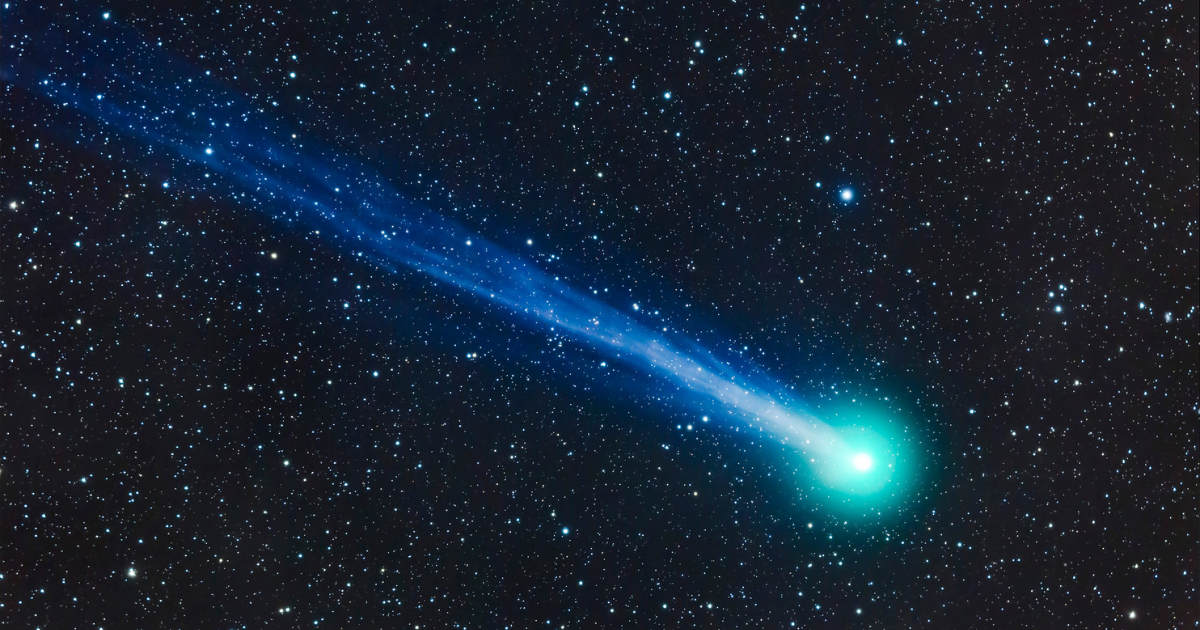
Comet Lemmon isn't the only icy visitor currently gracing our night skies. It is one of several comets visible now, including the notable interstellar comet 3I/ATLAS, per Earth Sky. This unique object is set to make its closest pass to the Sun later in October. While 3I/ATLAS has been observed brightening faster than initially predicted, it remains far too dim to be seen without optical assistance and will require a telescope for observation.
More on Starlust
Will Comet C/2025 A6 (Lemmon) be bright enough to see with the naked eye on October 21?
Here's when Comet C/2025 A6 (Lemmon) will make closest approach to Earth next month