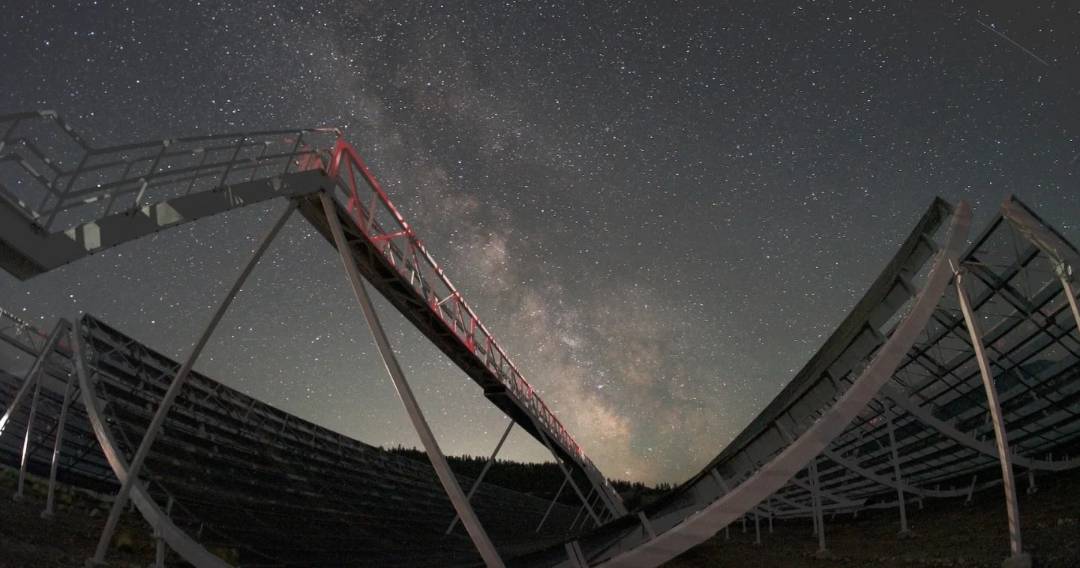
What would happen if Earth became tidally locked to the Moon?
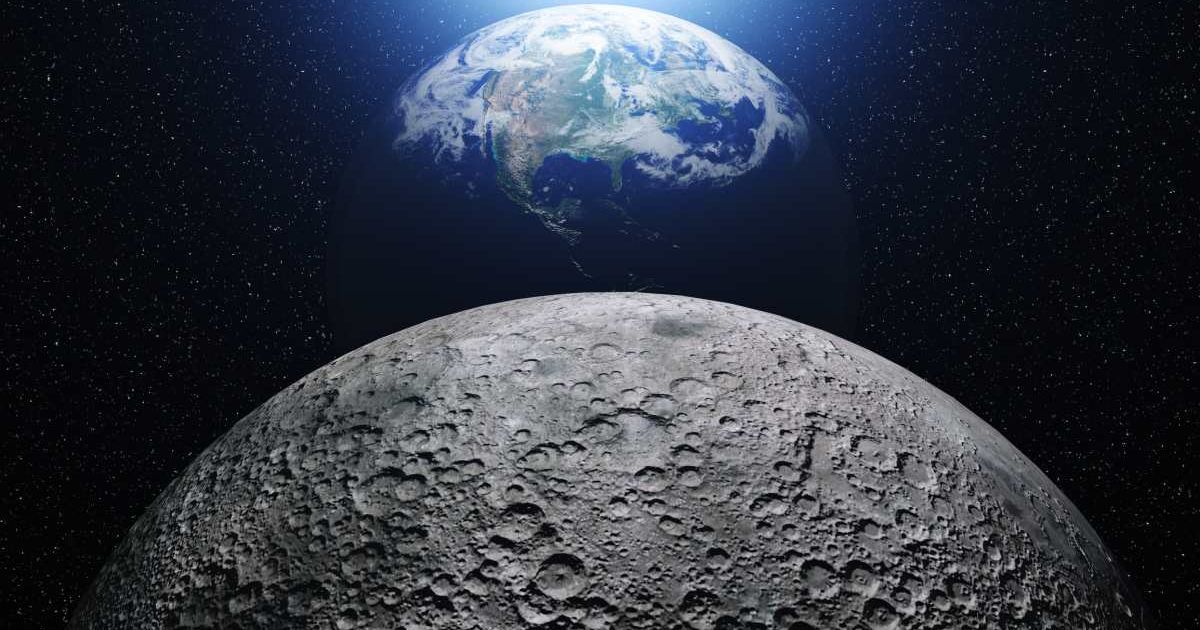
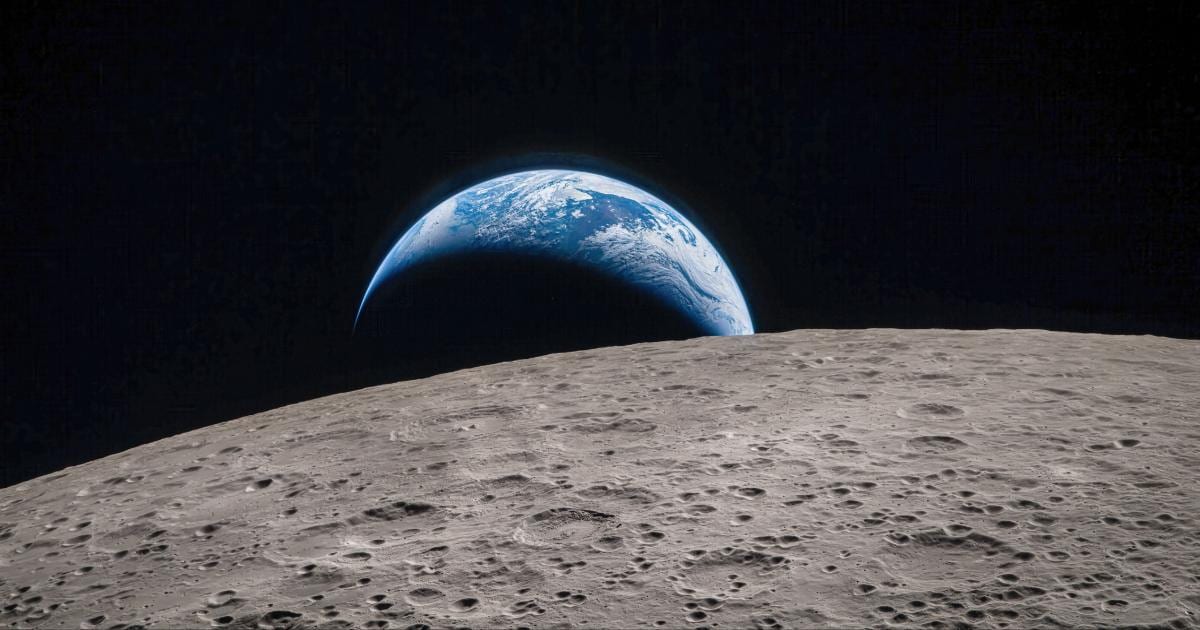
The Moon is tidally locked to the Earth in an intricate gravitational dance, a phenomenon known as tidal locking that ensures that the Moon rotates once on its axis in the same time it takes to orbit our planet. The reason the same face of the Moon is always visible is far more than a cosmic coincidence. It is a testament to powerful, yet common, forces at play throughout the universe, as per NASA.
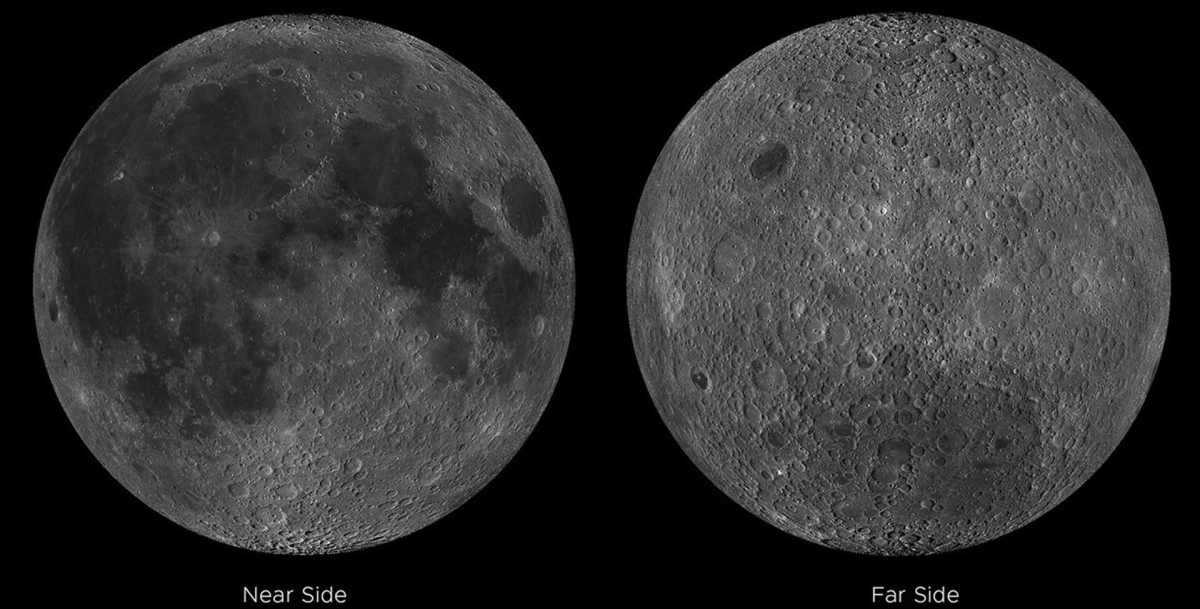
While it might seem strange that the Moon's rotation period perfectly matches its orbital period around Earth, this is the expected outcome for most large moons in our solar system and beyond. Tidal locking is a process driven by gravity, but its origins for the Moon trace back to a cataclysmic event. Scientists theorize that the Moon formed from the debris of an ancient collision between a proto-Earth and another Mars-sized object. In its early, molten state, the Moon was spinning rapidly and was much closer to our planet. The immense gravitational pull of Earth distorted the Moon, pulling it into a slightly elongated shape.
As the Moon rotated, this gravitational bulge was constantly being tugged back into alignment with Earth. This relentless tug-of-war dissipated enormous amounts of energy as heat, effectively slowing the Moon's rotation. The process continued until a stable state was reached where the Moon's rotation period was synchronized with its orbital period. At this point, the bulge no longer had to shift relative to Earth, halting the energy loss and stabilizing the Moon's spin rate.
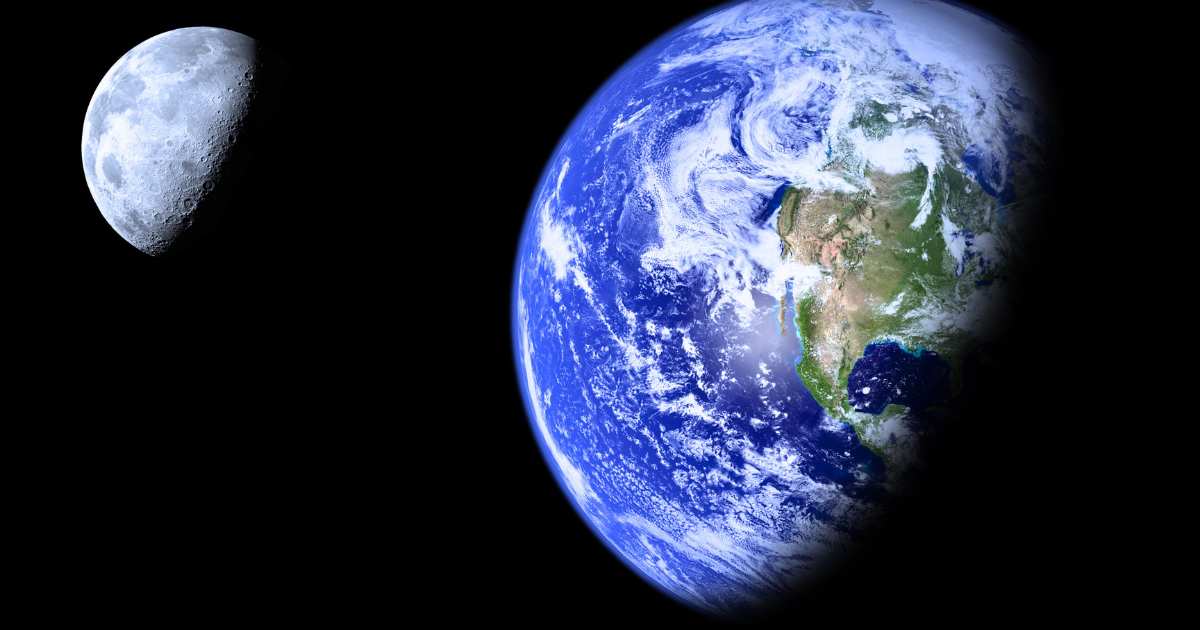
The cosmic dance between Earth and its Moon is far from over. The same powerful forces that caused the Moon to tidally lock are still at work, causing it to move farther away from us. Currently, the Moon is moving away from our planet at a rate of about 1.5 inches per year, according to NASA. The primary reason responsible for this separation is the gravitational pull of Earth's oceans, which bulge in response to the Moon's gravity. These tidal bulges are slightly misaligned with the Moon's position, creating a continuous gravitational drag. This friction both slows down Earth's rotation and gradually pushes the Moon into a higher, more distant orbit.
While this slow separation will continue for eons, some scientists have speculated about an extraordinary outcome billions of years from now. If our solar system were to survive the death of the sun, the Moon's orbit would eventually become so large that a new form of tidal locking would occur: Earth would be tidally locked to the Moon. In this scenario, one side of our planet would be perpetually bathed in moonlight, while the other would never see it again.
Though humanity will likely not be here to witness this event, the ongoing saga of the Earth and Moon serves as a powerful reminder of the celestial mechanics at play throughout the cosmos. When you look up at the familiar face of the Moon, remember the forces that keep it in its place, and the distant worlds where different moons, forever fixed, beam down on alien landscapes.
More on Starlust
How fast is the Earth moving through space?
NASA astronaut explained 'dramatic' feeling of returning to Earth from space: 'It is unsettling'