Social interactions in deep space: How the human factor could affect success of NASA's Moon Base
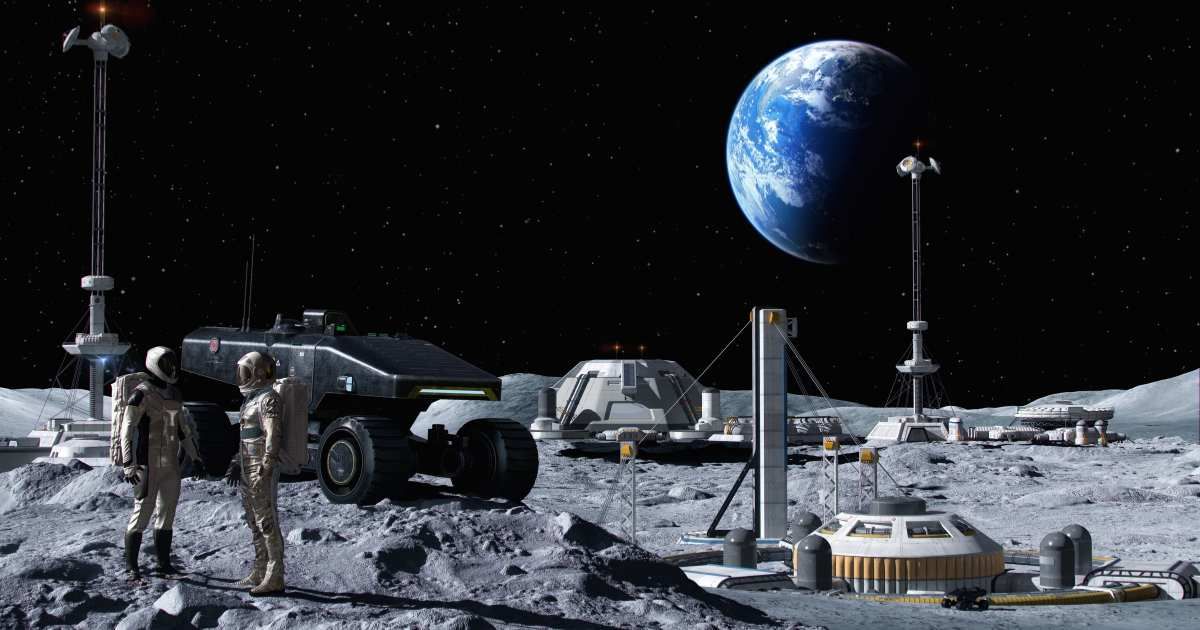
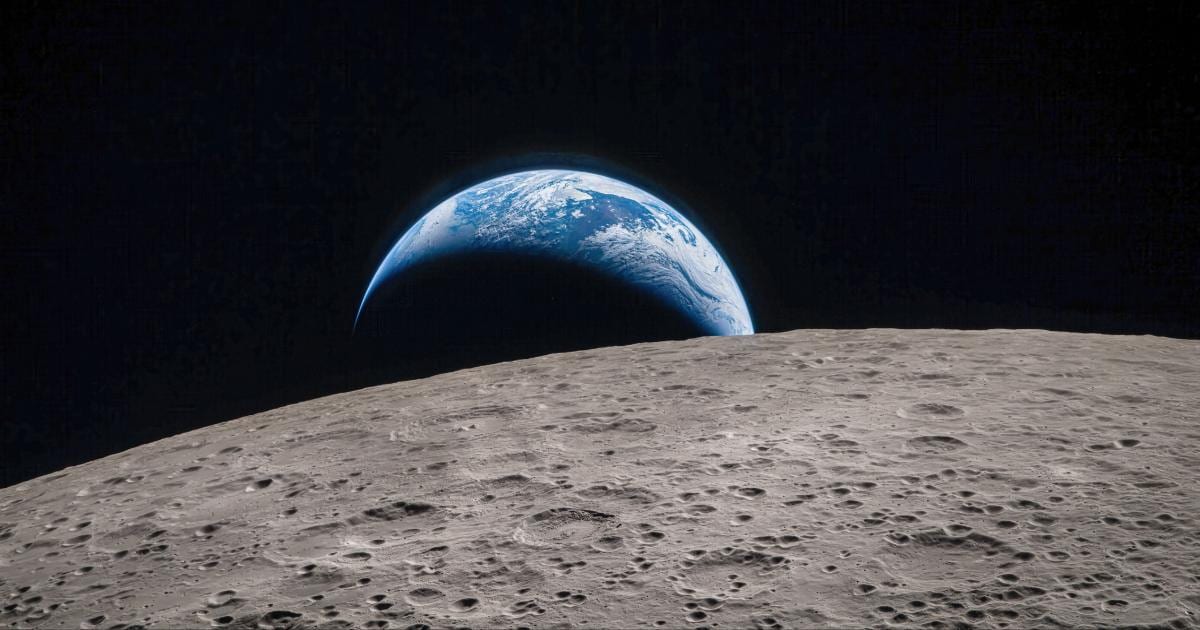
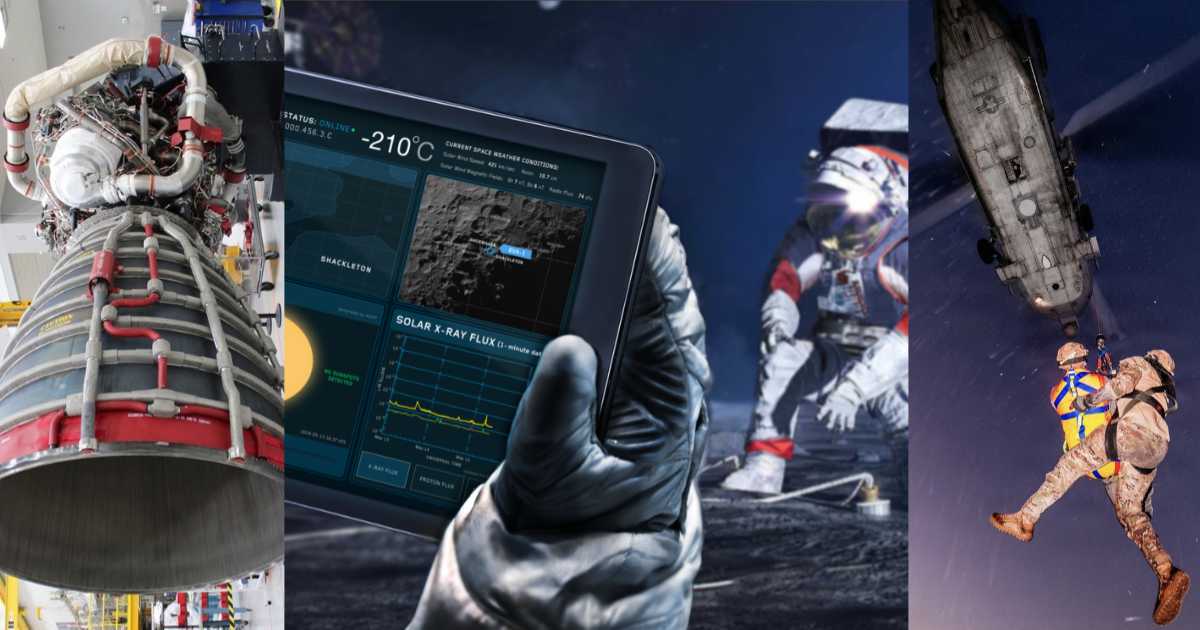
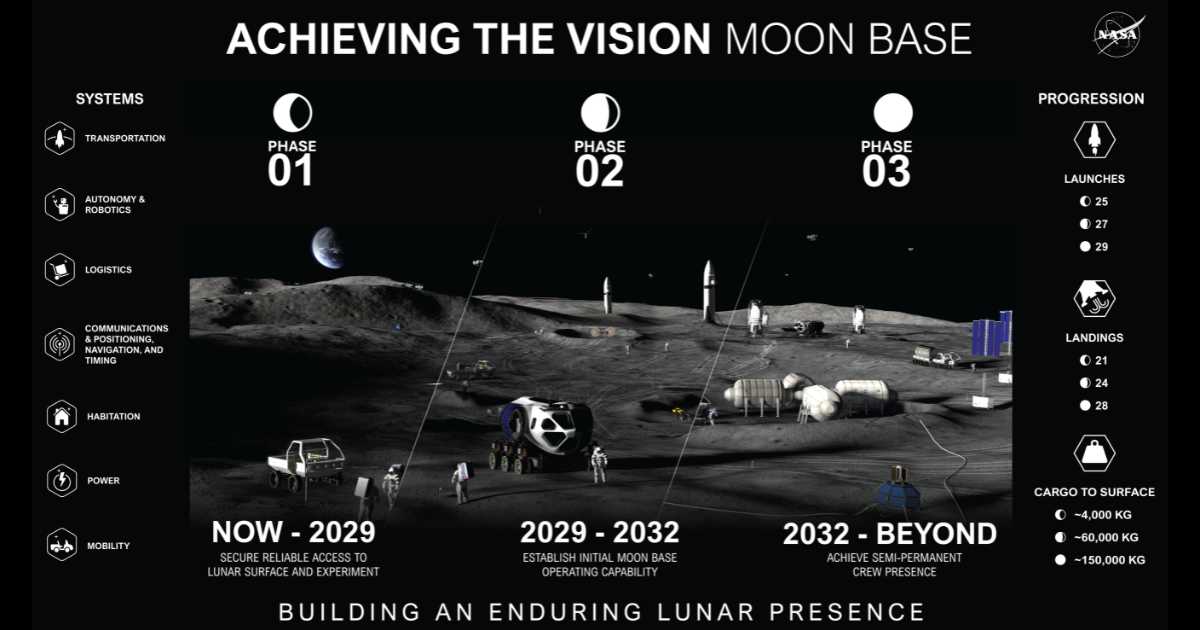
NASA’s Artemis program is actively working towards building a permanent base on the Moon. As it prepares to establish humanity’s first long-term lunar outpost at the Moon’s South Pole, NASA will be progressing in a phased manner. However, the success and efficiency of NASA's Moon Base will depend heavily on how smoothly the astronauts are able to connect and interact with each other under the psychological pressures of living and working in deep space. To understand how these social interactions might pan out in a real-world scenario, a research team led by Raymond Vera at George Mason University in Virginia developed a novel virtual model that simulates the probable interaction patterns between astronauts living on a lunar base. The team published their study in the journal PLOS One.
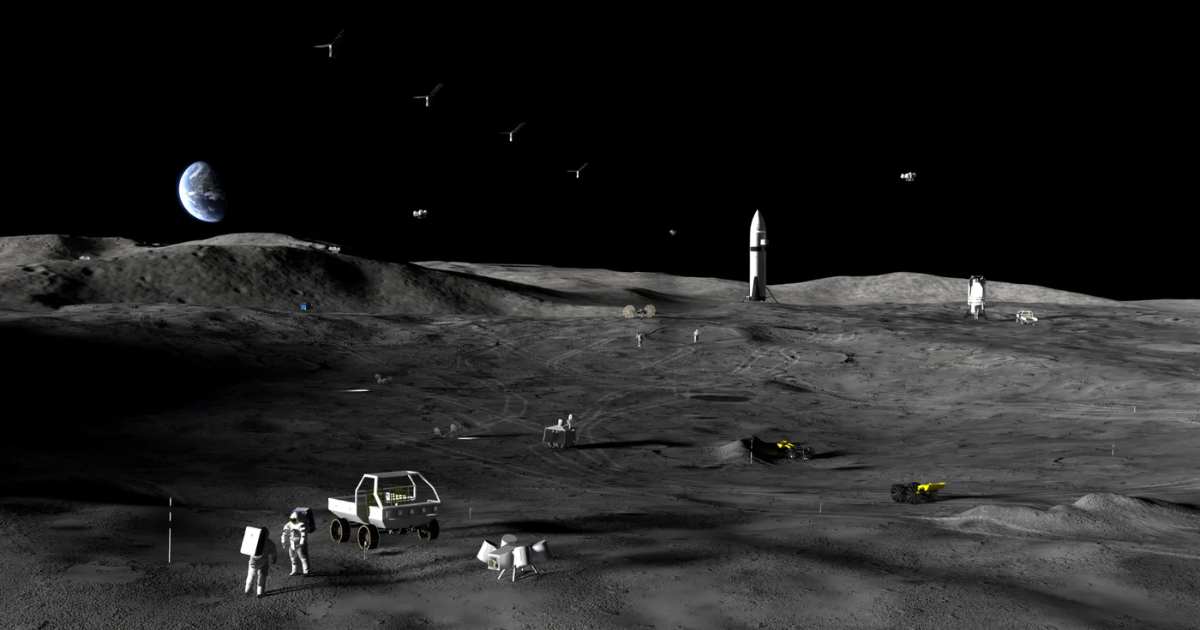
Vera and his team sought to find ways to significantly improve the chances of NASA’s Moon Base successfully sustaining a long-term human presence on the lunar surface. To help mission planners assess the risk factors that might affect astronauts, the researchers developed an Agent-Based Model (ABM), which simulated a variety of cognitive, social, emotional, and environmental factors that would inevitably fluctuate during a prolonged stay on the Moon. These factors were incorporated into the model used by the researchers: for detailed insights into the same, the team drew on information from earlier crewed space missions, as well as from human experience in extreme environments on Earth (such as Antarctica) where deep space-like isolation is possible.
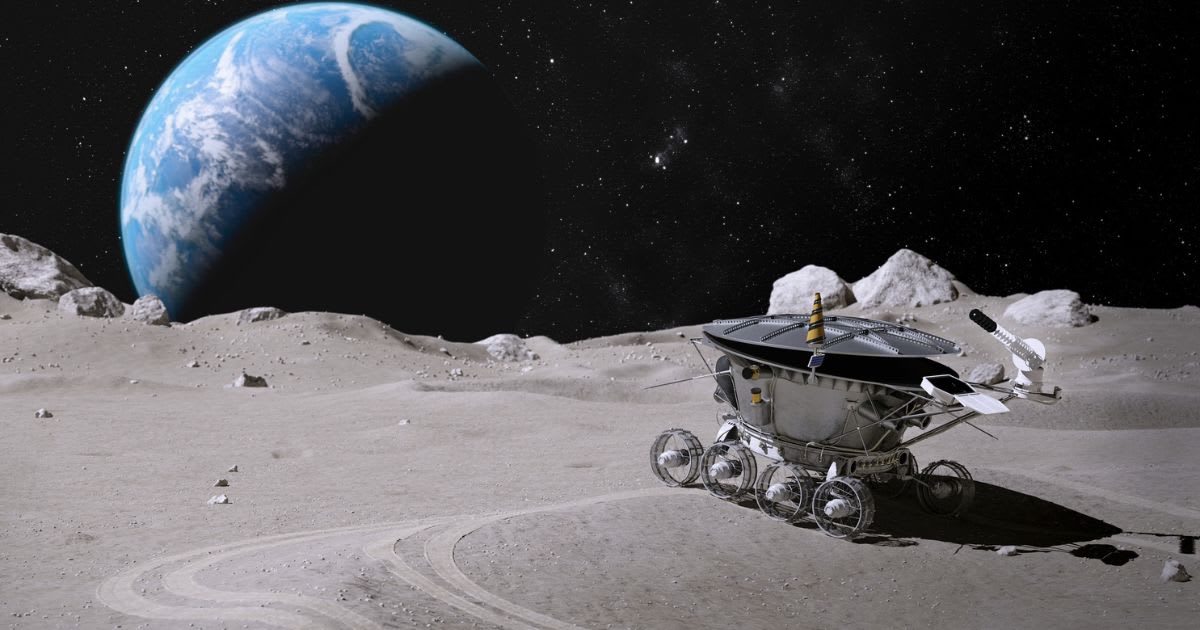
Subsequently, with the help of the model, the team ran simulations to mimic the environmental challenges that could arise on the lunar surface, and examined their effects on humans using digital 'virtual astronauts' who were randomly assigned different daily routines and tasks, personalities, skill sets, physical health parameters, and psychological traits. The goal was to find out if these virtual astronauts could adapt over time to changing conditions and unexpected crises—environmental (such as moonquakes or extreme radiation events) or otherwise (such as equipment malfunction)—while retaining their composure and a stable psychological state during their stay on a lunar base.
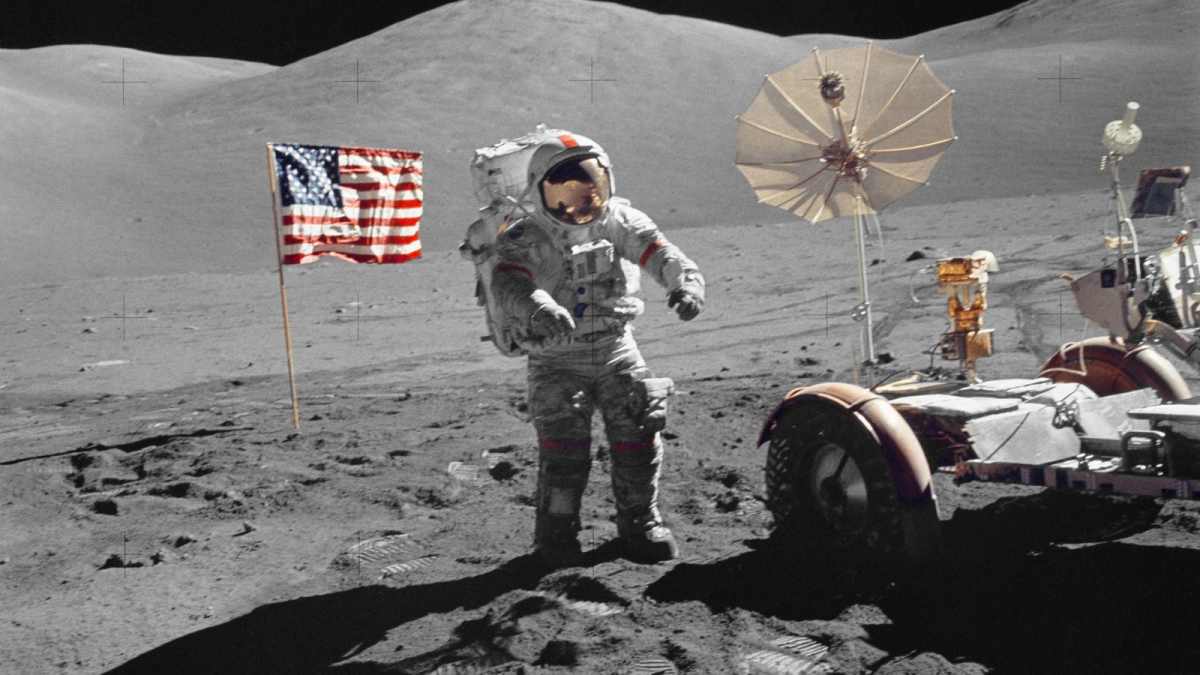
For the study, Vera and his colleagues ran tens of thousands of simulations and analyzed their outcomes. The results were quite telling: data from these simulations revealed that an increase in crew size significantly helped in the optimal development of the professional skills of astronauts, as a larger team allowed for better workload distribution. Simulations also showed that a larger crew of astronauts demonstrated better teamwork, boosting personality compatibility among the virtual astronauts. On the flip side, these simulations showed that a long-term mission coupled with no periodic crew rotations resulted in severe psychological stress among the astronauts. Left unchecked, this stress degraded the crew’s morale and had a negative effect on the overall productivity of the mission.
Summing up their study, the authors stated, “As humanity prepares to establish a permanent presence on the Moon, understanding human behavior becomes just as important as understanding engineering systems. This research demonstrates how agent-based modeling can simulate the complex interactions between astronauts, teams, and the extreme conditions of space to improve the effectiveness and sustainability of future lunar missions." The researchers from George Mason University also pointed out that by simulating interactions between individual astronauts in a larger team and identifying potential problems, tailoring a mission to human needs becomes easier. With NASA's Moon Base plans in full swing now, the team plans to expand on their model by incorporating the physiological toll of extended spaceflight and the psychological strain of communication delays with Earth, which could provide more insights into the needs of astronauts spending long periods of time in deep space.
More on Starlust:
Who are the astronauts for Artemis III? NASA is going to reveal the names on this date