New discovery shows a dead star eating shredded pieces of a Pluto-like world
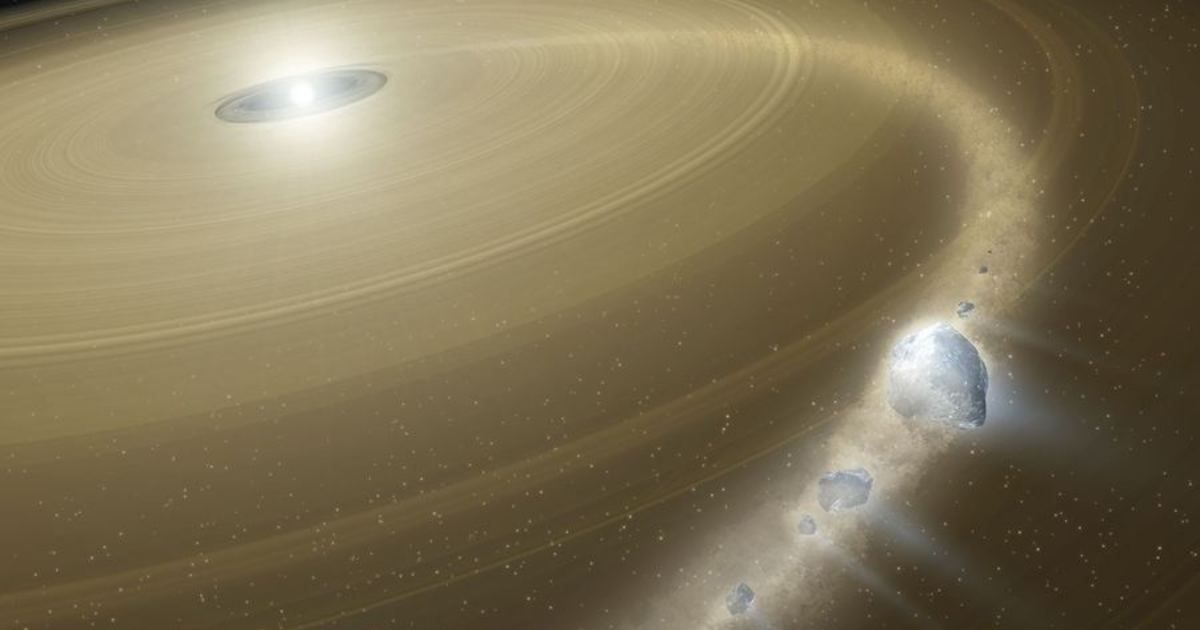
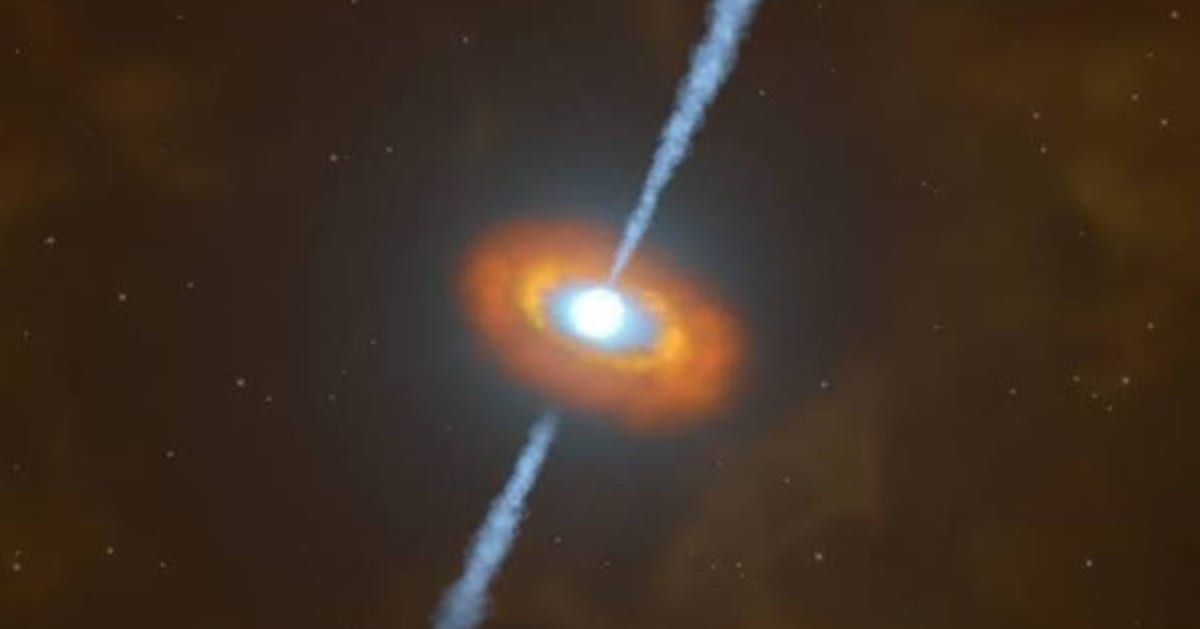
A dead star in our cosmic neighborhood has been caught in the act of consuming fragments of an icy, Pluto-like object. NASA's Hubble Space Telescope, with its advanced ultraviolet capabilities, was the only instrument able to capture this celestial event, as per NASA Science.
Snack time! 🍴
— Hubble (@NASAHubble) September 18, 2025
Hubble spotted a burned-out star eating a Pluto-like object.
This "snack" is an object from the star system’s own version of the Kuiper Belt, which is an icy ring of debris that encircles our solar system: https://t.co/Cs3Py8DF5H pic.twitter.com/YSetFD7Nxr
The star, a white dwarf with about half the mass of our Sun, is incredibly dense, packing its mass into a body the size of Earth. According to the findings published on September 18 in the Monthly Notices of the Royal Astronomical Society, the immense gravitational pull of this stellar remnant likely tore apart a dwarf planet from its own version of a Kuiper Belt, the icy ring of debris beyond Neptune in our own solar system.
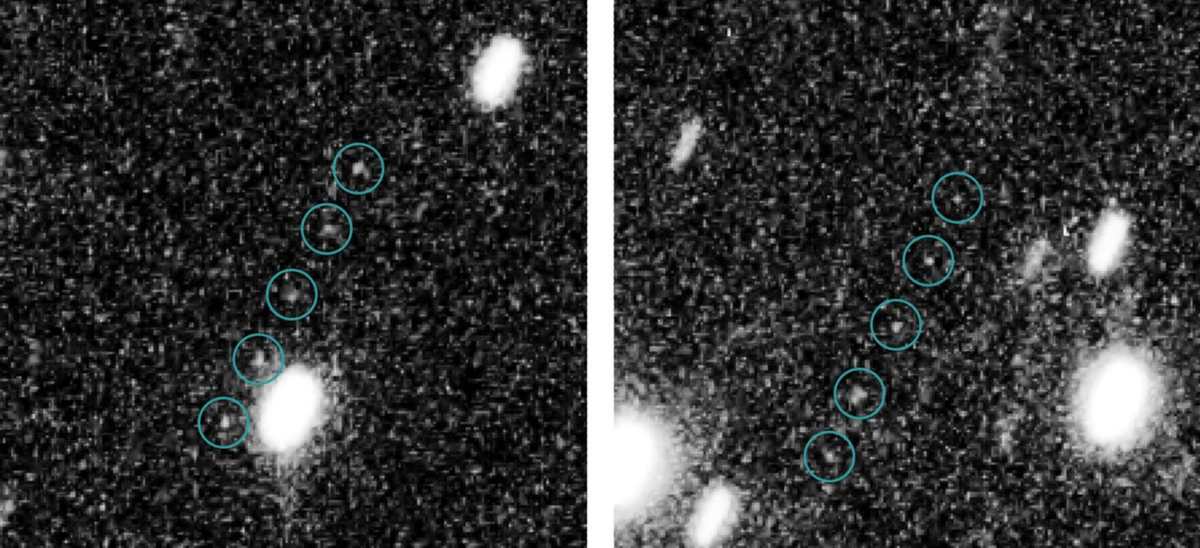
Scientists identified the chemical composition of the doomed object by analyzing the material as it fell onto the white dwarf. They discovered a significant amount of "volatiles," substances with low boiling points, including carbon, sulfur, nitrogen, and a high concentration of oxygen, which points to the presence of water. “We were surprised,” stated Snehalata Sahu of the University of Warwick, who led the data analysis for a Hubble survey of white dwarfs. “We did not expect to find water or other icy content. This is because the comets and Kuiper Belt-like objects are thrown out of their planetary systems early, as their stars evolve into white dwarfs.

Using the Hubble's Cosmic Origins Spectrograph, the research team determined that the fragments were composed of 64% water ice. The sheer amount of ice indicates the fragments came from a massive object that formed in the frigid outer reaches of its star system, an "exo-Pluto." They also detected the highest fraction of nitrogen ever found in debris around a white dwarf. “We know that Pluto's surface is covered with nitrogen ices,” Sahu explained. “We think that the white dwarf accreted fragments of the crust and mantle of a dwarf planet.”
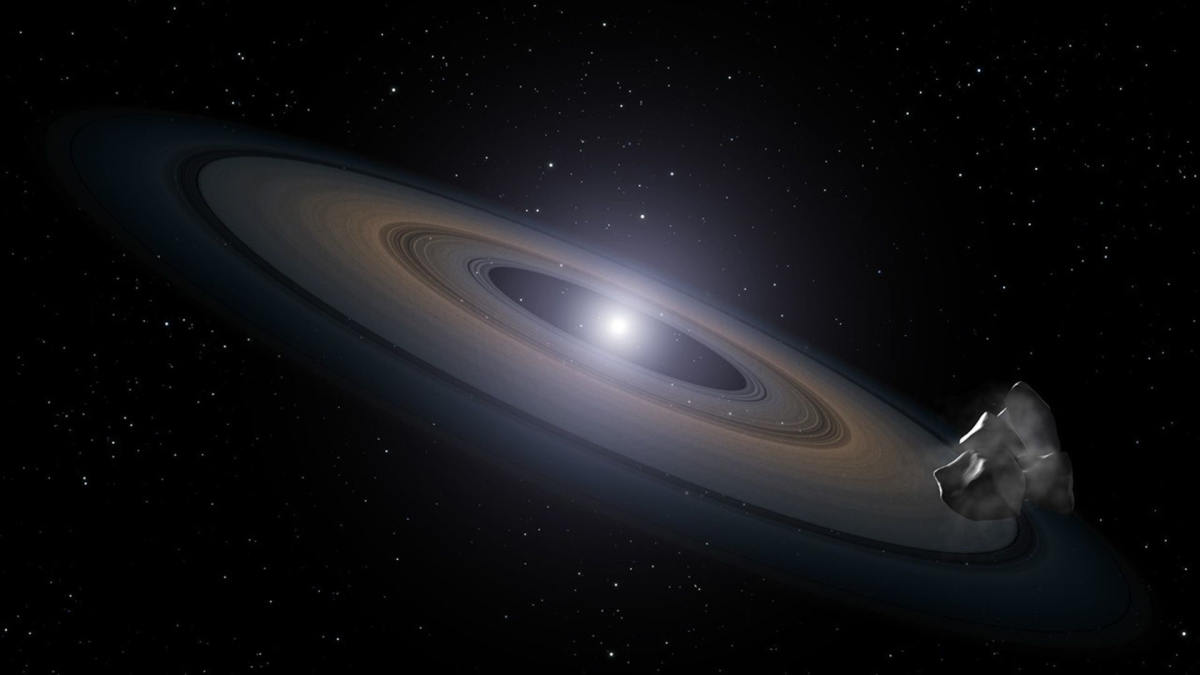
Detecting these volatile-rich objects is extremely difficult in visible light, which is why Hubble's ultraviolet sensitivity was crucial. To an observer using a regular telescope, the white dwarf would appear completely normal. The star, located about 260 light-years away, is a relatively close cosmic neighbor and likely hosted planets and a Kuiper Belt analog before it collapsed, as mentioned by the space agency.
This discovery offers a potential preview of our own solar system's fate. In billions of years, when our Sun becomes a white dwarf, its gravity will similarly pull in and destroy objects from our Kuiper Belt. “If an alien observer looks into our solar system in the far future, they might see the same kind of remains we see today around this white dwarf,” Sahu noted. The team plans to use the James Webb Space Telescope to further investigate the star in infrared light, hoping to detect molecular signatures of water vapor and carbonates. By studying these events, scientists hope to learn more about the formation of planets and how water is delivered to rocky worlds.