Simulations solve 'early universe' puzzle and reveal 'star systems' never seen before
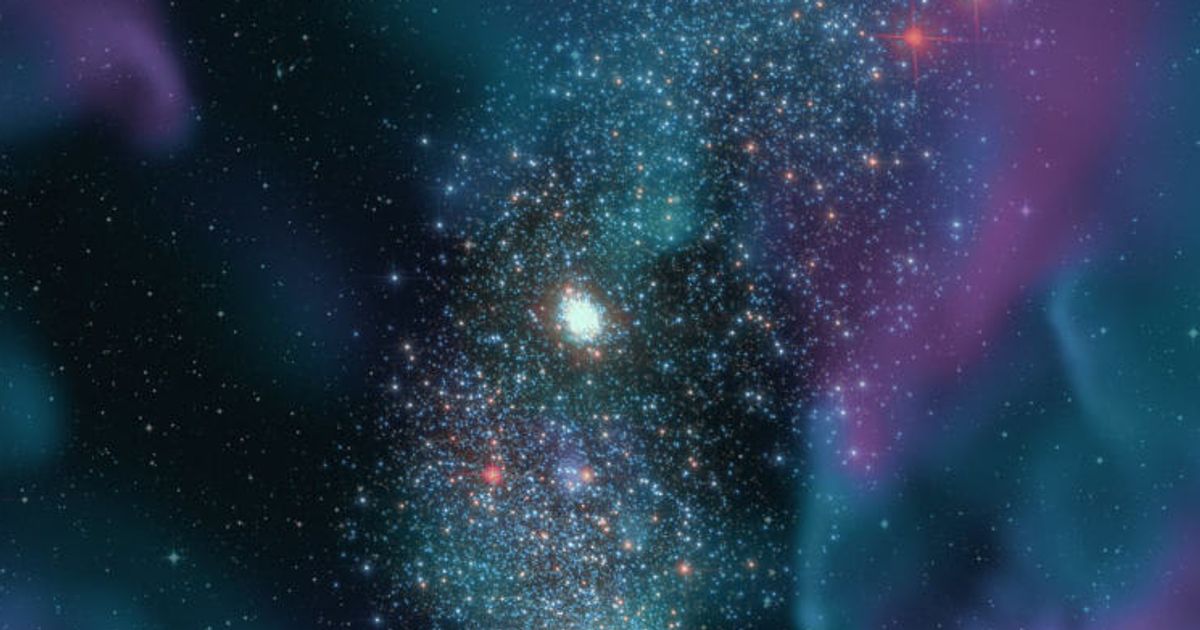
For centuries, the formation of globular clusters, some of the universe's oldest and most dense star systems, has been one of astronomy's most persistent mysteries. Globular clusters are massive, spherical collections of hundreds of thousands to millions of stars that orbit galaxies like the Milky Way. Unlike galaxies, they contain no dark matter, and their stars are all of a similar age and chemical makeup. These distinct characteristics have baffled scientists since their discovery in the 1600s. Now, a groundbreaking study led by the University of Surrey has finally solved the puzzle using advanced computer simulations. The findings, published in Nature, also reveal an entirely new category of ancient stellar system that may already exist within our own galaxy, as per the University of Surrey.
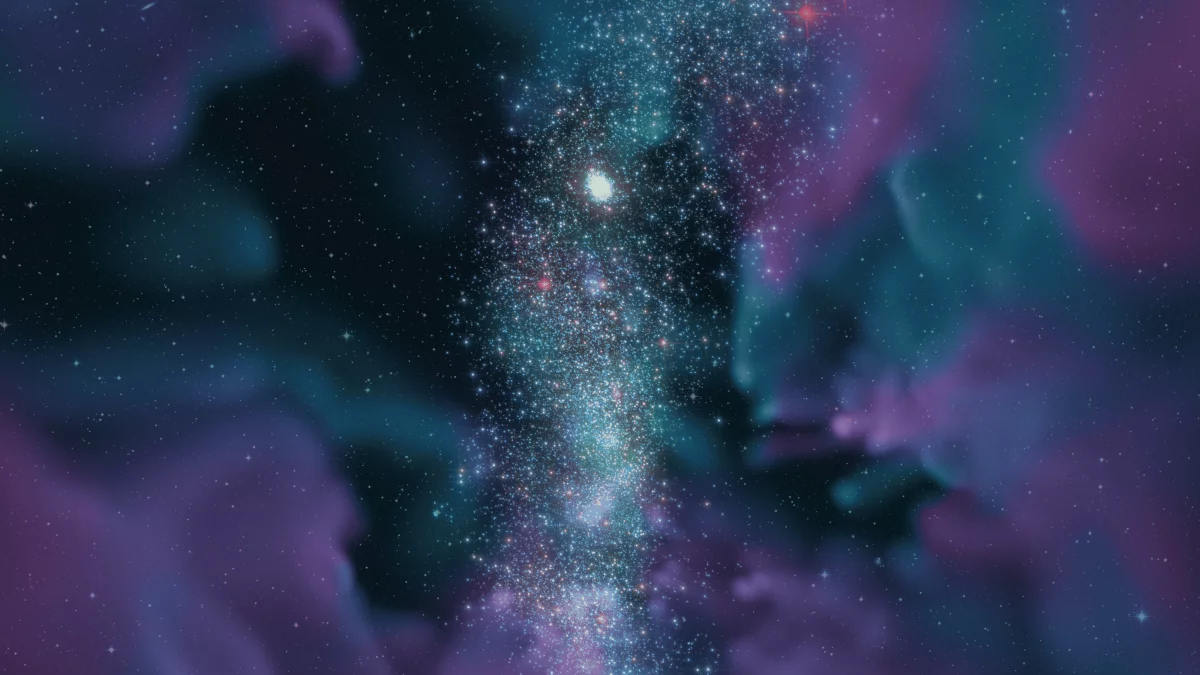
To unlock this secret, researchers used the UK's DiRAC National Supercomputer to run ultra-high-resolution EDGE simulations. These virtual cosmic models traced the universe’s entire 13.8-billion-year history in unprecedented detail, allowing scientists to witness the formation of globular clusters in real time. The simulations revealed not just one, but multiple ways these clusters can form. More surprisingly, the models also created a previously unknown type of stellar object: "globular cluster-like dwarfs." These new systems are a hybrid, sharing characteristics with both globular clusters and dwarf galaxies.

As Professor Justin Read, Early Career Researcher Lead and Chair of Astrophysics, explains, the project "set out to build the most realistic simulation of the very smallest galaxies in the Universe." The payoff, he notes, "has been extraordinary." The simulations not only recreated realistic globular clusters and dwarf galaxies but also predicted a previously unknown class of object.
While globular clusters are devoid of dark matter, dwarf galaxies are typically dominated by it. The newly identified "globular cluster-like dwarfs," however, contain a significant amount of dark matter. This subtle difference is key. Scientists believe that some of these dark matter-rich star systems may have already been observed and misidentified as regular globular clusters because they appear so similar. If confirmed, these new objects could be crucial for studying dark matter and the conditions under which star clusters form. Several known "ultra-faint" dwarf galaxies, like the Reticulum II satellite of the Milky Way, are prime candidates for this new class of object.
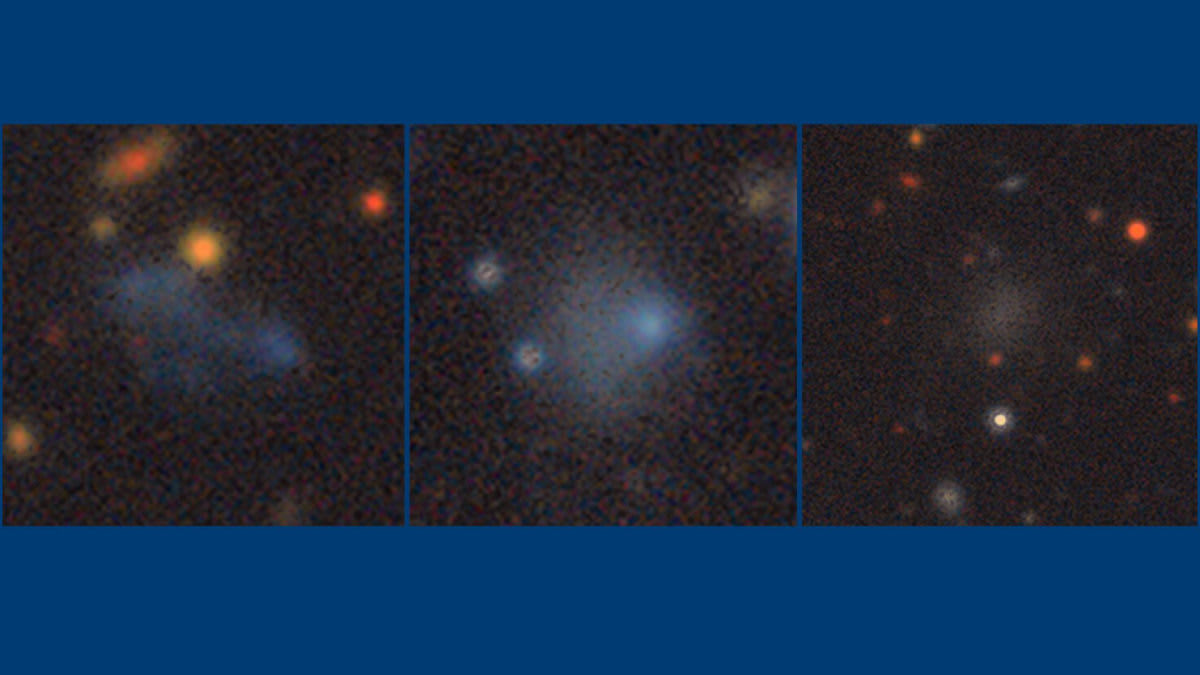
Future observations using powerful telescopes, including the James Webb Space Telescope, will now focus on confirming the existence of these newfound stellar systems. If successful, they could give astronomers a powerful new tool for testing dark matter theories and offer some of the best opportunities to find the universe's very first generation of "metal-free" stars.

The same computational methods used to solve the globular cluster mystery may also be poised to tackle an even greater cosmological puzzle: the state of the universe before the Big Bang. For decades, the question of "what came before?" has been considered unanswerable by physicists. However, a new study from researchers at King's College London, Queen Mary University of London, and Oxford University proposes a novel approach that could finally allow scientists to explore this previously forbidden territory. This new avenue of research builds on the power of advanced simulations to push the boundaries of our understanding, from the smallest stellar systems to the very origins of spacetime itself.
More on Starlust
What came before the Big Bang? New simulations offer a glimpse into the origins of the universe
Formation of universe's first stars 13 billion years ago replicated in a groundbreaking simulation
'Infant' universe had magnetic fields weaker than your typical toy magnet, study reveals