China’s StarWhisper AI is helping telescopes hunt for the first light from exploding stars
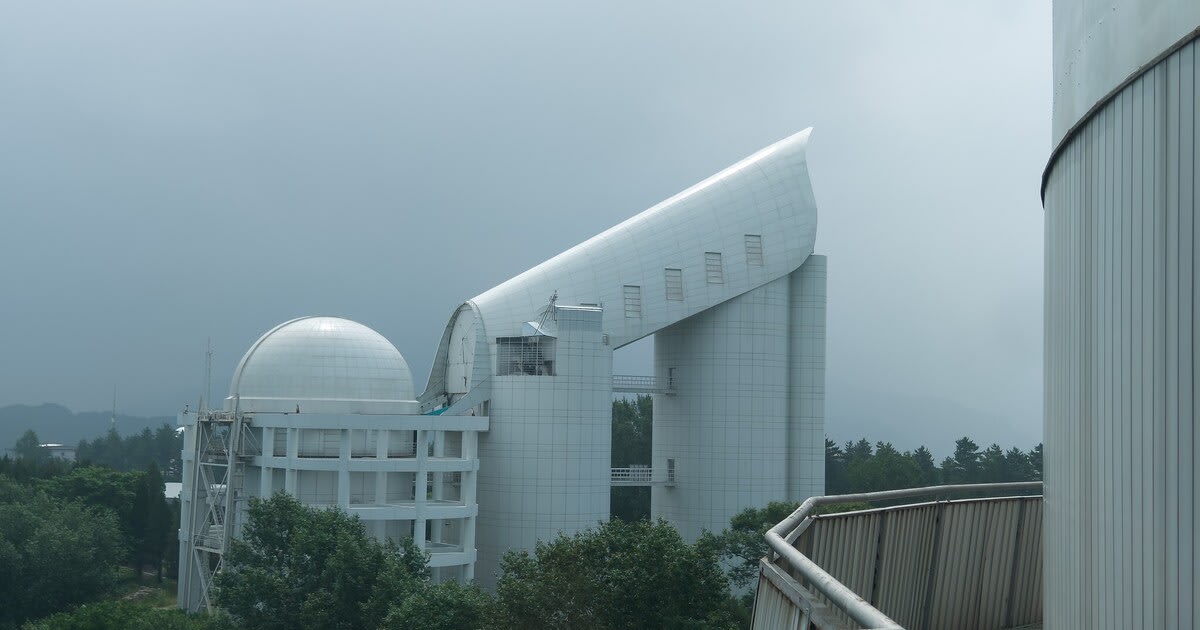
Astronomers generally detect a supernova after the explosion has already become brightly visible in the night sky. But what if a telescope could catch the explosion at its very earliest stages, right after the first light reaches Earth? China's StarWhisper AI, jointly developed by NAOC's Galactic Three-Dimensional Structure Group and Xinglong Observatory, is helping telescopes spot supernovae at their very earliest stages.
A telescope that chooses its own targets
The StarWhisper AI is not only used to analyze data. Instead, it takes information such as scientific priorities, weather forecasts, and real-time information from telescopes, combines it, and helps scientists decide what the telescope should observe and when. When researchers request an observation, StarWhisper creates a plan based on those requirements and uses relevant telescope-control systems to carry out the observations. So, the AI is not limited to data analysis; it can also plan and execute the telescope observations.
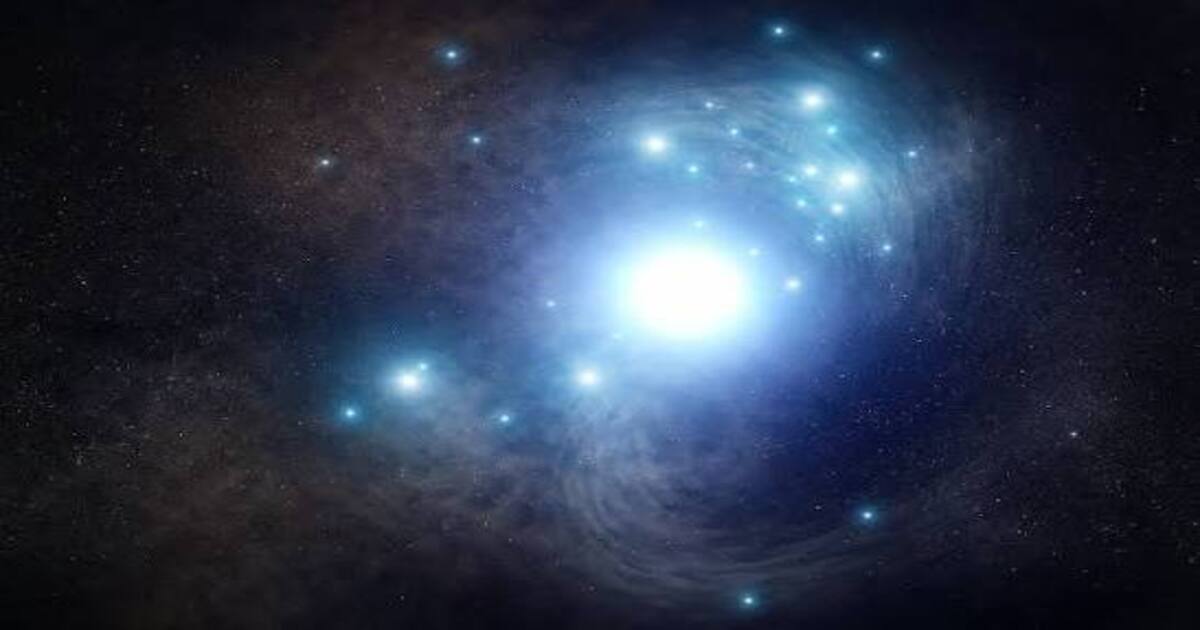
"AI’s role in research is no longer limited to assisting with analysis; it is entering the research execution process itself," said Dr. Li Yuyang, an expert with the NAOC Artificial Intelligence Steering Committee, in a statement. “This can allow researchers to focus more on formulating questions and setting objectives, while AI agents support observation execution, validation, and iteration," he added.
Why very early supernovae matter
In the very first few hours and days after a supernova occurs, astronomers can observe its light and find important information about the conditions before the explosion and the surrounding environment. Early observations help scientists understand how the explosion develops and get hints about its progenitor star.
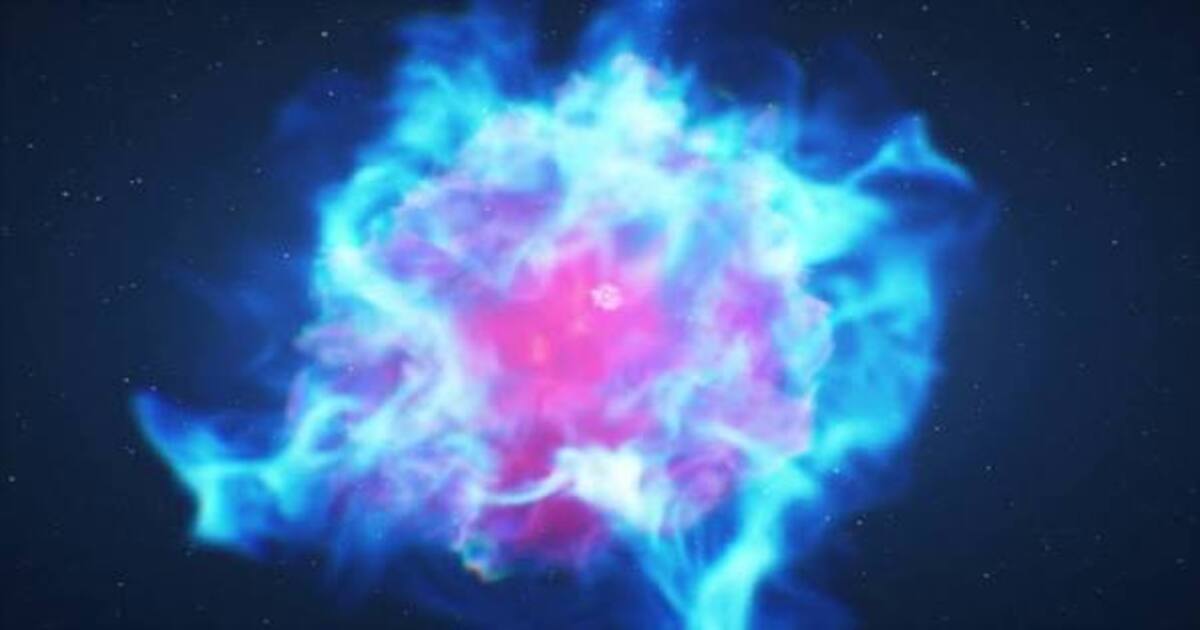
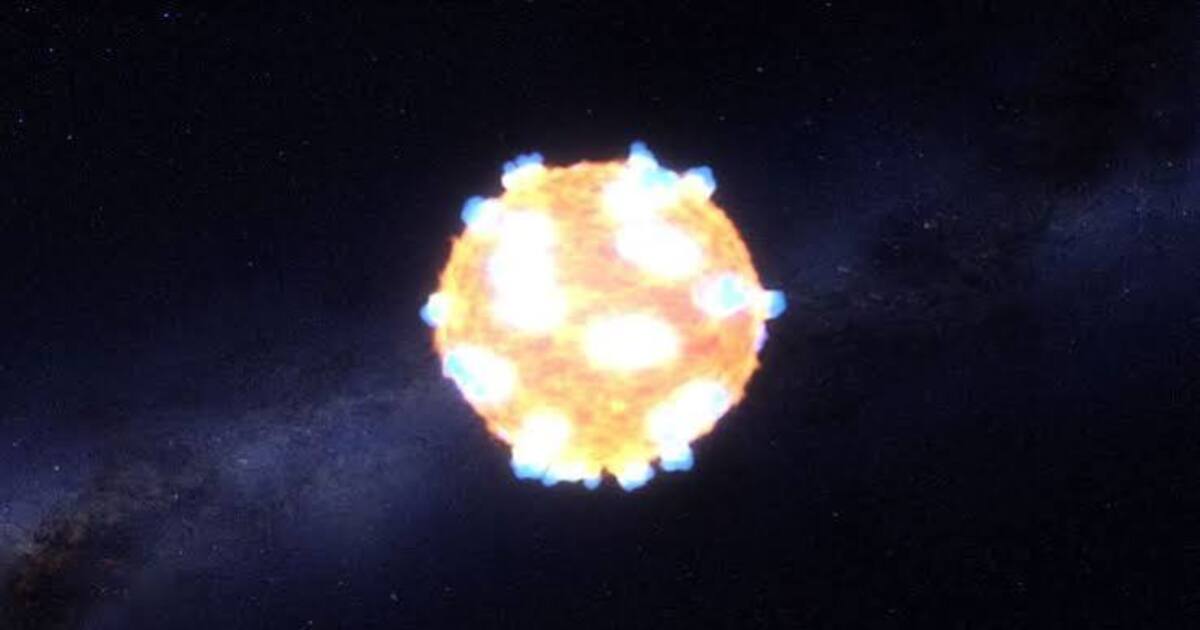
During the early stages of the explosion, a "shock breakout" can also be observed. This is a short flash that occurs when the shock wave from the explosion reaches the outer layers of the star. It's difficult to capture the signal because it is visible for a very short time. But observing this can help astronomers learn more about the starting phase of the explosion directly.
Practicing without burning telescope time
Before using StarWhisper with real telescopes, the team created a simulated environment where it can test its observing plans and control strategies. In this environment, scientists have modeled the telescope's status, sensor readings, environmental changes, and observation workflows. Researchers can use this simulated environment to check how StarWhisper performs during observations and improve its plans and procedures before using them on real telescopes.
What the results show so far
StarWhisper used public data from multiple sky surveys and identified eight very early supernova candidates and issued alerts for them. Among these, researchers carried out follow-up observations of two candidates when the weather was suitable for the observations. Scientists have also connected the AI with the Sitian Pathfinder and the Sitian prototype. These are part of the Sitian optical telescope system, which is being developed to monitor the sky and detect changing or short-lived astronomical events. This gives StarWhisper access to telescope systems where it can test and carry out its observational plans.
After the observations are made, StarWhisper can use the results to make changes to its next plans. This means the AI can improve its future observing plans based on what happened during earlier data, rather than following the same plan every time.
More on Starlust
NASA’s AI can spot storm-making regions on the Sun 12 hours before they appear