Astronomers discover atmosphere on the coldest lava exoplanet ever found; here’s why it matters
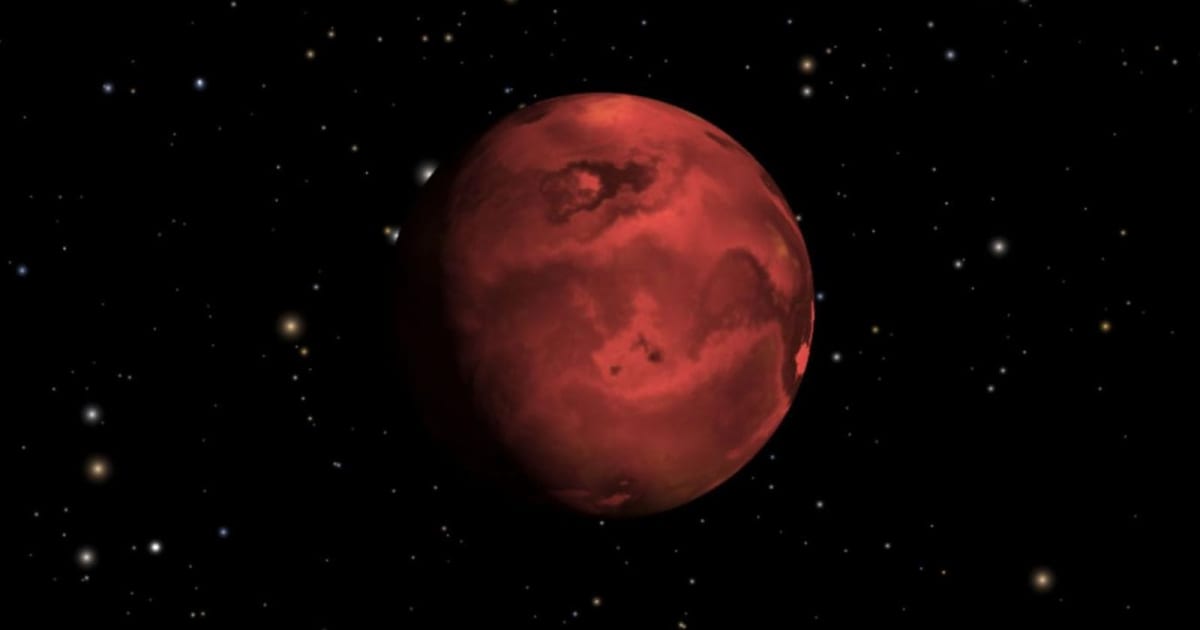
Astronomers have found an unusual exoplanet that surprisingly has an atmosphere despite being a lava world. Designated HD 3167 b, this rocky planet is a super-Earth that lies approximately 154 light-years away. Despite orbiting its star very closely (a year here lasts just 24 hours), this planet has shown signs of a cool dayside, which made scientists infer that it may have an atmosphere. The research was conducted by scientists at the University of Chicago, and the findings have been published in The Astrophysical Journal Letters.
Edwin Kite, a University of Chicago associate professor of geophysical sciences and co-author of the study, explained that rocky planets like HD 3167 b, which are in tight orbits, should not have an atmosphere because they are constantly being bombarded by stellar wind. “But it seems that many of these lava worlds do. These planets are too hot for life, but by studying them, we can say something about the processes that matter for other rocky worlds,” he said in a statement.
How was the atmosphere confirmed?
For the study, the scientists used the secondary eclipse method with the James Webb Space Telescope to measure HD 3167 b’s temperature. This method involves Webb making a note of the total light coming from a planet and its star. When this planet passes behind the star, there’s a dip in its light reaching the telescope, and this small drop tells scientists how much light (and thus heat) is coming from the planet.

The exoplanet observed in this study has a cooler temperature on its day side than what was expected—evidence that something is distributing heat from the day side into the night side—and an atmosphere is the most likely explanation. This is similar to what has been seen on Venus — temperatures on its night and day sides are almost the same. The cooling may also be caused by clouds that reflect incoming starlight if there’s an atmosphere.

So far, five ultra-hot terrestrial planets have been discovered with an atmosphere, but HD 3167 b is the coldest lava world found to date. The composition of this planet’s atmosphere remains uncertain, but researchers believe such worlds may be rich in silicate or heavier gases like carbon dioxide, carbon monoxide, and water.
Why this discovery matters
Study author and University of Chicago scientist Brandon Park Coy said that studying these hot rocky planets may shed more light on the history of Earth, which used to be as inhospitable as the others. “We’re interested in studying these kinds of planets because we think early Earth might have looked a lot like a lava world,” Coy said. Further investigation into these planets may also help reveal what the first couple of million years on Earth may have looked like. The planet HD 3167 b is the first of 10 ultra-hot lava worlds that are being studied as part of a program to investigate whether atmospheres start forming on exoplanets above a certain temperature threshold.
More on Starlust
Astronomers just found the youngest planet ever seen—and it's still taking shape