A planet disappeared without a trace this year. Scientists now know what happened
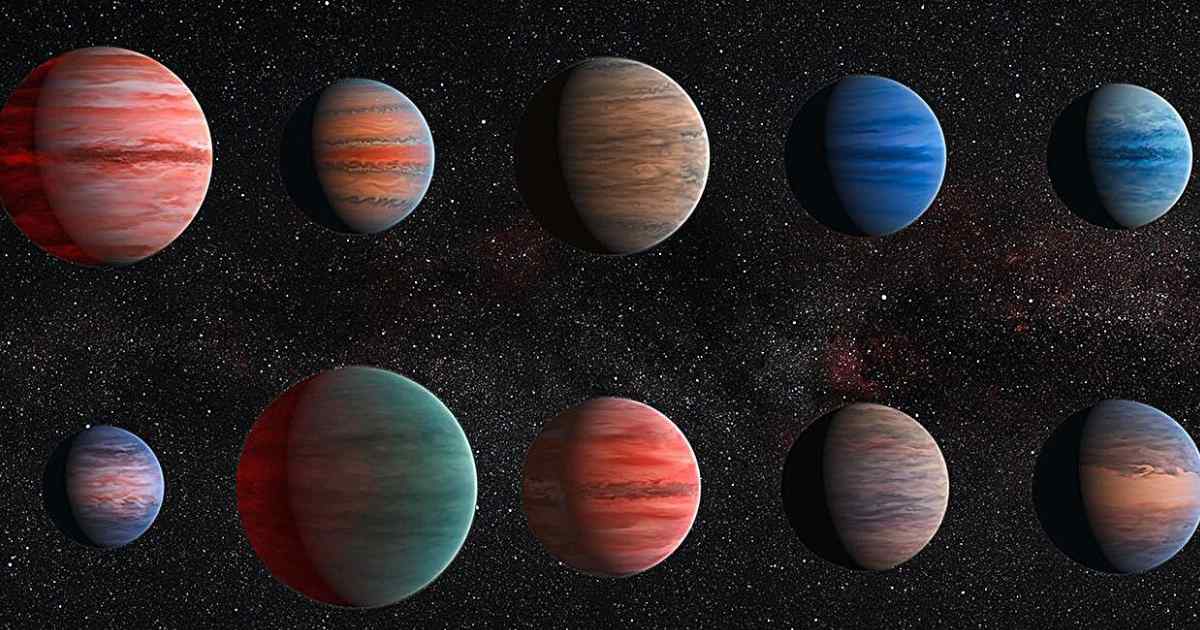
A team of researchers led by UCLA has discovered a "disappearing planet" for the first time. TOI-2535 b, a giant exoplanet located 1,000 light-years away from Earth, disappeared from view in 2026. The announcement was made by UCLA on Monday, November 9, with the findings being published on the same day in The Astrophysical Journal Letters. The team found that the planet didn't actually vanish but became invisible to telescopes. The study unearthed the reason behind this: a hidden neighbor that tilts its orbit.
UCLA-led researchers uncover the mystery behind the disappearing planet, TOI-2535. https://t.co/MOdfhB1NYN
— UCLA (@UCLA) November 10, 2026
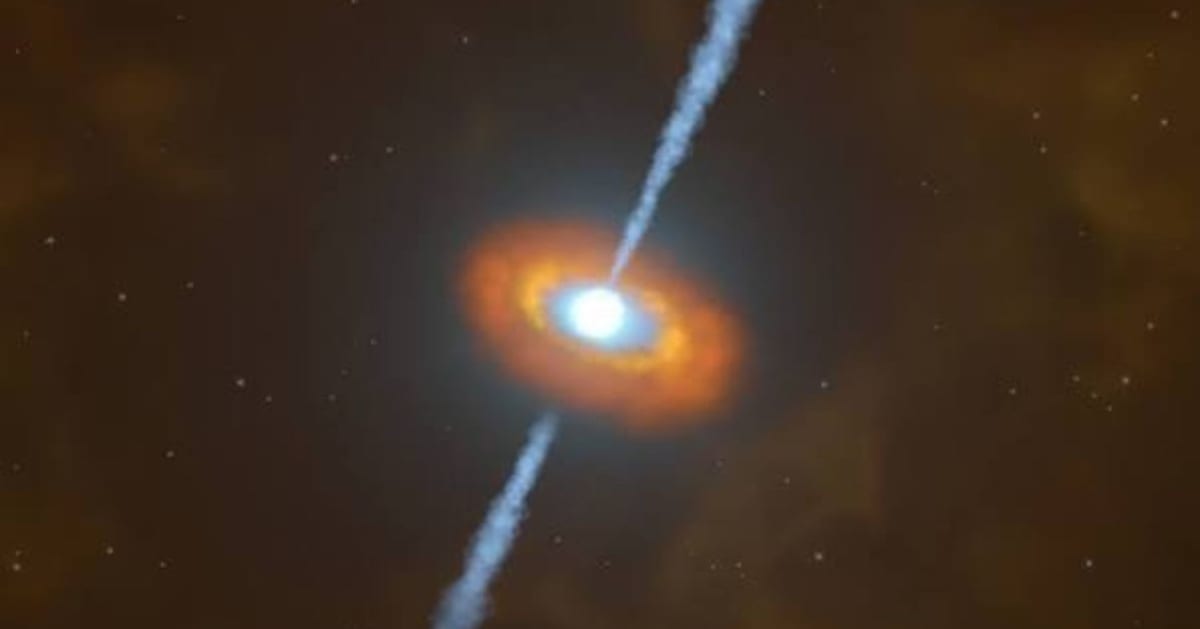
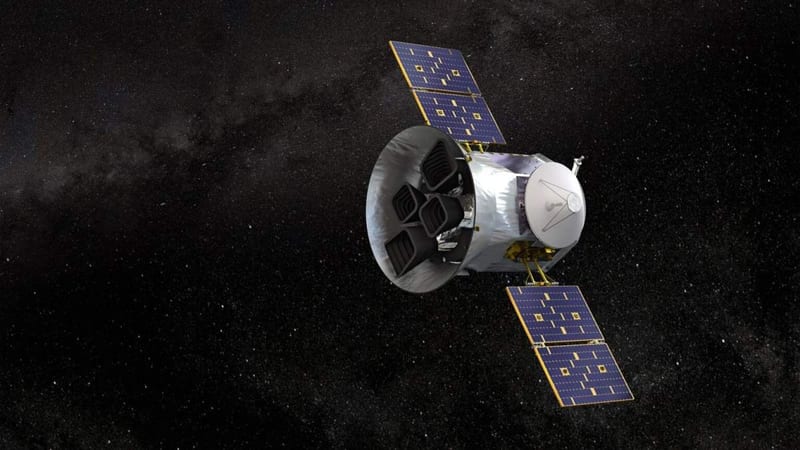
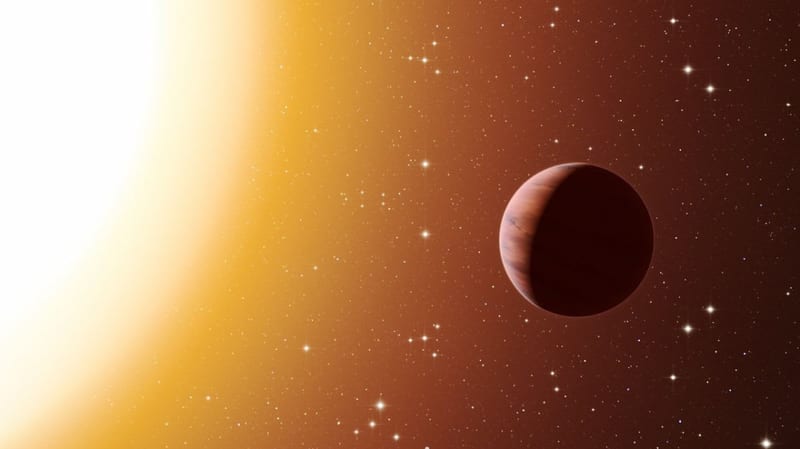
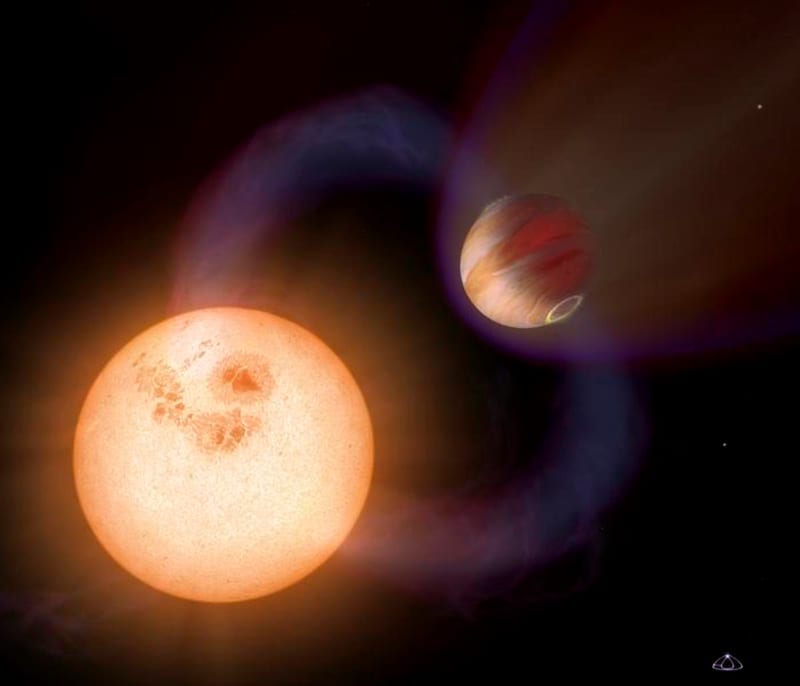
TOI-2535 b is a type of 'hot Jupiter', a gas giant that is stationed very close to its parent star. The scientists identified the planet in the period between April 2019 and March 2026 using NASA's Transiting Exoplanet Survey Satellite (TESS), which frequently viewed TOI-2535 b moving in the vicinity of its star while briefly shielding some starlight, a phenomenon referred to as a 'transit.' However, scientists noticed an unusual trend in these observations as time passed: these transits became unpredictable and did not take place at fixed intervals, happening up to six hours late or early. Furthermore, these crossings of TOI-2535 b in front of its parent star became gradually briefer and fainter, before disappearing in March 2026 altogether.
This, according to the researchers, indicates that an unseen planet, which is located near TOI-2535 b, is exerting a strong gravitational force on it, causing TOI-2535 b’s orbit to wobble, similar to a spinning top. This tilting of the exoplanet in due course dramatically alters its alignment as seen from Earth: from our perspective, TOI-2535 b appears as though it has stopped traversing between its star and Earth and hence cannot be traced by telescopes. This hidden neighbor of TOI-2535 b is yet to be detected by scientists.
“We think of the universe as resembling clockwork, where everything is regular, but that’s not true. If there are multiple planets in a system, they can affect each other’s orbits. We know of a few systems that are like this,” said Samuel Yee, a UCLA postdoctoral fellow and the study’s corresponding author. Explaining the unusual tilting of the planet, he added, “This is the most extreme example we’ve seen because the two planets are interacting so strongly. The planet’s orbit is tilting so quickly that its transit disappeared while we were watching.”
The study findings shed new light on the mutual interaction of distant exoplanets. Moreover, Yee and his co-author Erik Petigura are looking into an unresolved mystery: How are hot Jupiters stationed extremely close to their parent star? There are two possible explanations for this phenomenon: the first is that an aggressive migration occurs after a strong gravitational disruption. In this case, the planet undergoes collisions with another celestial body, due to which it is pushed into an elliptical-shaped path, which is followed by interactions with the parent star, which, in turn, draws the planet closer to itself.
Per the second possibility, the planet migrates inward along with other planets in the protoplanetary disk. This possibility, however, can result in a 'flat' system, where there are no orbital tilts between planets. The wobbling behavior of TOI-2535 b indicates that certain interactions between the system components may have gradually resulted in orbital tilting, which is just like the tilt in the Moon's orbit, which itself may have resulted from a violent event. “Because TOI-2535 b has a close neighbor, it probably migrated by slowly spiraling in instead of getting flung in,” Yee said. “We may be seeing a formation channel that doesn’t happen very often but is very interesting.” Per the researchers, TOI-2535 b will come into view only after a period of 30 or 50 years. However, its secret neighbor may be observed much before that.
More on Starlust
On a 'Hot Jupiter', day begins with clouds; by nightfall those clouds vanish—here's why
An exoplanet discovered by ESA's CHEOPS is turning theories of planetary formation 'inside out'