Astronomers puzzle over a record-breaking cosmic explosion that lasted for 27 days
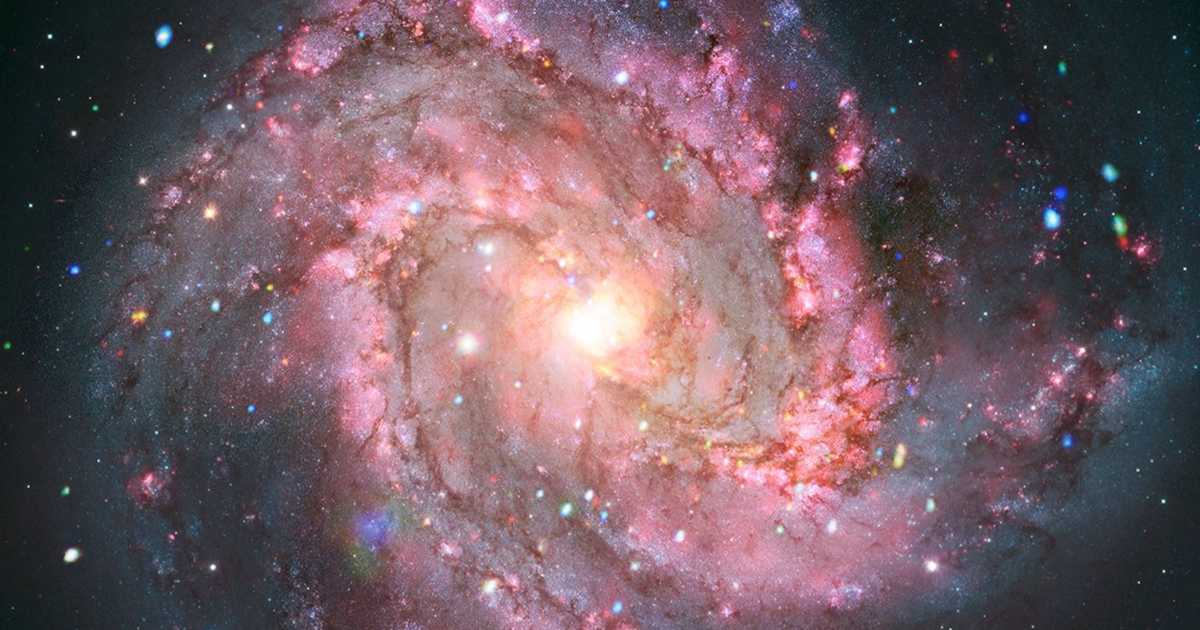
An extraordinary gamma-ray burst has caught astronomers' attention after its X-ray activity continued for 27 days, far beyond the initial blast. The burst was identified as GRB 220706A following its detection on July 6, 2022. GRBs are among the most powerful explosions in the cosmos, but this one has no match in the known population. Additionally, scientists do not know what the power source that caused this explosion actually is.
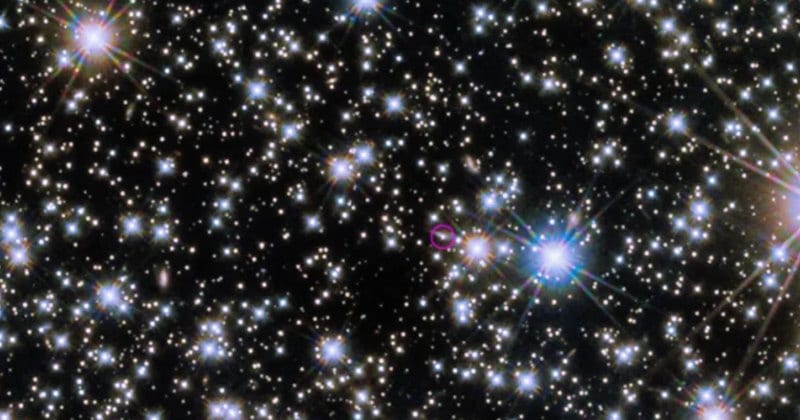
Commenting on this, Benjamin Gompertz of the University of Birmingham in England, a member of the study team, told Space.com, “In a nutshell, GRB 220706A is an extremely late X-ray flare. X-ray flaring is common following GRBs, but previously it has always come within the first few days after we detect the burst.” This study’s pre-peer-reviewed version has now been published on the repository site arXiv.
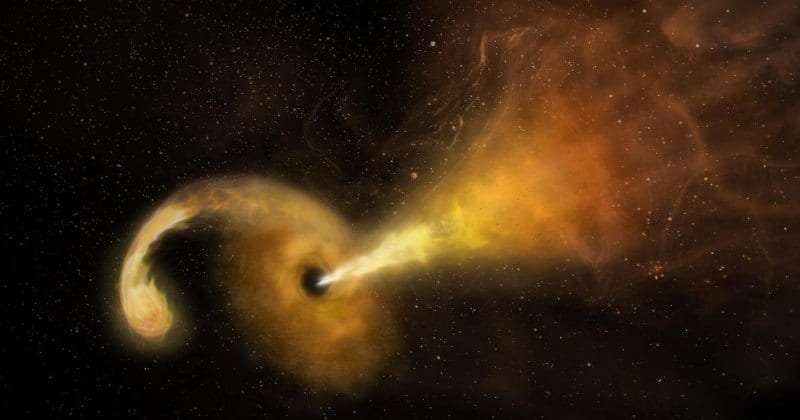
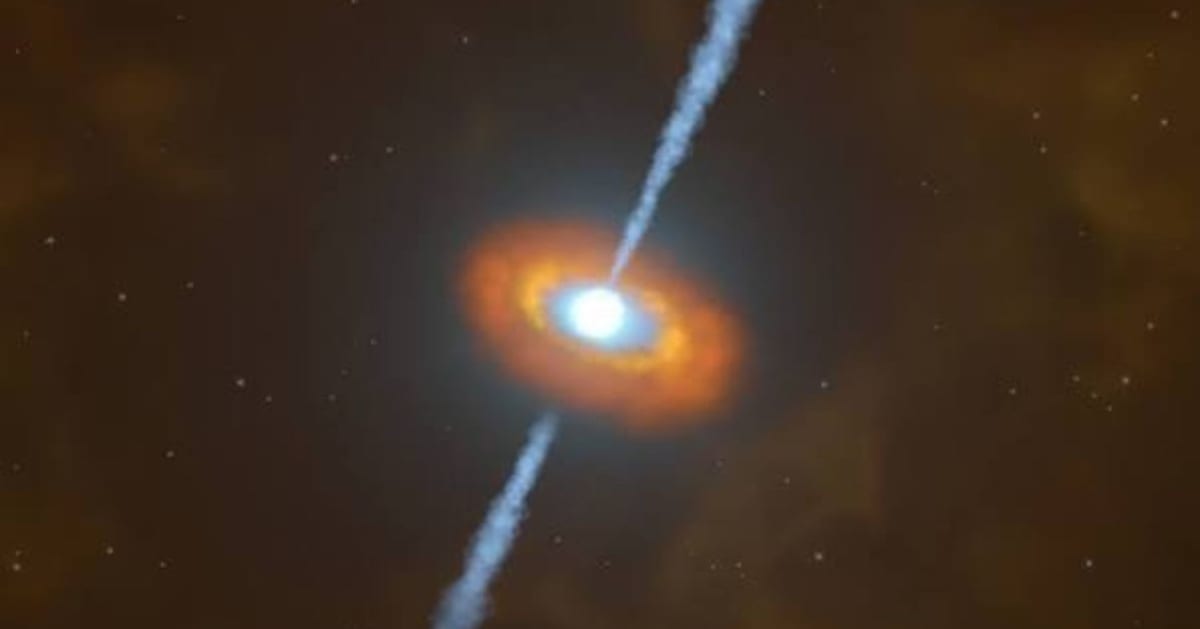
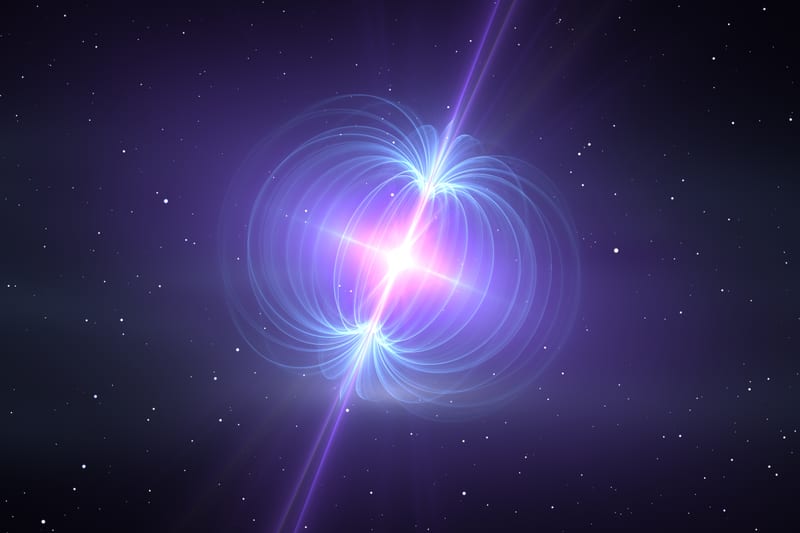
Scientists have associated GRBs with the collapse of massive stars, which can explode as supernovae and leave behind black holes. That process results in a long-duration GRB. “We don’t know what the central engine driving this outburst is, and that’s what makes this such a compelling event,” Gompertz said. Another such event was recorded in 2011. This burst was marked as GRB 111209A. It was linked to the exceptionally bright supernova SN 2011kl. Gompertz believes a magnetar might be present here as well.
Could a much bigger star explain it?
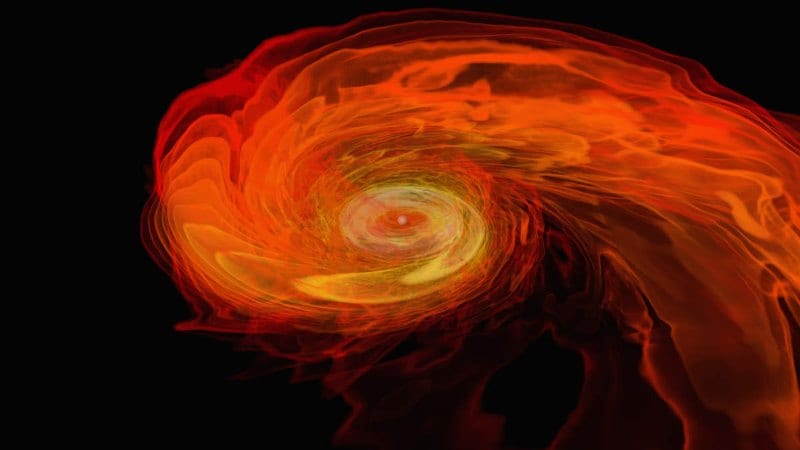
Scientists are still trying to understand what distinguished this burst from other GRBs and what kept it going for nearly a month. “One possibility is that it’s a much bigger star than we usually see producing GRBs,” Gompertz said. However, the size of this one is huge. To power GRB 220706A, the researchers estimated they would need a star roughly 1,000 times the radius of the Sun.
On top of that, the long flaring challenges existing ideas. Gompertz said, “It will be fascinating to see how future theoretical work can incorporate a power source from a collapsing star that can last for a month!” Due to the unusual characteristics, scientists are now considering whether they need to reconsider how it should be classified among other GRBs.
Why are bursts this long so hard to catch?
There could be even longer-lasting GRBs out there that have not been detected yet. This is because the satellites watching for them travel in low Earth orbit. Due to this, their view of a target is limited. This is where the Einstein Probe could prove useful, as it picks up X-rays better than gamma rays. And that fits long-lasting bursts, which seem to be more active in X-rays. “With any luck, we’ll get a few more of these to chase so that we can start trying to understand the incredible power sources that drive them,” Gompertz concluded.