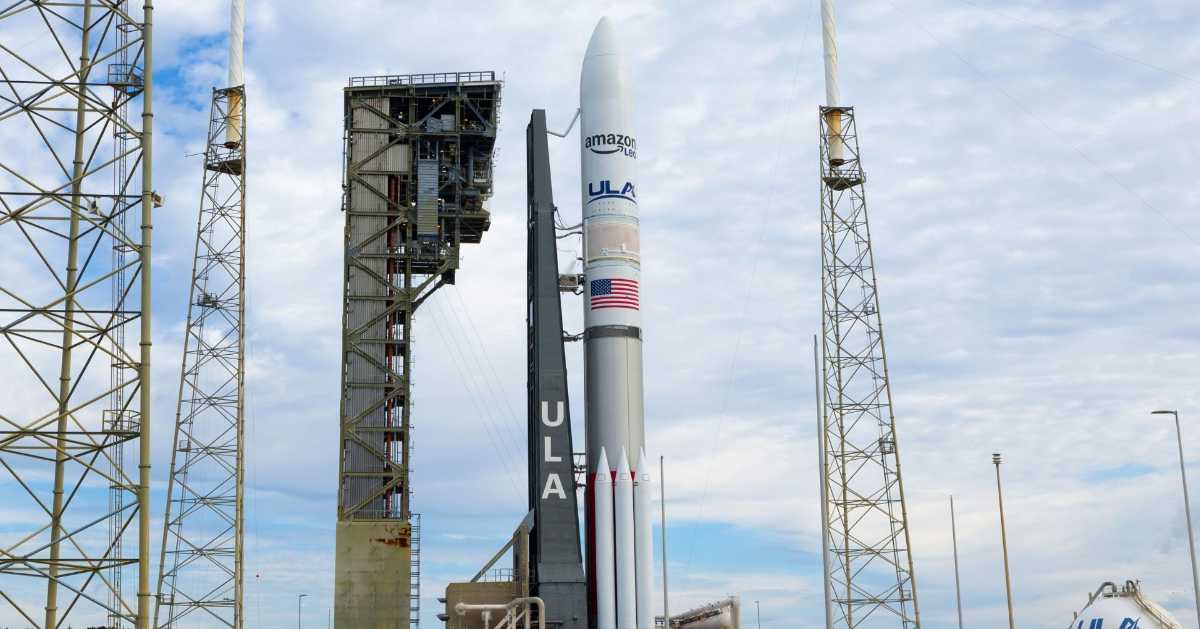
NASA's Dragonfly rotorcraft will launch to Saturn's moon Titan in 2028: Here's how you can tag along
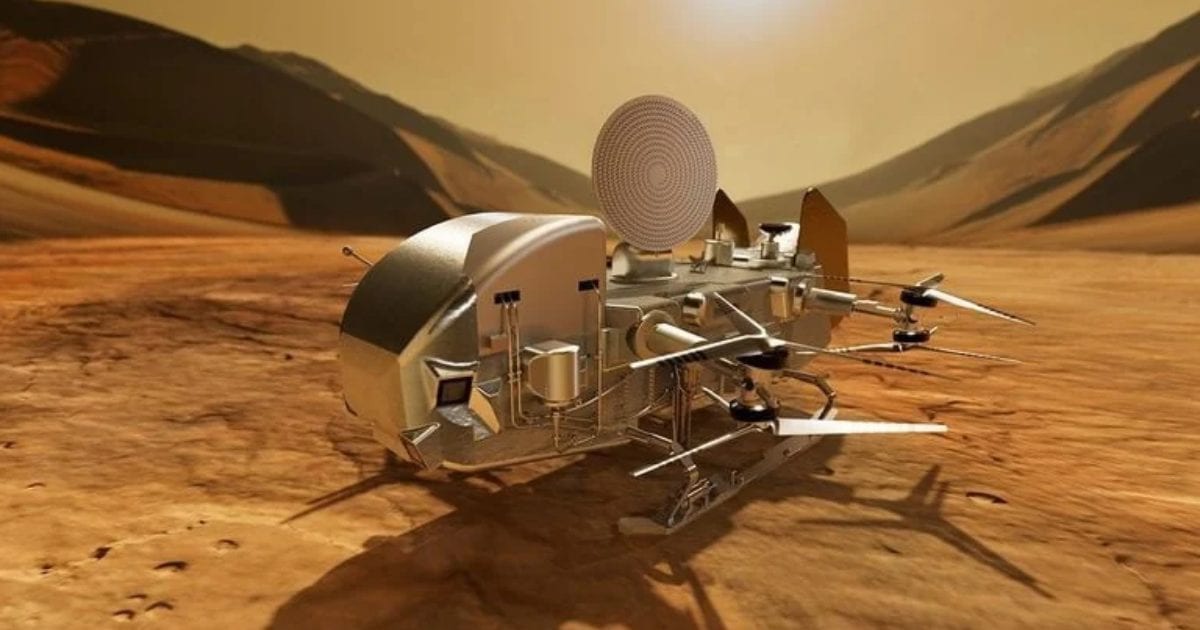
NASA is giving space enthusiasts an opportunity to become part of its upcoming journey to one of the solar system's most fascinating destinations: Saturn’s largest moon, Titan. Through its “Send Your Name with Dragonfly” campaign, announced by the agency on Thursday, NASA is inviting people around the world to submit their names for the Dragonfly mission. These names would be included on a special microchip that will travel aboard Dragonfly, and participants would get a customized digital boarding pass marking their place on this adventurous campaign. The Dragonfly rotorcraft, an eight-rotor flying vehicle, is scheduled for launch in 2028 and is expected to arrive at Titan in 2034.
Your name could fly on Saturn’s largest moon. NASA’s Dragonfly mission will launch in 2028 to explore the dunes, lakes, and rivers of Saturn’s moon, Titan, and your name can come along! Join the voyage and claim your boarding pass: https://t.co/iinCnJaqIP https://t.co/FQZvfBGUZo
— NASA (@NASA) October 29, 2026
The campaign is open to the public worldwide, and participants have until 11:59 p.m. EST on January 15, 2027, to secure a place for their name on the spacecraft's passenger list. Participants can also sign up for the mission's email list to take part in the virtual guest program and get regular updates on the Dragonfly mission. All they need to do is visit the official portal and fill in their name and email address. Those who would like to opt for the virtual guest program will need to tick the box next to it before they click on 'submit'.
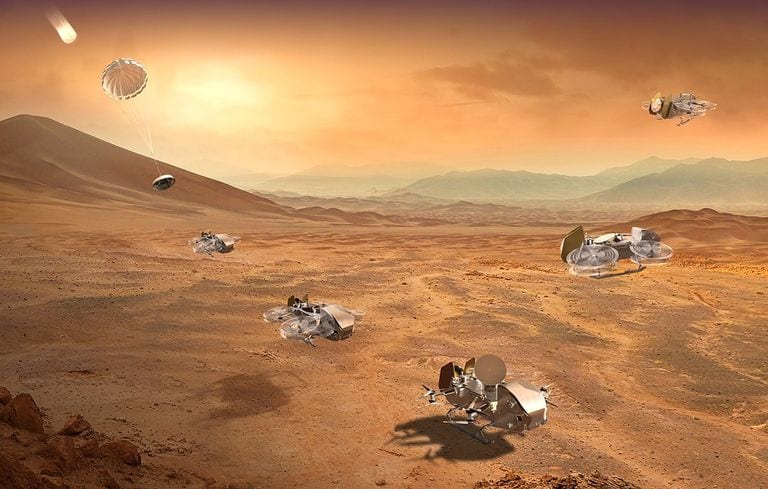
“NASA’s Dragonfly mission will simply blow your mind,” said Nicky Fox, associate administrator, Science Mission Directorate, NASA Headquarters in Washington. “By flying the first-ever rotorcraft science mission, NASA will explore Saturn’s largest moon, Titan, as we search for signs of habitability on a distant world that is most similar to our own."
Titan: a strange world with seas of methane and ethane. Scientists are using @NASAWebb to take a close look—and developing Dragonfly, a mission to send an octocopter to Saturn’s largest moon. Watch “Other Worlds” on our ad-free streaming service NASA+: https://t.co/3RSXPJjhCI https://t.co/OxkWIP595t
— NASA (@NASA) August 23, 2024
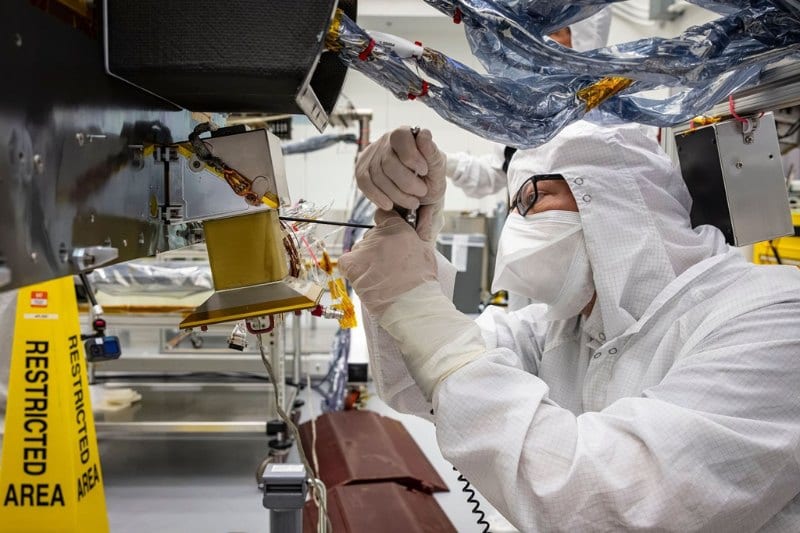
The spacecraft is being assembled and tested at the Johns Hopkins Applied Physics Laboratory (APL) in Laurel, Maryland, which leads the mission for NASA, with APL's Elizabeth Turtle as the principal investigator. Engineers recently conducted Dragonfly's "first flight" simulation on a computer testbed at the Johns Hopkins APL. The simulation tested the rotorcraft's ability to autonomously fly, identify a safe landing site, and descend to the surface.
During its planned 3.3-year mission, Dragonfly will fly miles across Titan, landing at several geologically interesting spots, some of them being dunes and Selk Crater. The spacecraft will gather material samples from these sites, which would then be analyzed by the scientific equipment installed inside the spacecraft. Dragonfly, according to NASA, is designed to fly once every one to two Titan days. Each of these days, known as a Tsol, lasts for around 16 Earth days.
Why send Dragonfly to Titan?
Titan is particularly interesting to scientists because it is the only moon in the solar system with a substantial atmosphere. In fact, its atmospheric density and relatively low gravity, combined with extremely cold temperatures of around -179 degrees Celsius (-290 Fahrenheit), will help Dragonfly fly and cover large distances efficiently. Titan's atmosphere is also very similar to Earth's in composition in that it primarily contains nitrogen (95%), some methane (about 5%), and traces of other carbon-rich compounds. It doesn't contain any oxygen, yes, but that was also the case for Earth about 2.5 to 3.8 billion years ago. As a result, scientists are keen on finding out if the processes within Titan's atmosphere are similar to what was responsible for the air we have around here. The nitrogen and methane in the atmosphere can also spark interesting organic chemistry, potentially giving rise to complex organic compounds that may have seeded life on Earth. Scientists also suspect the presence of microorganisms in Titan's liquid methane environment, given those on Earth are known to survive extreme conditions. All in all, Dragonfly has numerous reasons to visit Titan, and now you have a way to come along for the ride.
More on Starlust
Saturn's largest moon, Titan, may have formed from the collision of two older moons, study finds
NASA-funded flying robots could soon explore the hidden caves of Saturn's moon Titan