NASA to unveil first images by Nancy Grace Roman Telescope on December 7; here’s how to tune in live
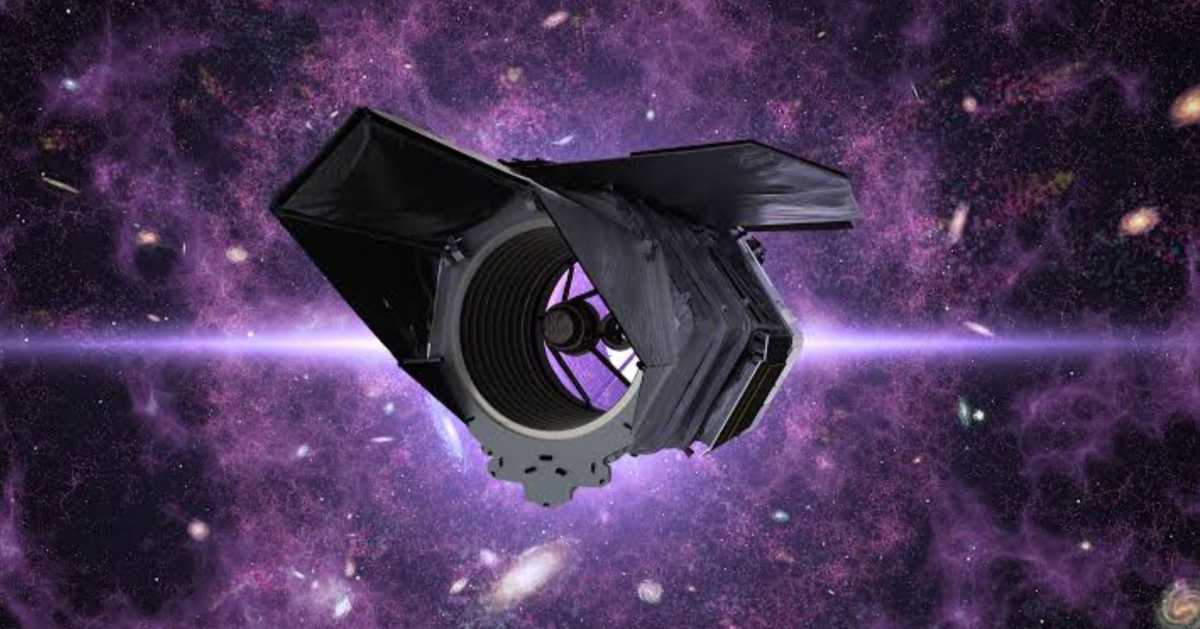
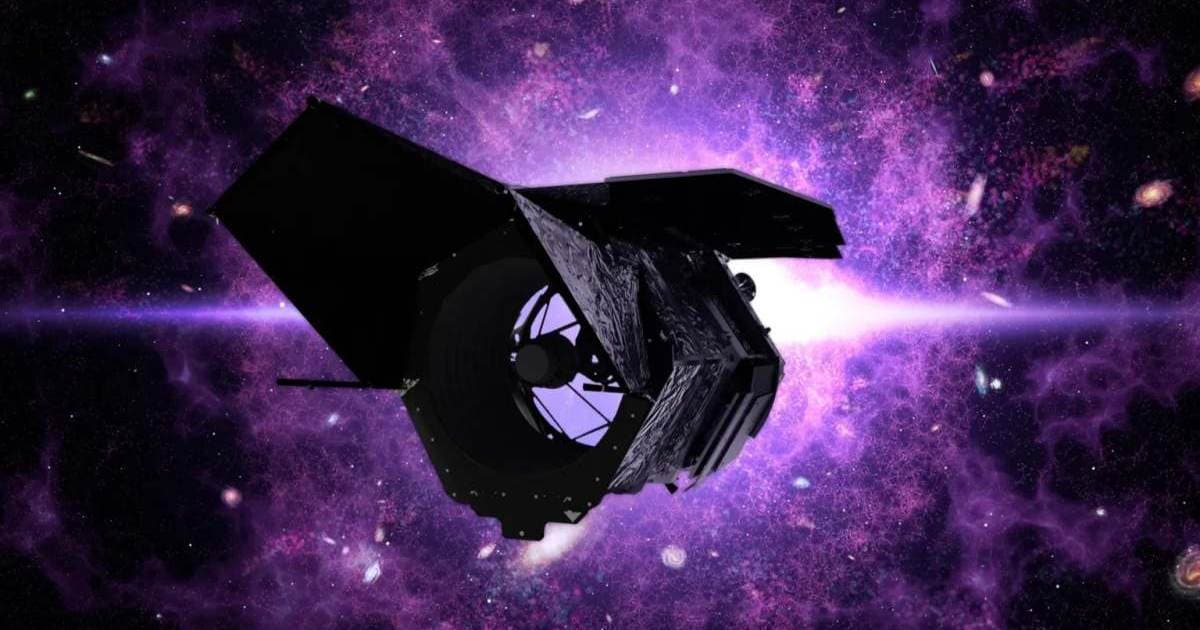
NASA has finally announced a date for the release of the first pictures captured by the Nancy Grace Roman Space Telescope. The images will be released during the American Geophysical Union (AGU) Annual Meeting in San Francisco at 3:30 p.m. EST on December 7. Prior to the release, NASA will organize a preview for media under embargo, followed by a fireside chat with NASA Administrator Jared Isaacman. You can watch the event live on NASA’s X handle, YouTube channel, and NASA+.
IT’S (ALMOST) TIME! 🤩 New views of the universe coming to a screen near you on Dec. 7! Roman’s first images will showcase our unique scientific capabilities, revealing deep, panoramic, never-before-seen views of the cosmos. https://t.co/cST2OjF7qj https://t.co/59JOW7yXls
— Nancy Grace Roman Space Telescope (@NASARoman) November 17, 2026
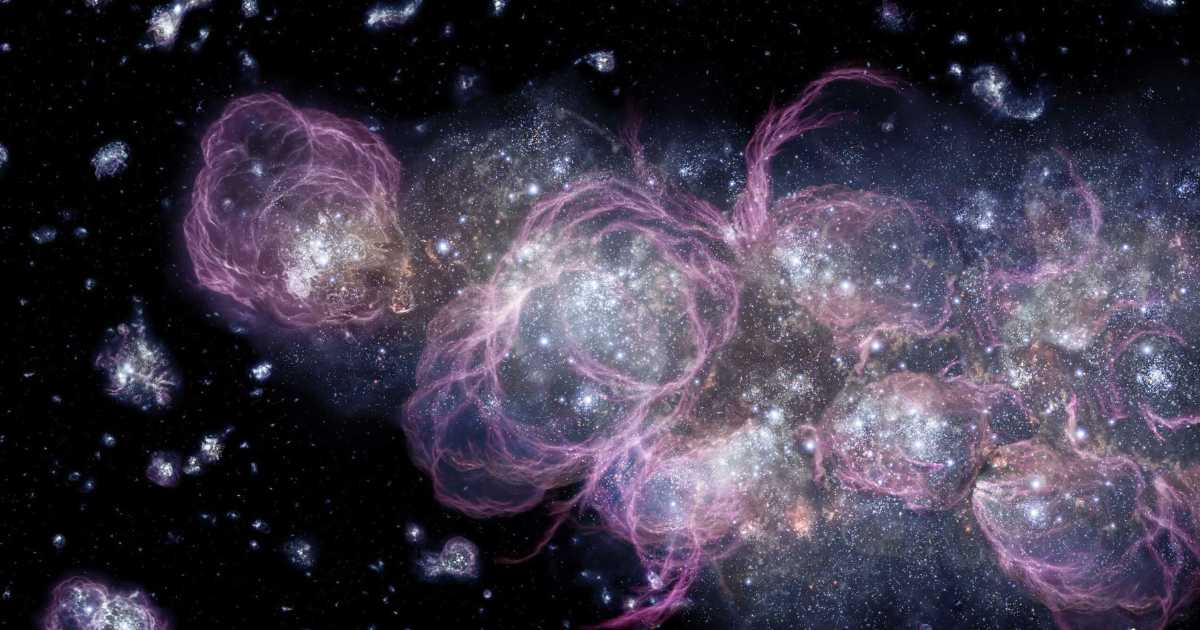
“The images will showcase the unique scientific capabilities of Roman, which will soon capture deep, panoramic, never-before-seen views of the universe to explore the mysteries of dark energy, dark matter, and worlds outside our solar system,” NASA said in a statement. Interestingly, NASA is also offering the public the chance to ‘claim a corner of the universe.’ If you have an email address, you can use it to claim a pixel of one of Roman’s first images in the form of a digital trading card and even share it with NASA on social media. You can claim your pixel here by submitting your name and email address.
What’s the status of the Roman Telescope?
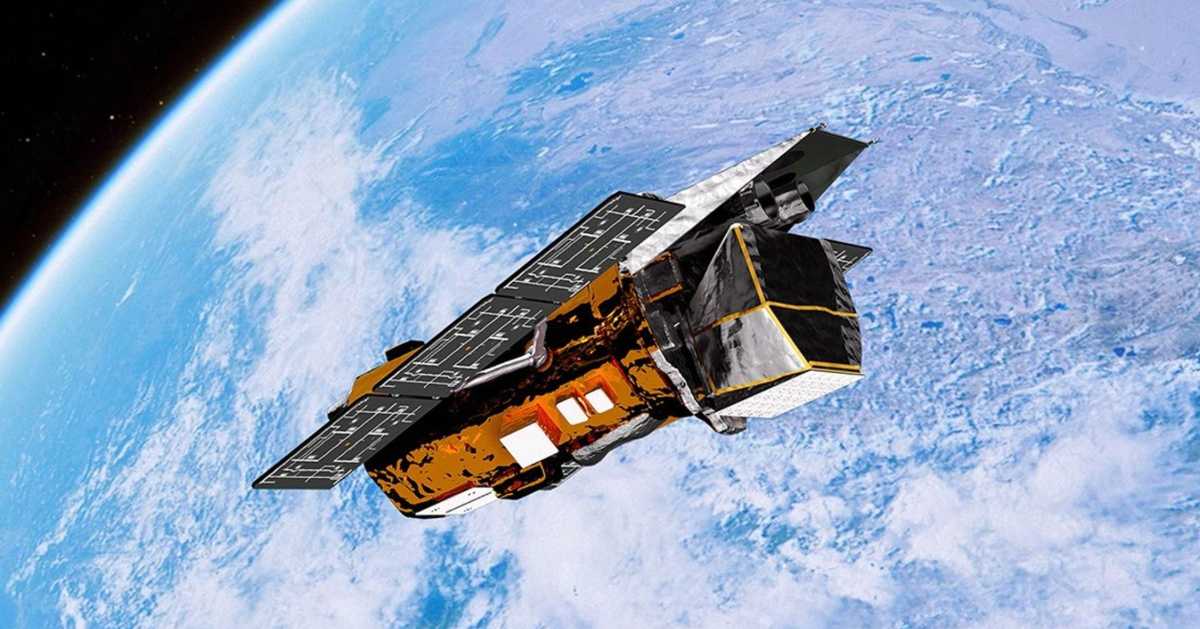
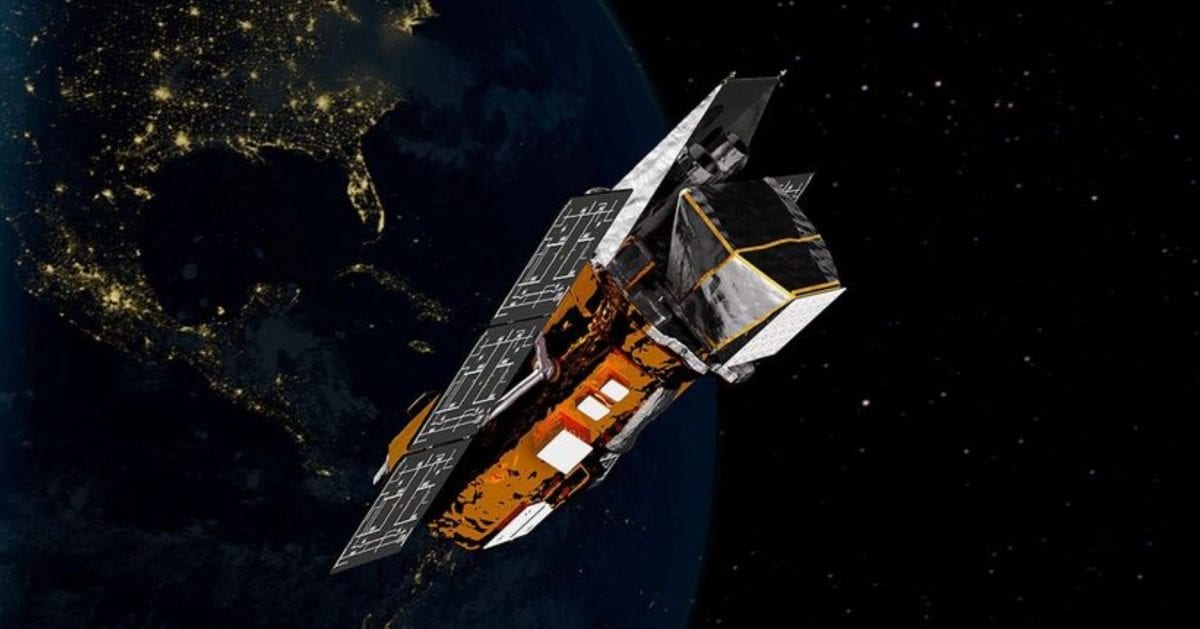
The Roman Telescope is en route to the second Earth-Sun Lagrange Point (L2), which is approximately a million miles away. Launched on August 30, the telescope has undergone a months-long commissioning phase during which the mission team checked its critical instruments, powered them on, and calibrated them for observations. Roman is equipped with two main instruments—the Coronagraph Instrument, which will allow it to directly image exoplanets around stars, and the Wide Field Instrument (WFI), which will enable observations of large swaths of sky at once.
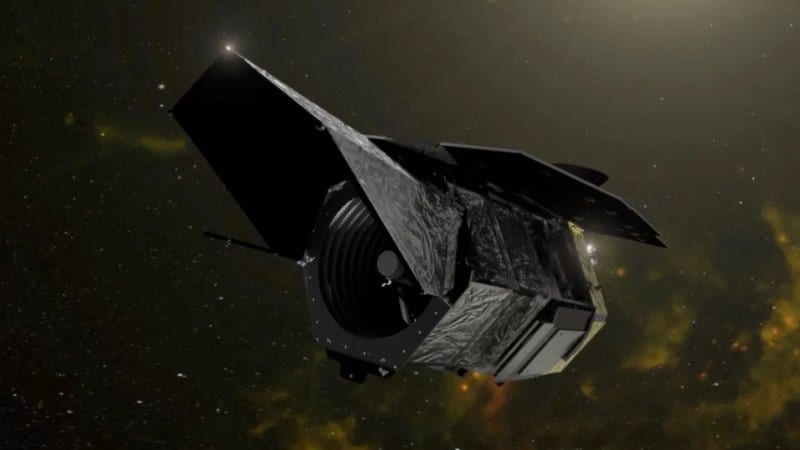
“In addition to helping scientists explore dark matter, dark energy, and exoplanets, Roman’s surveys will support a broad range of research extending far beyond the mission’s main science goals,” said NASA.
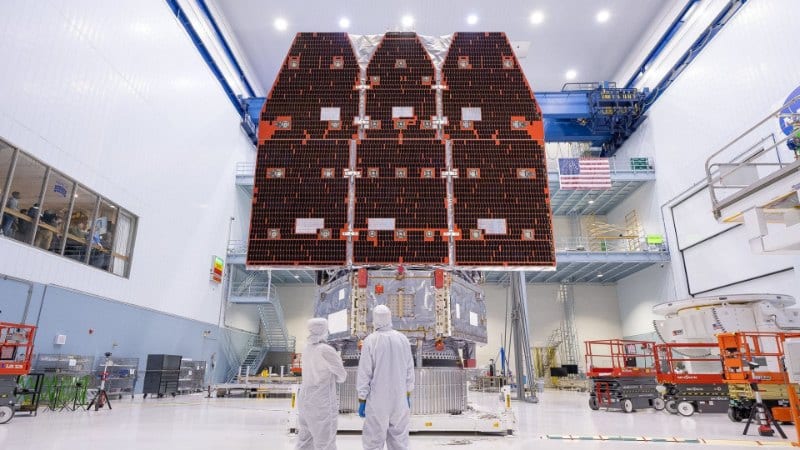
The $4.3 billion telescope took a decade to come together, and scientists are excited about the capabilities Roman has already demonstrated. Last week, it got closer to beginning science observations as the mission team precisely lined up the observatory’s optics and instruments. The 300-megapixel WFI has 18 detectors, and all of them need to work precisely to lock onto a target. It is not just Roman’s primary instrument, but also acts as a guide, helping the telescope point and hold steady during observations. NASA says the WFI will carry out simultaneous observations of the sky while the coronagraph is searching for exoplanets around nearby stars.
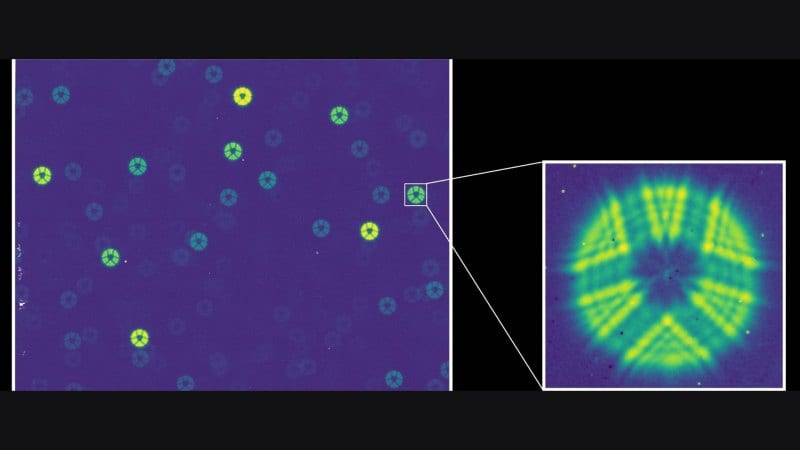
Roman has been declared ‘fully functional’ as several of its systems are working better than expected. Not only does it have enough fuel to last at least 22 years, but the WFI has also exceeded image-quality expectations by nearly 30 percent. We already got a glimpse of what's coming with Roman's first test image released in September. The image features hundreds of out-of-focus stars in donut-shaped patterns, but the real pictures will be much sharper and clearer once Roman goes fully online.
More on Starlust
A planet disappeared without a trace this year. Scientists now know what happened
NASA’s Chandra X-ray Telescope finds out why this massive star has been flaring up every 113 days