NASA's $145m gamma-ray telescope, meant to probe Milky Way elements' origins, readies for '27 launch
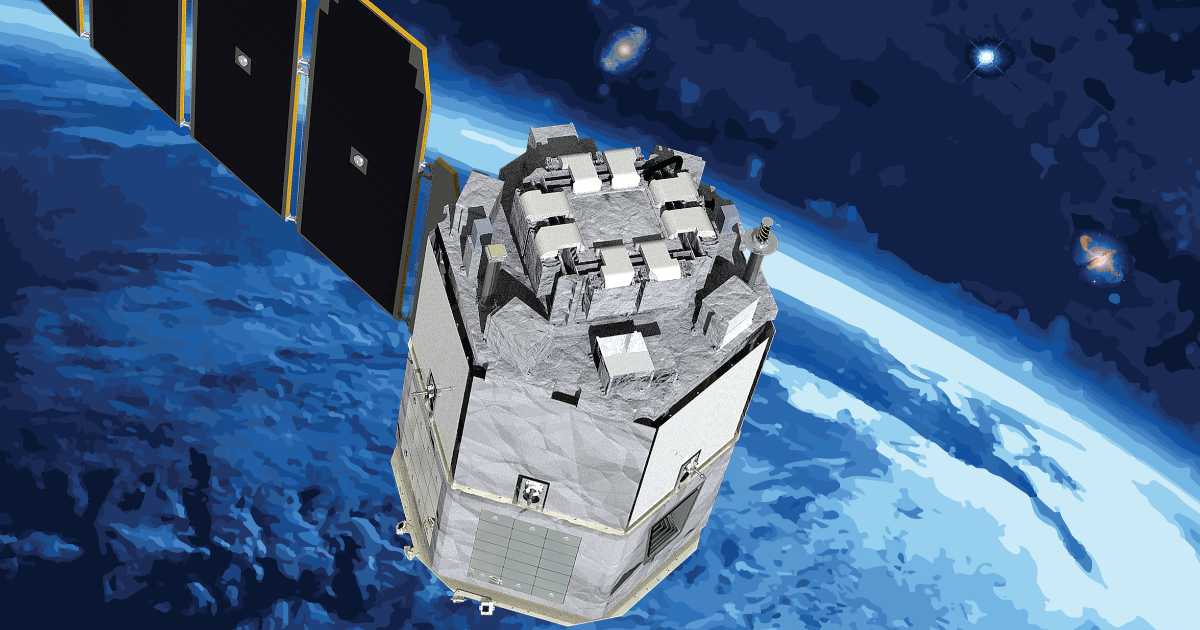
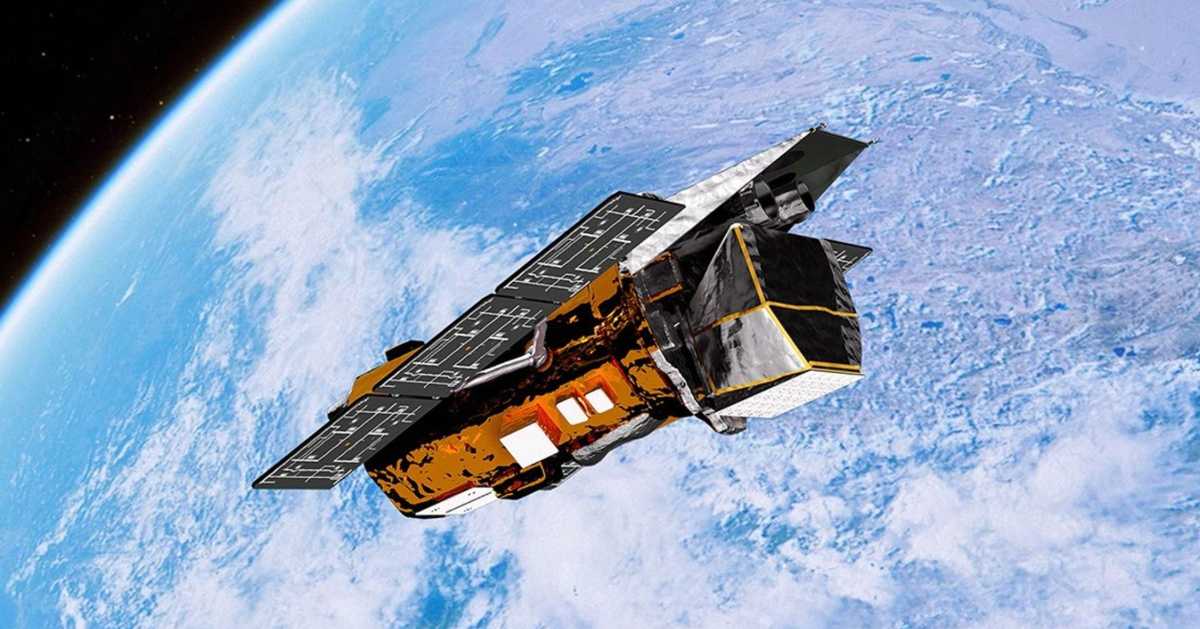
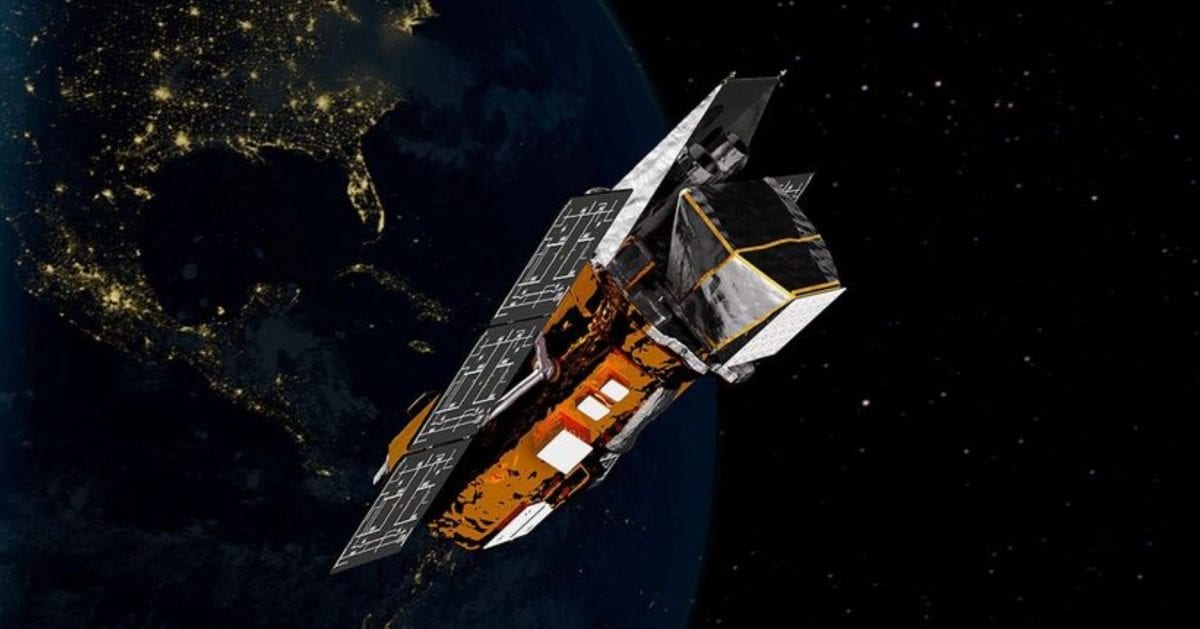
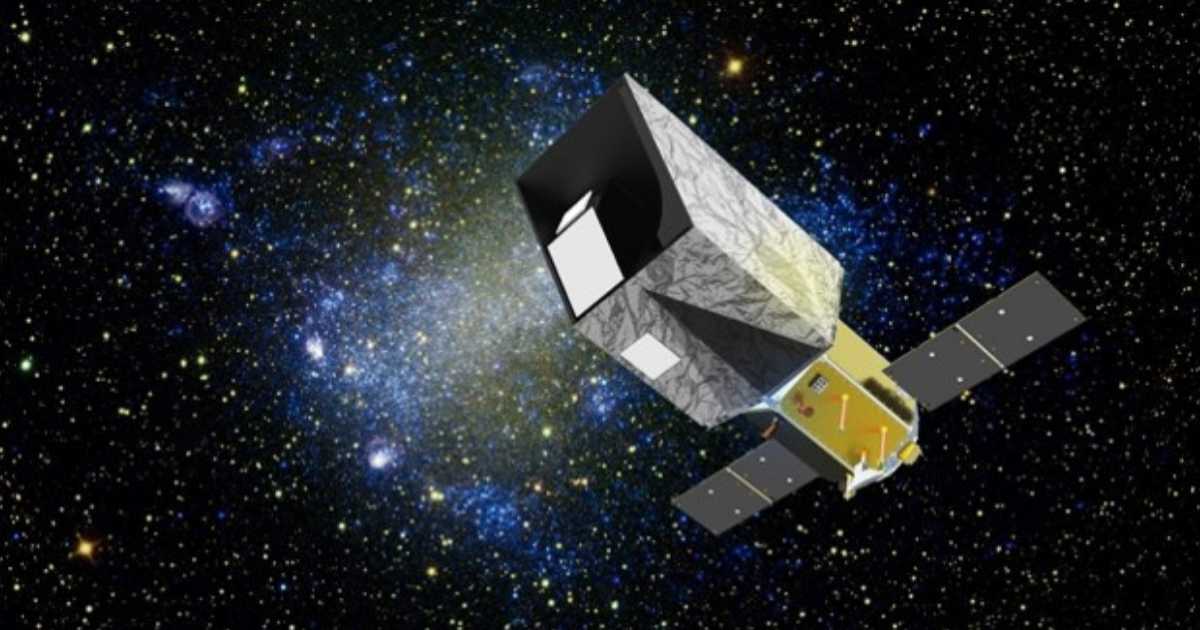
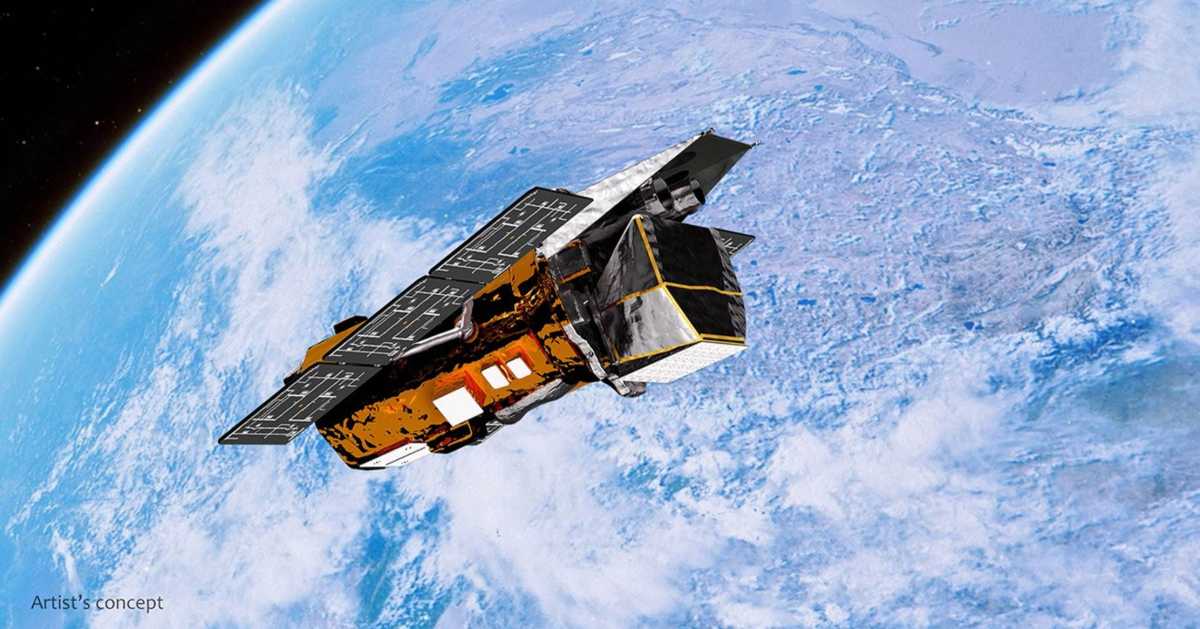
NASA's next-generation gamma-ray telescope, or COSI (Compton Spectrometer and Imager), reached an important milestone earlier this month. In an update on November 16, the agency announced that the scientific payload for the wide-field gamma-ray telescope had reached Northrop Grumman’s satellite manufacturing facility in Sterling, Virginia. The mission is currently scheduled for launch in August 2027 on a SpaceX Falcon 9 rocket from Cape Canaveral Space Force Station in Florida. This wide-field observatory will analyze various phenomena in the cosmos, both in the Milky Way and beyond. This includes phenomena involved in the origin and annihilation of matter and antimatter as well as the final phases of a star's life.
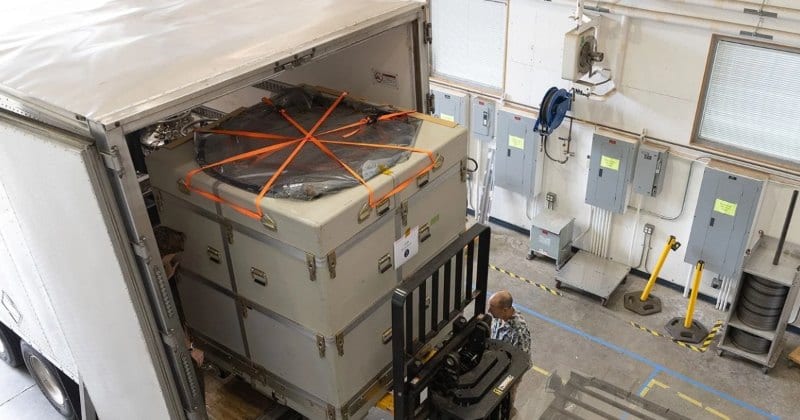
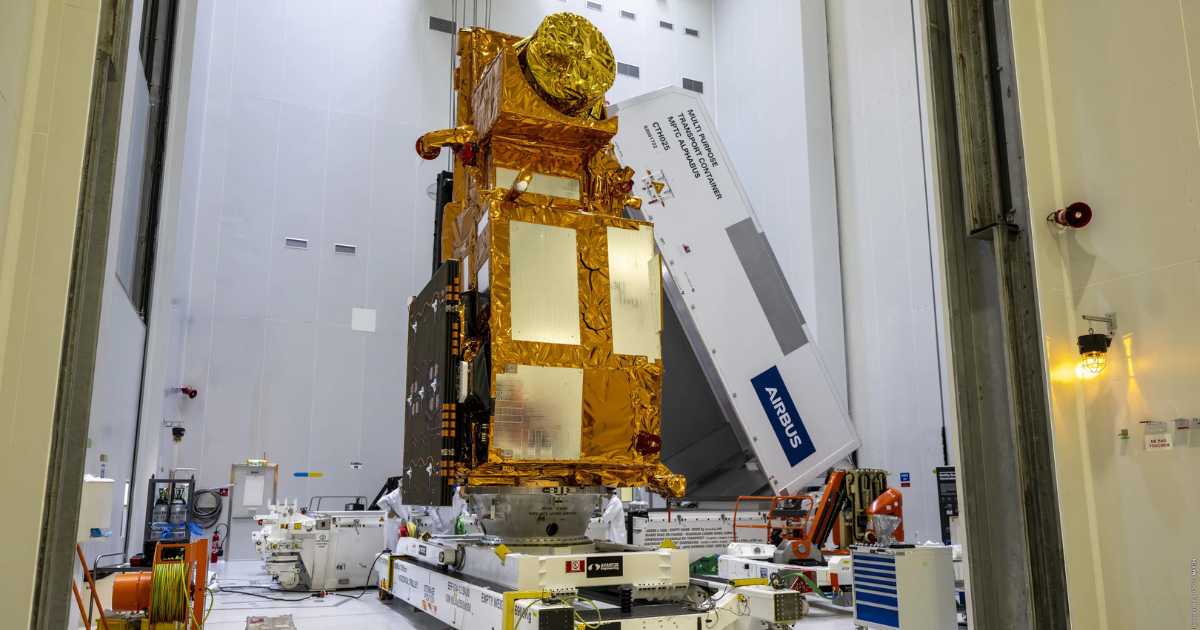
NASA said that engineers have begun assembling the telescope's instruments. Going forward, they will install the payload onto an LEOStar-2 spacecraft and conduct vibration and thermal testing to see if it will be able to survive the conditions during launch and the extreme environment of space.
It’s coming together! Engineers are assembling the instruments for our COSI (Compton Spectrometer and Imager) spacecraft, slated to launch next year. This wide-field gamma-ray telescope is designed to study energetic phenomena in the Milky Way and beyond. https://t.co/tPIfjPPqXJ https://t.co/cuFGv0tfGY
— NASA Universe (@NASAUniverse) November 16, 2026
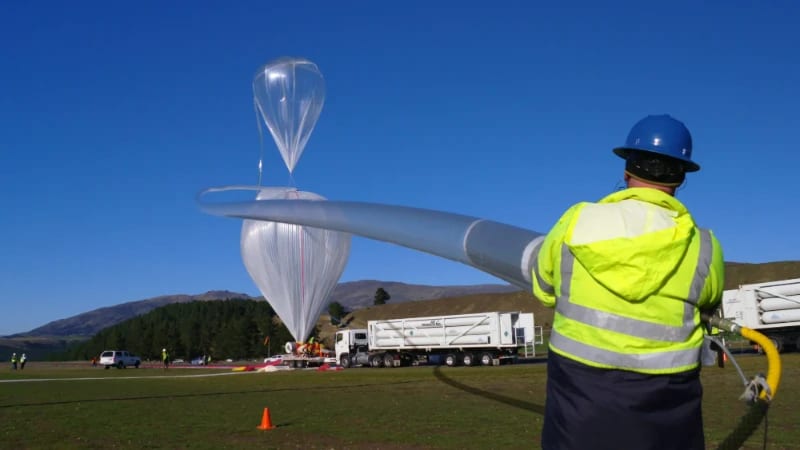
The design of the COSI mission builds on two decades of technology development tested on scientific balloons. The last such flight took place between May and July 2016, when the COSI team detected and localized its first gamma-ray burst, GRB 160530A, which was recorded by the telescope for around 10 seconds. For context, gamma-ray bursts, or GRBs, are short-lived, lasting between a few milliseconds and several minutes. But they are regarded as the most powerful events in the known universe and can erupt with a quintillion times the brightness of our Sun.
#DYK, our upcoming COSI satellite got its start on giant balloons floating at the edge of space? Before designing a satellite, the team tested the instrument on scientific balloons! The payload collected data from its first gamma-ray burst at 110,000 feet. https://t.co/HhtXcNIQxg https://t.co/cHFhE1m9Zb
— NASA Universe (@NASAUniverse) November 9, 2026
Part of NASA's Astrophysics Explorers Program, the COSI mission was selected by the agency for development in 2021 from among 18 telescope proposals. "COSI will answer questions about the origin of the chemical elements in our own Milky Way galaxy, the very ingredients critical to the formation of Earth itself," said Thomas Zurbuchen, the then Associate Administrator for the agency’s Science Mission Directorate in Washington, as part of the selection announcement.
The COSI observatory will analyze gamma radiations produced from radioactive atoms, which are generated by the eruptions of giant stars. These gamma-ray emissions will be mapped to get a picture of where chemical elements were created in the Milky Way. The telescope will also investigate the source of our galaxy's positrons, or antielectrons, which are subatomic particles that have the same mass as electrons but are positively charged. Furthermore, COSI is expected to detect nucleosynthesis (the creation of new atomic nuclei) sites in the Milky Way, conduct research on polarization of gamma rays, and discover counterparts to multi-messenger sources. Multi-messenger astronomy, as its name suggests, involves studying a cosmic event using multiple types of signals, including gravitational waves, neutrinos, and of course, light. COSI will detect GRBs, like it did in 2016, allowing quick follow-up observations by other operational telescopes.
COSI will study energetic phenomena in the Milky Way and beyond, including the creation and destruction of matter and antimatter and the final stages of the lives of stars. COSI is currently preparing for its launch as a satellite in 2027. Stay tuned: https://t.co/f2F6XjnKzb https://t.co/ydix2zKXW9
— NASA Universe (@NASAUniverse) November 9, 2026
NASA had said in 2021 that the mission would cost around $145 million. Meanwhile, the firm-fixed-price contract that the agency awarded SpaceX in 2024 for launch services and certain other mission-related costs has an additional value of about $69 million.
More on Starlust
Hubble Space Telescope captures powerful stellar explosion lighting up nearby clouds
James Webb Space Telescope maps Uranus’s upper atmosphere for the first time ever