First African space payload to launch to the Moon in 2029 with China’s Chang’e 8 mission
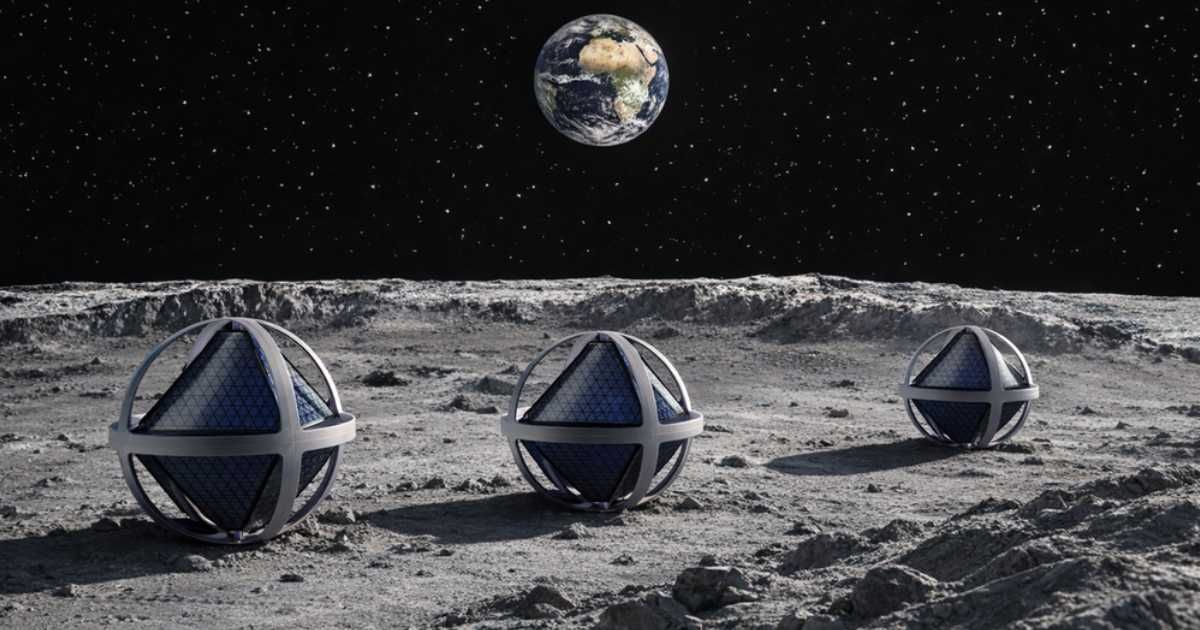
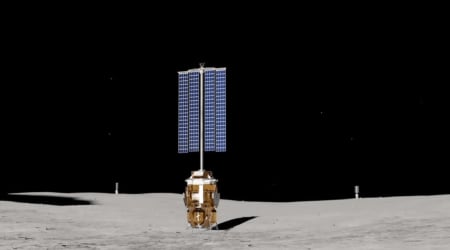
For the first time, Africa will have its own presence on the Moon when a payload built entirely on the continent will find its way beyond Earth orbit aboard China's Chang'e 8 mission. Known as Africa2Moon, the project features a low-frequency radio telescope array that will be deployed in the Moon's South Pole region in 2029. Designed to demonstrate a new technology, the payload will operate in an environment where temperatures drop to a frigid minus 328 degrees Fahrenheit. While some robotic missions—such as India's Chandrayaan-3 and the American Odysseus lander—have already touched down in this lunar region, it has been earmarked as a target for future research bases by both Chinese and American space programs.
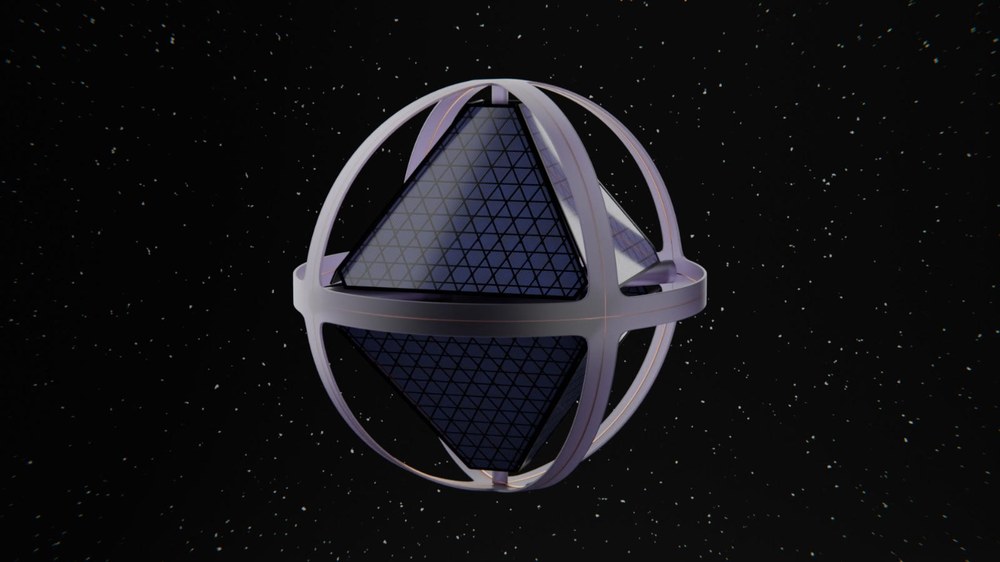
The payload that will be part of the Africa2Moon project consists of three round antennas known as Bounced African Low Lunar Spheres (BALLS). Meant to work in unison, these three spherical instruments are the first of their kind and are capable of detecting low-frequency radio waves that are blocked or distorted by Earth's atmosphere. Following mishaps with US and Chinese lunar instruments, Africa2Moon is also positioned to possibly become the first fully successful radio astronomy experiment operated on the lunar surface. Unlike optical telescopes that depend on visible light, radio astronomy observes the cosmos through radio waves, which is ideal for collecting research data from deep space objects to learn about the origins of the universe.
Although African nations have successfully built and launched Earth-orbiting satellites previously, Africa2Moon will be a significant step-up from these communications and observation satellites. The project is being led by the Foundation for Space Development Africa (FSDA) alongside a team of expert volunteers. These parties are working in close collaboration with the South African National Space Agency, the South African Radio Astronomy Observatory, and the National Institute of Theoretical and Computational Sciences. The initiative spans the continent with contributions from institutions in Kenya, Ghana, and Botswana. Engineering teams at Petrawell—an aerospace engineering company—the Aerospace Systems Research Institute at the University of KwaZulu-Natal, and the Electronic Systems Laboratory at Stellenbosch University (all South African) have already built functional, structurally true models to be tested by the Chang'e-8 team.

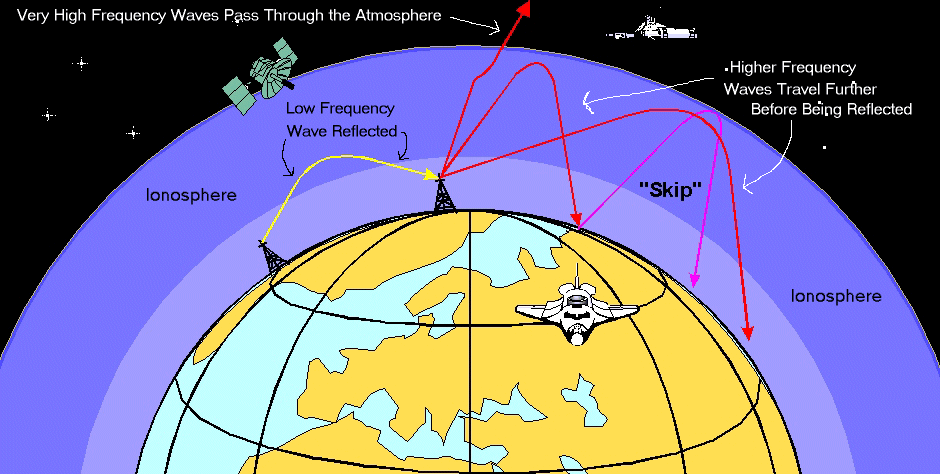
Deploying radio astronomy equipment to space is meant as a measure to overcome the physical limitations present here on Earth. The ionosphere is opaque to radio frequencies below a certain threshold (about 20 MHz). Moreover, the Moon offers a radio-quiet environment in which to make observations by acting as a barrier from terrestrial radio noise and space weather. The primary objective of the 2029 demonstration mission is to improve the characterization of radio sources—including cosmic background radiation, the early universe, the Sun, and Earth.
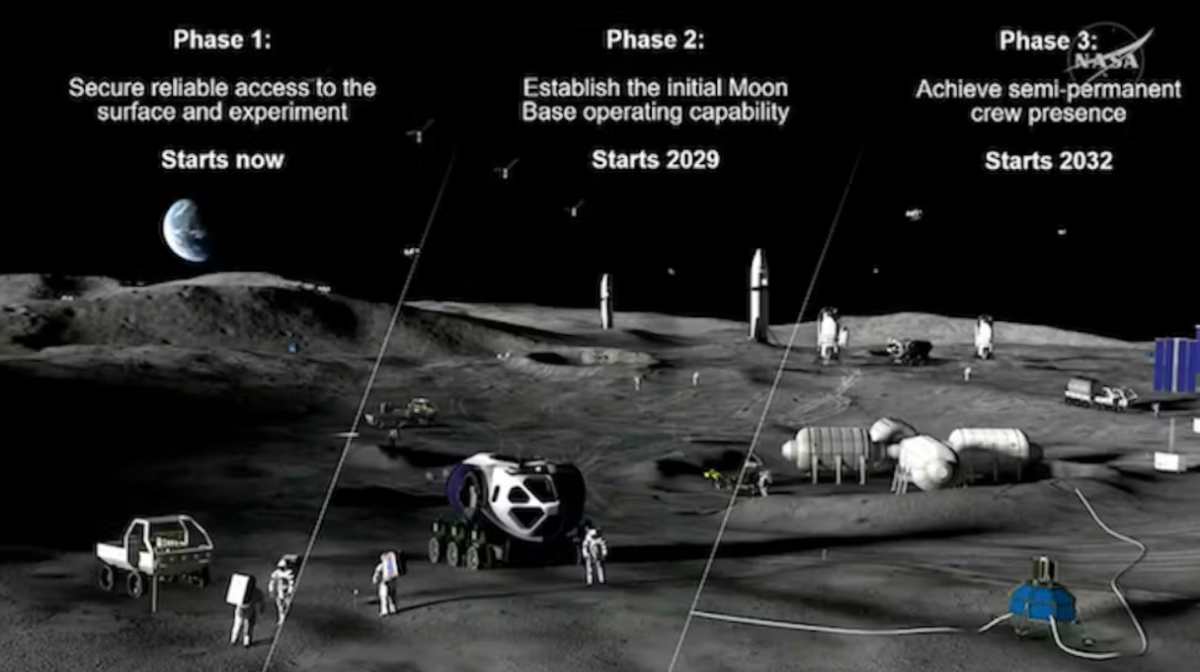
Beyond proving that low-cost and low-mass hardware can find its use in the harsh conditions of the lunar South Pole, this initial 3-array collection of BALLS will serve as a pathfinder for a far more expansive mission to the Moon. Insights gained from the Chang'e 8 landing will lay down the groundwork for another Africa2Moon mission, which will see the deployment of 55 antennas across the radio-quiet far side of the Moon. The number 55 is meant to signify all African nations. For context, note that this development comes in the midst of a space race already developing between the US and China. NASA is leading the Artemis and Moon Base programs, and the China National Space Administration (CNSA) is keeping the lunar south pole in its sights with a mission this year such as Chang'e 7.
More on Starlust:
Can NASA restrict China's access around its Moon Base? Here's what space law says
China unifies its space programs to put astronauts on the Moon by 2030: 'We will spare no effort'