Moon Base: Blue Origin reaches launch pad and lunar lander milestones
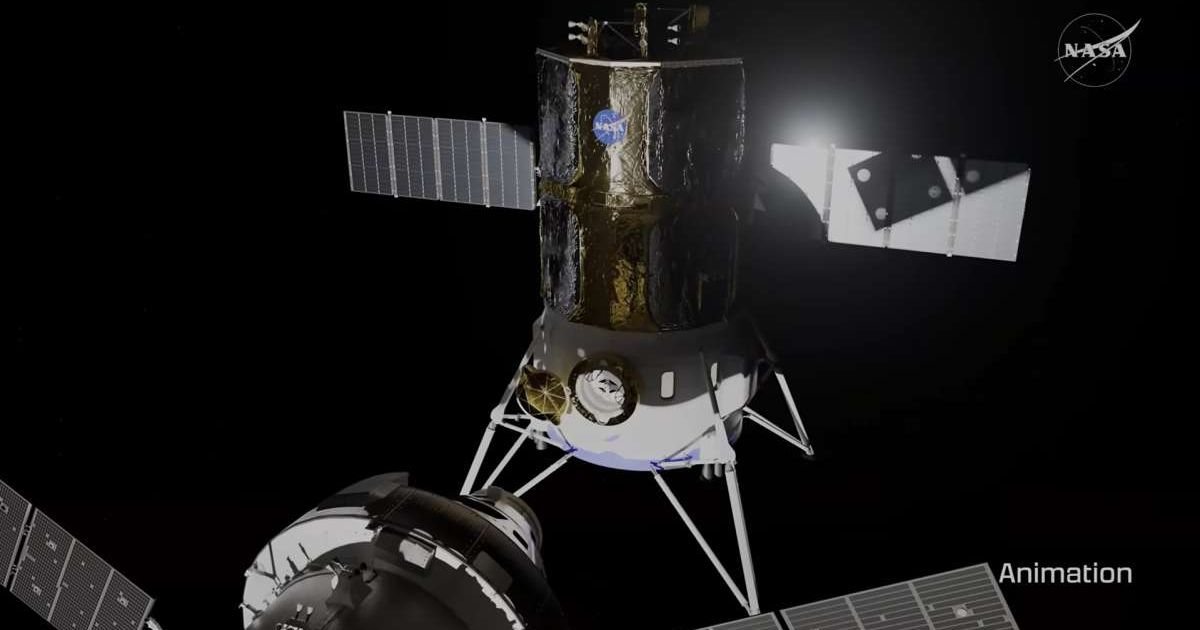
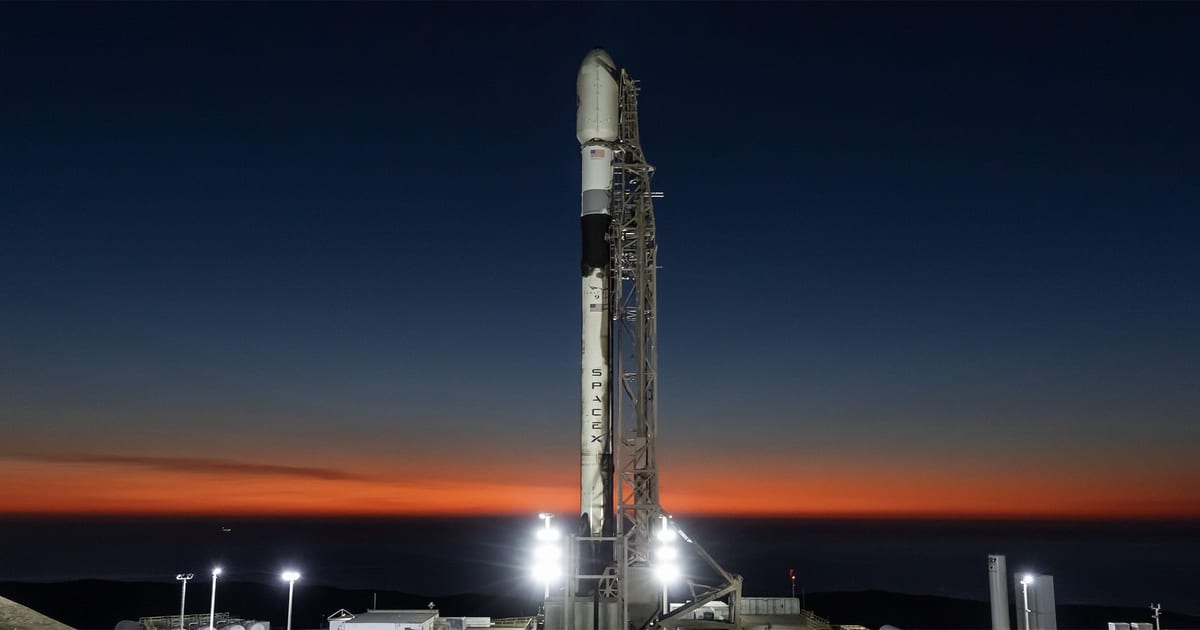
Blue Origin's CEO Dave Limp took to X on July 8, 2026, to share further updates on the progress made at Launch Pad 36A in Florida. It's only been a little over a month since the catastrophic NG-4 hotfire test explosion rocked the company and raised questions about its participation in NASA's Moon missions, but the efforts to get the pad mission-ready again have been impressive. In response to the post, NASA Administrator Jared Isaacman commented, "Great progress." Meanwhile, the company's Endurance lander is being prepared for a mission to the lunar surface that was originally slated for this fall. A new thruster meant for use on the Artemis III mission is also getting close to being flight-ready.
Progress at Launch Pad 36A
In his post on X, Limp shared that the four-million-pound launch bridge had survived the explosion and would be reused. He added that the massive structure has already been removed from the flame trench and will be placed onto the self-propelled modular transporters along with the two-million-pound launch table. The previous update from the company had revealed that Launch Pad 36A is being revamped, keeping a new concept of operations in mind. This new ConOps—as it is called—will see the company assemble the majority of the rocket while it is horizontal inside the company's integration facility, from where it will be driven down to the launch pad before being hoisted vertically by a crane and topped off by the payload.
Some questions have come up on the launch bridge. It is in good shape and we will reuse. Three cranes are positioned to help lift the almost four-million-pound launch bridge and the two-million-pound launch table out of our flame trench and onto self-propelled modular… pic.twitter.com/lSPGgfYQIV
— Dave Limp (@davill) July 8, 2026
Blue Moon Endurance lander
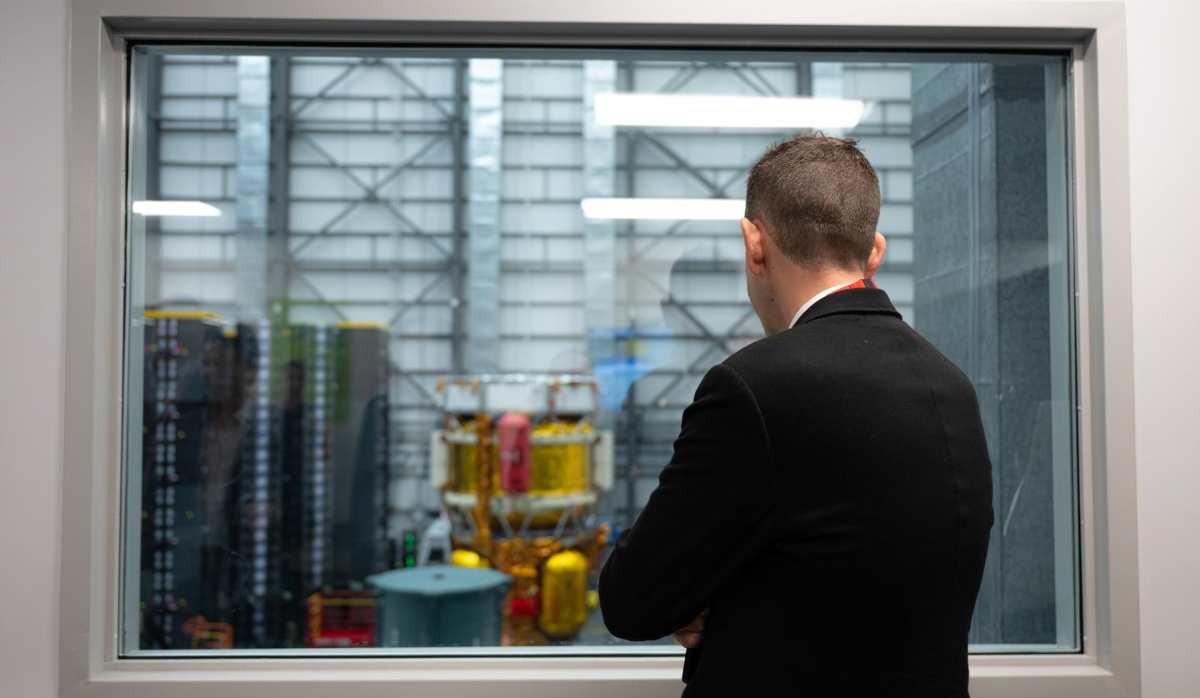
Teams at Blue Origin recently positioned the company's BE-7 engine into place on the Blue Moon Endurance lunar lander set to be launched for NASA's Moon Base I mission. Raising the engine will allow feedlines of liquid hydrogen (LH2) and Liquid Oxygen (LOX) to be fitted, trimmed, and welded during the installation process. The spacecraft also went through a shock test in May, during which 21 accelerometers were installed all around the vehicle to simulate the environment it will experience upon separating from the New Glenn rocket.
Fit check!
— Blue Origin (@blueorigin) July 7, 2026
The team recently lifted the BE-7 engine into position on Endurance to fit, trim, and weld the liquid hydrogen (LH2) and Liquid Oxygen (LOX) feedlines, and to adjust the struts to the installation length, setting up a streamlined engine install following the… pic.twitter.com/lddTxoGHoW
BT-7 thruster hotfire test
The company is slated to launch another iteration of its Blue Moon lander as a test article for the Artemis III mission next year. The company has stated that the BT-7 thrusters to adjust this test article's attitude in space have undergone successful hotfire tests. According to Blue Origin, BT-7 is the first hypergolic bipropellant thruster the company has built and will have applications beyond Artemis III as well.
Our thrusters team just wrapped another successful hotfire test campaign for BT-7, a fully Blue Origin-developed thruster, from valves to thrust chamber, capable of pulsed and long-duration operation for vehicle attitude control and orbital maneuvering. These latest tests… pic.twitter.com/RuWyPYIyhN
— Blue Origin (@blueorigin) July 8, 2026
These updates point to various teams at Blue Origin pulling in the same direction to mitigate the losses incurred by the NG-4 hotfire explosion, especially in terms of development timelines. Limp had earlier established the company's short-term goal of seeing New Glenn fly by the end of the year, which could yet be a possibility given a few critical pieces of hardware such as the Never Tell Me the Odds booster being spared from the blast. That said, the company is still in a race against time to manage participation across multiple NASA missions, with the agency keeping all options open.
More on Starlust
Artemis III: Blue Origin's test lander can launch on another rocket if New Glenn isn't ready on time
New Glenn’s massive explosion in Florida could impact NASA’s Moon Base ambitions—here's why