First pictures of Starlink V3 satellites deployed during SpaceX Starship Flight 13 have been released
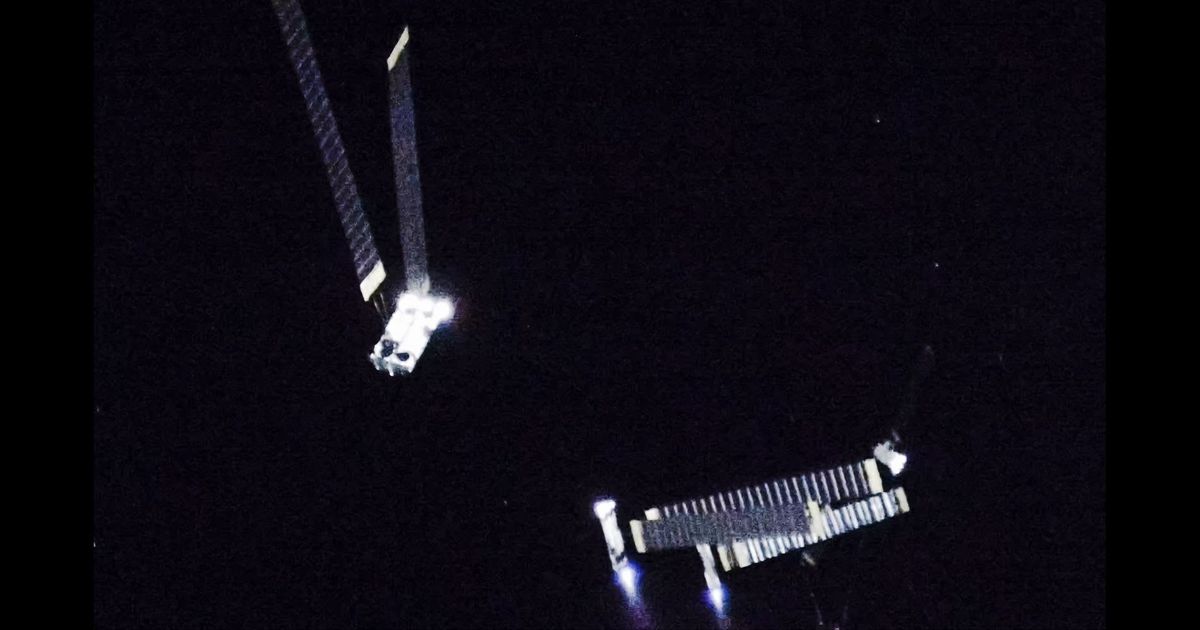
Editor's note: The caption of the cover image was updated with a correction at 4:41 a.m. EDT on September 22, 2026.
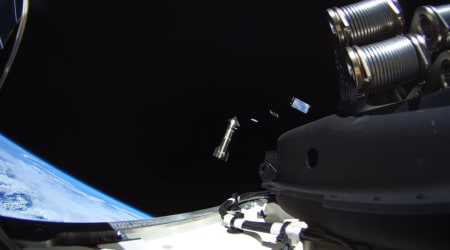
Elon Musk’s Starlink has shared the first pictures of the Version 3 or V3 satellites that were deployed by Starship on its 13th integrated test flight. In a post on X on Thursday, the company said that during the flight, the satellites successfully deployed their solar arrays, fired their thrusters, and established connections with the larger Starlink constellation using radio frequencies and laser links. They were also tasked with photographing Starship's heat shield and sending the imagery back to operators on the ground. “The first Starlink V3 satellites in space successfully deployed their solar arrays, fired their thrusters, established connections with the Starlink constellation using radio frequencies and laser links, and captured imagery of Starship,” Starlink posted on X.
The first Starlink V3 satellites in space successfully deployed their solar arrays, fired their thrusters, established connections with the Starlink constellation using radio frequencies and laser links, and captured imagery of Starship pic.twitter.com/Ro8MRXFu08
— Starlink (@Starlink) July 30, 2026
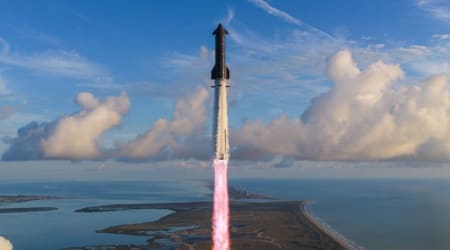
As many as 20 Starlink V3 satellites were deployed by the upper stage after it separated from the Super Heavy Booster a few minutes after liftoff on July 24 from Starbase, Texas. Notably, all 20 satellites are expected to have burned up in the atmosphere after completing the objective approximately 20 minutes after deployment. Six of these satellites were equipped with cameras to transmit imagery to operators.
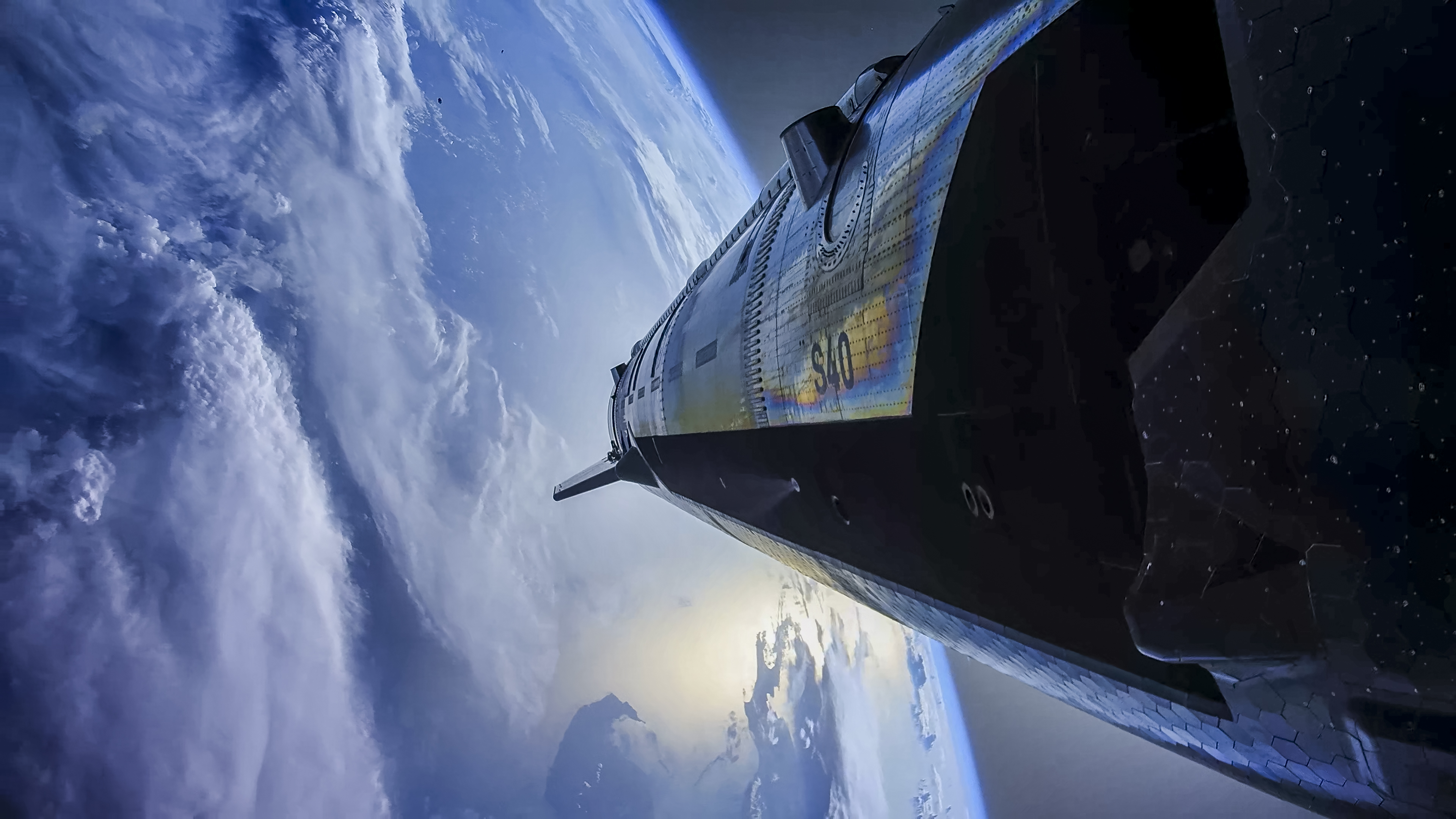
The V3 satellite, according to Starlink, is a major upgrade over the V2 batch, which SpaceX has been launching onboard the Falcon 9 rocket since 2023. For instance, it's designed to support 1 Tbps of downlink and 160 Gbps of uplink capacity, offering a 10x improvement in downlink capacity and a 22x improvement in uplink capacity over its predecessor. Of course, these enhanced capabilities will also require a better power supply. The solar arrays onboard its V3 satellites will generate about twice as much power as those on the V2 ones. According to Starlink, the enhancements in the next-gen satellites will enable SpaceX to “deploy approximately 20 times the capacity per Starship launch into the constellation as compared to a Falcon 9 launch of V2 satellites.”
Starlink’s role in NASA’s Artemis III mission
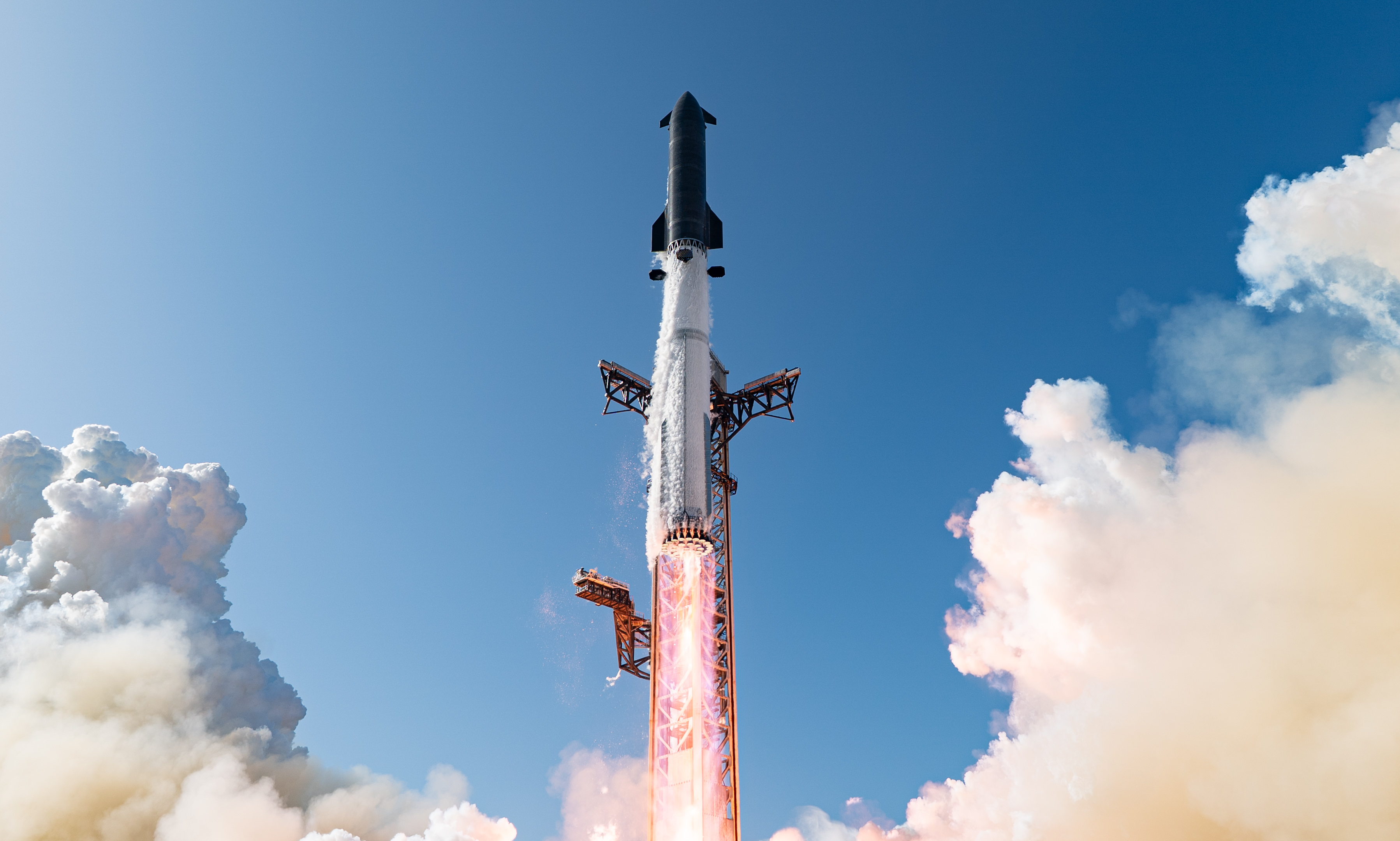
Earlier this month, NASA announced that it had selected SpaceX to provide laser communications capabilities via Starlink during the crewed Artemis III mission next year. The agency stated that two Starlink terminals will be installed on the exterior of the Orion spacecraft to obtain 4K imagery of the rendezvous and docking activities with Starship and Blue Origin’s landers. The imagery of the mission will be transmitted to the Mission Control Center at the Johnson Space Center in Houston and will be shared with the public as well.
More on Starlust
SpaceX’s Starship still afloat in Indian Ocean, Elon Musk says ‘sending a ship for recovery’
SpaceX Falcon 9 rocket debris to crash into the Moon on August 5 at 5,400 mph—can you see it?