NASA Curiosity rover detects new organic compounds, strengthening case for Mars’ past habitability
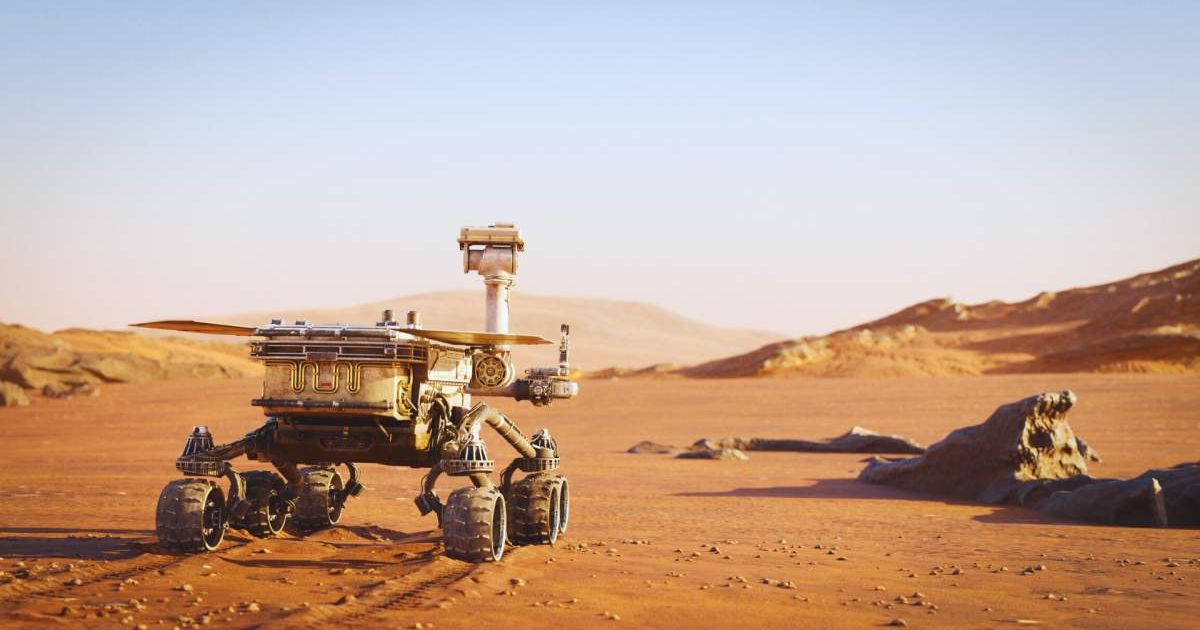
Mars may look lifeless at first glance. But a new experiment conducted by NASA’s Curiosity rover just proved the Red Planet might have more to reveal. The rover's recent findings revealed a range of previously undetected organic compounds. The recent past has seen the scientific world involved in studies that have hinted that Mars might have supported life ages ago. And now, such a detection by the rover as revealed in the study might just strengthen the case for Mars’ past chemical complexity. The study was conducted by Amy J. Williams, Jennifer L. Eigenbrode, Maëva Millan, et al., published in the journal Nature Communications on April 21, 2026. Williams, a professor of geological sciences at the University of Florida, led the research.

Rover found several molecules of varied components, and adding to that, it detected chemicals that are often referred to as the fundamental building blocks of life on Earth. These components are also essential to indicate a planet's potential to host life. Identifying these elements on the Martian surface might mark a significant advancement in planetary geochemistry, more so because it increases the probability of Mars’ ability to preserve diverse organic signatures over geological timescales. But the science experts have unfortunately failed to differentiate between organic compounds from potential past living organisms on Mars and geologically formed compounds. However, this problem might find a resolution once the rock samples reach Earth.
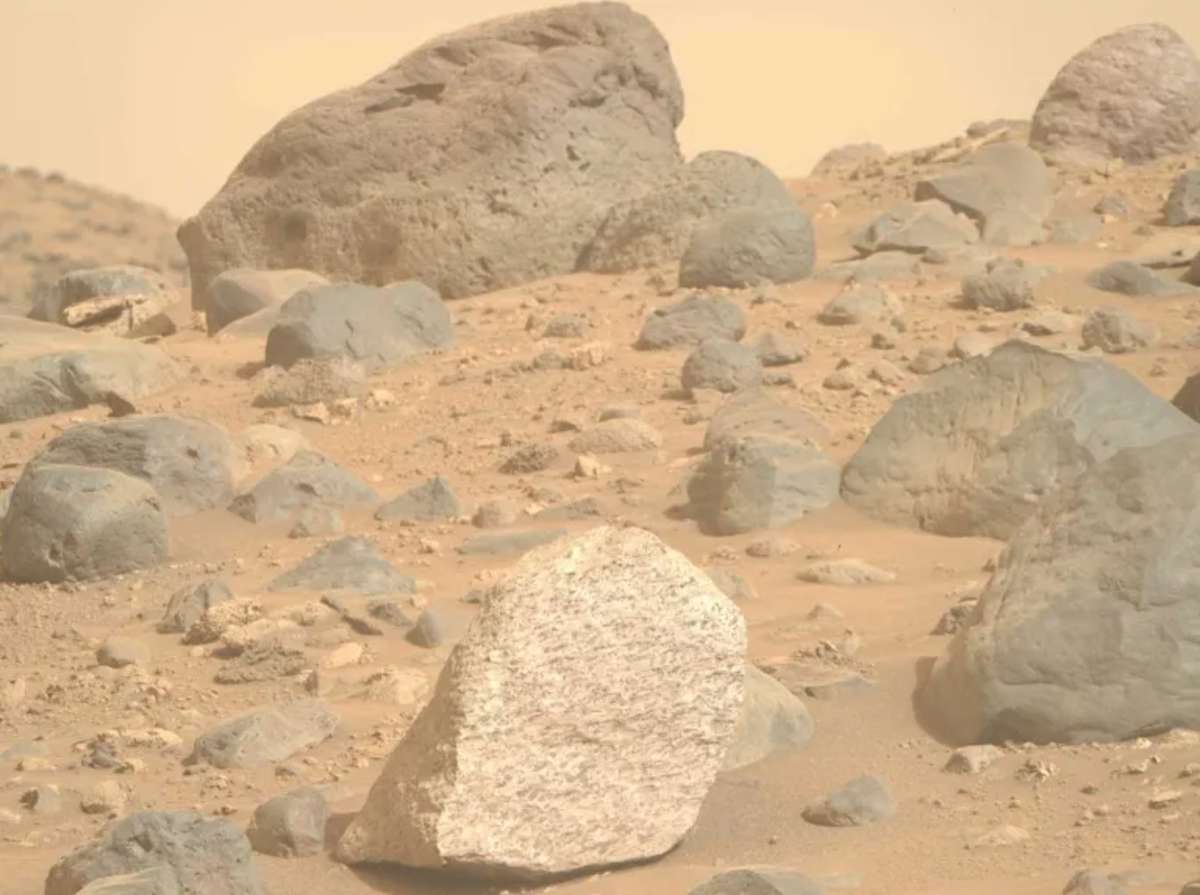
Back in 2012, Curiosity was sent to the red planet in search of signs that would provide evidence that Mars once had the capacity to support life. After a decade, in 2021, scientists wanted to study ancient signs of life that might have formed on Mars.
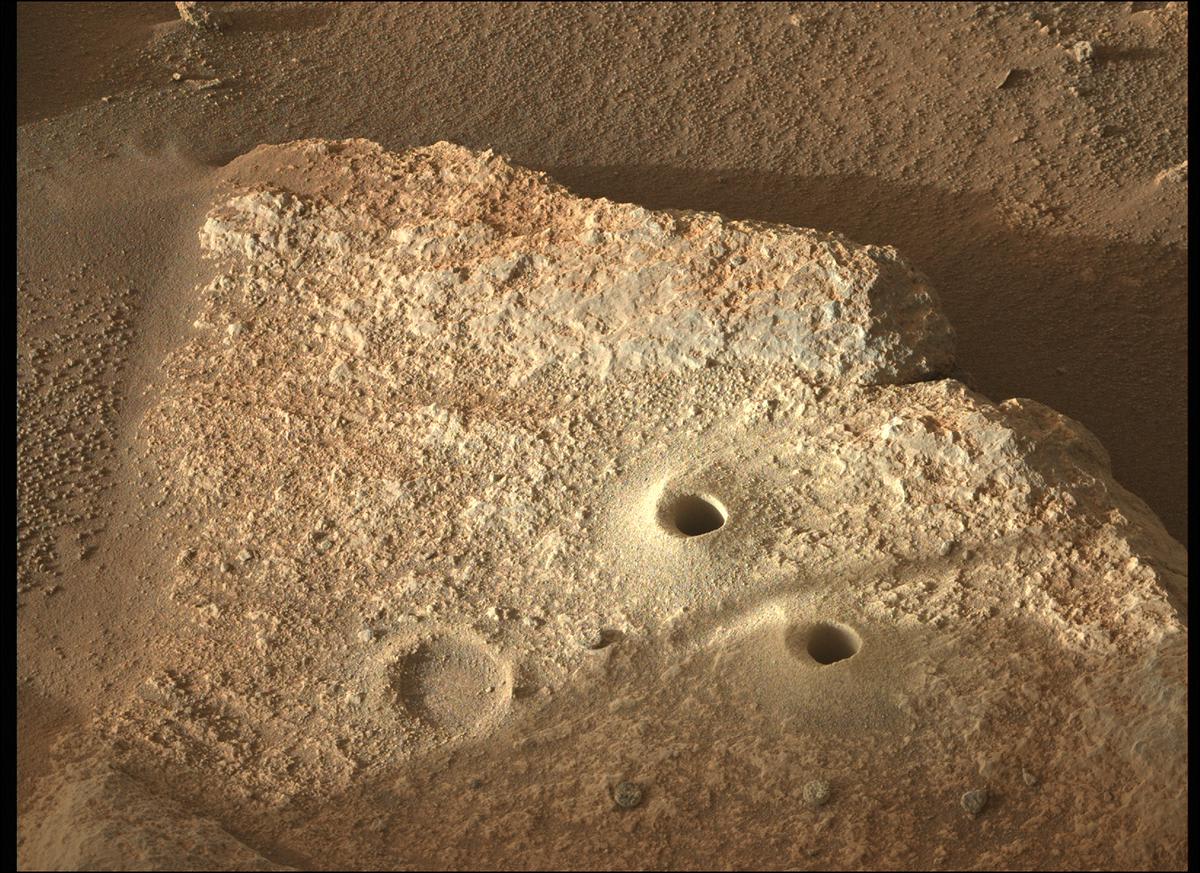
"We think we're looking at organic matter that's been preserved on Mars for 3.5 billion years. It's really useful to have evidence that ancient organic matter is preserved, because that is a way to assess the habitability of an environment. And if we want to search for evidence of life in the form of preserved organic carbon, this demonstrates it's possible," stated Professor Williams. The experiment detected more than 20 chemicals. Amongst them, a molecule was identified by Curiosity containing nitrogen and boasting a structure similar to DNA precursors. Such a chemical has never been found on the surface of Mars before. Adding to that, benzothiophene, which is a sulfurous chemical brought in by meteorites, was found.
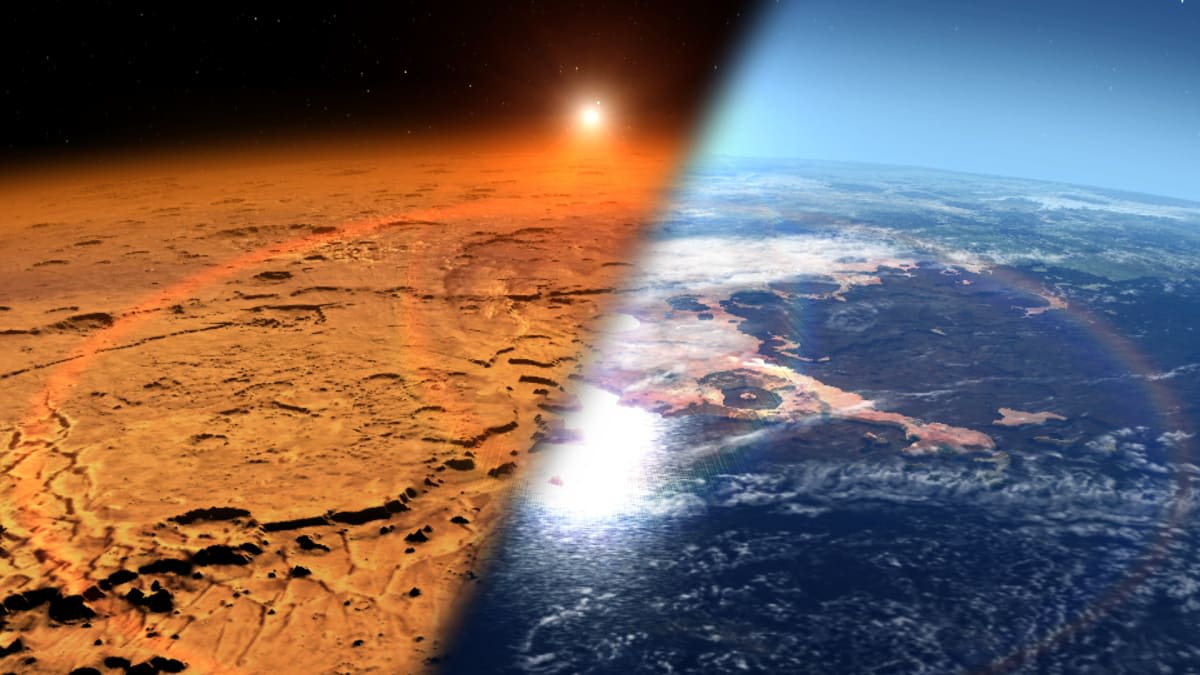
Pointing towards another similarity of Mother Earth with the red planet, Professor Williams said, “The same stuff that rained down on Mars from meteorites is what rained down on Earth, and it probably provided the building blocks for life as we know it on our planet.”
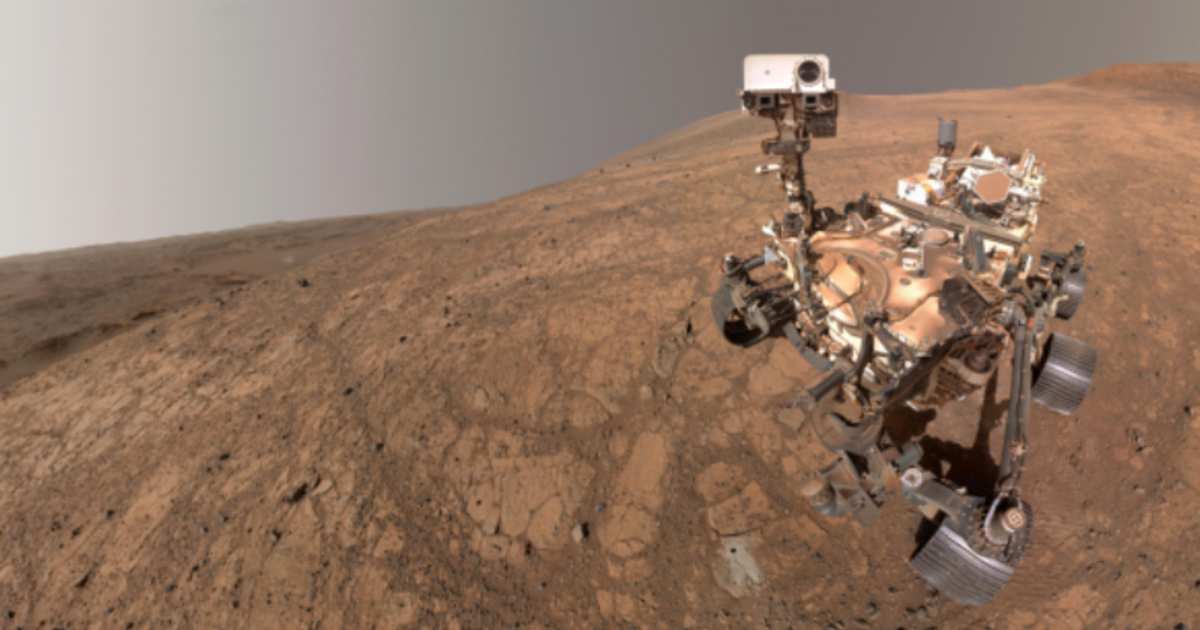
Curiosity landed on the Gale Crater back in August 2012. That crater was previously a lake bed. In 2020, the rover based its study around the Glen Torridon region of the crater. It was an area rich in clay minerals, which hinted towards the fact that it must have once contained water. "We now know that there are big complex organics preserved in the shallow subsurface of Mars, and that holds a lot of promise for preserving large complex organics that might be diagnostic of life," Williams further added. Now, scientists would delve into the matter further to reveal more about Mars’ atmosphere, composition, and habitability.
More on Starlust
Mars may be tiny but its impact on Earth's ice ages has been immense
NASA loses contact with MAVEN orbiter as it goes silent behind Mars