Resilient fungus found on NASA spacecraft could survive trip to Mars. Here's why it surprises scientists.
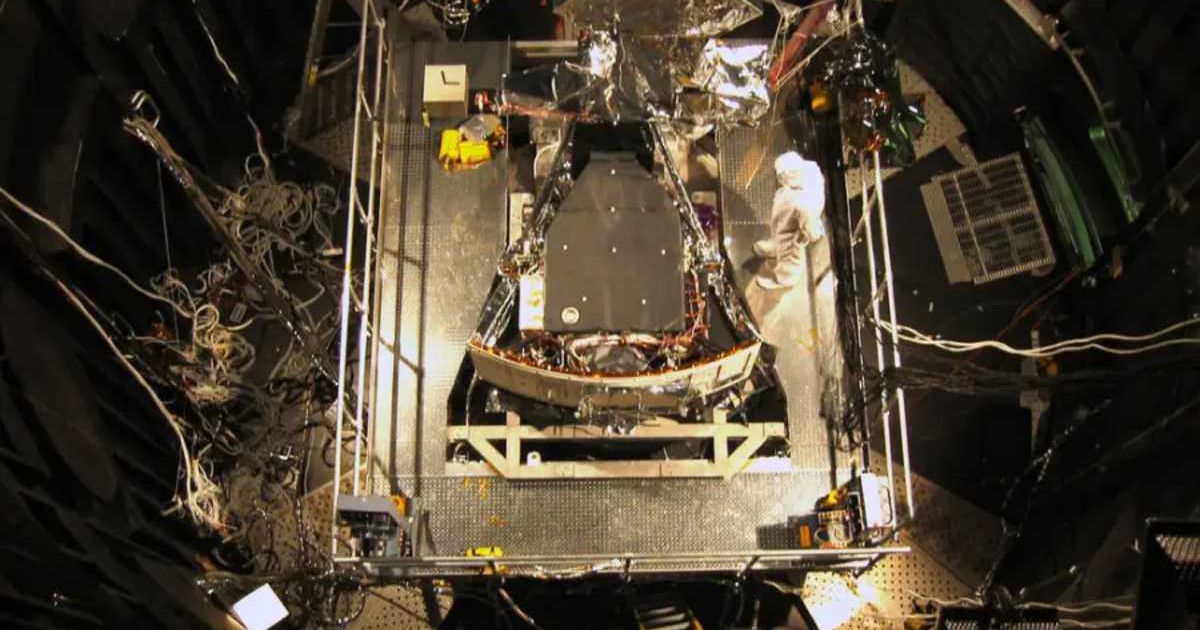
Fungi show their resilience on Earth. However, some of their strains can even embark on a long-distance cosmic voyage to Mars, surviving every brutal step of this journey, according to a new study published in Applied and Environmental Microbiology. A research team at the Jet Propulsion Laboratory has stumbled upon these fungi in NASA cleanrooms – facilities that are used to sterilize the assembly, testing and launching of spacecraft. The fungi thrived after decontamination. The asexual spores called conidia of a fungus, Aspergillus calidoustus, even survived exposures to harsh pressure, temperature and radiation conditions of space and Mars.
“This does not mean contamination of Mars is likely, but it helps us better quantify potential microbial survival risks,” said microbiologist and study leader Kasthuri Venkateswaran, a former senior scientist in the Biotechnology and Planetary Protection Group (BPP) of NASA’s Jet Propulsion Laboratory, in a statement. “Microorganisms can possess extraordinary resilience to environmental stresses.” Researchers have long been curious to know how microbes, including fungi, fare under harsh space conditions. “This study is the first to show that microbial eukaryotes—which have a nucleus, like fungi—could persist through every part of a mission to Mars, from preparation to space travel to robotic exploration,” Venkateswaran said.

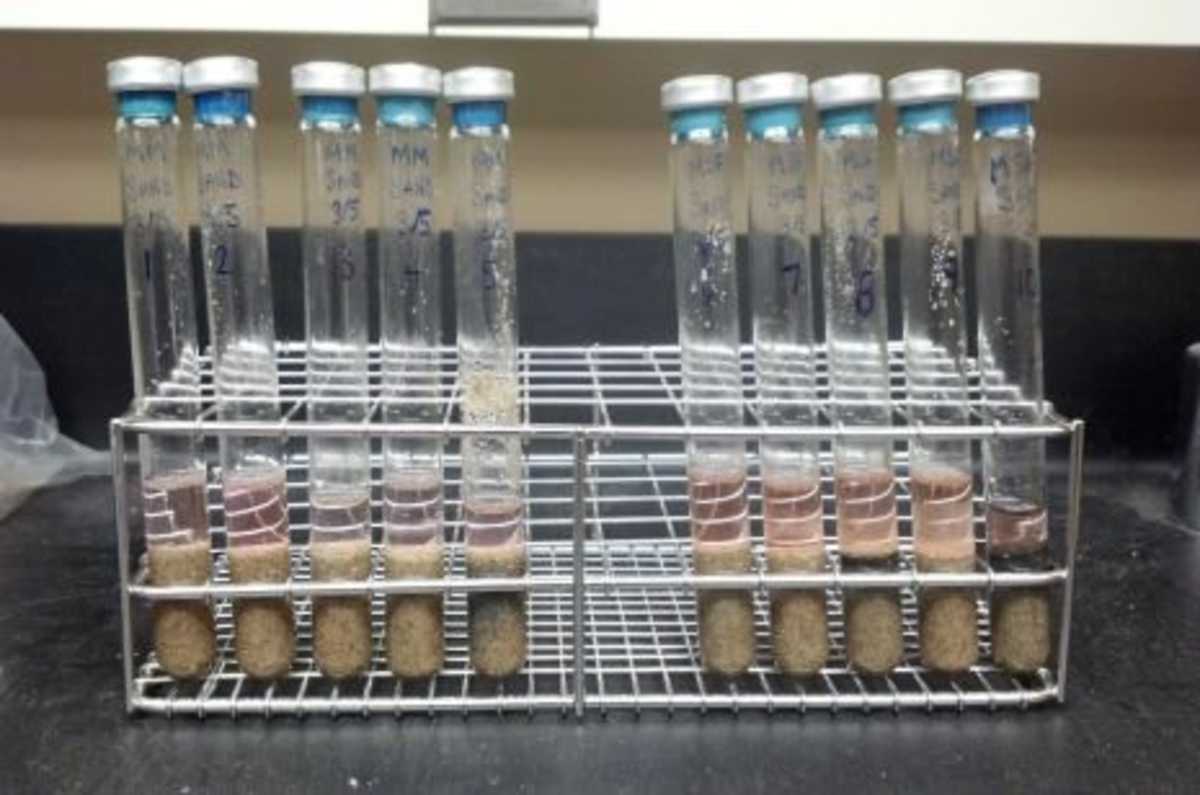
Basically, BPP researchers’ work includes removing germs from environments associated with spacecraft. Such work aims to study and eliminate resilient bacteria, but not fungi. Monitoring microbes is a key step in assembling spacecraft components and subsystems. In the new study, the researchers first gathered conidia from 27 fungal strains that had been isolated from assembly facilities used in the Mars 2020 program, which eventually set down the Perseverance rover on the Red Planet. In addition to fungi, they included bacteria.
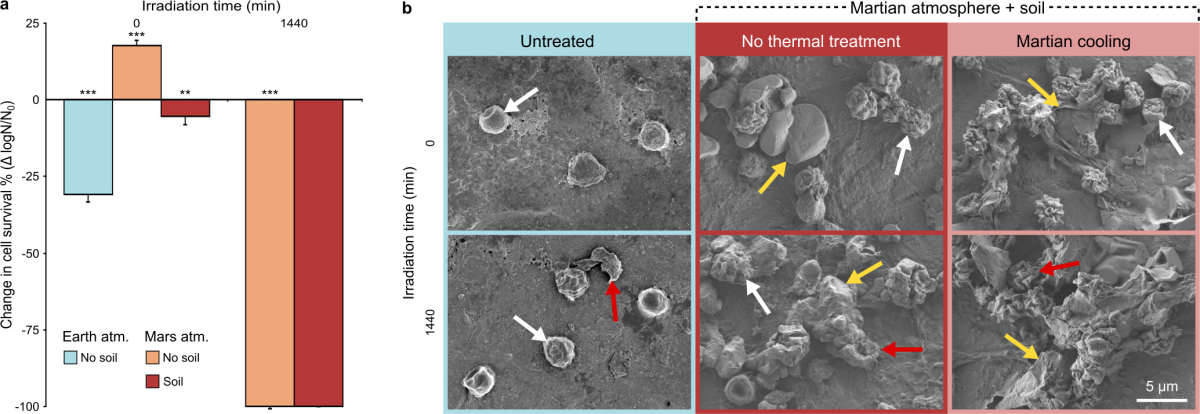
Next, they made the fungal conidia to face the intense conditions of space travel and Mars, including low temperature, ultraviolet and ionizing radiation, low atmospheric pressure and exposure to Martian regolith, the loose, dust-laden, rocky surface material. The conidia of A. calidoustus, which had been isolated from NASA cleanrooms, tolerated these harsh tests. But the combination of extremely low temperature and high radiation was able to kill the fungus. “Microbial survival is not determined by a single environmental stress but rather by combinations of stress tolerance mechanisms,” Venkateswaran said.
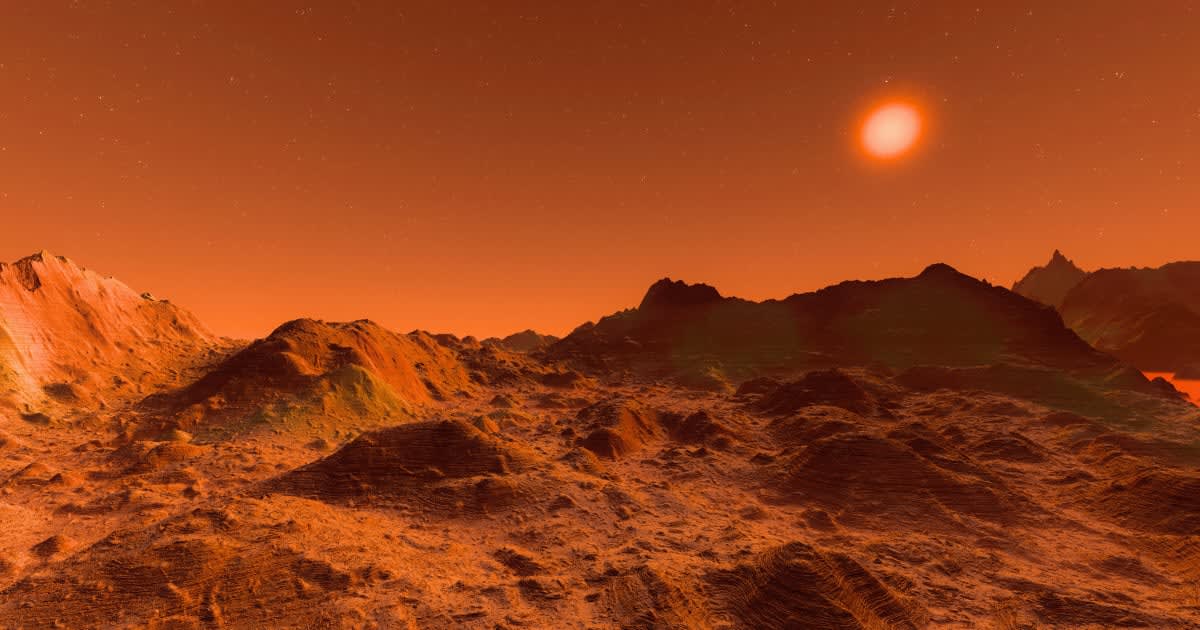
A. calidoustus emerges as a strong microbial candidate that could persist in the extreme clean conditions of the spacecraft-associated environments, sneak into a spacecraft and linger on robotic systems exploring the Martian surface. This is really encouraging since a previous study by NASA has shown that fungi can produce mycelia, tiny threads that can build complex structures. Under the right conditions, they can make new structures, ranging from a material similar to leather to the building blocks for a house on Mars.
More on Starlust
Can we really terraform Mars? New study outlines a plan and the challenges
NASA's Mars Perseverance rover finds buried river delta in Jezero, improves chances of finding life