NASA loses contact with MAVEN orbiter as it goes silent behind Mars
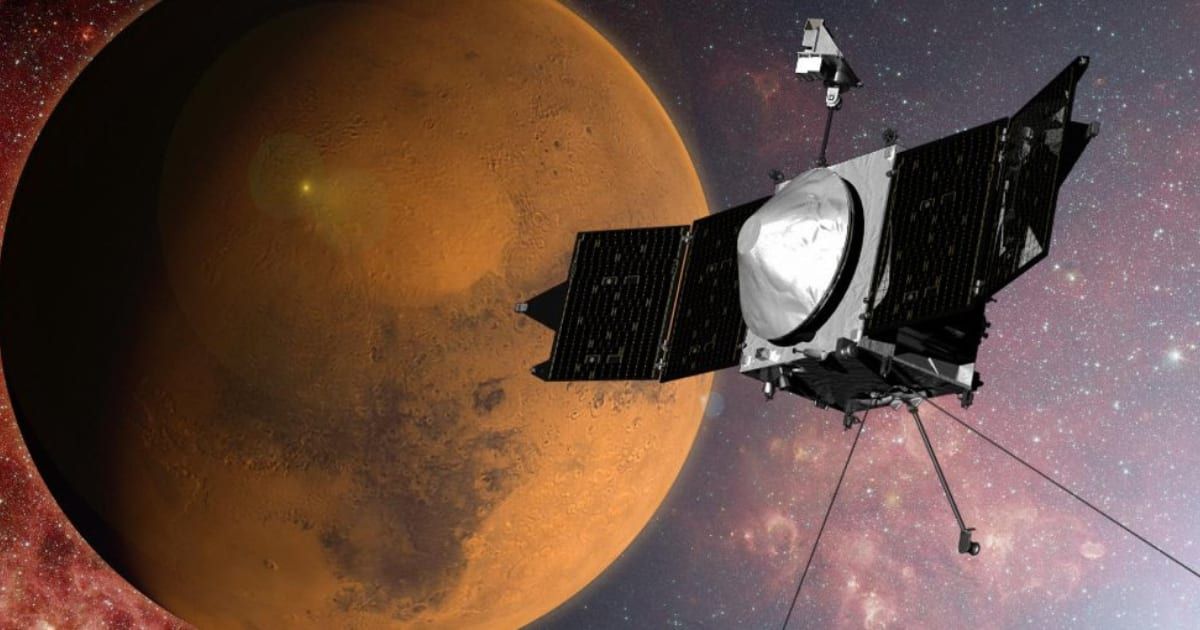
Flight controllers and technical specialists are racing to pinpoint the cause of the radio failure and restore contact with the orbiter.
MAVEN is studying how atmospheric loss triggered the disappearance of liquid water on the surface of Mars (Cover Image Source: NASA)

NASA's Mars Atmosphere and Volatile EvolutioN (MAVEN) spacecraft has unexpectedly stopped communicating with Earth, the agency informed. The orbiter, which is one of the defining elements of NASA's robotic fleet, went radio silent on December 6. 
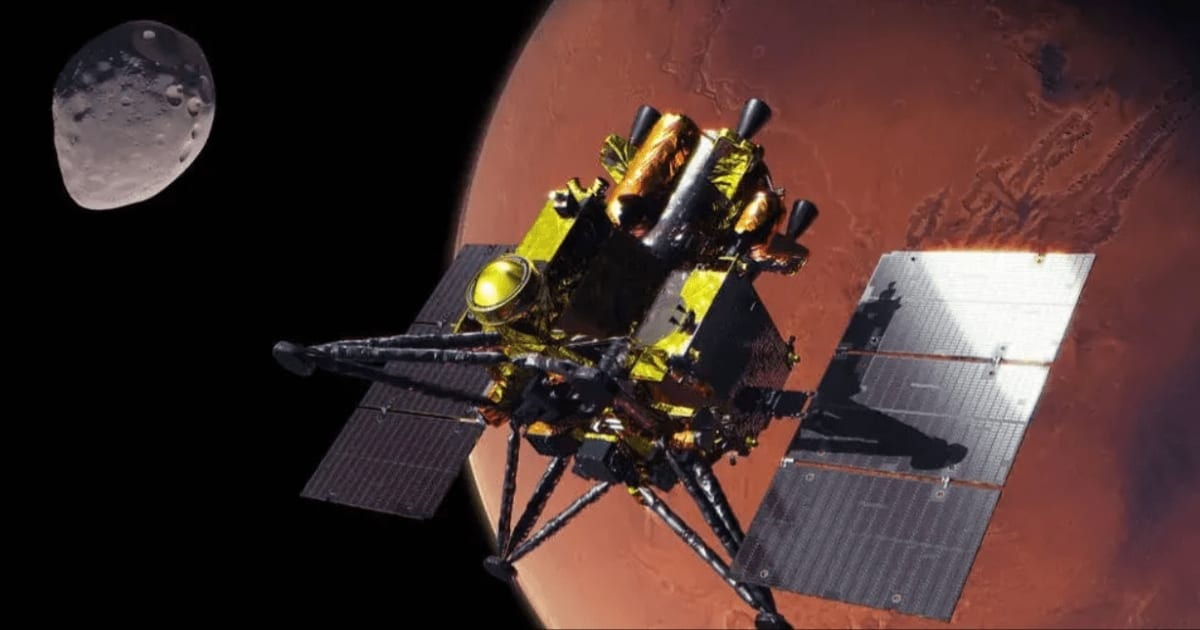
Illustration of a satellite in front of Mars (Representative Image Source: Getty | 	SCIEPRO/SCIENCE PHOTO LIBRARY)
Illustration of a satellite in front of Mars (Representative Image Source: Getty | SCIEPRO/SCIENCE PHOTO LIBRARY)

The communications blackout occurred when the probe passed behind the Red Planet. Data sent back immediately before the break suggested that all systems on the spacecraft were operating as anticipated. However, when MAVEN was expected to emerge from the other side of Mars, the ground stations operating the Deep Space Network did not receive its signal. 
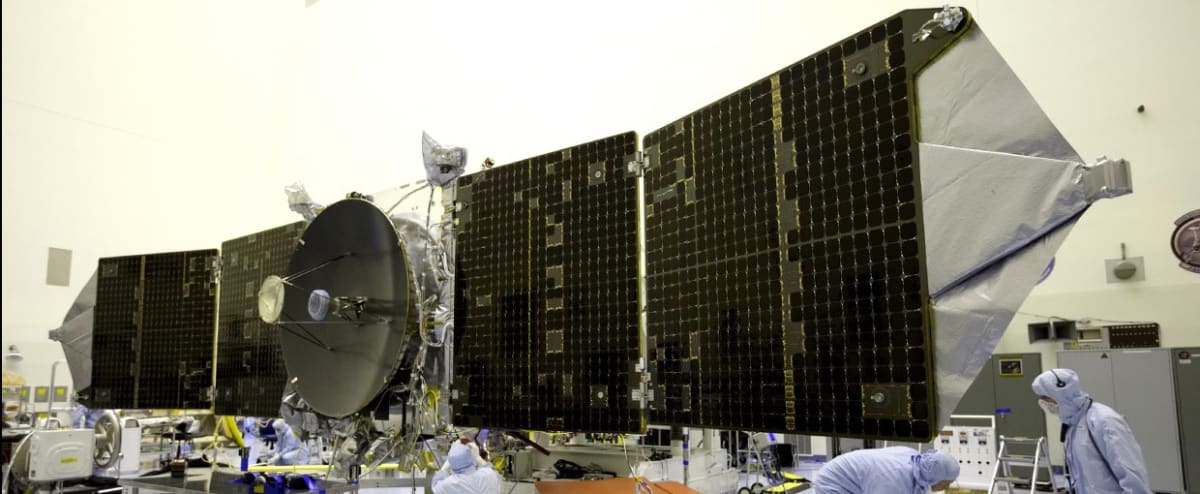
MAVEN is studying how atmospheric loss triggered the disappearance of liquid water on the surface of Mars (Image Source: NASA)

The spacecraft and operations teams are working to identify the cause of the communication breakdown and reestablish contact with the probe. NASA said more information will be provided once there is an update. MAVEN was launched in 2013 and went into Mars orbit in 2014. Its objective is mainly a scientific investigation into the upper atmosphere of Mars and how its interaction with the solar wind has resulted in the loss of Martian atmosphere over time. The research is central to understanding the history of the planet's atmosphere, climate, ancient liquid water, and habitability. Last year marked its tenth year of service. 
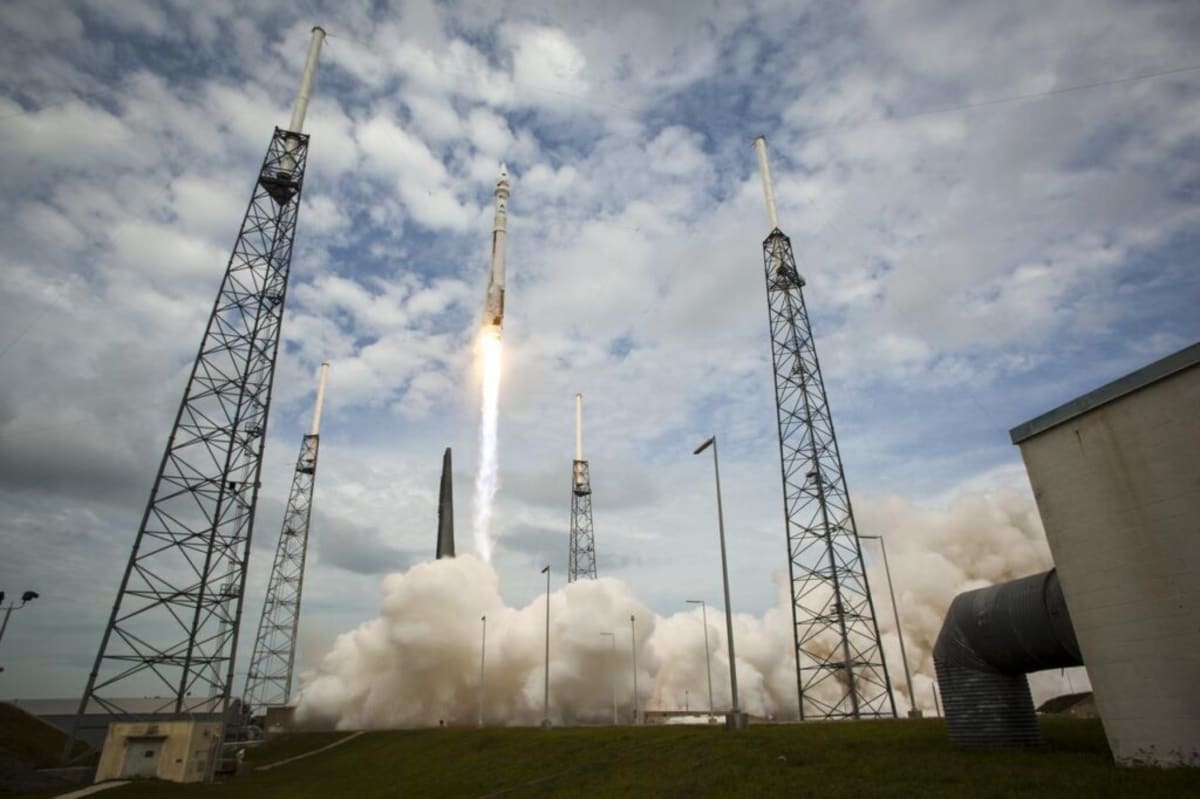
The United Launch Alliance Atlas V rocket with NASA’s Mars Atmosphere and Volatile EvolutioN (MAVEN) spacecraft launched from the Cape Canaveral Air Force Station Space Launch Complex 41, on Monday, Nov. 18, 2013 (Image Source: NASA/Bill Ingalls)

MAVEN is also a part of an international relay network, working hand in hand with NASA's Mars Reconnaissance Orbiter (MRO) and Odyssey, and the European Space Agency's Mars Express (MEX) and ExoMars Trace Gas Orbiter (TGO), to ensure continuous, planet-wide communication coverage for surface missions, per Space.com

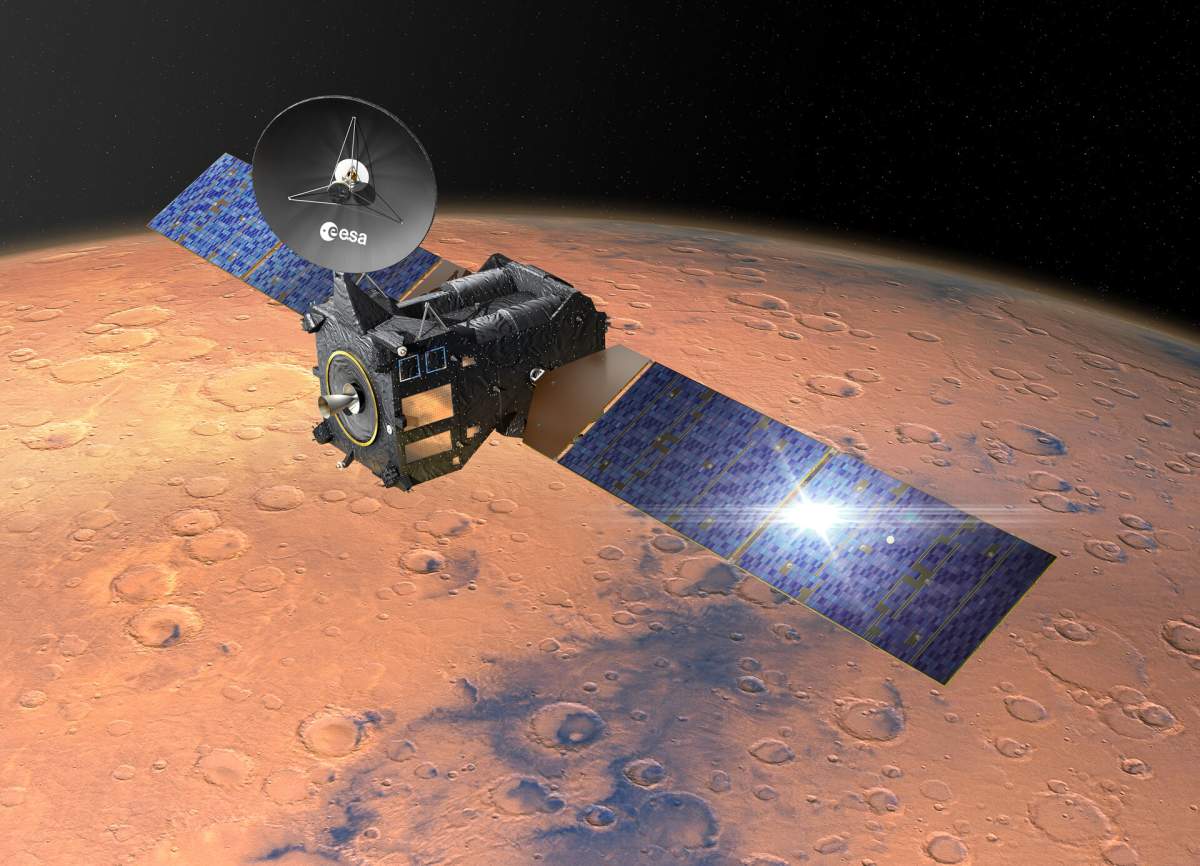
ExoMars Trace Gas Orbiter at Mars (Image Source: ESA)

Since its orbit was not believed to be affected by the communications problem, NASA and Deep Space Network operators will continue to "ping" the satellite along its predicted flight path. They hope to establish contact while simultaneously trying to get to the root of the problem and figure out a solution. 
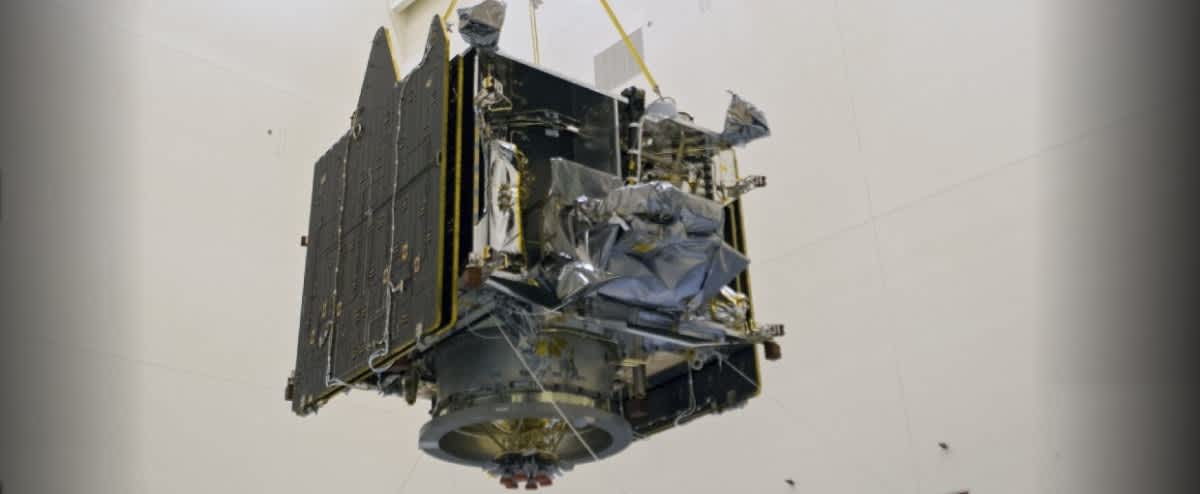
MAVEN is studying how atmospheric loss triggered the disappearance of liquid water on the surface of Mars (Image Source: NASA)

Fully fueled, MAVEN weighs 5,410 pounds, as per NASA. Without propellant, the spacecraft weighs 1,784 pounds. Launching aboard an Atlas V01 rocket from Cape Canaveral, the orbiter is an established veteran operating "well past the end of its prime mission." Despite its age, however, the spacecraft has sufficient reserves to keep going well into at least the end of the decade. In 2022, NASA updated MAVEN's navigation, shifting to an "all-stellar" system as the orbiter encountered problems with its Inertial Measurement Units (IMUs) following a loss of contact. 

This image, taken by the MAVEN spacecraft on Oct. 9, shows the halo of gas and dust, or coma, surrounding comet 3I/ATLAS. (Image Credit: NASA/Goddard/LASP/CU Boulder)

Recently, MAVEN proved its adaptability before the communication failure by successfully observing comet 3I/ATLAS for ten days beginning on September 27, per NASA. MAVEN photographed the comet using its Imaging Ultraviolet Spectrograph (IUVS) camera in two different ways: first, by taking several pictures at different light wavelengths, and second, by taking high-resolution UV images with the express purpose of identifying hydrogen. "The images MAVEN captured truly are incredible," said MAVEN's principal investigator Shannon Curry. "The detections we are seeing are significant, and we have only scraped the surface of our analysis." Scientists hope to learn more about the comet's overall composition and determine its molecular structure by examining these combined images. 

More on Starlust

ESA’s ExoMars captures massive dust avalanches on Mars triggered by a meteoroid impact

NASA’s billion-dollar Mars sample mission faces a setback as Trump signals intent to cut funding
MORE STORIES

DARPA is all set to launch its robotic spacecraft designed to inspect and repair satellites in the geosynchronous orbit as early as summer 2026.
6 days ago
The new material could help the agency design technology that could house molten lunar rocks from where resources like metals and oxygen could be extracted.
7 days ago
A new study led by a recent graduate of the University of Arkansas suggests that 3D printing tools might be possible on the Red Planet.
May 21, 2026
The technological payloads represent some of the latest advancements in the fields of space technology and biotechnology.
May 21, 2026
“The wheels mimic the animal’s characteristic interaction with the ground, generating both longitudinal and lateral forces."
May 20, 2026
The imaging was done using an instrument that also found changing composition of the comet.
May 18, 2026
The rover ventured farther west than it had ever been since landing at the Jezero Crater in 2021.
May 15, 2026
When used in future space missions, it could process huge amounts of data directly in space instead of taking most of the help from Earth.
May 13, 2026
Called Solar Neutrino Astro-Particle PhYsics CubeSat (SNAPPY), the project launched on May 3, 2026, atop a SpaceX Falcon 9 rocket.
May 8, 2026
The STORIE instrument will be installed on the exterior of the International Space Station, from where it will measure the speed and direction of energetic neutral atoms in the ring current.
May 8, 2026