New research reveals how volcanic gases may have made early Mars a cradle for life
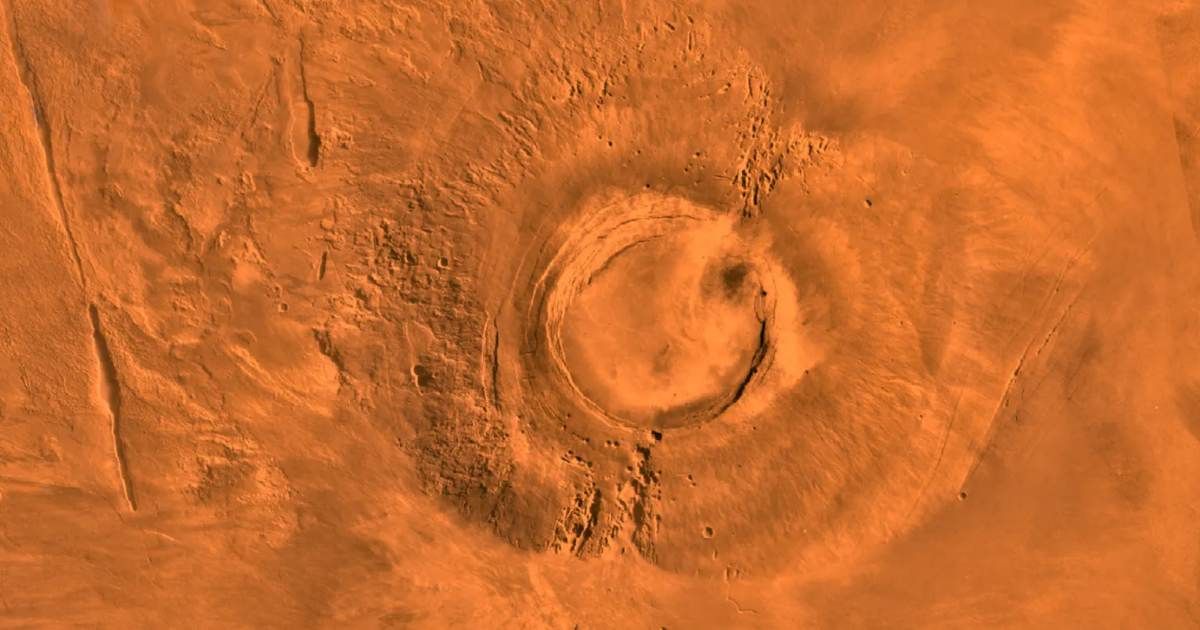
New research suggests that volcanic eruptions on early Mars could have released a highly reactive cocktail of sulfur gases, potentially creating a warming climate capable of supporting life. Published in the journal Science Advances, the study challenges previous climate models of the Red Planet, which focused on different sulfur compounds, as per the University of Texas at Austin.
A team of researchers, led by the University of Texas at Austin, simulated volcanic emissions based on the composition of Martian meteorites. Rather than the high concentrations of sulfur dioxide (SO₂) that earlier models predicted, the simulations showed that volcanoes active three to four billion years ago likely released various “reduced” forms of sulfur, including hydrogen sulfide (H₂S) and disulfur (S₂), as well as the potent greenhouse gas sulfur hexafluoride (SF₆).
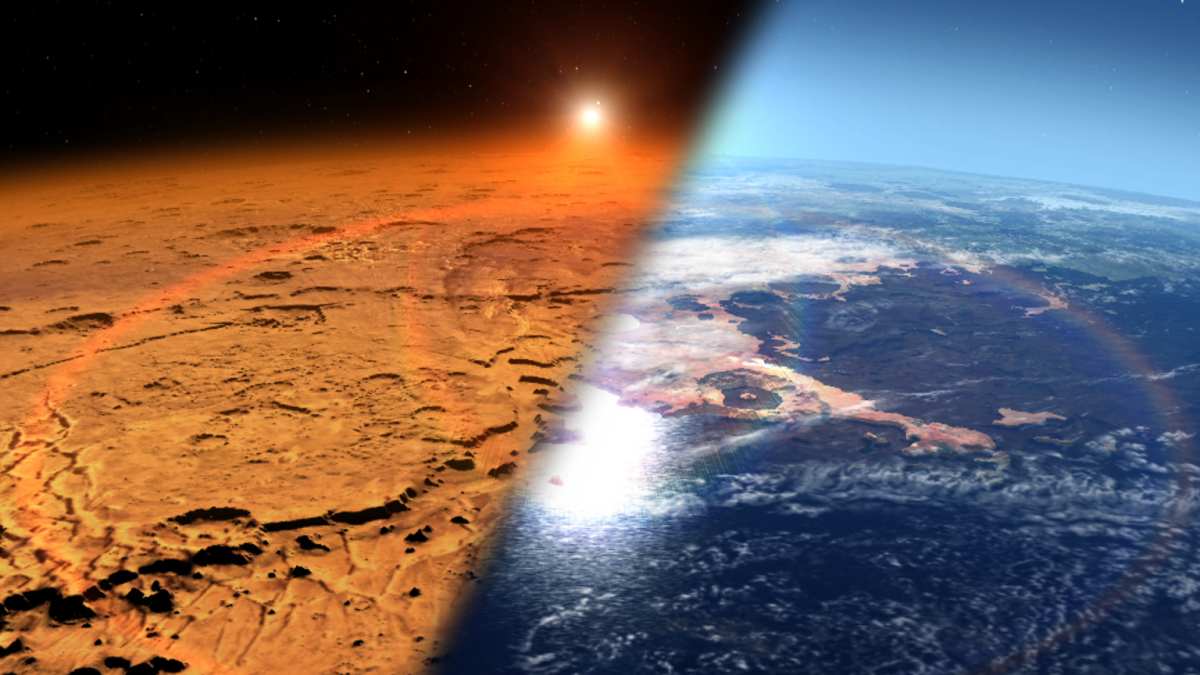
“The presence of reduced sulfur may have induced a hazy environment which led to the formation of greenhouse gases, such as SF6, that trap heat and liquid water,” said Lucia Bellino, the lead author and a doctoral student at UT’s Jackson School of Geosciences. “The degassed sulfur species and redox conditions are also found in hydrothermal systems on Earth that sustain diverse microbial life.” Unlike earlier studies that focused on surface emissions, this research simulated how sulfur changed deep within the planet's crust before being released. The findings suggest that the chemical state of the gases before they reached the surface was crucial in shaping the early Martian atmosphere.
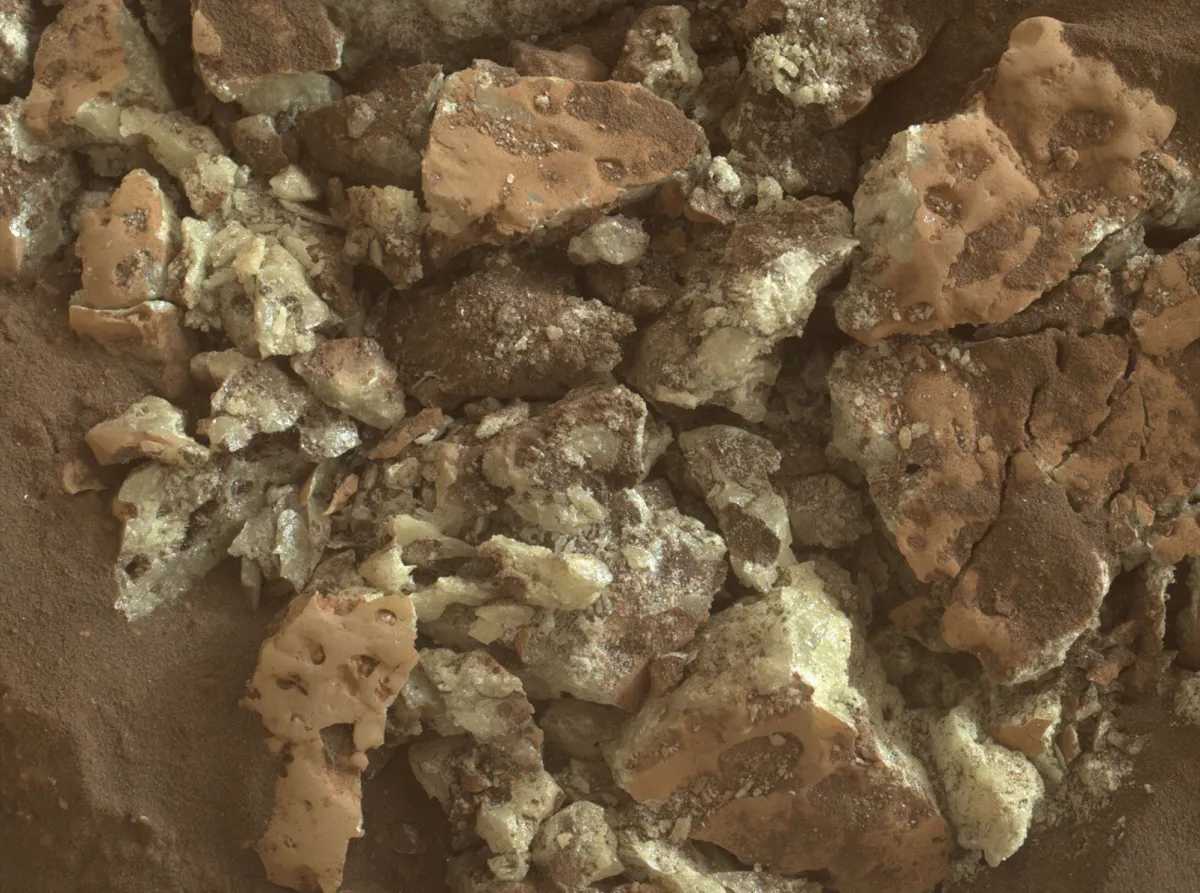
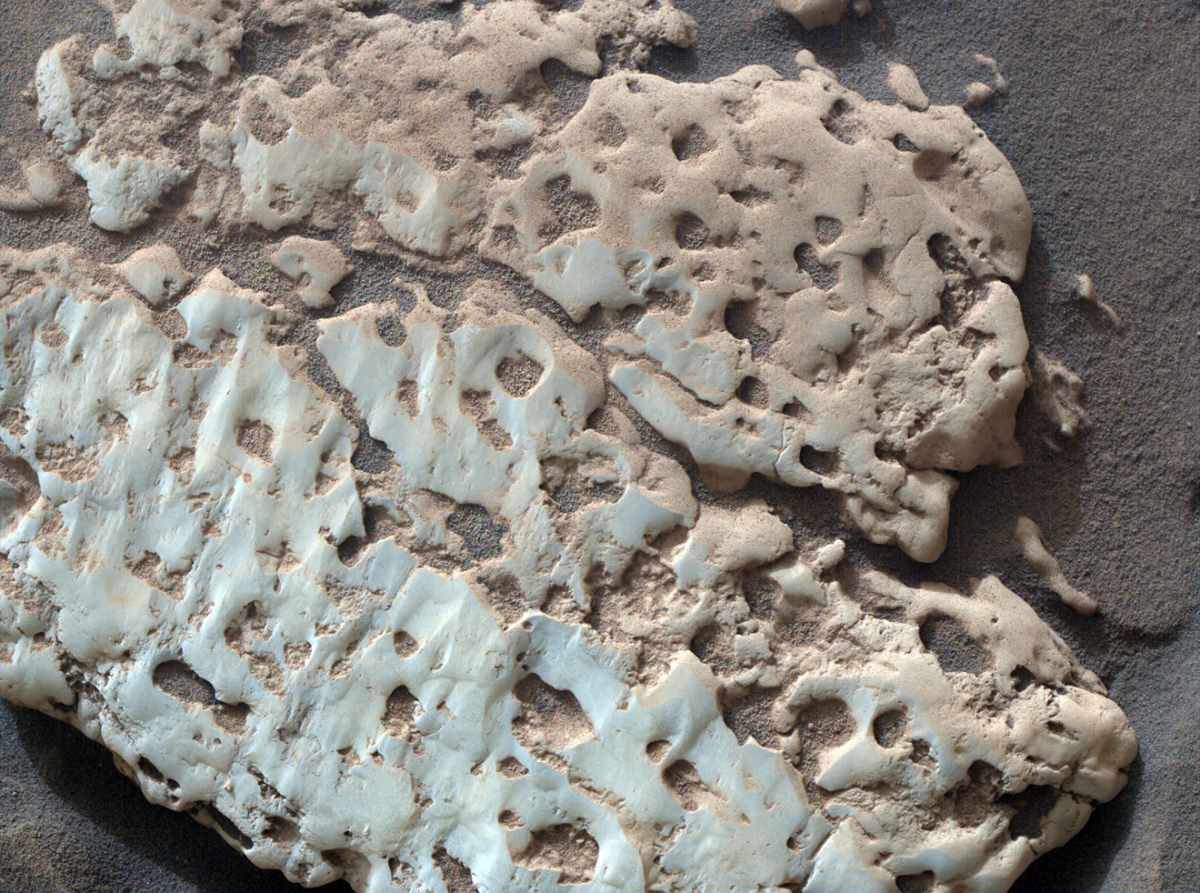
The study also highlights the importance of sulfur cycling, the process of sulfur changing its chemical form, on early Mars. This is supported by the fact that Martian meteorites contain reduced sulfur, while the planet's surface contains sulfur bonded to oxygen. A recent discovery by NASA's Curiosity rover, which found pure elemental sulfur on Mars, also aligns with the study's findings. “We were very excited to see the news from NASA and a large outcrop of elemental sulfur,” said Chenguang Sun, Bellino’s advisor and an assistant professor at the Jackson School’s Department of Earth and Planetary Sciences. “One of the key takeaways from our research is that as S₂ was emitted, it would precipitate as elemental sulfur. When we started working on this project, there were no such known observations.”
Looking ahead, the team plans to investigate other factors essential for life, such as the source of water on early Mars, and whether volcanic activity could have provided a large water reservoir. They also hope to determine if these sulfur compounds could have served as a food source for microbes. While Mars is a frigid, barren planet today, these findings offer new avenues for understanding its ancient, more hospitable past, as mentioned by the University of Texas at Austin.

This research offers a new perspective on the potential for life on other planets, particularly Mars. By suggesting that volcanic activity could have created a warmer, more hospitable early climate, the study broadens our understanding of the conditions under which life might arise beyond Earth. It also informs future planetary exploration missions by helping scientists target specific areas on Mars where evidence of past life could be preserved.
More on Starlust
Mars has one more thing in common with Earth—scientists finally resolve a longstanding mystery
NASA's Curiosity rover discovers a critical clue explaining why Mars is uninhabitable