Astronomers spent 6 years studying a supermassive black hole’s revival. Here’s what they found
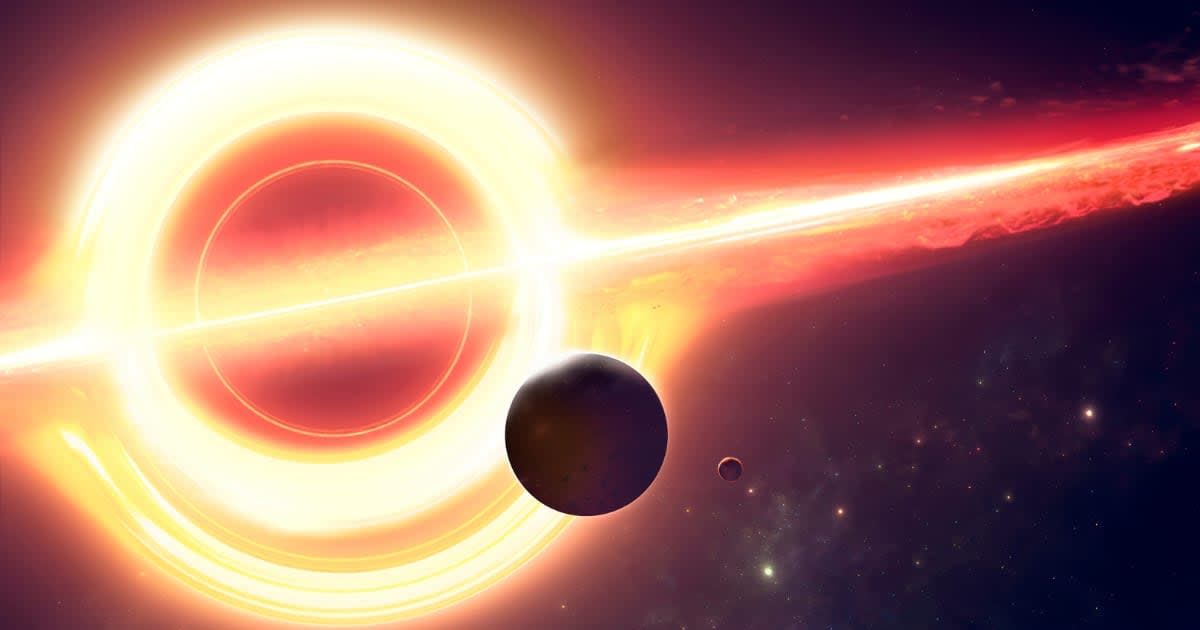
Supermassive black holes at the centers of galaxies don't always stay active. They slow their feeding and go quiet. But what happens when one wakes back up? Astronomers have now observed one such event. Riccardo Middei, an astronomer at the INAF Astronomical Observatory of Rome, led a six-year monitoring campaign on a galaxy called ESO 511-G030 using NASA's Neil Gehrels Swift Observatory. He and his team watched the transition happen across over 80 observations. During this research, the black hole changed states much faster than current models predicted it should. Scientists observed what happened, but the existing models fall short of explaining how and why it happens at that speed. This study was posted to the preprint server arXiv on May 18, 2026, and has been accepted for publication in The Astrophysical Journal.
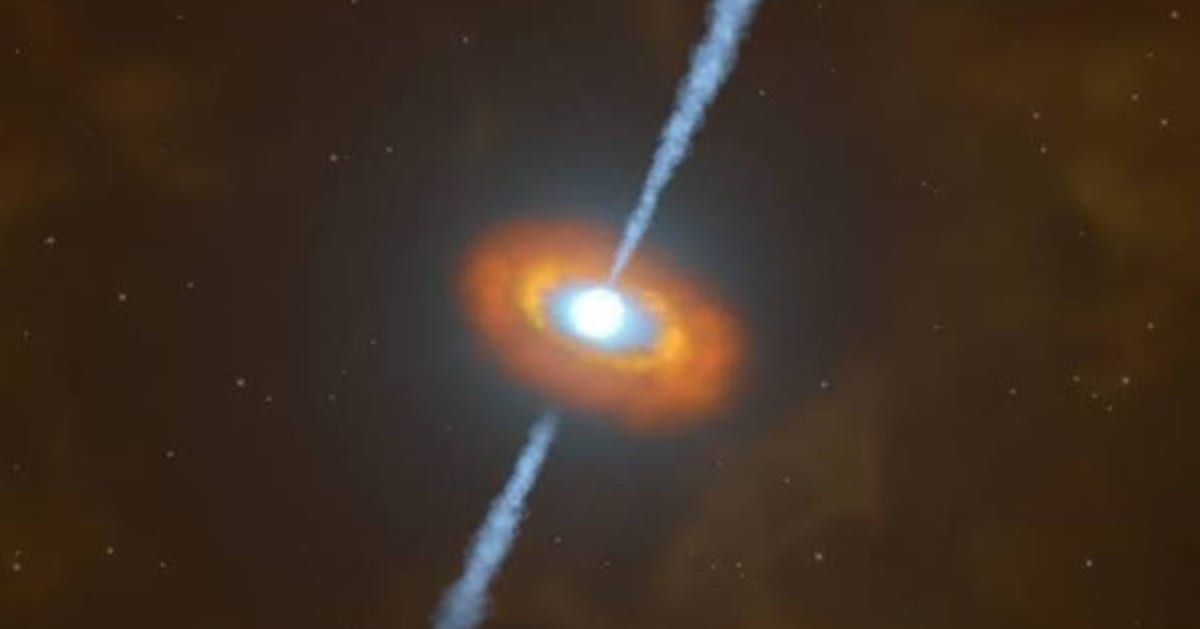
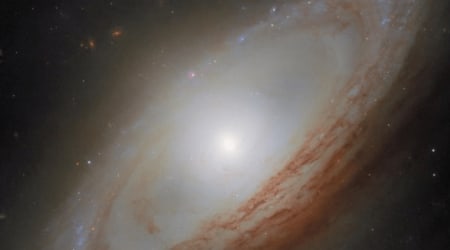
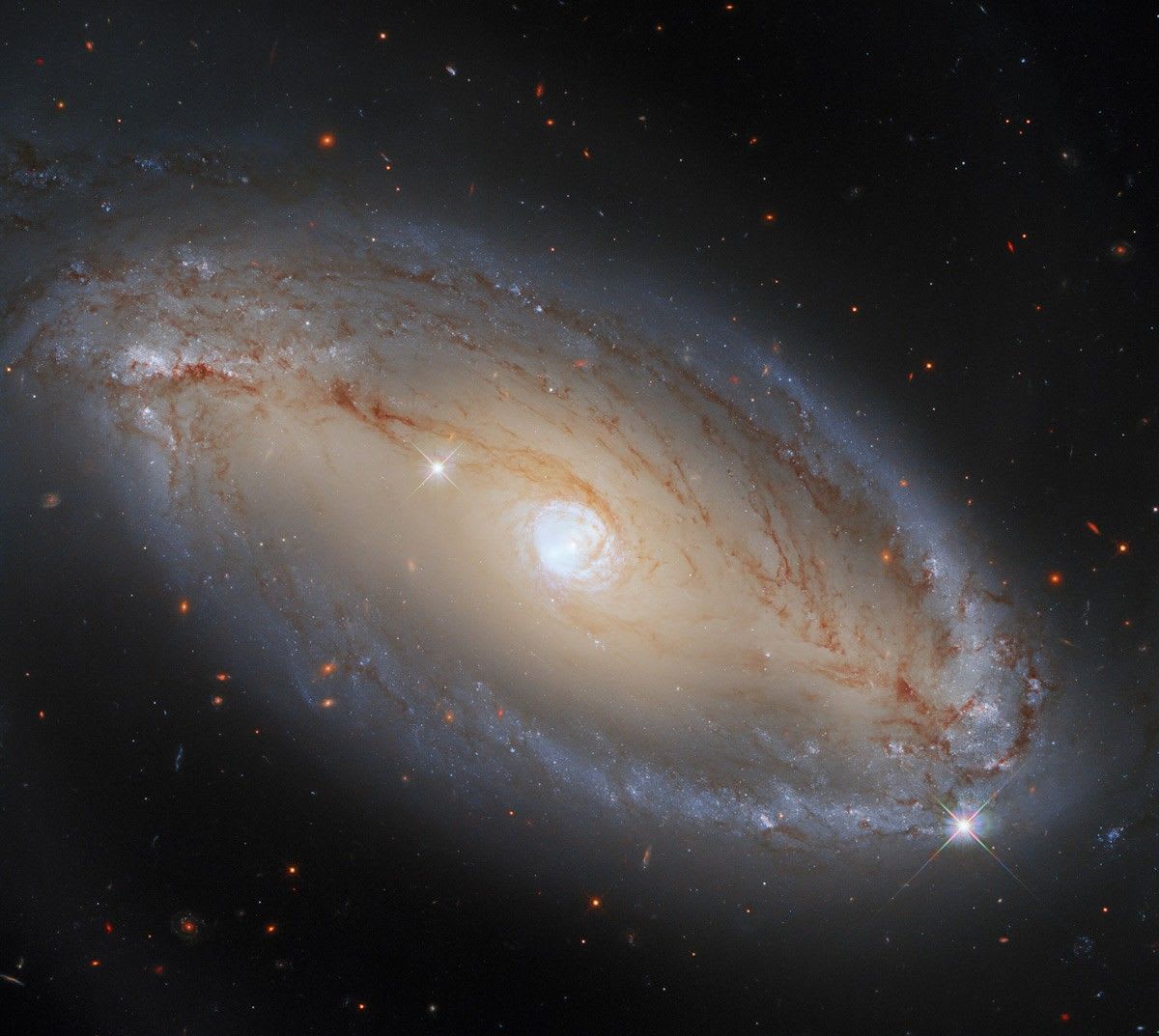
ESO 511-G030 belongs to a group called Seyfert galaxies, which are spiral galaxies shaped like the Milky Way. They have extremely bright, active cores powered by a black hole at their center that actively consumes nearby gas and matter. The black hole has a mass of about 17 million times the mass of our Sun. In 2007, it was glowing brightly in both ultraviolet and X-ray light. But when astronomers observed it again in 2019, it had dropped to about one-tenth of that brightness across both wavelengths. The team suspected that something had cut off its supply of gas and material, and no one had caught that happening either. A 2012 observation still shows it in a high X-ray state, but there's no data at all between 2012 and 2019. As a result, the team had no way to trace when exactly the feeding slowed, or why.
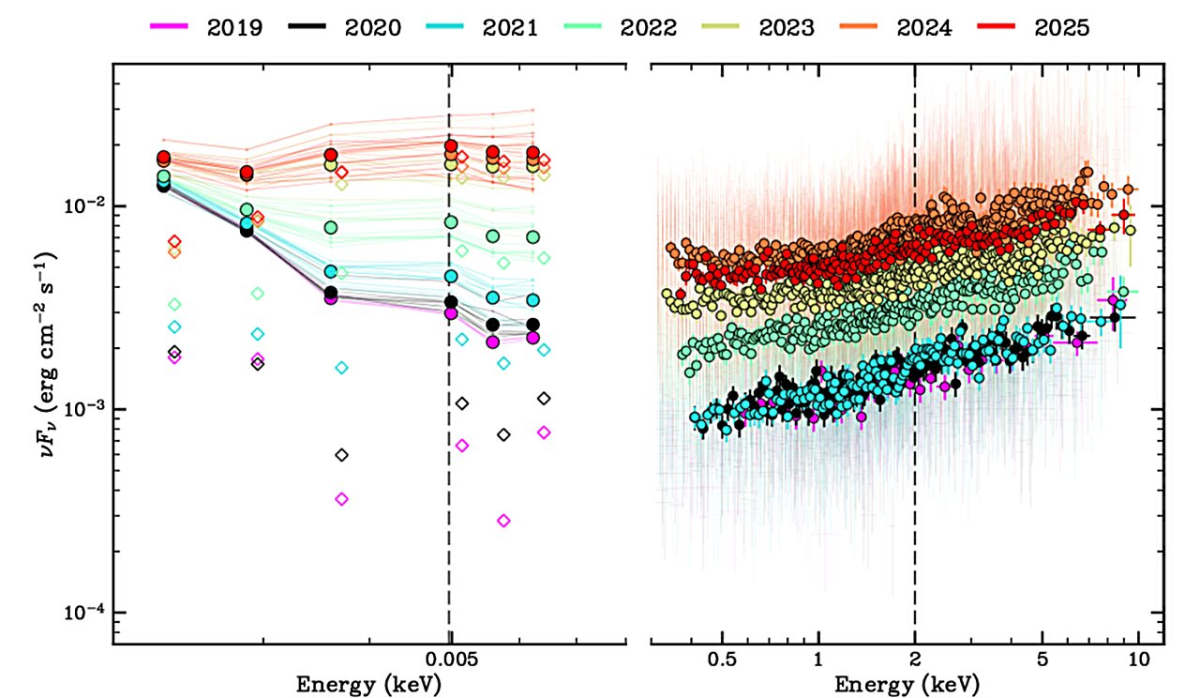
In 2019, the team tracked ESO 511-G030 using NASA's Neil Gehrels Swift Observatory, a space telescope that observes in ultraviolet and X-ray light. Over six years, they checked in more than 80 times and watched the black hole slowly come back to life. Around 2021, the black hole began waking up again, with most of the brightening happening between 2021 and 2023. Throughout this period, two different signals were recovered, but not together. The ultraviolet light, which comes from the hot spinning ring of gas surrounding the black hole, came back first. The X-ray light, from a separate region of plasma located in the innermost region closest to the black hole, lagged behind and only caught up sharply in 2022 and 2023.
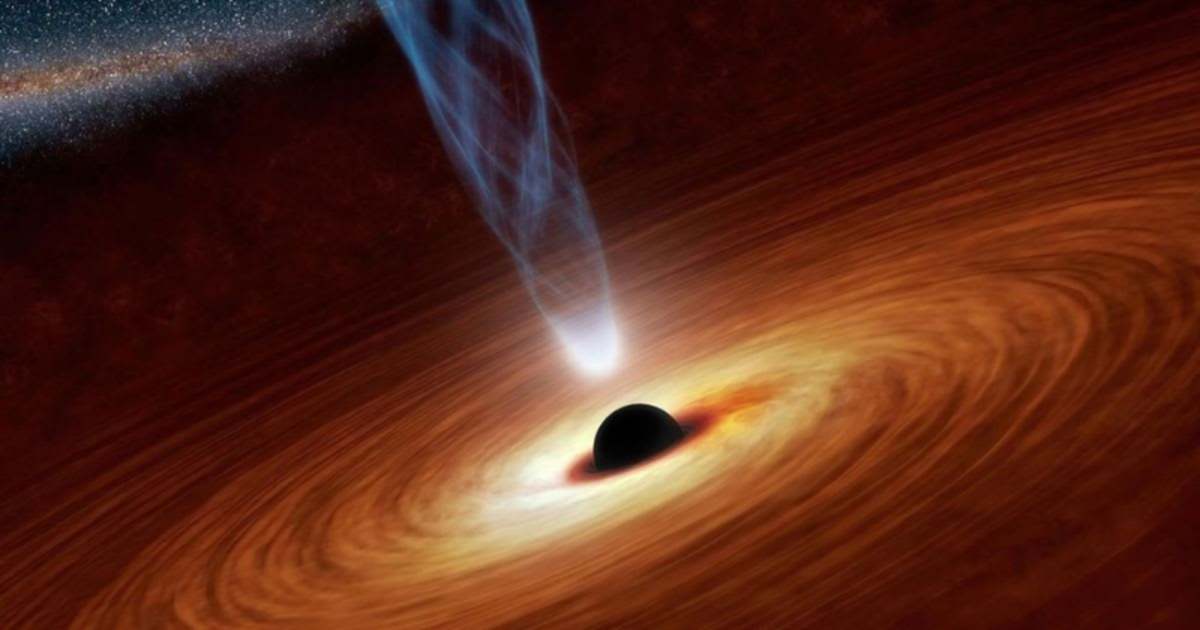
After the team removed the background starlight from surrounding stars in the galaxy, the black hole's own brightness had gone up by a factor of 20 to 30. The transition happened when the black hole was feeding at just under 1% of its maximum possible rate. Scientists had seen this same 1% threshold trigger similar changes in much smaller black holes. Finding it in one 17 million times the mass of the Sun suggests the fundamentals remain the same. This means that the same rules that seem to govern small black holes may apply to the supermassive ones too.
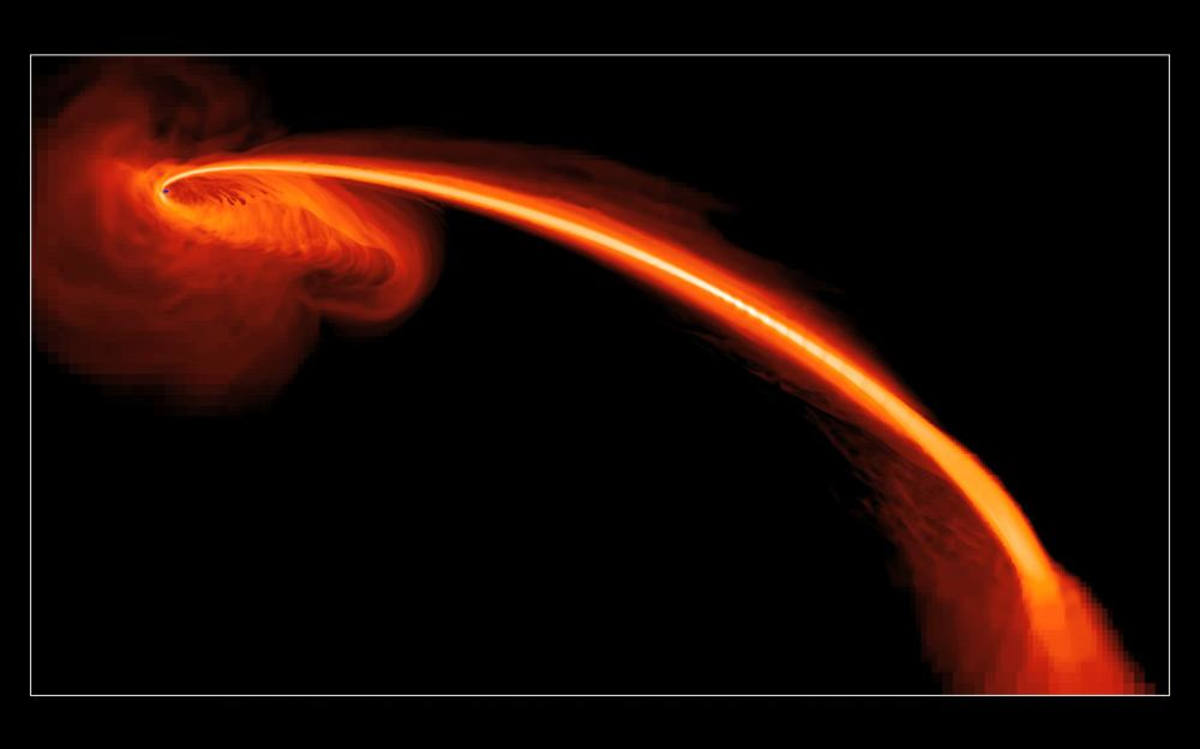
However, the team still doesn't know what caused the feeding to drop off in the first place. But beyond that specific gap, there's a larger issue: the speed of the entire episode doesn't fit the standard models used to describe how black hole accretion disks work. The researchers put it plainly in the research paper: "standard disk models return an imperfect description of the actual structure and workings of the optically thick component of the accretion flow in AGN." In simple words, the standard theories scientists have relied on don't fully account for how fast this black hole changed states. The researchers make a specific point: optical data alone won't be enough to understand extreme transitions such as the one observed. To truly understand what's happening, X-ray observations need to be taken at the same time as the optical ones.
More on Starlust:
Astronomers spot rare cosmic blast that may have completely erased a giant star
Another planet in our early solar system? First evidence of Moon-sized object found from meteorite