Hubble captures images of M88 on its collision course with M87 in the Virgo Cluster
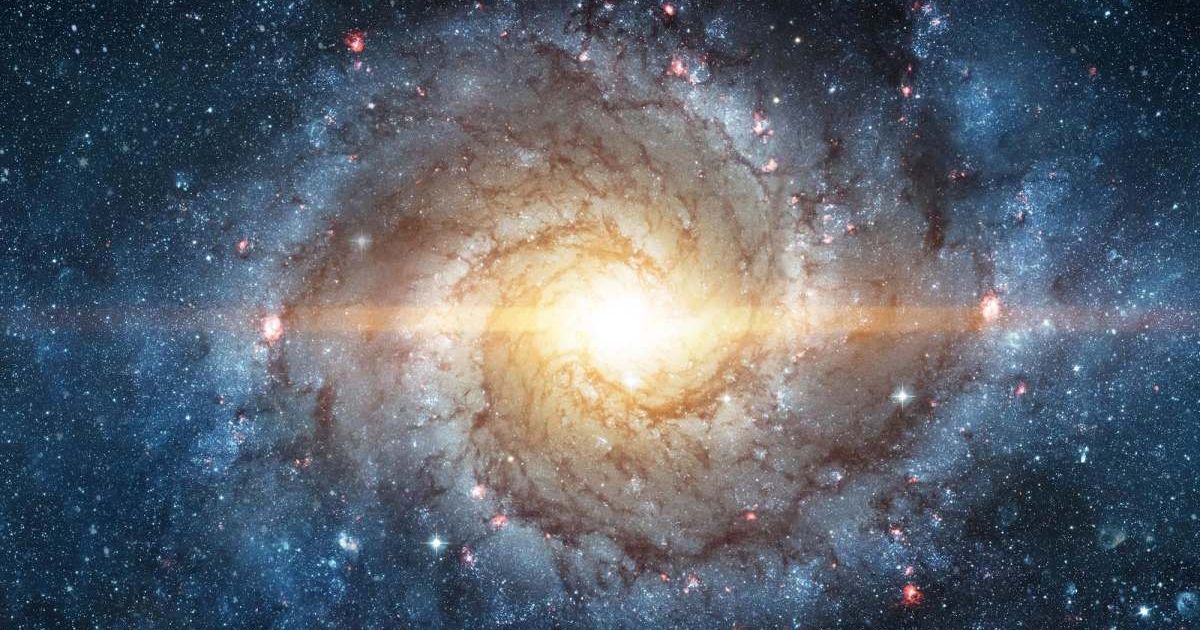
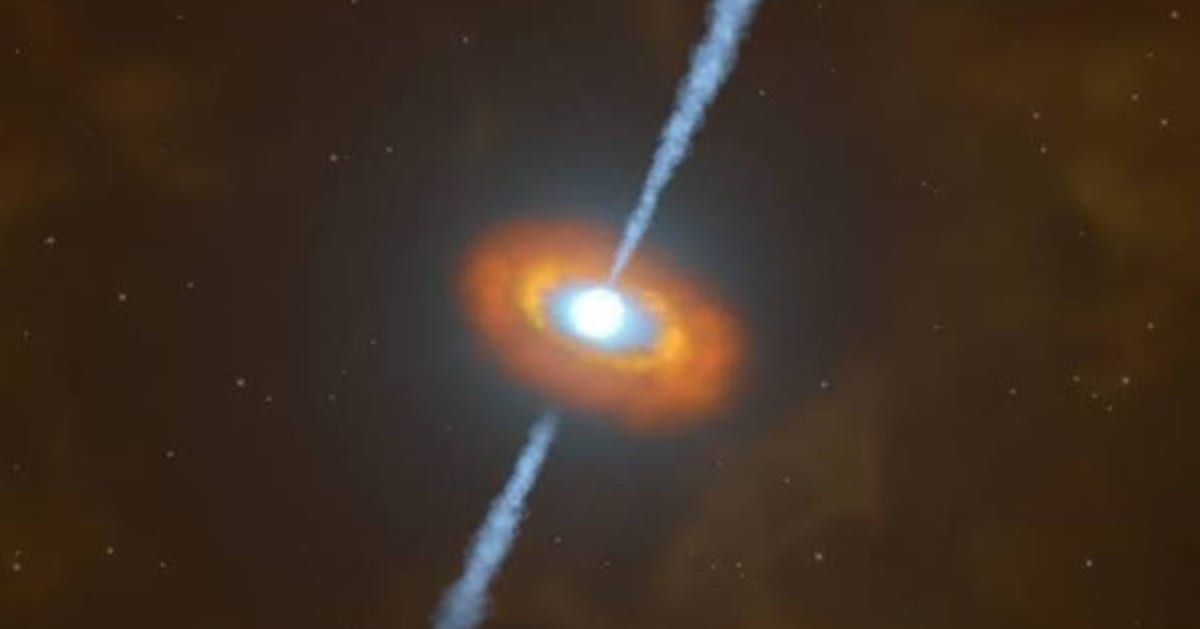
The Hubble Space Telescope has captured images of a spectacular spiral galaxy roughly 63 million light-years away from Earth, according to a statement by NASA. Beneath its superficial calmness, Messier 88 (M88) hides a story of violent motion, transformation, and survival. A supermassive black hole, with a mass 100 million times that of the Sun, lurks at the heart of this galaxy, with its immense gravity pulling in gas and dust to form a superheated and rapidly spinning accretion disk. While devouring this matter, the black hole releases tremendous amounts of energy and streams of supercharged particles from the center of M88.
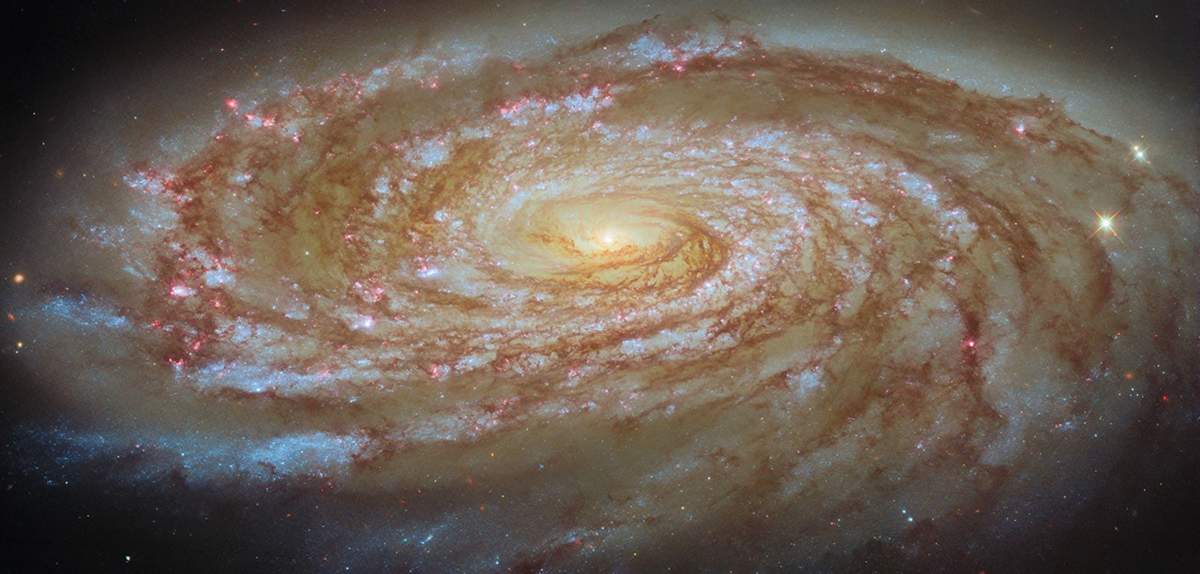
Hubble's images reveal that a population of old, reddish stars bathe the core of the M88 galaxy in a warm amber glow. Further out in the spiral arms of the galaxy, glittering clusters of young stars light up the void of space in blue and pink hues, while dark ribbons of dust create intricate patterns across the disk. Viewed from Earth, the galaxy appears to have a delicate structure that fans outward. However, its serene appearance is an illusion. M88 resides within the vast expanse of the Virgo Cluster, a massive gravitational neighborhood that is home to more than a thousand galaxies. The galaxies in the Virgo Cluster are also in constant motion, orbiting the cluster’s center of mass. M88, meanwhile, is currently heading towards the innermost reaches of the cluster on a perilous journey. To reach the cluster's core, M88 still has to travel across a distance of about two million light-years from its present position, a journey that will take it hundreds of millions of years.
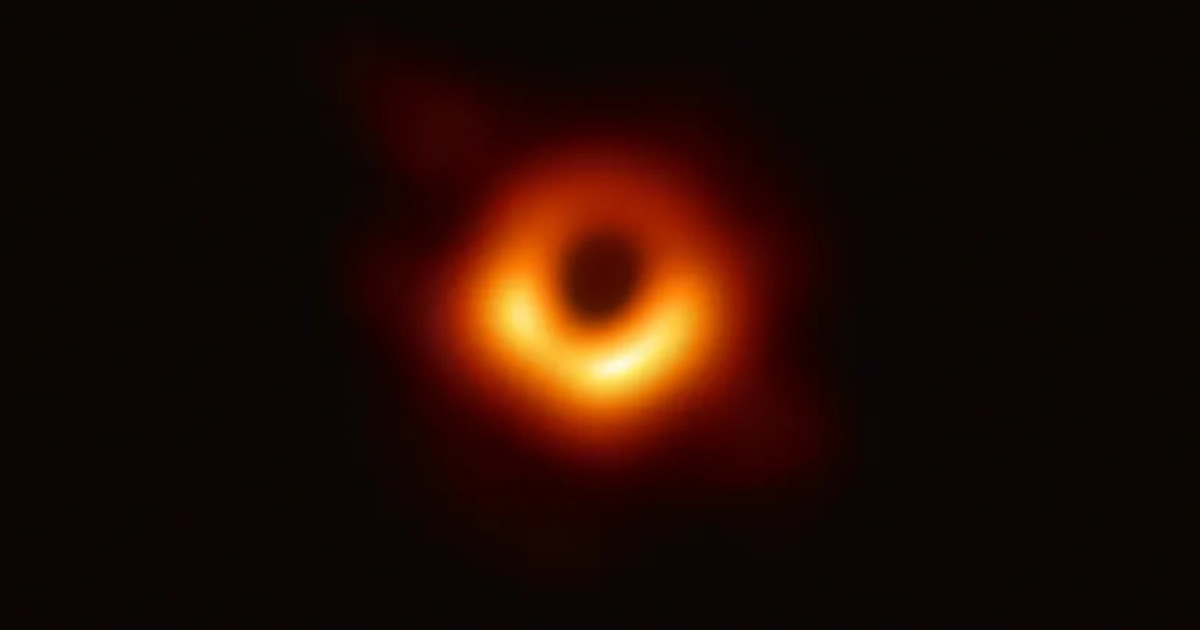
As it heads towards its destination, M88, in around 200-300 million years, is expected to make its closest approach to M87, a gigantic elliptical galaxy that lies at the center of the Virgo Cluster and anchors it. As M88 moves closer to the cluster's core, the stripping of star-forming gas from it is likely to intensify through a process called ram pressure stripping. As M88 moves towards M87, it compresses superheated plasma known as intracluster medium that exists between galaxies in a cluster. This violent compression of the intracluster medium, in turn, generates a sort of headwind pushing back against M88, which literally blows out star-forming gas from the galaxy. Astronomers have already observed early signs that this process is underway in M88, with data showing that its gas disk is being physically compressed along its leading edge.
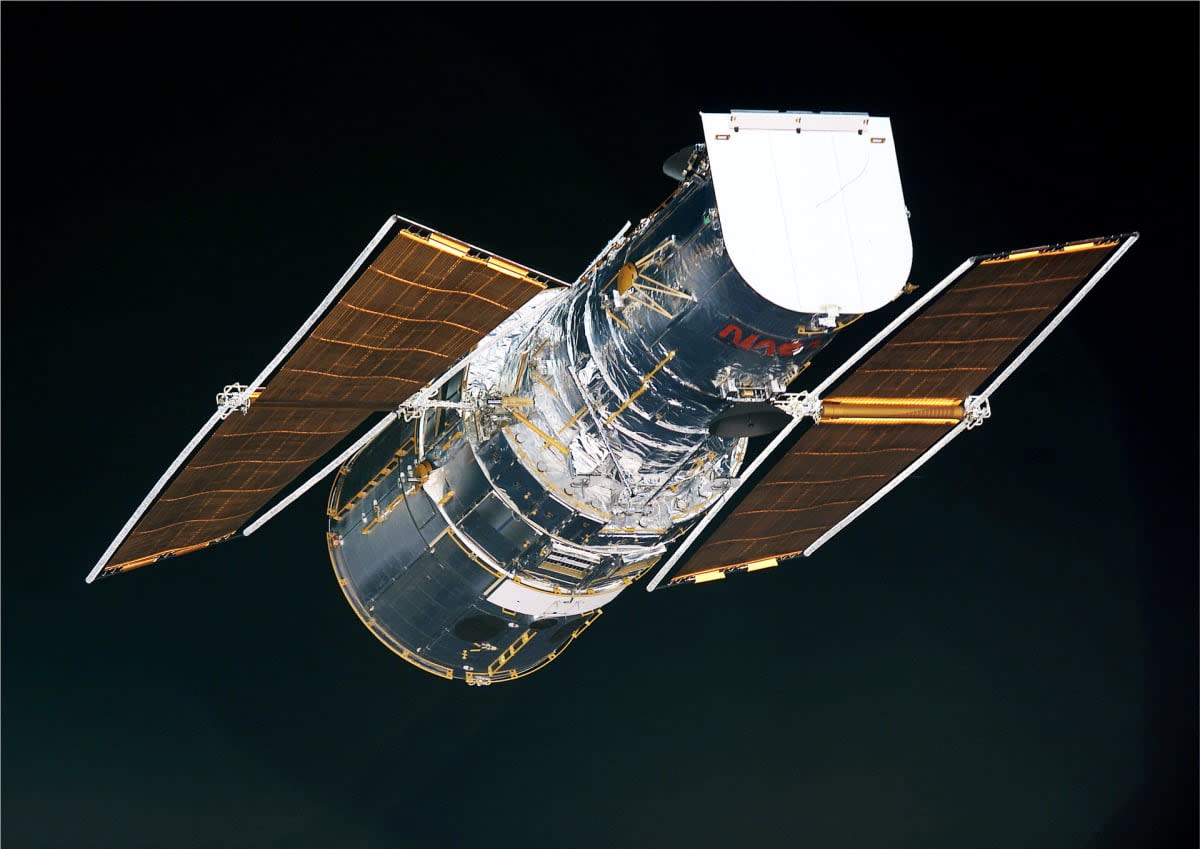
This is expected have far-reaching implications for the future of M88. Eventually, as it travels towards the center of the Virgo Cluster, the galaxy will run out of its star-making fuel—cold gas—thereby stifling star formation, a phenomenon known as quenching in astrophysics. Already, M88 appears to possess significantly less neutral hydrogen gas than astronomers would expect for a galaxy of its size. Further loss of raw material will likely rob the galaxy of its ability to create future generations of stars, making M88 slowly fade: over millions of years, this brilliant, active spiral galaxy that captivates us today will eventually transform into a quieter, less active version of itself. The observation of M88 is part of a broader program in which astronomers study how spiral galaxies live and evolve in crowded gravitational environments. Using Hubble’s Wide Field Camera 3, researchers can zoom in on individual star clusters and nebulae in galaxies tens of millions of light-years away from Earth. These observations continually shed light on how a galaxy's journey through a cluster impacts the galaxy’s evolution and ultimate survival.
More on Starlust
NASA's Hubble images rare post-starburst galaxy located 100 million light-years away