Mars may be tiny but its impact on Earth's ice ages has been immense
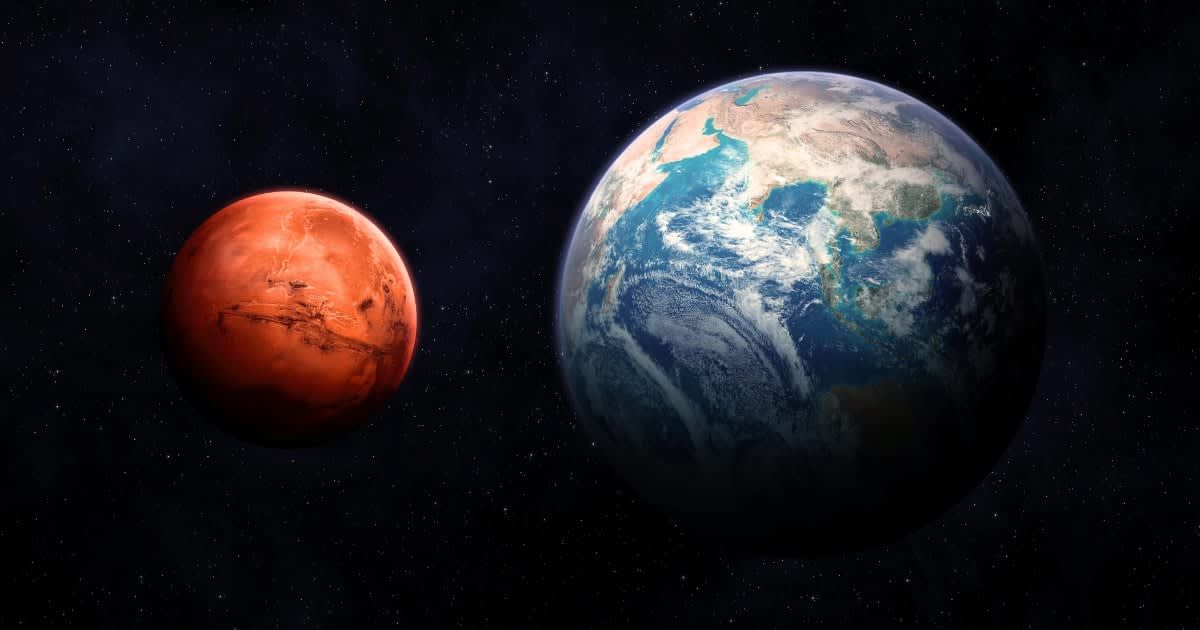
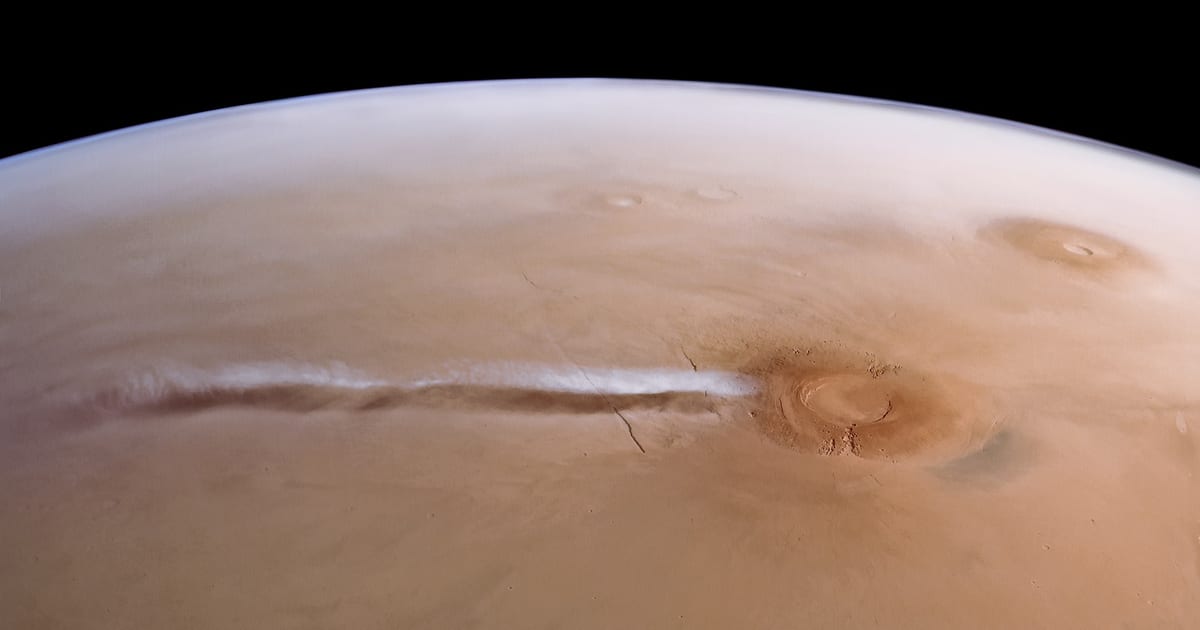
Despite being smaller and lighter than Earth and farther from the Moon, Mars can unleash big effects on the Blue Planet, new research published in the Astronomical Society of the Pacific shows. The research based on computer simulations reveals that the Red Planet’s gravitational force can shape Earth’s climate, including ice ages. The project came to life when Stephen Kane, a professor of planetary astrophysics at UC Riverside, decided to investigate his doubts about some studies that claimed that climate cycles influenced by Mars had their traces in Earth's ocean floor. "I knew Mars had some effect on Earth, but I assumed it was tiny," Kane said, per Phys.org. "I'd thought its gravitational influence would be too small to easily observe within Earth's geologic history. I kind of set out to check my own assumptions."

To this effect, he ran simulations of the solar system's behavior and Milankovitch cycles. These cycles describe how variations in Earth’s orbit and tilt position determine how sunlight reaches the surface across millions of years. As a result, they are also crucial when it comes to understanding ice ages—a long period of permanent frost at the poles—of which Earth has had at least five.

It has been known that the gravitational tug of Venus and Jupiter shapes one Milankovitch cycle, which takes roughly 430,000 years to complete. The Earth's orbit with respect to the Sun goes from being almost circular to being more elongated before it changes back. Barring this, there are two other cycles—one lasting 100,000 years and the other lingering for 2.3 million years. While neither the presence or absence of Mars had any effect on the 430,000-year cycle, the other two cycles completely vanished from Kane's simulations when the Red Planet was removed.
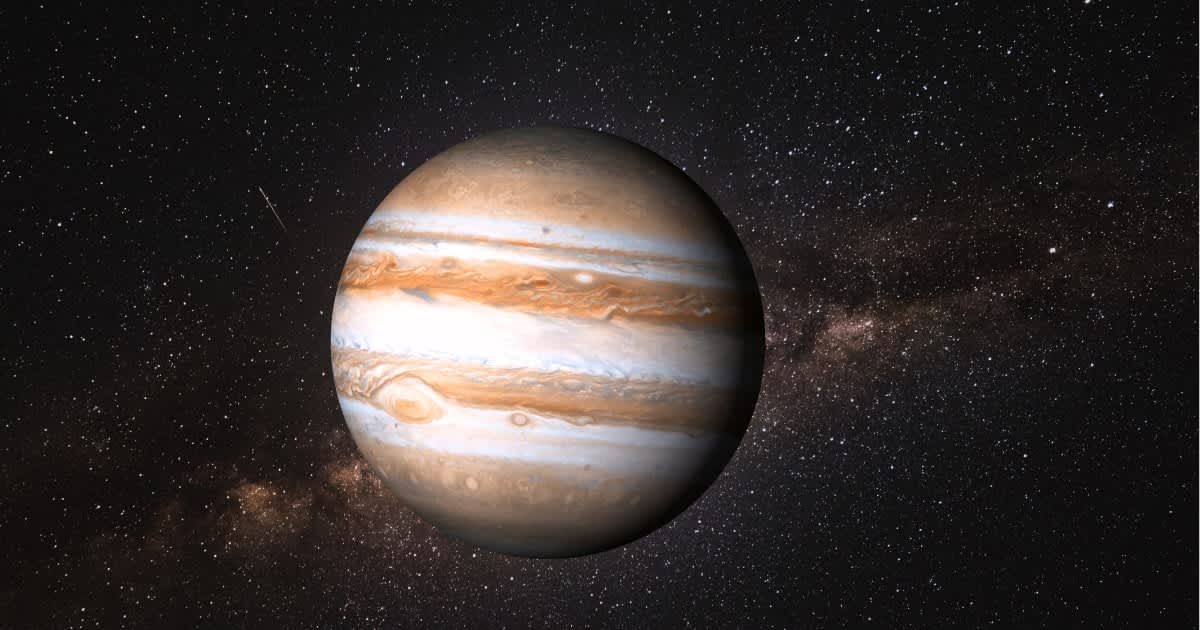
According to Kane, increasing the mass of Mars shortens the other two major cycles because higher mass means greater gravitational pull and bigger effects. Those two major cycles govern the shape of Earth's orbit, the timing of its closest approach to the Sun, and how much sunlight Earth receives. This, in turn, influences glacial cycles and climate patterns. Currently, Earth revolves around the Sun by tilting at about 23.5 degrees, which varies slightly over time. Simulations by Kane show that the tilt drops as the mass of Mars increases.
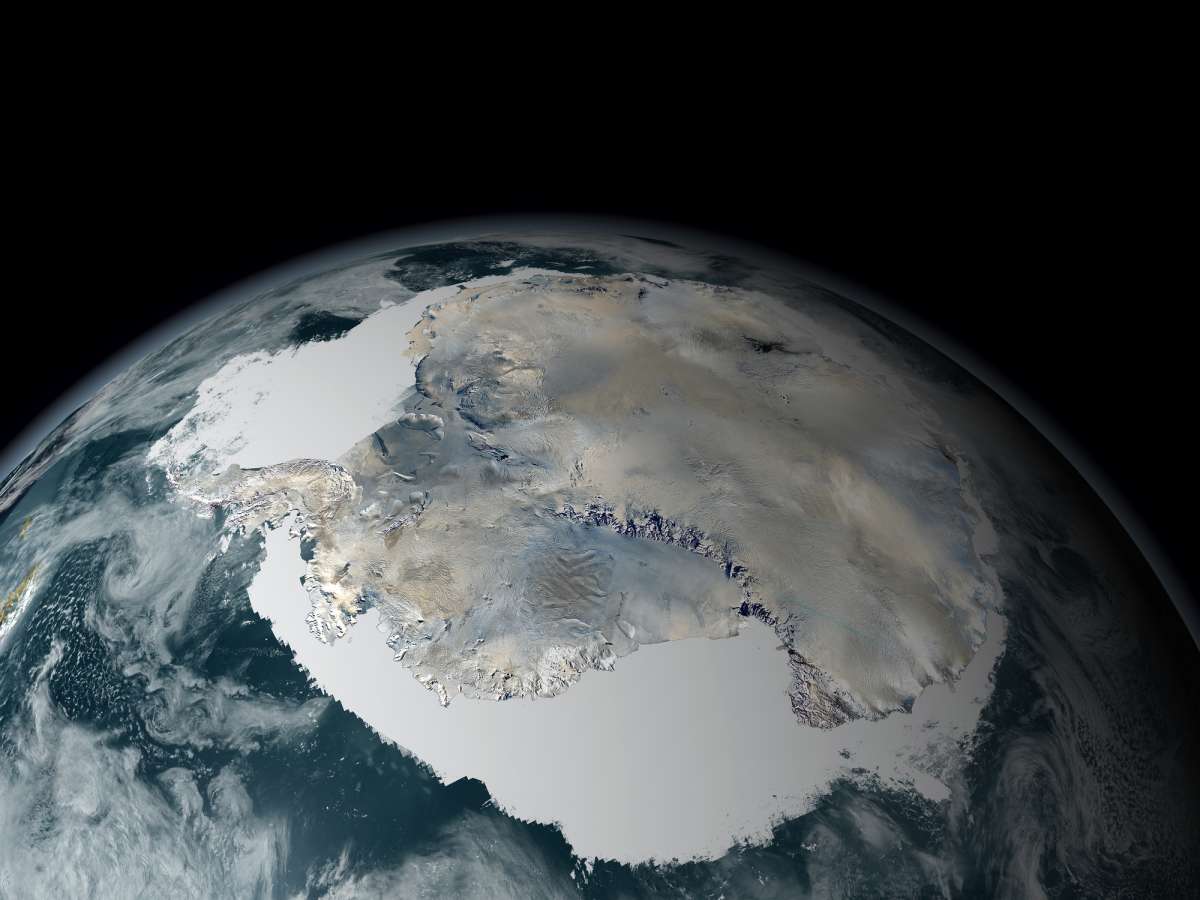
This research has far-reaching implications. Now, scientists can look for similar remotely interacting Mars-Earth duo beyond the solar system. By tweaking climate patterns, the Red Planet also played midwife to the way life evolved on Earth. Ice ages shrank forests, allowing grasslands to expand, which, in turn, led our ancestors to walk upright, use tools, and become social creatures. What would have happened if we didn’t have a Mars-like planet? The outcome could have been different, and life on Earth would probably have proceeded on a different path.
More on Starlust
NASA's mission to bring back Mars sample halts in its tracks
New evidence shows Mars was once a 'blue planet' covered by a massive ocean