Thick layer of volcanic ash may be hiding massive glaciers on Mars
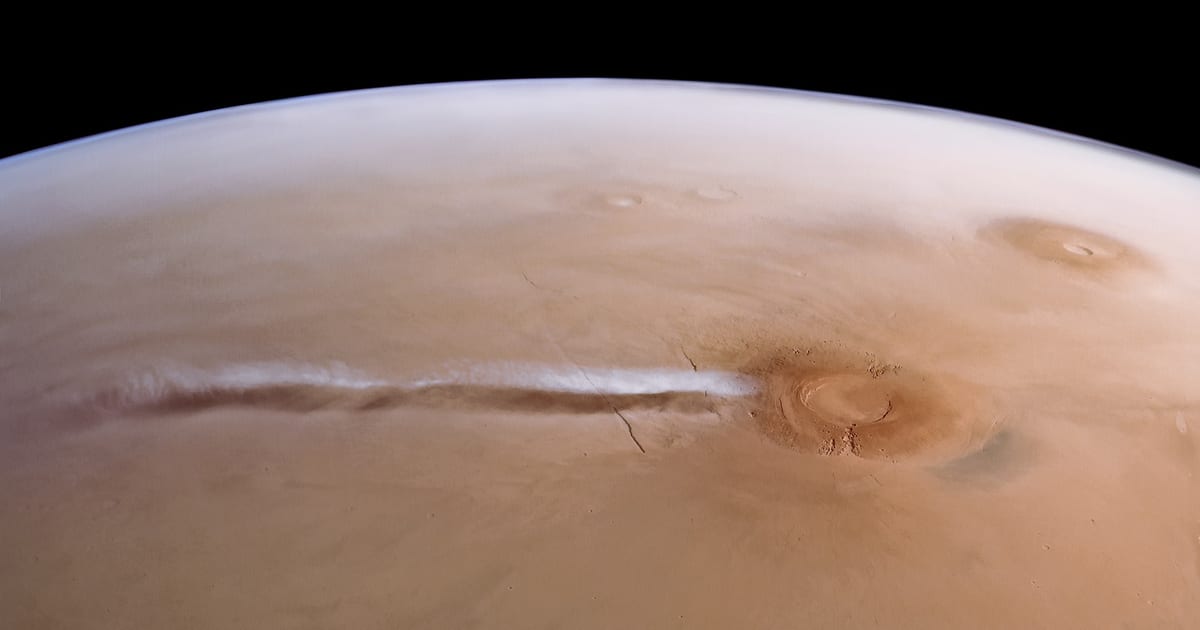
![An image of the summit caldera of Hecates Tholus, the northernmost volcano of the Elysium volcano group. [Cover Image Source: ESA/DLR/FU Berlin (G. Neukum)]](https://d3hedi16gruj5j.cloudfront.net/792614/uploads/3bc8e240-10b2-11f1-83b0-ff1073066054_1200_630.jpeg)
A blanket of volcanic ash may be hiding massive glaciers on the Red Planet. Hecates Tholus, an ancient shield volcano on Mars, resembles the volcano named ‘Deception Island' here in Antarctica. Comparing these two sites, scientists from the University of Alcala in Spain have provided new insights into the Martian volcano and the water it may have hidden away. The team, led by M. A. de Pablo, has published their findings in Icarus.
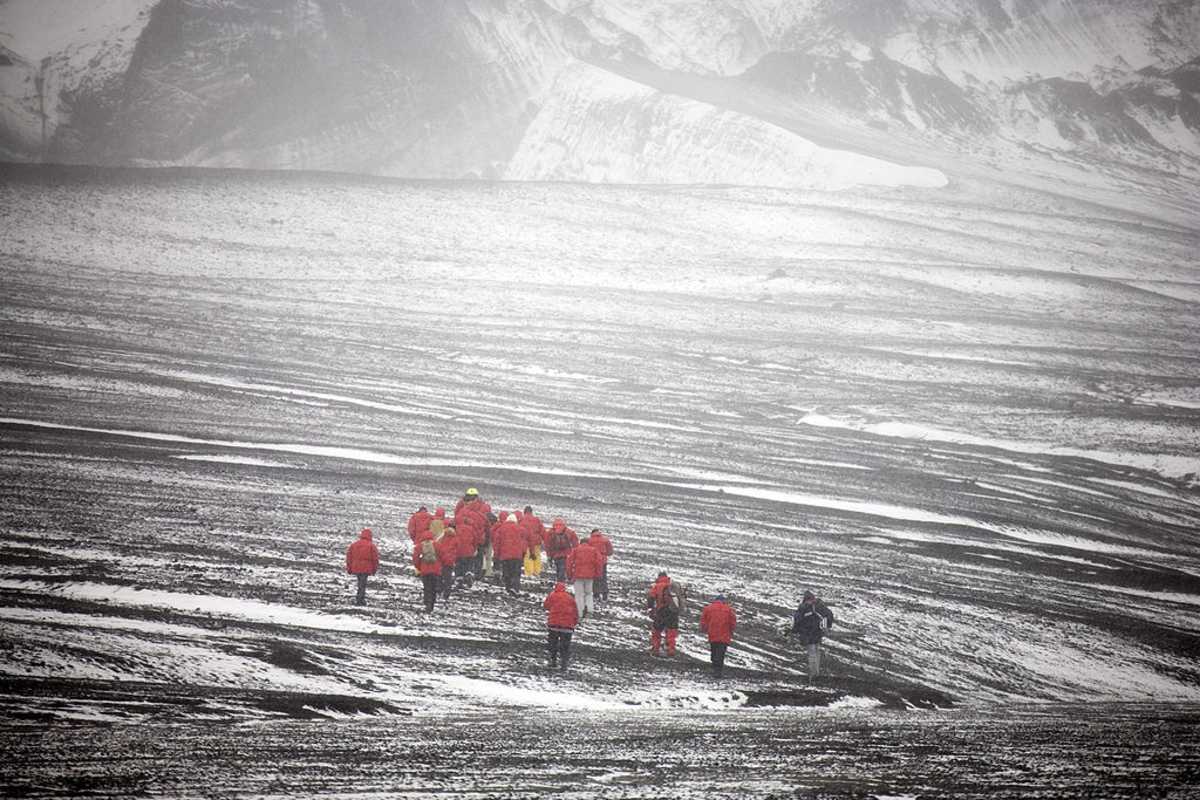
While both probes and ground-based telescopes have seen ice in the Martian poles, they are difficult to access. A site closer to the equator, on the other hand, would be a much better option for human explorers to look for water when they land on Mars. Parts of the mid-latitudes of Mars do appear to be housing glaciers hidden under thick layers of rock and dust. A similar situation is found on Deception Island, where eruptions in the 60s and 70s spewed volcanic dust and ash that covered the surrounding glaciers.
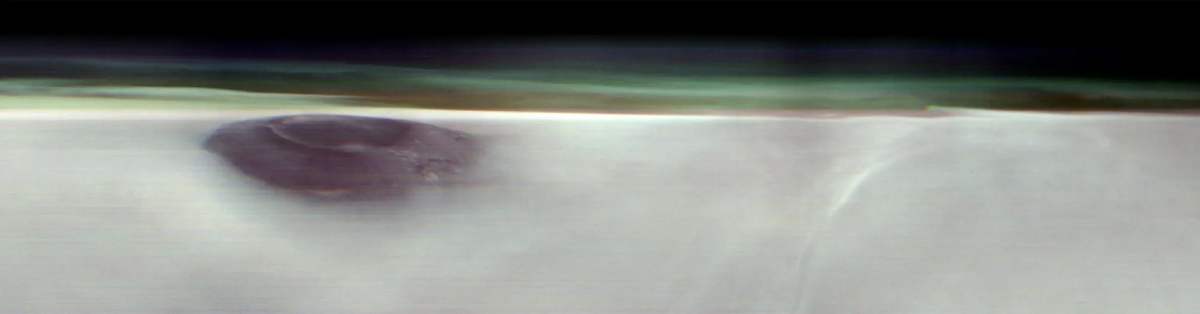
Pablo’s team claims that Hecates Tholus also has a similar history. In fact, many features of the Antarctic volcano match those of Hecates Tholus, suggesting that the process that drapes the icy layer with dust and ash in Antarctica is also at play surrounding the Martian volcano. Bit by bit, the team analyzed and compared a range of geomorphological features, namely crevasses, bergschrunds, and moraines. The features around Hecates Tholus are indeed among the strongest geomorphological clues that reveal buried glacial ice—not just loose debris or lightly ice-cemented rock—may exist near Mars’ equator.
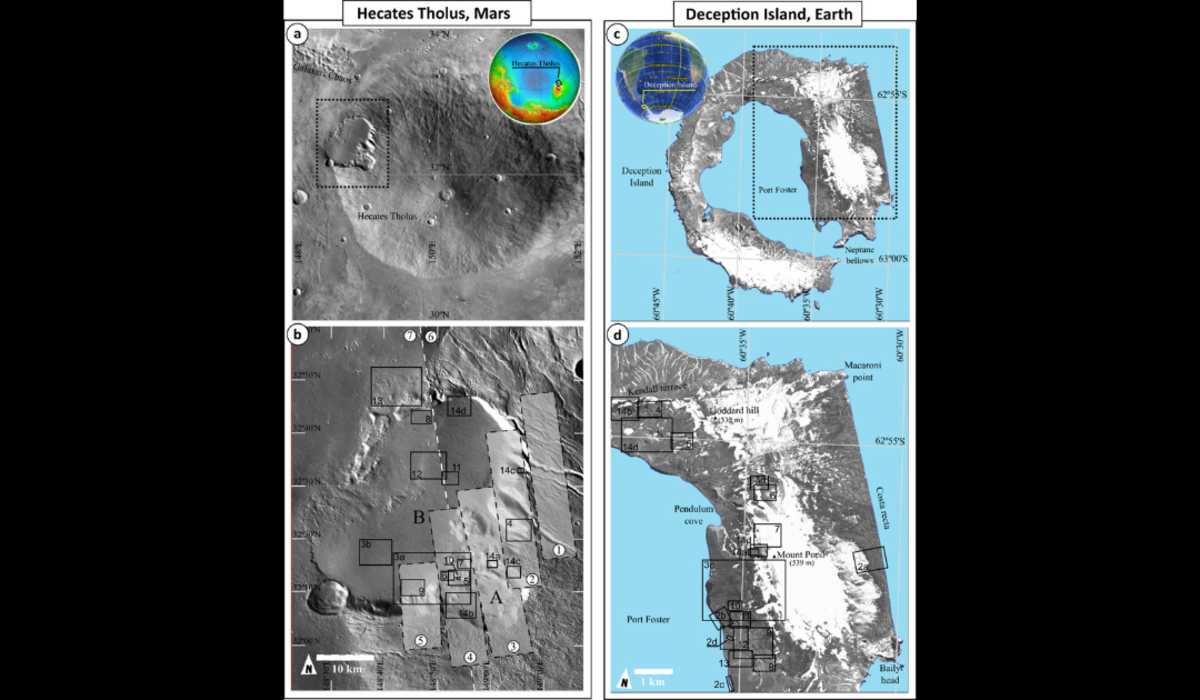
On Deception Island, crevasses are clearly visible from space near glacier headwalls—the dangerous, steep cliffs at the upper end of glaciers. Features not too different from these crevasses have been noticed at Hecates Tholus from space, and they strongly suggest the presence of a coherent ice mass. Bergschrunds are oversized crevasses that form when moving glacier ice separates from stagnant ice. Similar features near Hecates Tholus are as long as 600 m and clearly indicate that there was active ice movement at one point in time. Lastly, there is the bulldozer effect on both Hecates Tholus and Deception Island, which indicates the presence of push moraines. These are a result of moving glaciers pushing massive rocks in front of them, leaving a bumpy terrain in their wake.
But how could ice survive in such Martian conditions for millions of years? Mars’ cold temperatures and thin atmosphere mean sublimation happens—and it did until the crevasses were coated with dust that acted as a protective layer. If debris-covered glaciers exist at Hecates Tholus, they may exist near other Martian volcanoes, too. Of course, there's so much that can be understood remotely. Proposed missions like FlyRADAR, a future drone-based survey of Mars, on the other hand, could help clarify whether Martian volcanoes are indeed hiding water.
More on Starlust
Mars may be tiny but its impact on Earth's ice ages has been immense
Stunning new study claims Mars may have supported life longer than initially suspected