'Under budget and ahead of schedule': NASA moves up Roman telescope launch date after key inspection
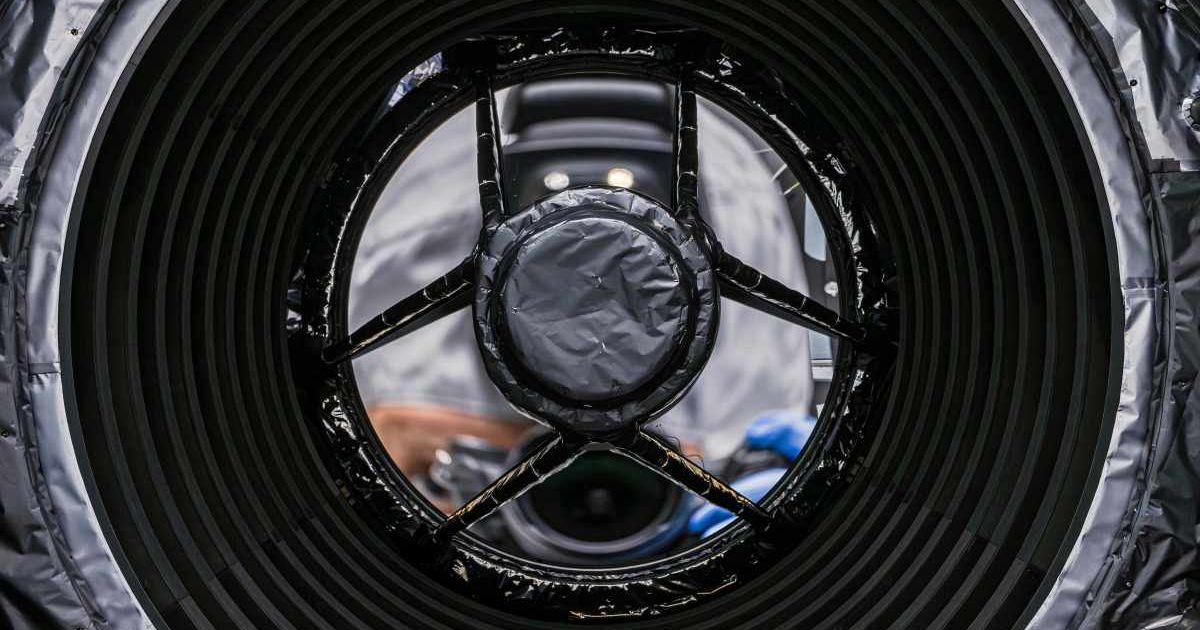
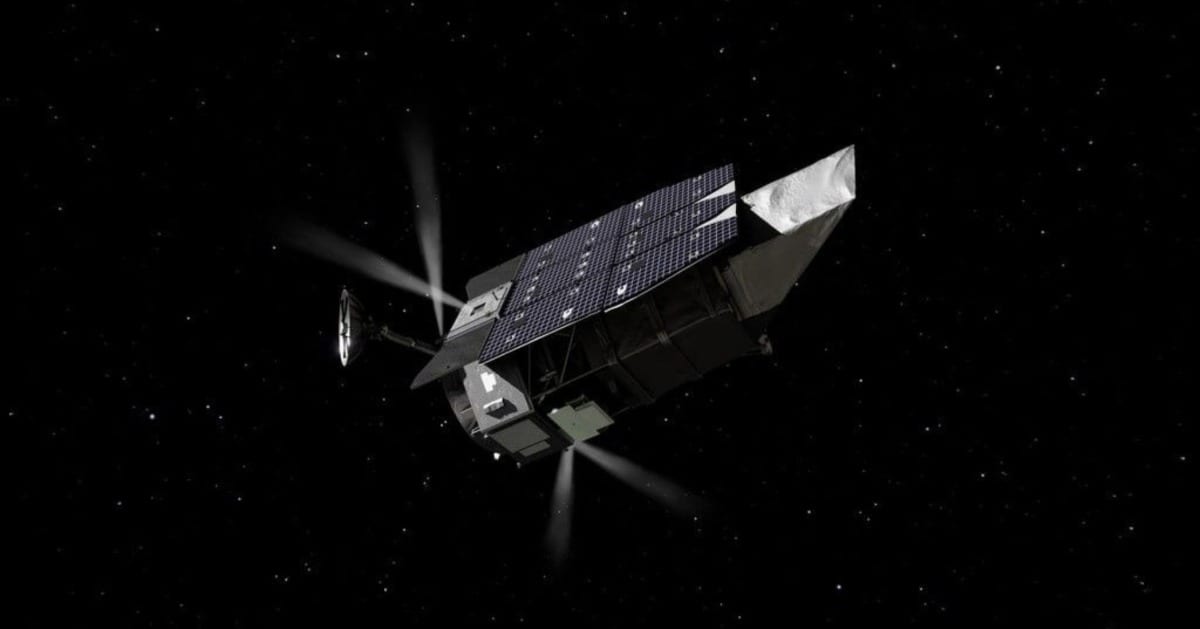
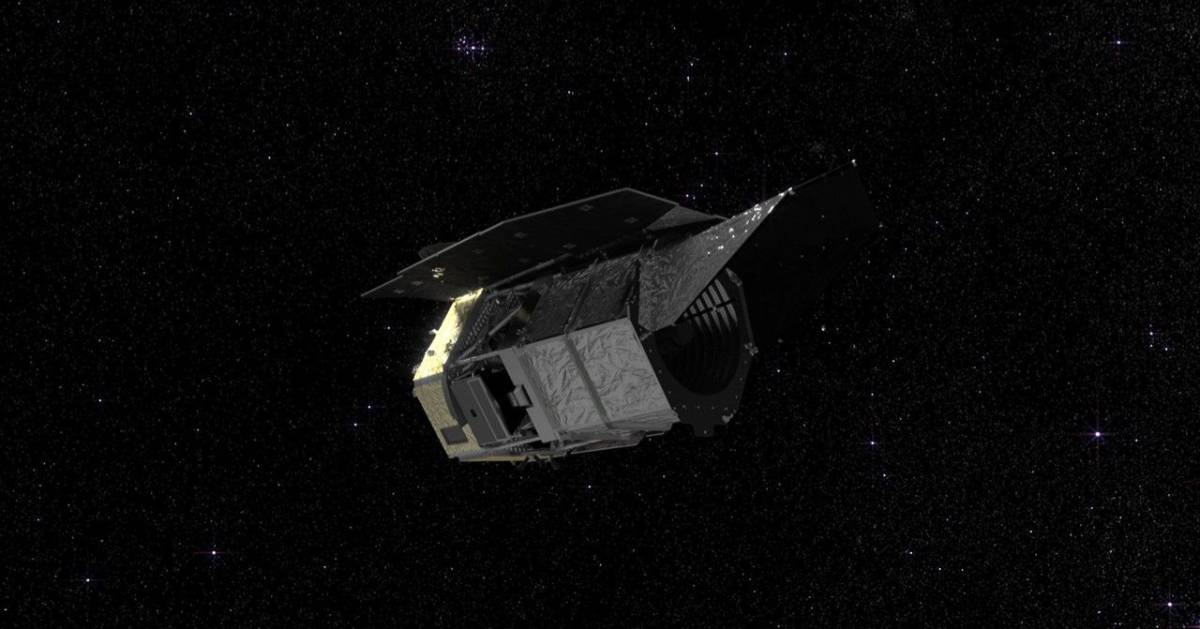
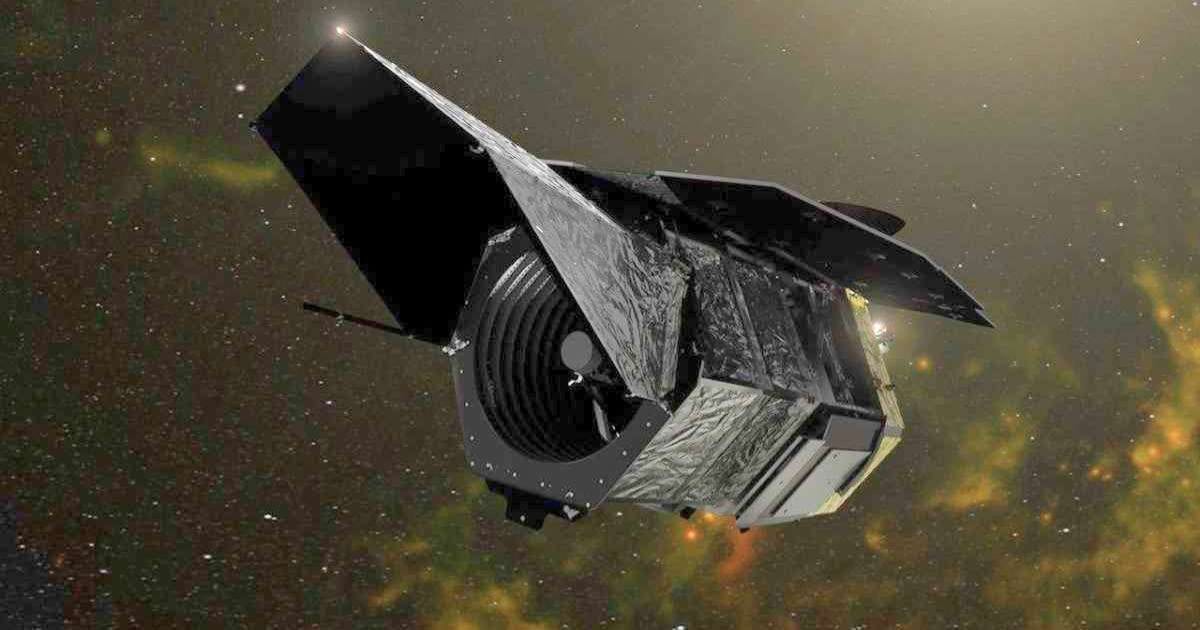
NASA has moved up the launch of the Nancy Grace Roman Space Telescope to August 30, 2026, having completed the final inspection of one of its most important components, the 7.9-foot mirror. NASA Administrator Jared Isaacman took to X to acknowledge the revised launch date, stating, "That’s right. Under budget AND ahead of schedule." The space telescope's final inspections of the mirror path and alignment at the agency's Goddard Space Flight Center (GSFC) in Maryland came after the telescope had been turned onto its side on May 20, 2026, so as to deploy the aperture cover, a hood that will protect the mirror from unwanted light.
That’s right. Under budget AND ahead of schedule.
— NASA Administrator Jared Isaacman (@NASAAdmin) June 4, 2026
Looking forward to seeing the beginning of the world-changing Nancy Grace Roman Space Telescope NET August 30. https://t.co/NzBhQ3oV6L
Astronomers have high expectations of Roman following NASA's claims that it will work 1000 times faster than the Hubble Space Telescope. Its mirror will also resist thermal flexing, preventing image distortion. The mirror is so smooth that an average bump on its surface is just 1.2 nanometers tall and would only rise up to a quarter of an inch high if the mirror were to be scaled up to the size of the Earth. The silver coating on it, chosen for how well it reflects near-infrared light, is less than 400 nanometers thick. That's 200 times thinner than a strand of human hair.
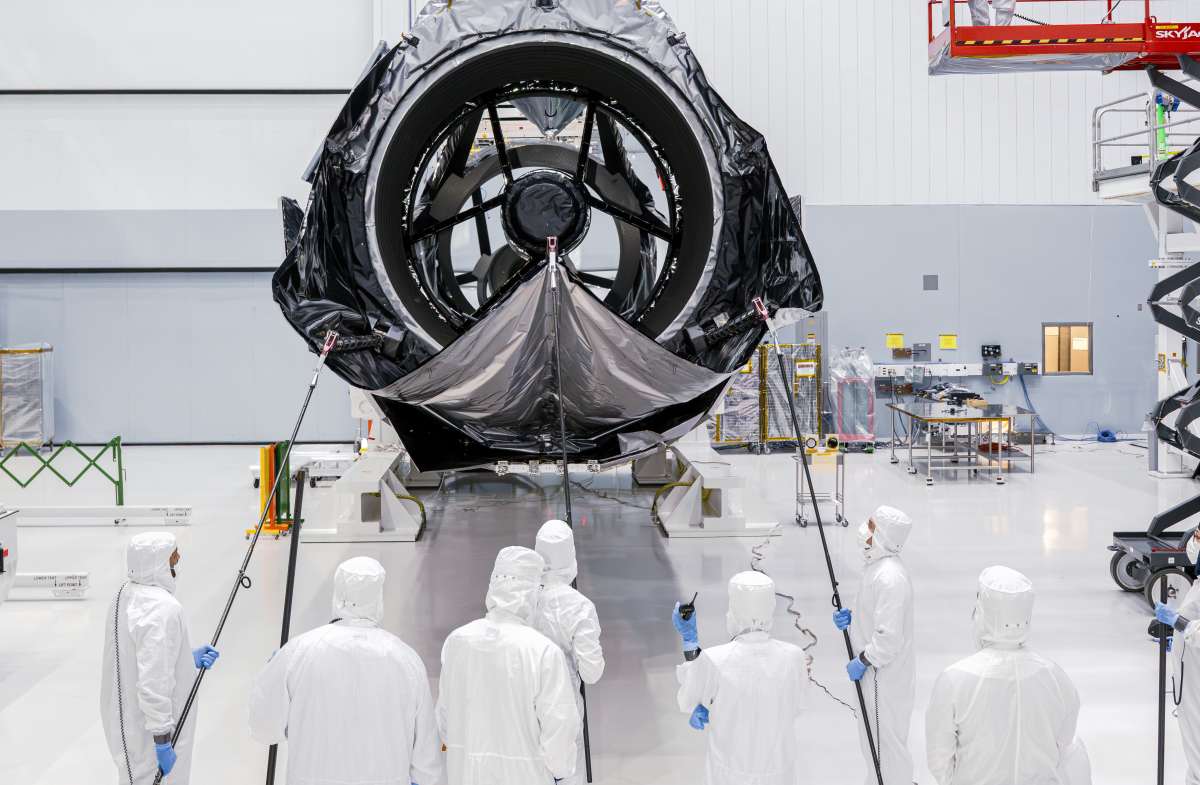
"The Roman engineering team laid eyes on the telescope for the final time before it, in turn, becomes the eyes of humanity, revealing the wonders of the cosmos," said J. Scott Smith, the Roman telescope manager at NASA Goddard, in a statement. During the inspection, the team made sure that the mirror's path and alignment were unaltered and that no specks fell on it during testing. "We developed a method of using a high-resolution camera equipped with a very powerful zoom lens to do a multi-purpose inspection. The mirror passed with flying colors, keeping the mission on track for an early September launch," said Bente Eegholm, the optics lead for Roman's Optical Telescope Assembly at Goddard. This was, of course, before NASA decided to move up the date of the launch.
Reflecting on the past, ready for the future ✨
— NASA Goddard (@NASAGoddard) June 3, 2026
@NASARoman engineers took one last look at the telescope's primary mirror, ensuring the observatory is ready to explore the universe.
Next up? Packing Roman up and shipping to @NASAKennedy for launch!https://t.co/VeFVRA7hQG pic.twitter.com/2Iynx4a99G
NASA will now ship the telescope down to Kennedy Space Center in Florida later this month. Upon arrival, it will be moved into the Payload Hazardous Servicing Facility, where all of its components will be inspected again so as to confirm that the journey did not take its toll on its construction. As with any space launch, NASA will conduct rehearsals of the launch, load 290 gallons of hydrazine fuel, and install the telescope on the adapter of the SpaceX Falcon Heavy Rocket. The observatory will then be enclosed inside the fairing, or nose cone, which will shield it during liftoff and its journey through the atmosphere. Finally, Roman will be integrated with a Falcon Heavy rocket inside a hangar before it is rolled out to Launch Pad 39A at NASA Kennedy.
Our @NASARoman space telescope is officially slated to launch on Aug. 30!
— NASA (@NASA) June 3, 2026
Get the details and follow Roman's journey on our new Roman Space Telescope blog: https://t.co/72iud38kMm pic.twitter.com/z5uxW2ficd
Once in space, the telescope will be positioned at the L2 Lagrange point, the second of five equilibrium points in the Sun-Earth system. From here, Roman will be able to peer at deep-sky objects to provide scientists back on Earth unprecedented views and insights into mysterious subjects like dark matter. "We’re really proud of the amazing optical system we’ve delivered for the Roman mission alongside our partners at L3Harris," said Josh Abel, lead Optical Telescope Assembly systems engineer at Goddard.
More on Starlust
NASA's Roman Telescope to map dark matter and dark energy more precisely than ever
NASA’s Roman Space Telescope survey aims to discover 100,000 star explosions and feeding black holes