NASA's Nancy Grace Roman Space Telescope to launch in September; will work 1,000x faster than Hubble
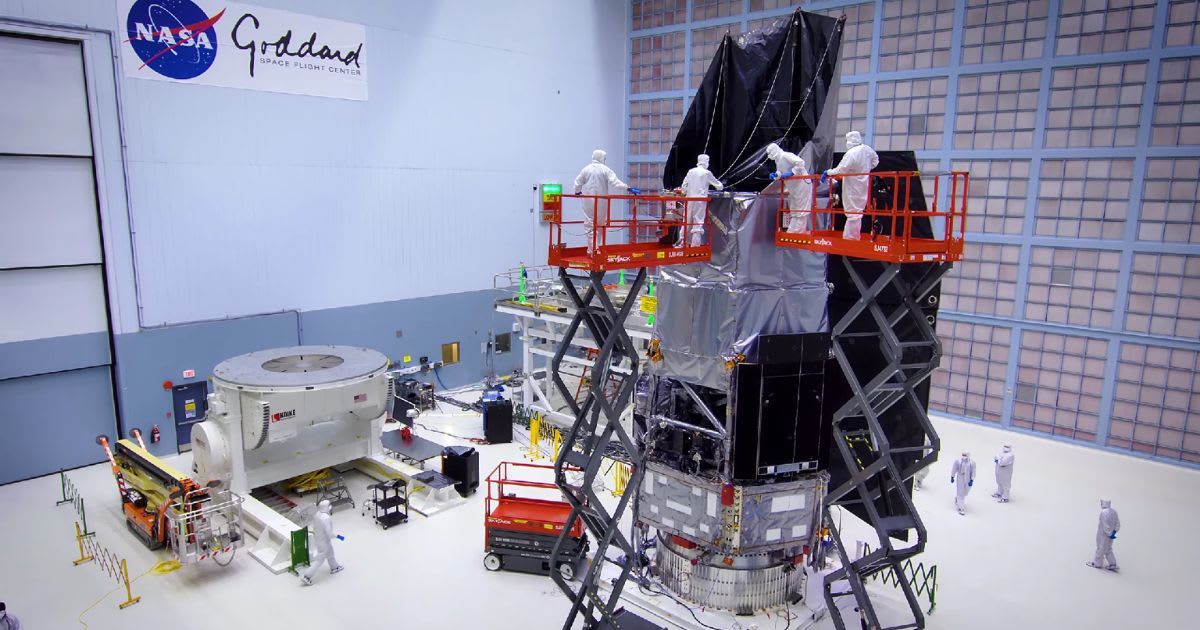
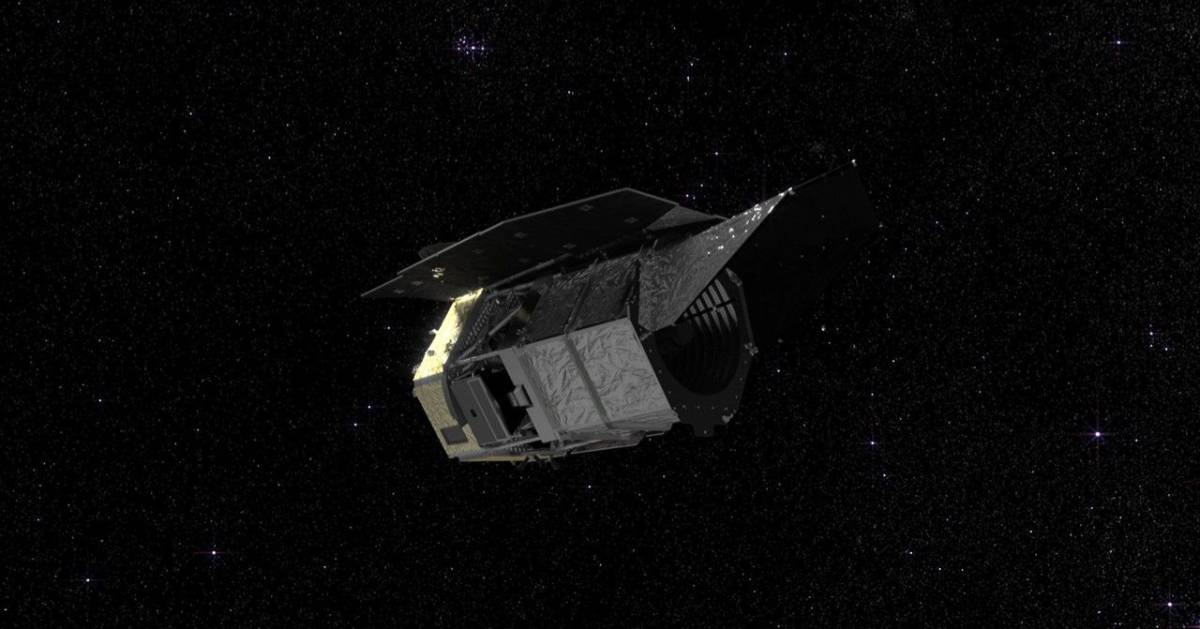
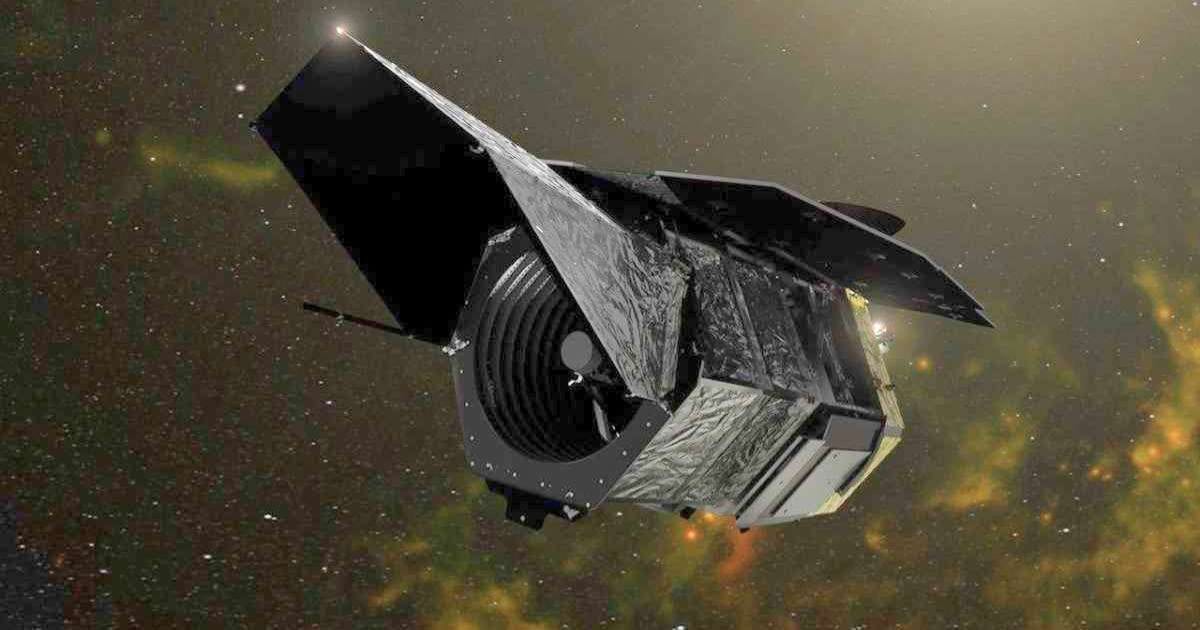
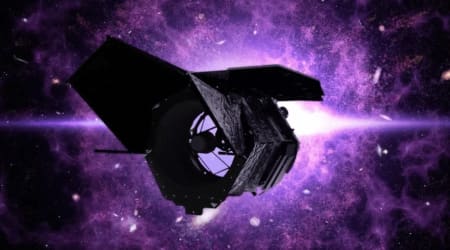
NASA’s Nancy Grace Roman Space Telescope is officially complete, eight months ahead of schedule and under budget. The agency’s new fully integrated flagship telescope is now undergoing final preparations before it heads to Kennedy Space Center in Florida. NASA is currently targeting an early September launch aboard SpaceX’s Falcon Heavy rocket.
The Nancy Grace Roman Space Telescope is in final preparations for an early September launch, eight months AHEAD of schedule and UNDER budget.
— NASA Administrator Jared Isaacman (@NASAAdmin) April 21, 2026
This milestone is the result of more than a decade of dedication and millions of hours of work by NASA and our industry partners. Their… pic.twitter.com/dmNglbc93h
The Nancy Grace Roman Space Telescope—named after NASA’s first chief astronomer—will investigate dark matter, dark energy, and the structure of the universe. "Its surveying capabilities are over 1,000 times faster than Hubble and can chart 200 times more sky in a single image," said NASA Administrator Jared Isaacman, speaking at the press briefing held at the agency’s Goddard Space Flight Center in Greenbelt, Maryland. "What would take Hubble 2,000 years to process, Roman can do in a year."

Dr. Nicky Fox, the associate administrator of the Science Mission Directorate at NASA, also compared Roman to Hubble for a better understanding of the new flagship telescope’s power and speed. While Hubble gathered 172 terabytes of data in its first 30 years, Roman is expected to downlink 1.4 terabytes of science data every day. “We’ve already confirmed today over about 6,000 planets, and Roman will discover tens of thousands of new planets outside our solar system,” added Dr. Fox. “It will reveal billions of galaxies, thousands of supernovae, and tens of billions of stars.”
The Nancy Grace Roman Space Telescope will also be NASA’s first major demonstration for achieving one of the goals of the Habitable Worlds Observatory. The HWO is a concept for the first telescope designed specifically to find potentially habitable exoplanets. Playing a major role in this broader mission will be Roman's coronagraph, which is the most advanced instrument of its kind to ever be flown into space.
Amaze, amaze, amaze!
— Nancy Grace Roman Space Telescope (@NASARoman) April 13, 2026
As we wrap up final testing and prep for shipment to @NASAKennedy, see how we got the hardware of the Nancy Grace Roman Space Telescope from testing to completion!
While Roman's adventures at @NASAGoddard are coming to a close, this is just the beginning of… pic.twitter.com/dWCxjSIvXZ
Speaking about Roman’s imaging capabilities, Dr. Julie McEnery, the senior project scientist for the Roman telescope, explained, “If we were to take the single image that is produced from our main survey and try to fully display it with a set of 4K TVs, you’d need more than half a million 4K TVs.” Furthermore, Roman’s coronagraph instrument will allow the observatory to block the light of a bright star in order to directly image faint exoplanets next to them. “To do this magic, we have to have an optical system that can adjust itself to maintain sufficient precision,” added Dr. McEnery. “This will be the first time we’ve had a system in space with this kind of active optics.”
Our @NASARoman Telescope will match the detail of @NASAHubble, yet cover in a year what would take Hubble nearly a century. Combining data from Roman, Hubble, and @NASAWebb will help astronomers “rewind the universe” and understand how it formed: https://t.co/sqCa6J3Tw8 pic.twitter.com/fsw0lyeNlb
— NASA (@NASA) March 2, 2023
Despite the Nancy Grace Roman Space Telescope being way more powerful than Hubble, the intent is to have it work alongside both Hubble and the James Webb Space Telescope to complement each other and offer a more complete picture of the cosmos. The fully integrated flagship telescope will make corrections to the existing standard model of the universe, thanks to its capacity to detect over two billion galaxies. Roman's team completed constructing and assembling the telescope in just six years’ time, and once launched, the mission is expected to go on for a period of five years.
More on Starlust
NASA engineers successfully install extremely strong ‘sunblock’ shield on Roman Space Telescope
NASA’s Roman Space Telescope survey aims to discover 100,000 star explosions and feeding black holes