NASA’s AI can spot storm-making regions on the Sun 12 hours before they appear
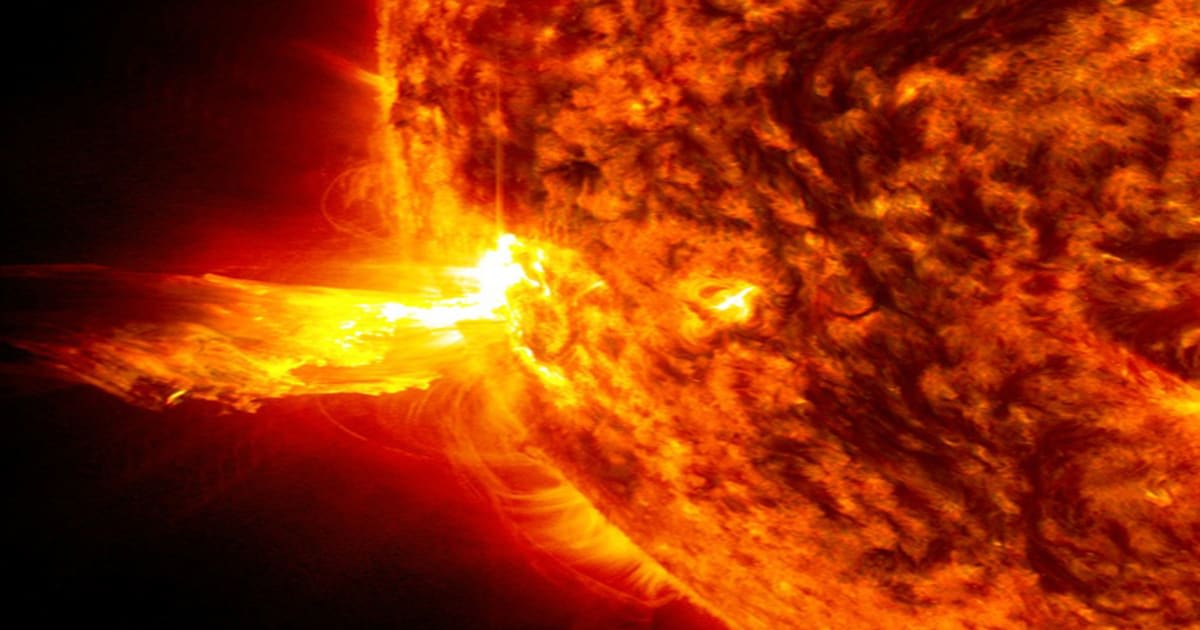
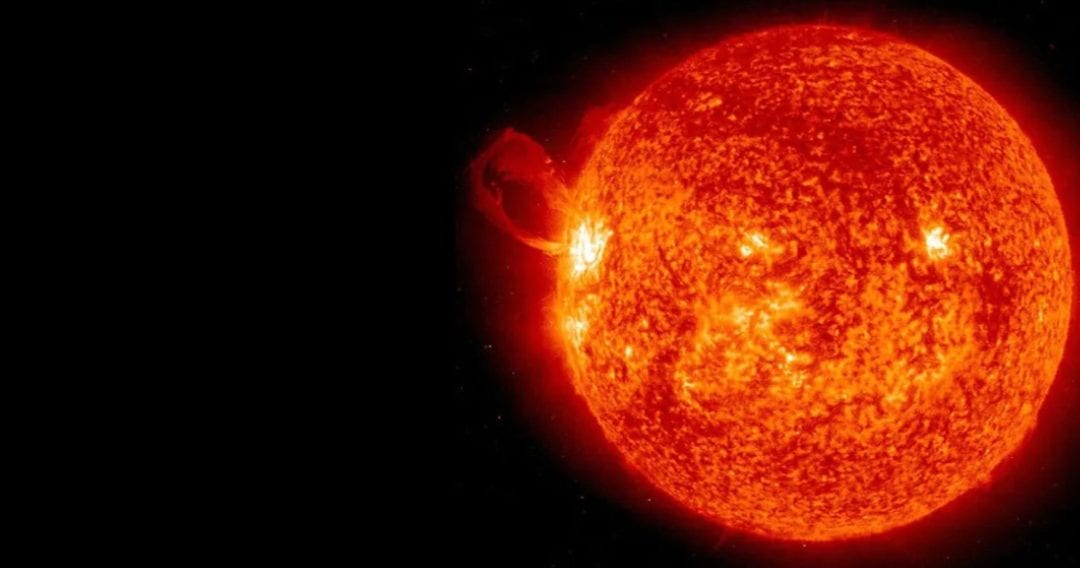
As AI technology continues to advance, NASA is finding new ways to use it to understand the Sun. Now, a team of astrophysicists and data scientists with the agency's COFFIES (Consequence Of Fields and Flows in the Interior and Exterior of the Sun) has developed a machine-learning model that can spot signs of storm-making regions on the Sun up to 12 hours before they emerge on its surface.
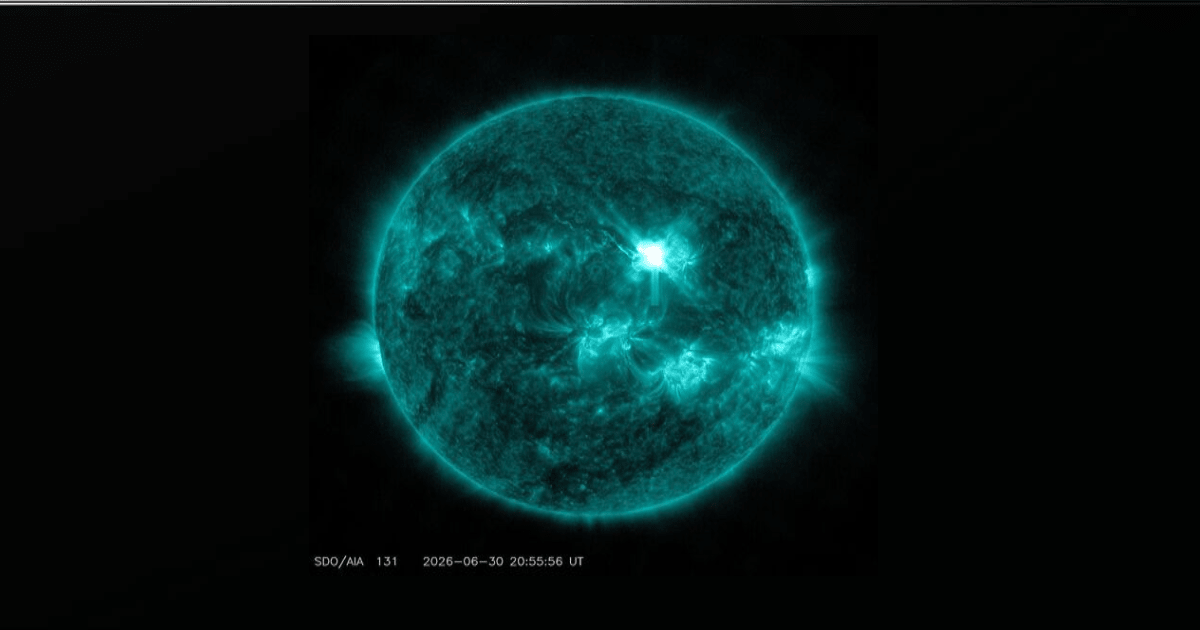
Active regions in the Sun’s interior are areas where powerful magnetic fields build up. As these regions rise and emerge through the Sun’s surface, they can appear as sunspots and become the source of solar flares and coronal mass ejections, or CMEs. These eruptions send high-energy radiation and charged particles across space, which can pose risks to astronauts, satellites, and radio communications on Earth.
The challenge of detecting hidden activity
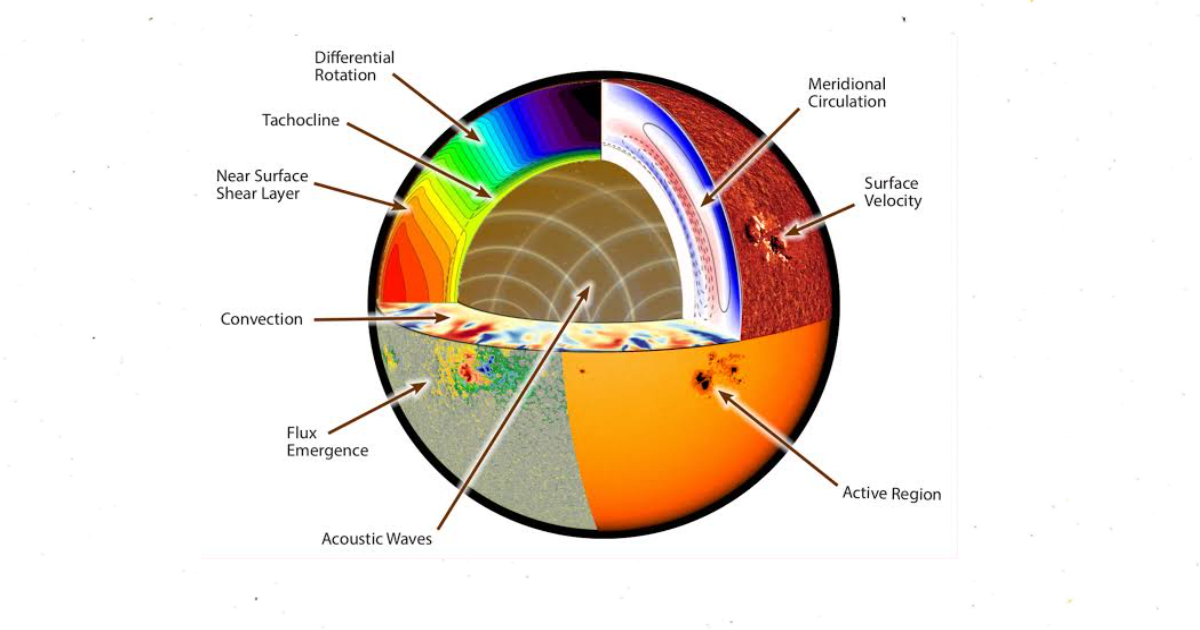
The biggest hurdle for scientists is that they cannot directly see these magnetic structures while they are still moving through the Sun’s interior. "Instead, we must look for indirect effects—very small changes in the magnetic field and in the pattern of acoustic waves continually traveling through the Sun,” said Alexander Kosovichev, a COFFIES co-investigator at NJIT, in a statement. "The developed technique identifies precursors associated with an emerging active region in slight changes of the Sun’s acoustic power—more like a slight change in rhythm within a very noisy orchestra."
How COFFIES uses AI to predict active regions
The new approach, published in the Journal of Geophysical Research: Machine Learning and Computation, makes use of observations from NASA’s Solar Dynamics Observatory and NASA Ames' supercomputing resources to track the changes in acoustic waves caused by sunspot regions when they begin to form beneath the solar surface and start moving towards the surface.
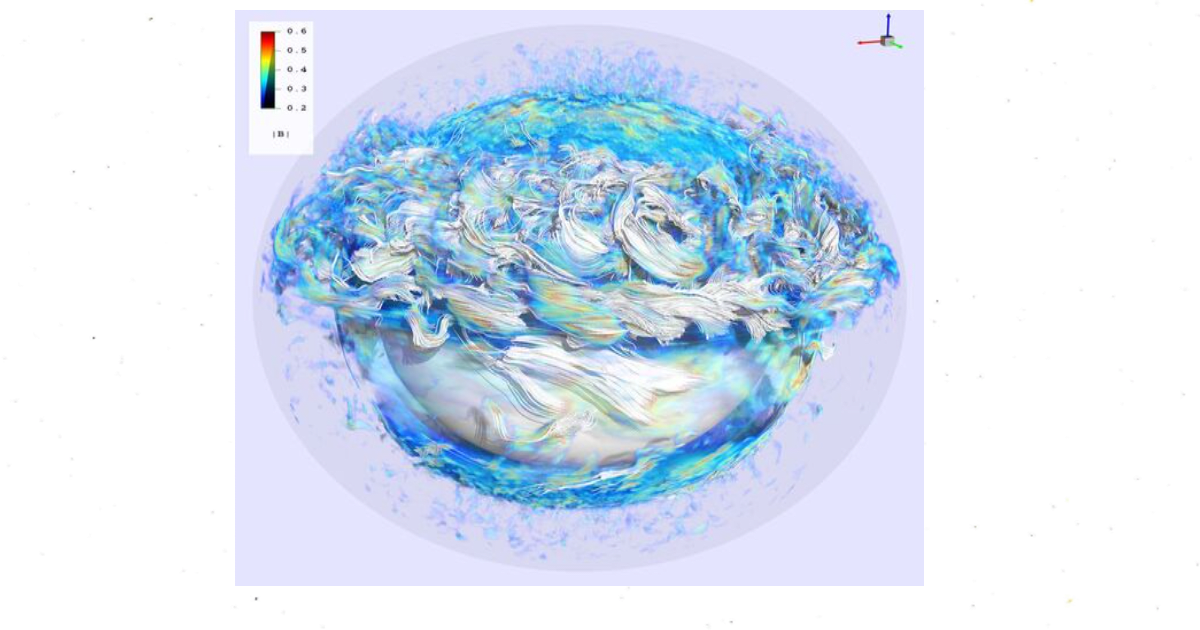
The AI model developed by the COFFIES team uses a specialized method called a sliding-window transformer architecture to study these changes. The method works with long sequences of solar data, allowing the model to follow how the activity changes over time. It does not look at all of the Sun’s activity at once, unlike earlier deep learning methods. Instead, a fixed-size window moves across the data and focuses on recent changes while also keeping track of the broader patterns.
A new way to forecast solar activity
Currently, space weather forecasters monitor active regions that are already visible on the Sun. They study the characteristics of these regions to determine the chances of a solar flare. With the COFFIES model, scientists can get information about an active region before it appears on the surface.
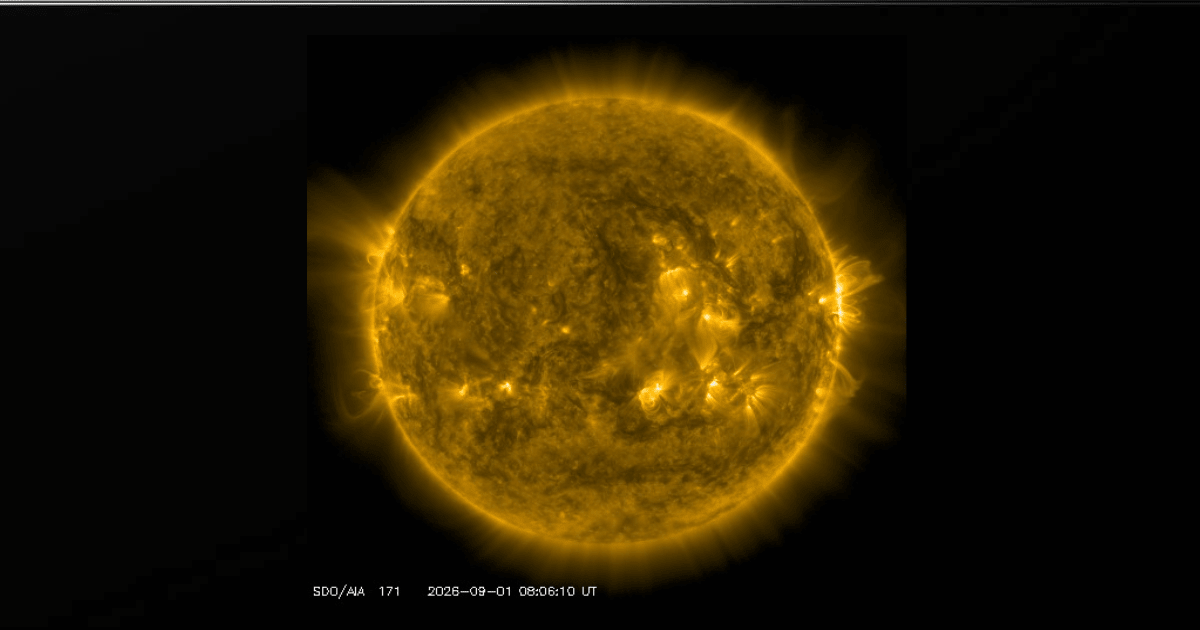
This could be especially useful for active regions on the Sun’s far side. These regions are difficult to monitor before they rotate into view, and predicting their emergence could provide additional information for existing space weather models. Although the results are promising, the model is not yet ready for operational, real-time space weather forecasting. The COFFIES team plans to test the approach on many more known solar events and fine-tune the model to improve its reliability.
Why this matters for future space missions
Earlier information about potential solar activity could become especially useful as NASA prepares for human missions to the Moon and eventually Mars. Solar flares and CMEs can create space weather that threatens astronauts and the spacecraft they depend on, making early warnings important for mission planning and safety.
NASA and NOAA already work together to monitor and forecast space weather. The new COFFIES approach could give these teams more information about where active regions may emerge and where potential flaring could occur. The work is also part of COFFIES’ larger effort to understand the processes happening inside the Sun. By studying the Sun’s interior and its changing magnetic activity, scientists hope to better understand its 11-year activity cycle. This could also help improve the tools used to predict space weather across the solar system.
More on Starlust
Scientists find a new way to predict space weather based on how the Sun goes to 'sleep'
What will happen when the solar activity declines in the descending phase of Solar Cycle 25?