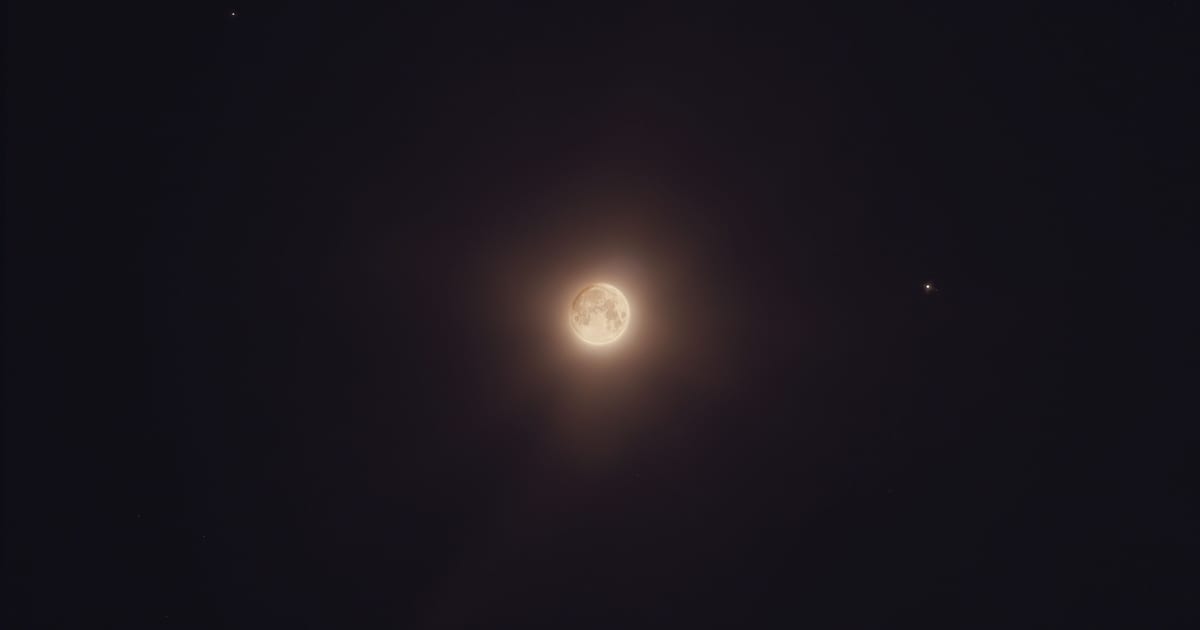
Moonless evening to highlight Comet C/2024 E1 (Wierzchos) in constellation Hercules on August 22
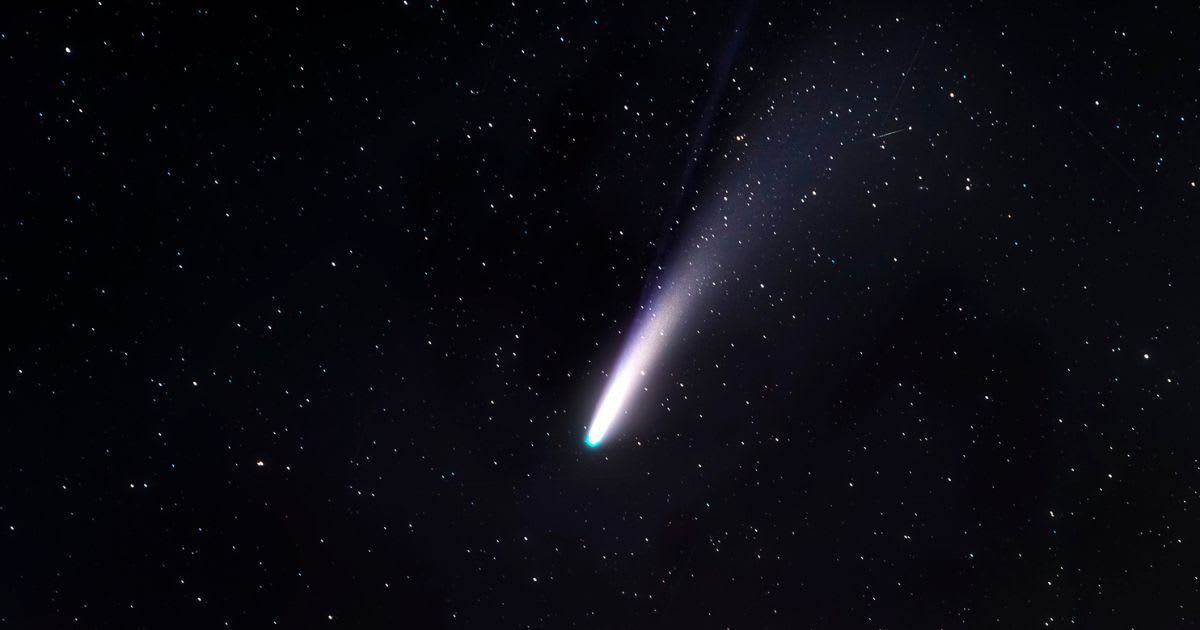
A moonless night sky on August 22 is setting the stage for observers to spot Comet C/2024 E1 (Wierzchos), which is currently making its way through the constellation Hercules. The comet will be visible for several hours after dusk, offering a brief window for astronomers to locate the distant celestial body, according to Astronomy.com.
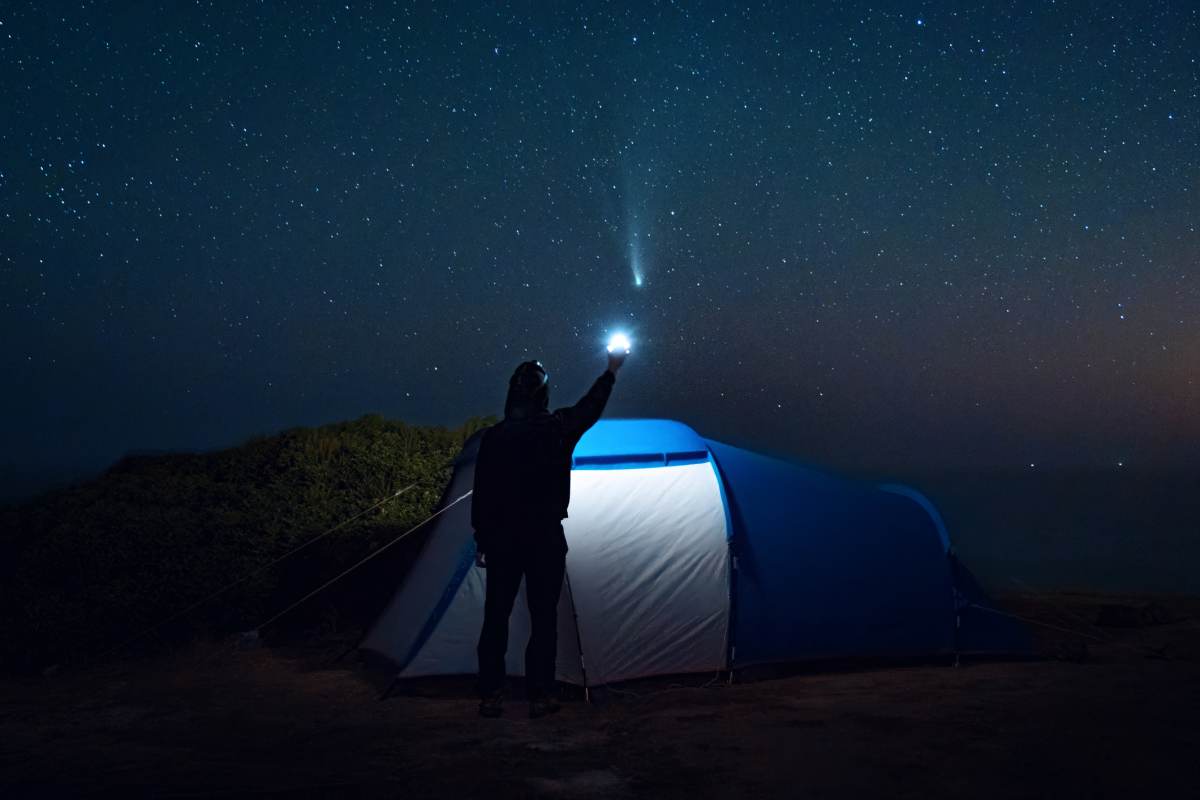
By 9:30 p.m. local time, the comet is expected to be positioned approximately 60 degrees above the western horizon. To find it, viewers can use the star Eta (η) Herculis as a guide, with the comet located about 9.5 degrees to its west. A closer point of reference is the star Chi (χ) Herculis, which will be less than two degrees north of the comet.
Currently shining at a dim magnitude of 14, the comet is best seen with larger telescopes. Its brightness is gradually increasing as it moves closer to the Sun, with its closest approach expected early next year. While searching for the comet, observers can also turn their attention to other objects in the area, such as the planetary nebula NGC 6058. Located about 7.5 degrees west of Eta Herculis, this nebula is a promising target for telescopes, appearing as a faint, even glow at magnitude 13. Larger instruments may even reveal a halo-like structure around its central star.
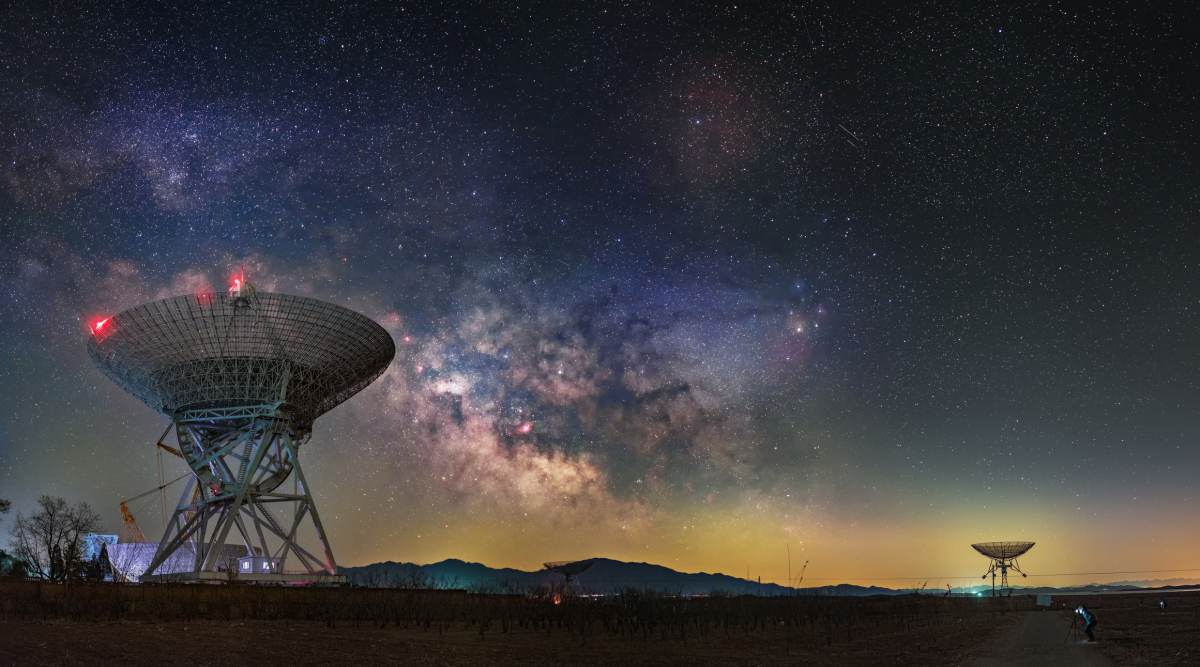
The brightness of a comet, such as C/2024 E1 (Wierzchos), is notoriously difficult to predict. Unlike stars, a comet's luminosity isn't constant; it changes based on how much sunlight scatters off the dust and gas in its coma and tail, as per Inthesky.org. This dust is constantly being shed from the comet's nucleus, a process driven by the sublimation of ice as the comet approaches the Sun. The amount of dust mixed in with this ice is highly variable and challenging to forecast. As a result, a comet's brightness can fluctuate significantly, even during different visits by the same object, making each sighting a unique event.
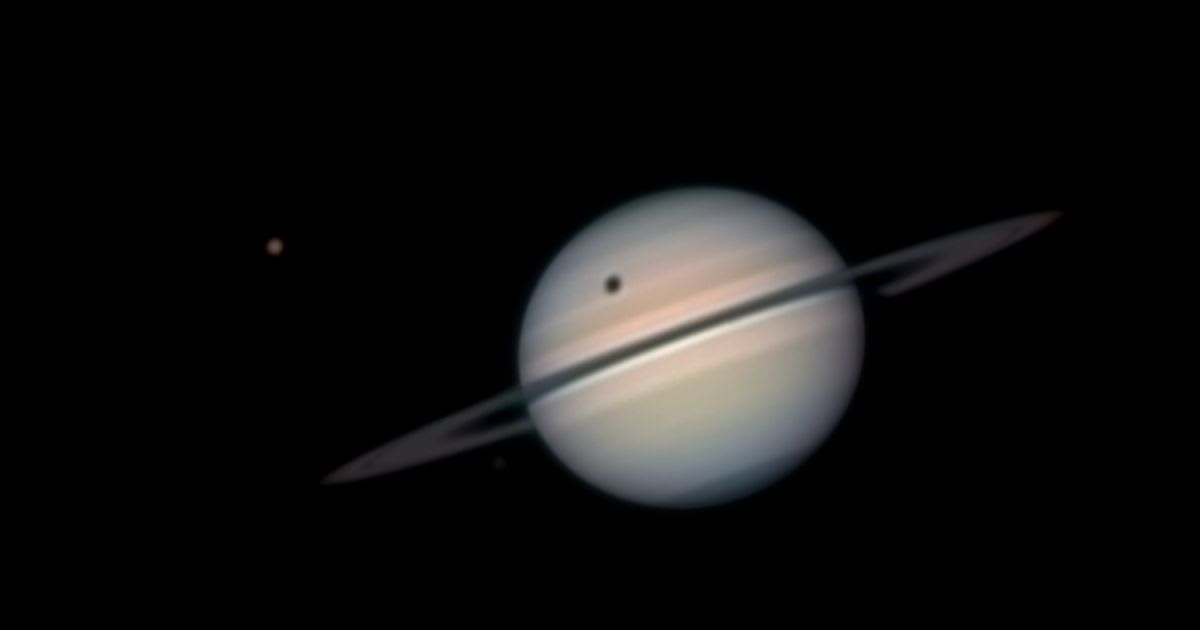
Adding to the week's celestial events, skywatchers are anticipating a rare alignment as Titan, Saturn's largest moon, casts its massive shadow onto the gas giant's surface. This four-hour spectacle begins at 1:52 a.m. ET (05:52 GMT) on August 19. This striking phenomenon is visible only when Saturn's rings are positioned edge-on to Earth, an event that happens just once every 15 years. This unique perspective allows Titan's shadow to appear as a dark, slow-moving spot across Saturn's clouds, creating the illusion of a cosmic eclipse.
In celebration of these astronomical spectacles, NASA is inviting the public to participate in its "Hubble's Night Sky Challenge." This initiative encourages stargazers to find and photograph deep-sky objects famously imaged by the Hubble Space Telescope.
What's up this August? 🔭
— Hubble (@NASAHubble) July 28, 2025
Find out what cosmic objects are part of next month's Night Sky Challenge here: https://t.co/W5gA2Smtem
If you don't have a telescope or binoculars, you can search for a local star party or club here: https://t.co/yAE26glPia pic.twitter.com/QQCltSFM2V
The challenge provides a guide for observers in both the Northern and Southern Hemispheres, categorizing objects by difficulty on a scale of 1 to 3. Participants can select targets based on their experience and equipment, ranging from well-known Messier objects (marked with "M") to additional noteworthy clusters, nebulae, and galaxies from the Caldwell catalog (marked with "C"). The goal is to capture images and compare them with Hubble's iconic shots, offering a new way for enthusiasts to engage with the cosmos.