Astronomers discover a new type of supernova erupted from exploding star's deadly encounter with black hole
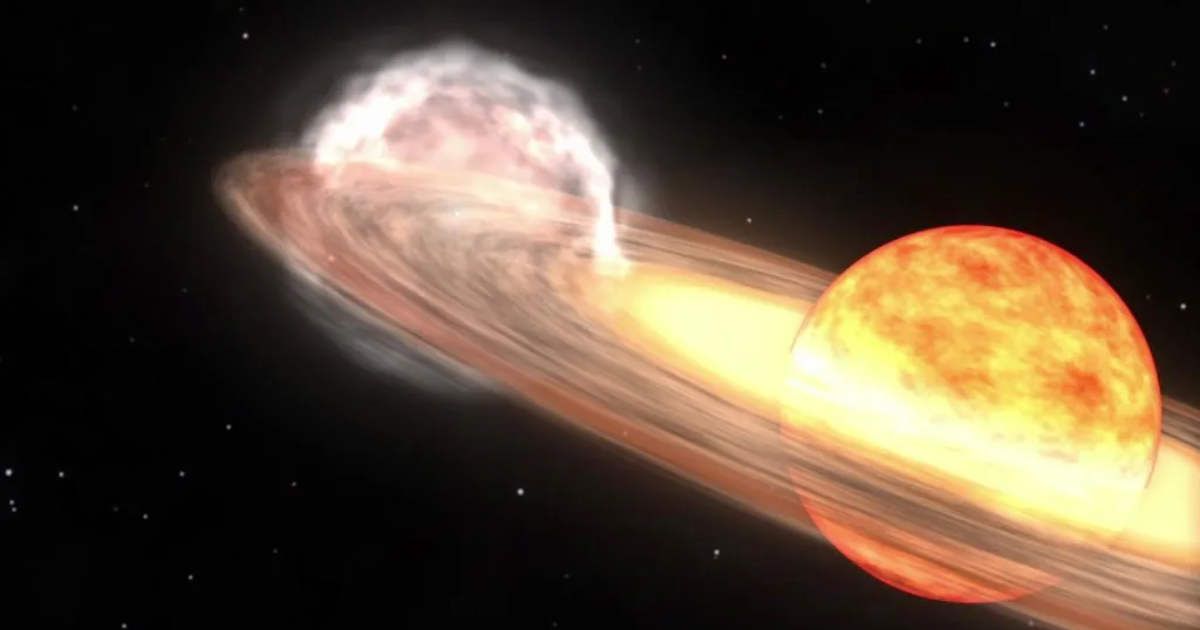
A team of astronomers has uncovered a stunning celestial event, a star that was likely detonated by a black hole in a rare cosmic death spiral. This discovery provides compelling evidence for a never-before-seen type of supernova and offers a new way to understand how massive stars end their lives, according to the Center for Astrophysics at Harvard and Smithsonian.
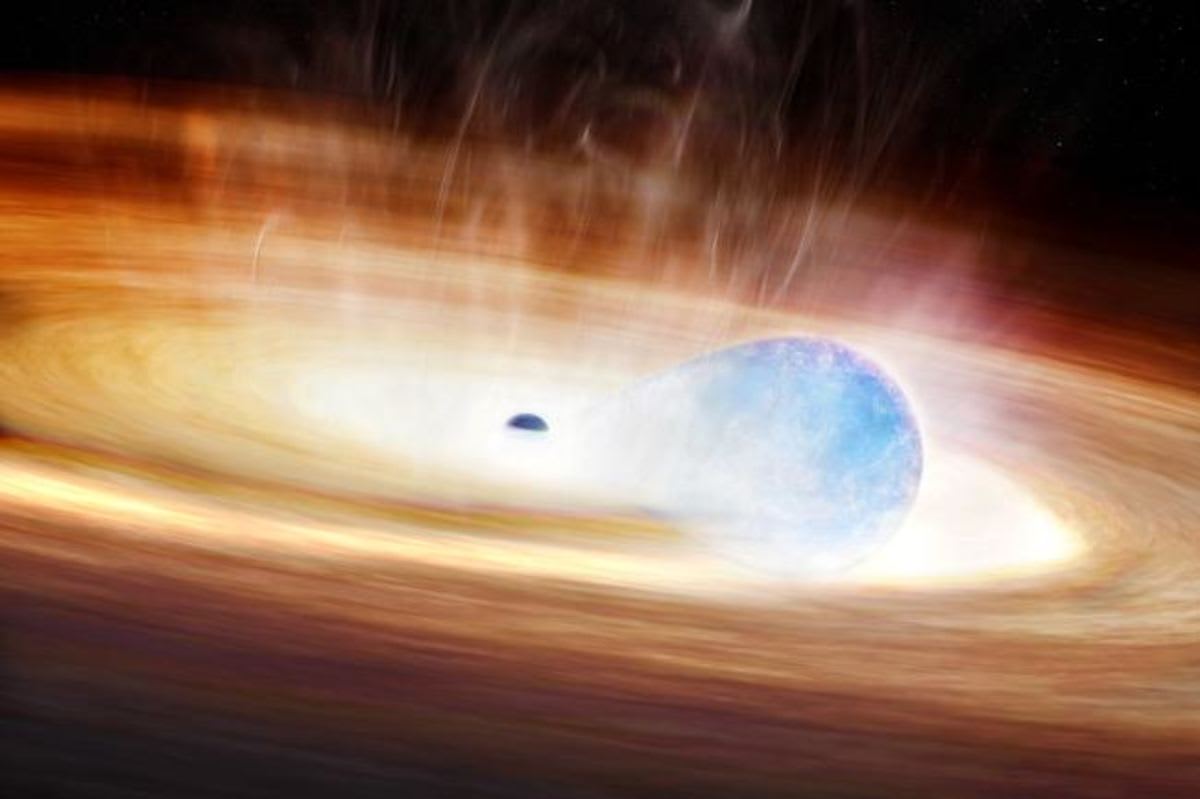
The explosion, dubbed SN 2023zkd, was first identified in July 2023 by the Zwicky Transient Facility. An advanced artificial intelligence (AI) algorithm, designed to spot unusual cosmic events, quickly flagged the blast, allowing researchers to gather critical observations from multiple ground-based and space telescopes. The findings, published in the Astrophysical Journal, detail a complex and striking stellar event.
"Our analysis shows that the blast was sparked by a catastrophic encounter with a black hole companion, and is the strongest evidence to date that such close interactions can actually detonate a star," said Alexander Gagliano, the study's lead author from the NSF Institute for Artificial Intelligence and Fundamental Interactions. "Our machine learning system flagged SN 2023zkd months before its most unusual behavior, which gave us ample time to secure the critical observations needed to unravel this extraordinary explosion."
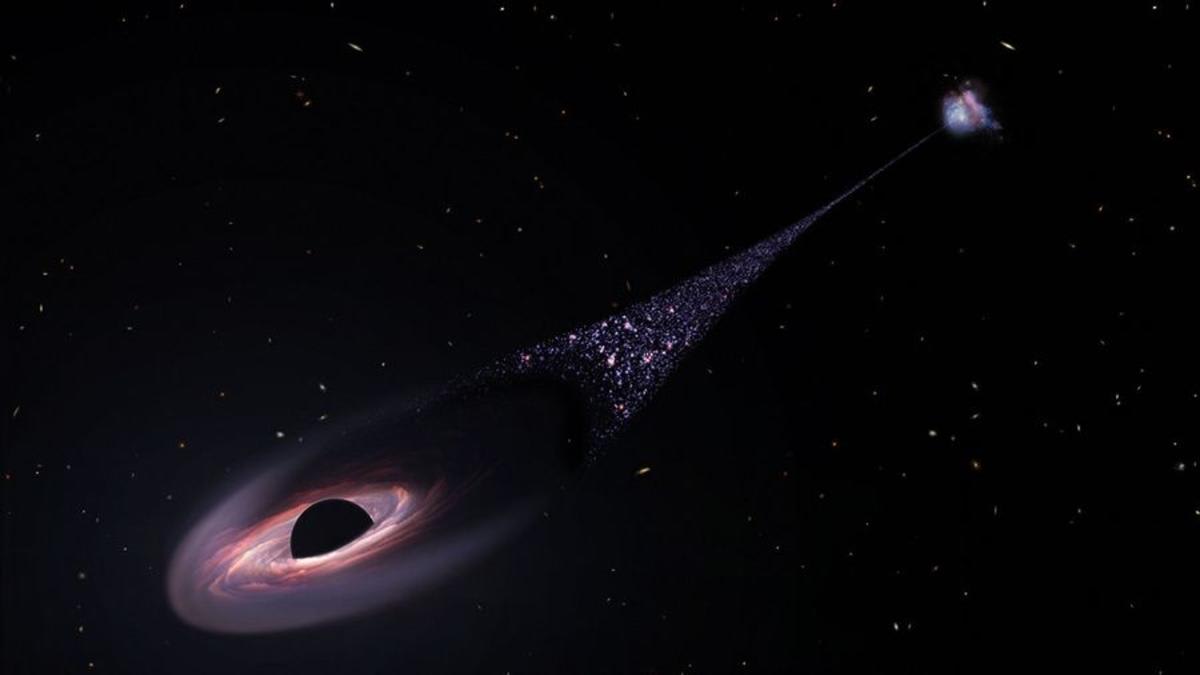
Located approximately 730 million light-years from Earth, the supernova initially looked like a typical stellar explosion. However, as astronomers continued to track its decline, they observed something highly unusual: the light from the supernova brightened a second time. Upon reviewing archival data, they found the star had been slowly brightening for more than four years before its final explosion.
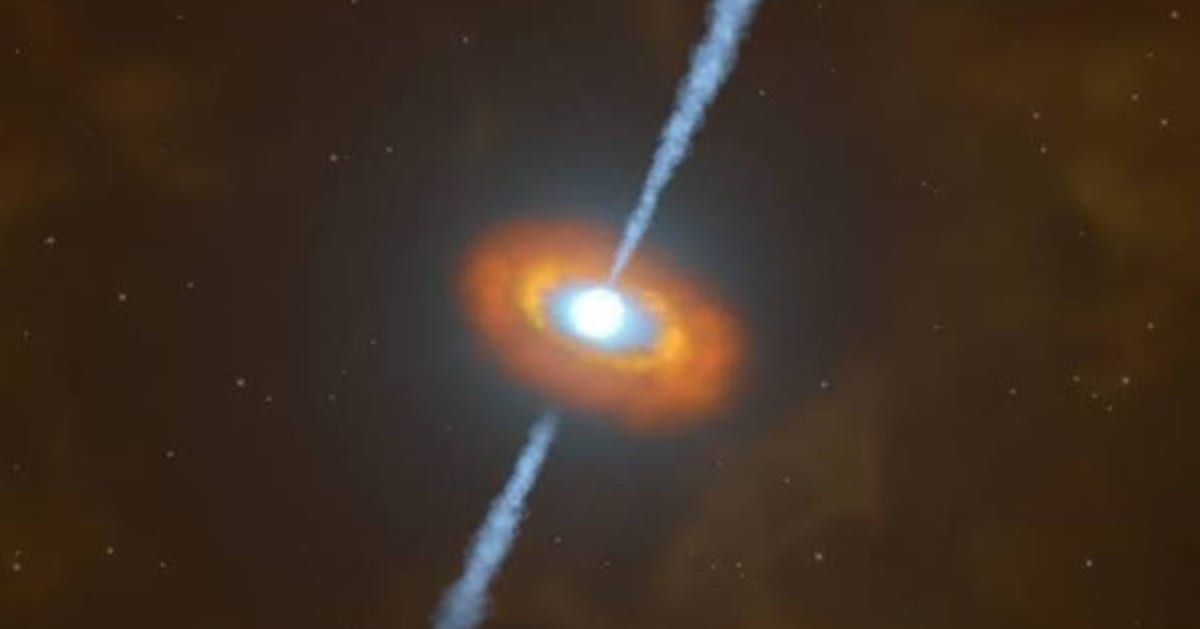
Scientists believe the most probable explanation is that a massive star and a black hole were locked in a tightly wound binary orbit. As the gravitational pull of the black hole intensified, it caused the star to shed material in the years leading up to its demise. The star was ultimately triggered to explode by the extreme gravitational stress of its companion, effectively trying to swallow the black hole. An alternative theory suggests the black hole tore the star apart completely, with the resulting supernova emission generated by the star's debris colliding with a dense disk of gas.

"This discovery shows how important it is to study how massive stars interact with companions as they approach the end of their lives," Gagliano added. "We've known for some time that most massive stars are in binaries, but catching one in the act of exchanging mass shortly before it explodes is incredibly rare." The discovery highlights the growing role of AI in astronomy.

Powerful new observatories like the Vera C. Rubin Observatory in Chile will produce an unprecedented amount of data. This single telescope will map the entire night sky every night for a decade, generating an estimated 60 petabytes of raw data, as per Astronomy.com. To put this in perspective, this is more data than any human could analyze alone. The observatory will study everything from asteroids in our solar system to distant galaxies. This massive influx of information has created a new challenge for astronomers, who are now in a race to find innovative ways to leverage the power of AI to analyze this data and make discoveries.