NASA’s Hubble Space Telescope captures sharpest-ever picture of interstellar comet 3I/ATLAS
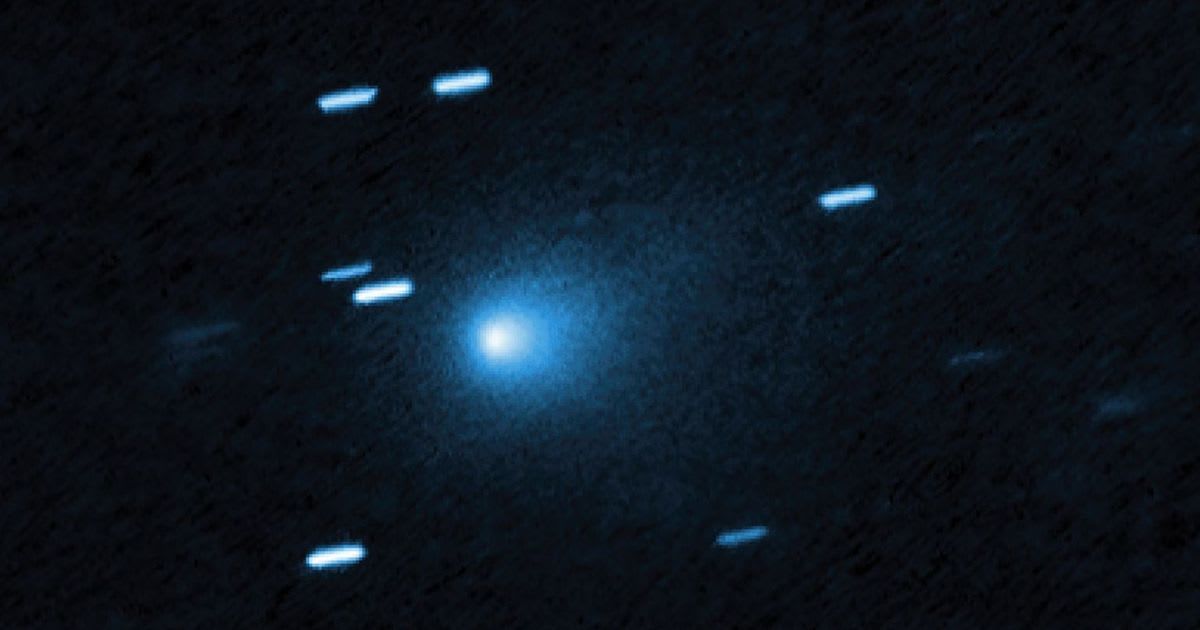
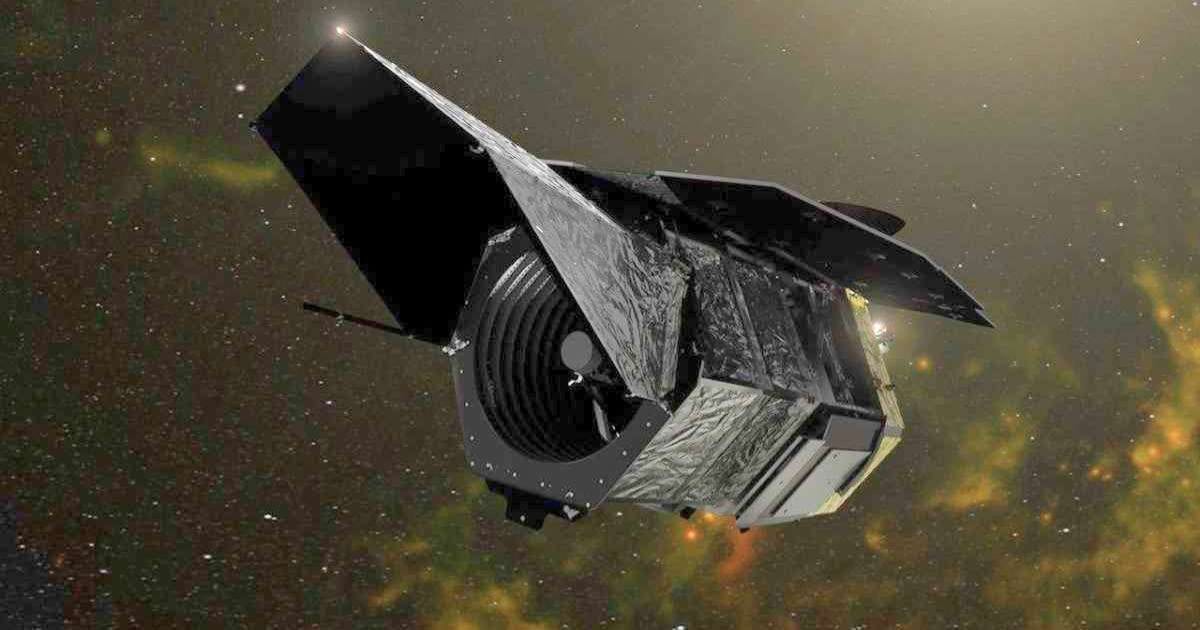
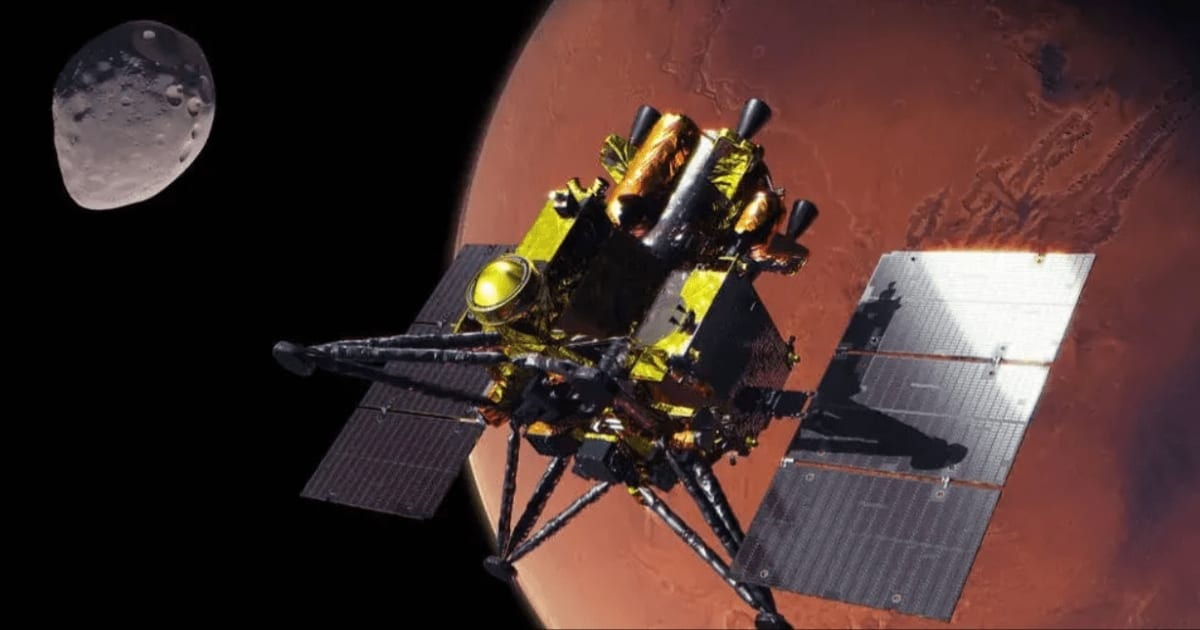
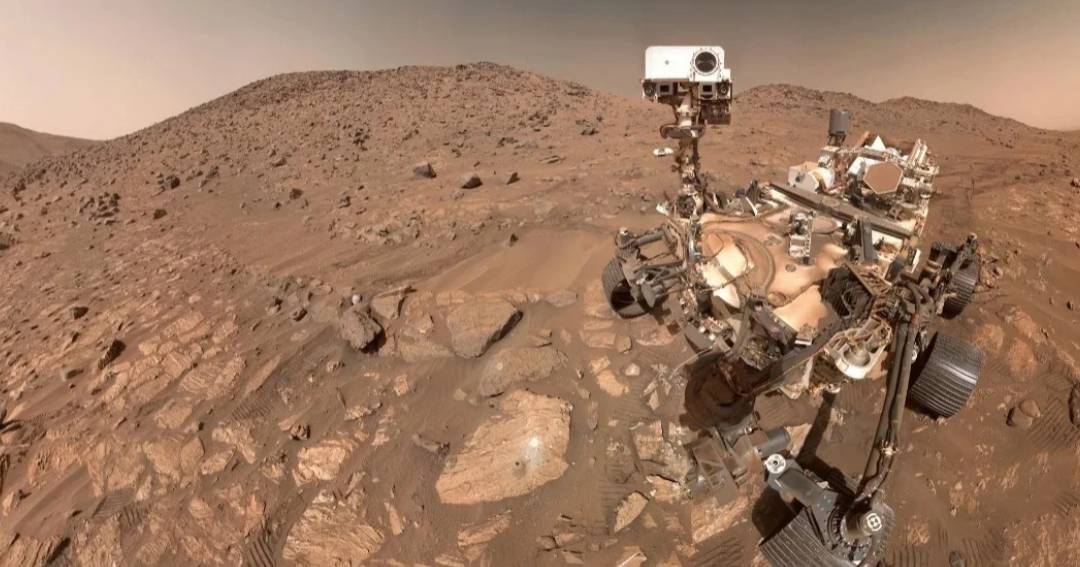
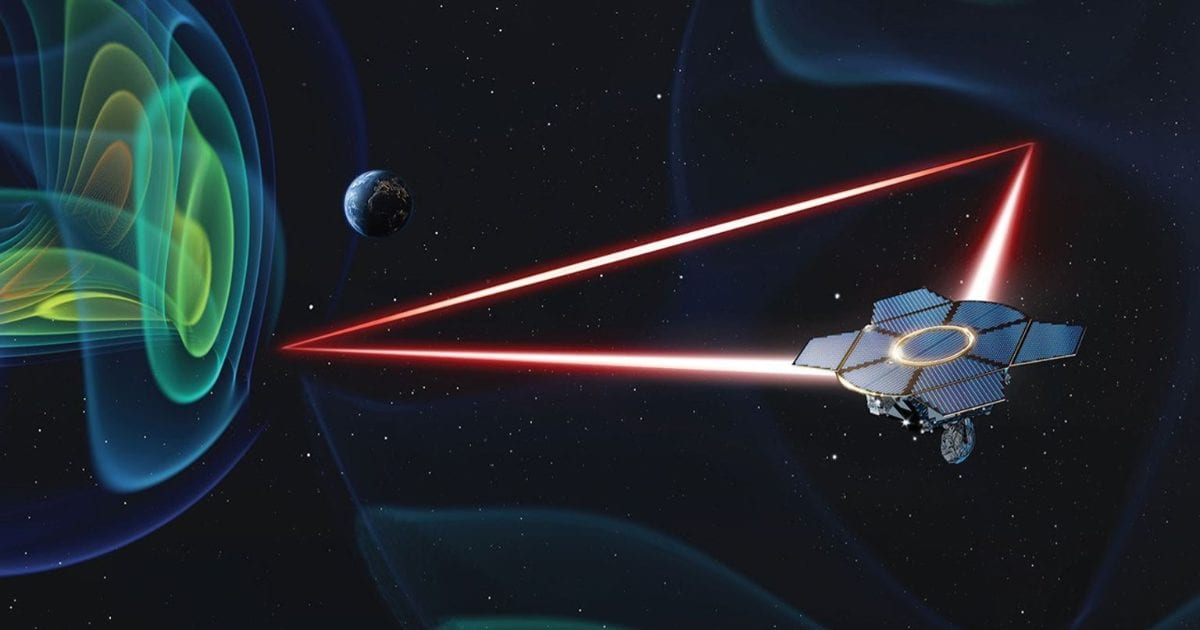
A team of astronomers has utilized the Hubble Space Telescope to capture the clearest images yet of the interstellar comet 3I/ATLAS, providing a more precise estimate of its size. The comet, which poses no threat to Earth, is a subject of study for multiple NASA missions, including the James Webb Space Telescope and the TESS satellite, all aimed at gathering more information about its physical properties. The data from these missions also supports NASA's ongoing efforts to track and understand near-Earth objects, as per NASA.
Go, Comet 3I/ATLAS, go! ☄️
— Hubble (@NASAHubble) August 7, 2025
Hurtling at a whopping 130,000 miles per hour, this comet has the highest velocity ever recorded for a solar system visitor.
Hubble observations allow astronomers to more accurately estimate the comet's size: https://t.co/s5XkgJcWkF pic.twitter.com/3MihzFCXVx
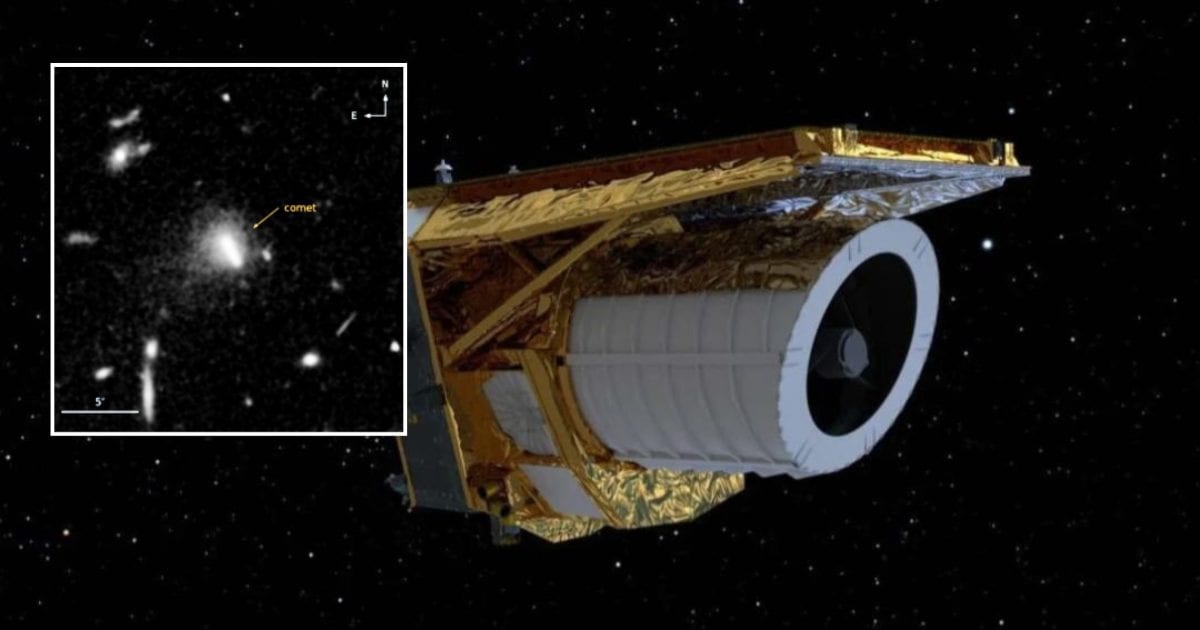
The Hubble observations have enabled scientists to establish an upper limit for the comet's icy nucleus at 3.5 miles in diameter. Researchers note that the nucleus could be as small as 1,000 feet across. Despite the improved precision over previous ground-based estimates, the solid core remains invisible even to Hubble. A collaboration between NASA and W.M. Keck Observatory, along with other NASA missions, is expected to provide further details on the comet's characteristics, including its chemical composition.

In addition to the size estimate, Hubble's images revealed a dust plume erupting from the side of the comet warmed by the Sun, as well as a faint dust tail streaming away. The rate of dust loss is consistent with comets first observed at a distance of about 300 million miles from the Sun, a behaviour similar to comets originating within our solar system.
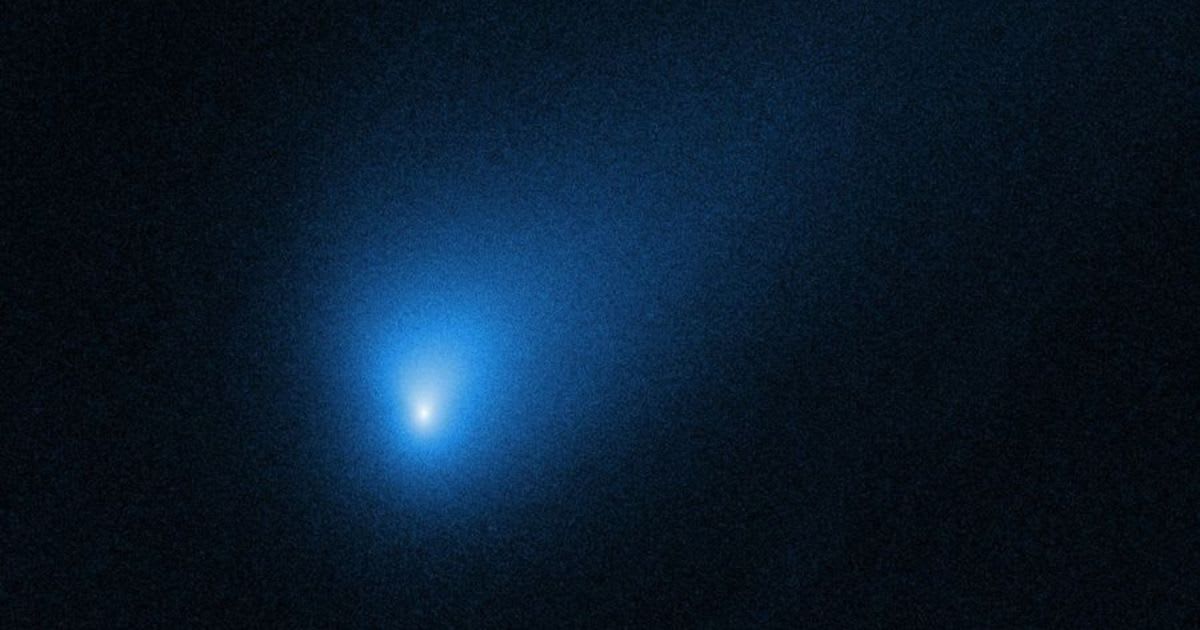
However, a key difference is that 3I/ATLAS is an interstellar object, having originated in another solar system elsewhere in the Milky Way galaxy. The comet is travelling at an astonishing speed of 130,000 miles per hour, the highest velocity ever recorded for a visitor to our solar system. According to scientists, this rapid pace is a result of the "gravitational slingshot effect" from countless stars and nebulae it passed over billions of years, a process that steadily increased its speed. “No one knows where the comet came from. It’s like glimpsing a rifle bullet for a thousandth of a second. You can't project that back with any accuracy to figure out where it started on its path,” stated David Jewitt of the University of California.
The findings from the Hubble study are set to be published in The Astrophysical Journal Letters. The comet, which was initially discovered by the NASA-funded Asteroid Terrestrial-impact Last Alert System (ATLAS) on July 1, 2025, will remain visible to ground-based telescopes until September. It is expected to become observable again in early December after it passes behind the Sun.
Further insights into the comet's initial appearance have been provided by the Vera C. Rubin Observatory. During its Science Validation phase, the observatory unintentionally captured key early images of 3I/ATLAS days before its official discovery. These unplanned observations, taken between June 21 and July 7, offer the earliest high-resolution data on the comet to date.

The images were acquired because the observatory's powerful 8.4-meter Simonyi Survey Telescope and 3.2-gigapixel Legacy Survey of Space and Time (LSST) camera were, by chance, aimed at the comet's celestial location while undergoing testing. This occurred even before the observatory's "First Look" images were publicly released on June 23, providing a unique and early glimpse of the interstellar visitor.