Meteor seen exploding with a bright flash over U.S. states of Washington, Oregon
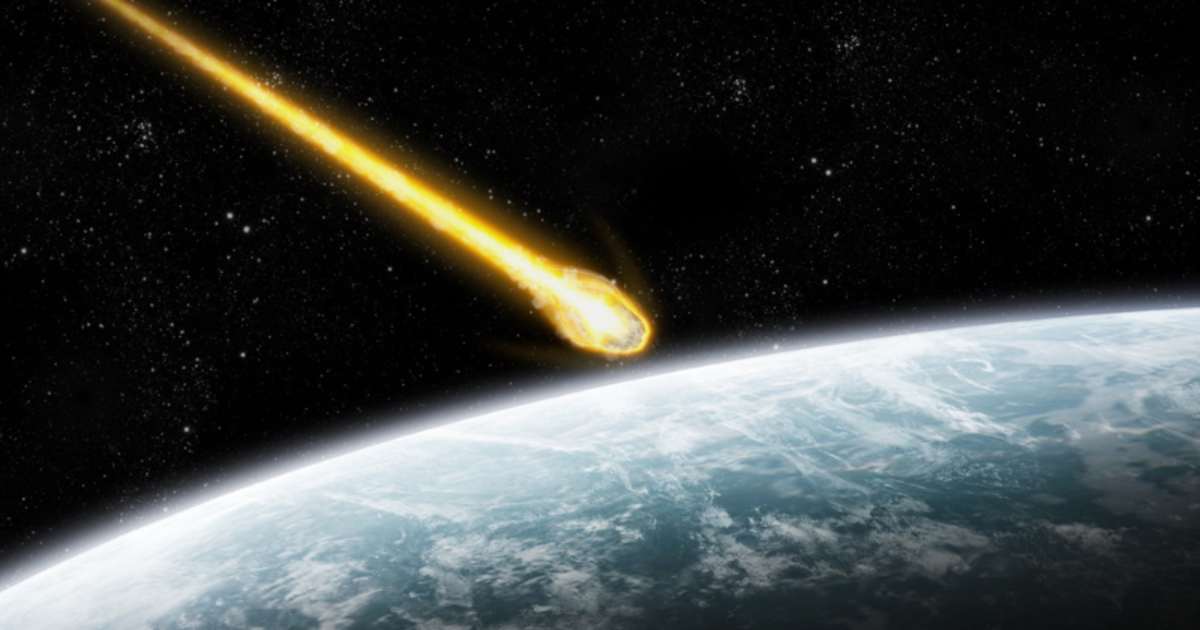
A meteor was recently seen exploding by residents of the US states of Washington and Oregon, as well as those from the Canadian province of British Columbia. The brightness of the fireball—culminating in a brief terminal explosion—peaked in the evening hours of August 30, 2026, at 8:32 pm PDT. A video shared by a person from Seattle shows the meteor streaking across the sky with a very brief burst of light.
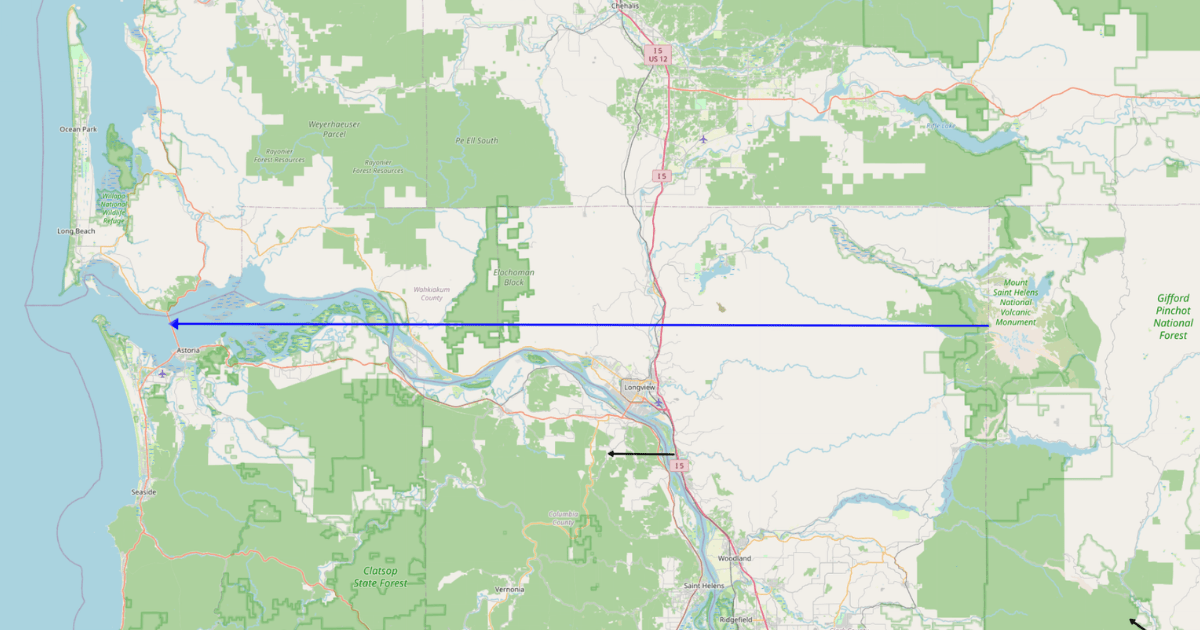
#MeteorSighting: Eyewitnesses in Oregon and Washington reported a bright fireball seen the night of Aug. 30 at 8:32 p.m. PDT. The fireball was spotted at an altitude of 52 miles above the western slope of Mount St. Helens. Moving west at 48,000 mph, the object traveled some 80… pic.twitter.com/VP0DglIsYz
— NASA Space Alerts (@NASASpaceAlerts) August 31, 2026
The meteor was first spotted over the western slope of Mount St. Helens, located in Skamania County, Washington, according to NASA. At the time, the object is understood to have been at an altitude of 52 miles based on footage from three publicly accessible cameras. Upon its entry into the upper layers of the atmosphere, the meteor traveled west at a blistering velocity of 47,700 miles per hour (or about 13.3 miles per second), compressing the air in front of it and creating a fiery spectacle and eventually exploding.
The American Meteor Society has designated the aforementioned object as 7902-2026, with as many as 116 reports of the fireball. As seen with recent meteors of this type, no audible sonic booms or noises have been attributed to 7902-2026. When it did disintegrate, the meteor was at a height of 33.2 miles above the Oregon city of Astoria near the northwestern US coast. By this time, the object had traversed a distance of 80 miles through the Earth's atmosphere.
At the moment, many of the details about the meteor remain unknown, such as the object's diameter and the force with which it exploded. Based on previous reports of meteors, the intensity of a meteor explosion usually correlates to its size and velocity. Last month, the northwestern region of the US saw another meteor sighting on August 14. This was a relatively small object weighing 170 pounds and measuring just 16 inches wide, but traveling at roughly 33,000 mph. That immense kinetic energy is why the explosion it created equaled one caused by 10 tons of TNT. Prior to this, a fireball seen in the northeastern US region of New England in May 2026 exploded with a force equal to 230 tons of TNT, which was not only heard but shook homes and alarmed residents. This meteor, numbered 3867-2026 by AMS, was understood to have been over 5 feet wide and weighed in at an estimated 5.6 metric tons.

Since the month of August and the first week of September coincide with the appearance of many meteor showers such as the Perseids, NASA has clarified that this meteor is not related to any of the showers that are currently visible. At the moment, only less prominent meteor showers like the Aurigids are active. It has also been revealed that, unlike some cases where meteorites created after a meteor breaks apart end up crashing down on Earth, Sunday's meteor is not expected to have left any fragments that can be found.
More on Starlust:
Scientists find life-supporting organic compounds in meteorite that struck New Jersey home
Meteorite that broke over Mexico reveals how ancient stars sowed the seeds of our solar system