Remember the fireball that shook New England on Saturday? NASA has released its latest numbers on it
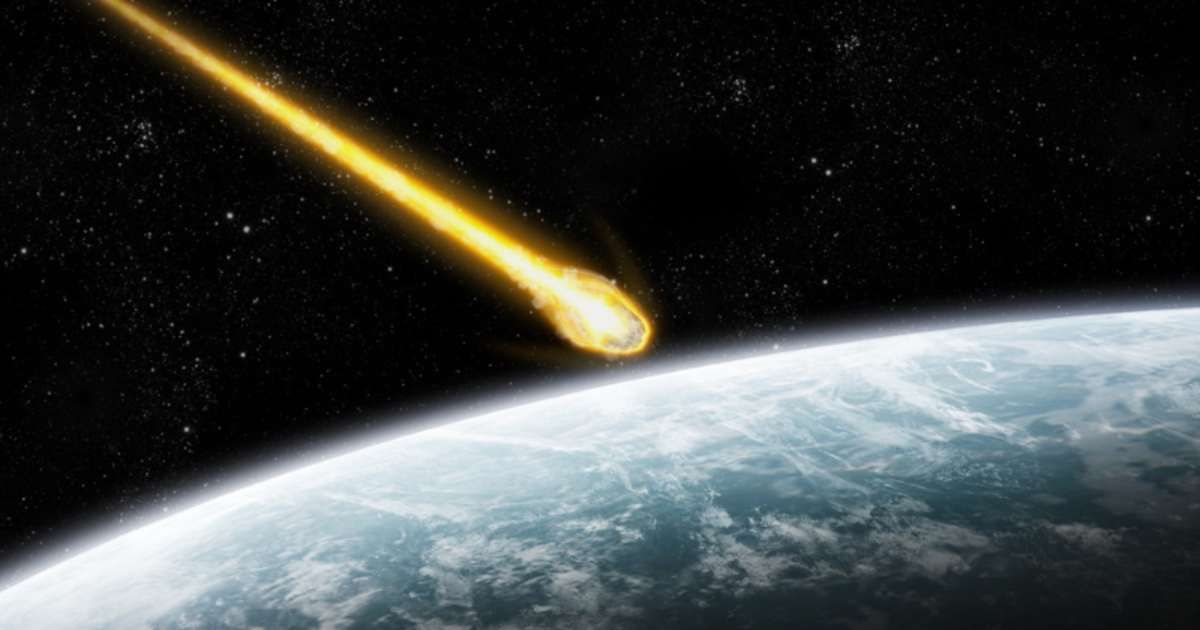
As brilliant as the sight was, the meteor that was seen over New England at around 2:06 pm EDT on Saturday was also cause for considerable alarm for many. After all, it produced a sonic boom that shook homes from Massachusetts to New Hampshire. What's more, it turns out that the fireball, designated the number 3876-2026 by the American Meteor Society (AMS), was also larger than previously thought. Here's the latest on the event.
How big was the meteor?
The meteor had previously been reported to have been about 3 feet wide. However, the latest estimates by NASA suggest that the meteoroid had, in fact, been much larger in size, with a diameter of 5 feet (1.6 meters).
UPDATE: @NASA can confirm a fireball over New England at 2:06 p.m. EDT on Saturday, May 30, 2026. The meteor was about 5 feet (1.6 meters) in diameter with a mass of 5.6 metric tons and entered Earth’s atmosphere at roughly 42,000 mph.
— NASA Space Alerts (@NASASpaceAlerts) June 1, 2026
The meteor traveled through the atmosphere… https://t.co/GLeF68Q7NG
How much did it weigh?
The meteor has been estimated to have weighed over 12,000 pounds, or 5.6 metric tons. For comparison, that is more than the combined weight of two SUVs.
Video captures the moment a dog is startled by a meteor exploding over Massachusetts, producing a powerful sonic boom that was heard across New England. pic.twitter.com/rlEpQNdv6X
— Breaking911 (@Breaking911) May 31, 2026
How much energy did the explosion have?
The explosion associated with the meteor has been measured to have been equivalent to 230 tons of TNT, which is equal to an earthquake of 3.5 magnitude. Fortunately, this explosion took place high up in the atmosphere, where the speeding meteor experienced friction from air molecules. The heat from the friction caused the explosion, which had earlier been estimated to be equivalent to 300 tons of TNT.
Video that shows what seems to be a meteor burning up as it streaks across the New England sky is drawing plenty of questions this week.
— Boston 25 News (@boston25) December 11, 2025
Read more: https://t.co/UWuIhvGpvP pic.twitter.com/GITaXXstCn
How high up in the sky did it explode?
While earlier estimates by NASA suggested that the explosion took place at an altitude of 40 miles, the latest data says that the object broke up much nearer to the ground at 31 miles.
How fast was the meteor traveling?
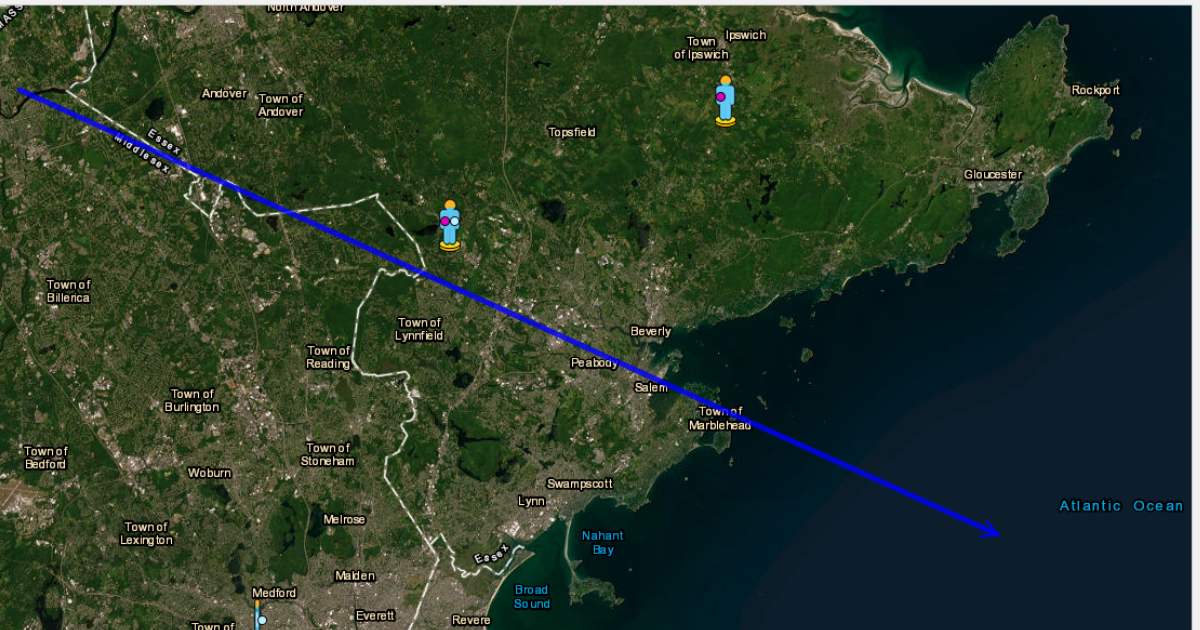
The meteor is estimated to have been traveling at a pace of 42,000 miles per hour, which is less than the previously estimated 70,000 miles per hour. The meteor had traveled 26 miles from the northwest to the southeast before it broke up and produced a "meteorite fall" into Cape Cod Bay.
New England residents were rocked Saturday after a fast-moving meteor in the Earth's atmosphere sent a loud boom that was heard in parts of the state. https://t.co/9APx6PAIk6 pic.twitter.com/upcVswLeTh
— ABC News (@ABC) May 31, 2026
Meteors like 3867-2026 pose no threat, according to NASA. This is due to the fact that our atmosphere provides ample air resistance to dissipate their energy in the form of heat, light, and sounds before they make it to the ground. These objects mostly come from the asteroid belt that lies between Jupiter and Mars, with a few rare ones originating from the Moon and Mars.
More on Starlust
Newly detected 40-meter asteroid close to Venus orbit could strike Earth with city-level impact
This private space company wants to 'bag' a 100-ton asteroid and bring it closer to Earth for mining