A fireball exploded with a force of 10 tons of TNT over Washington on August 14
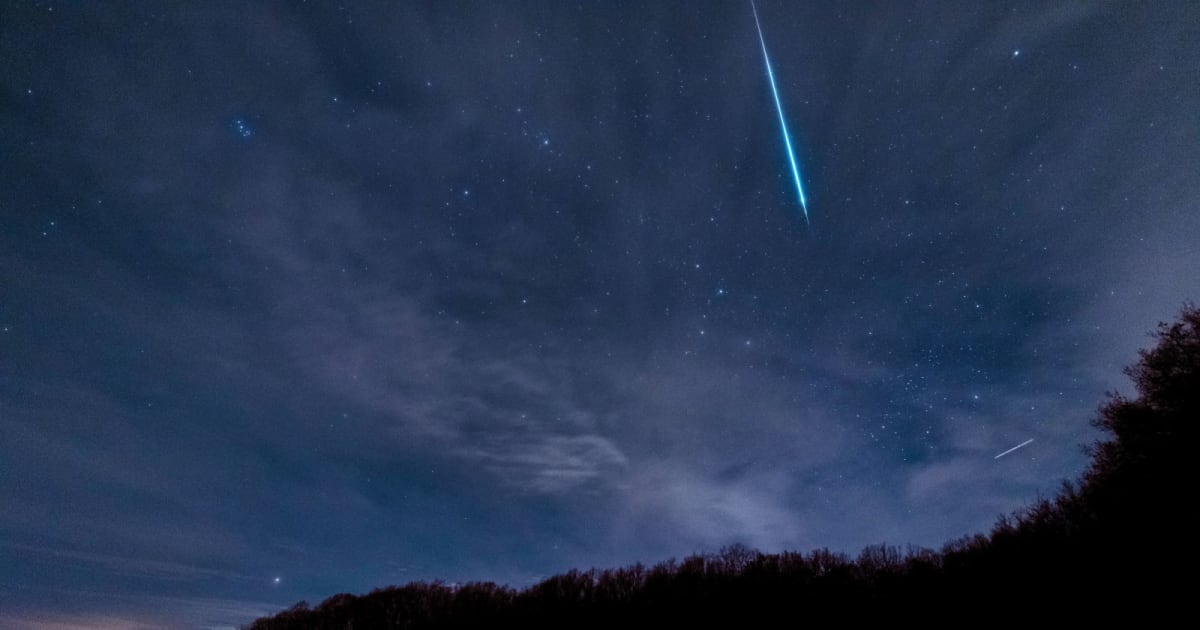
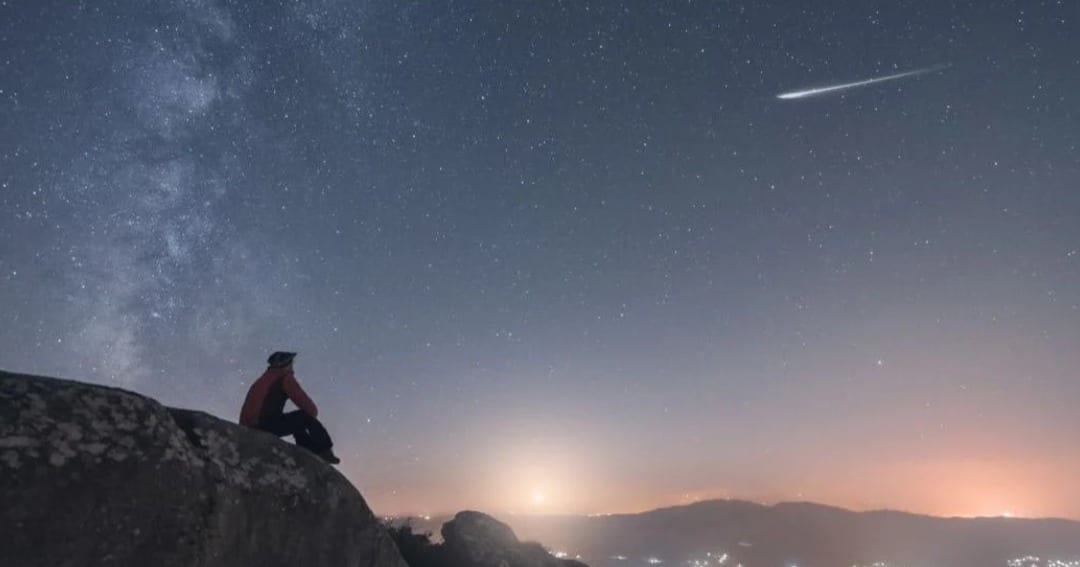
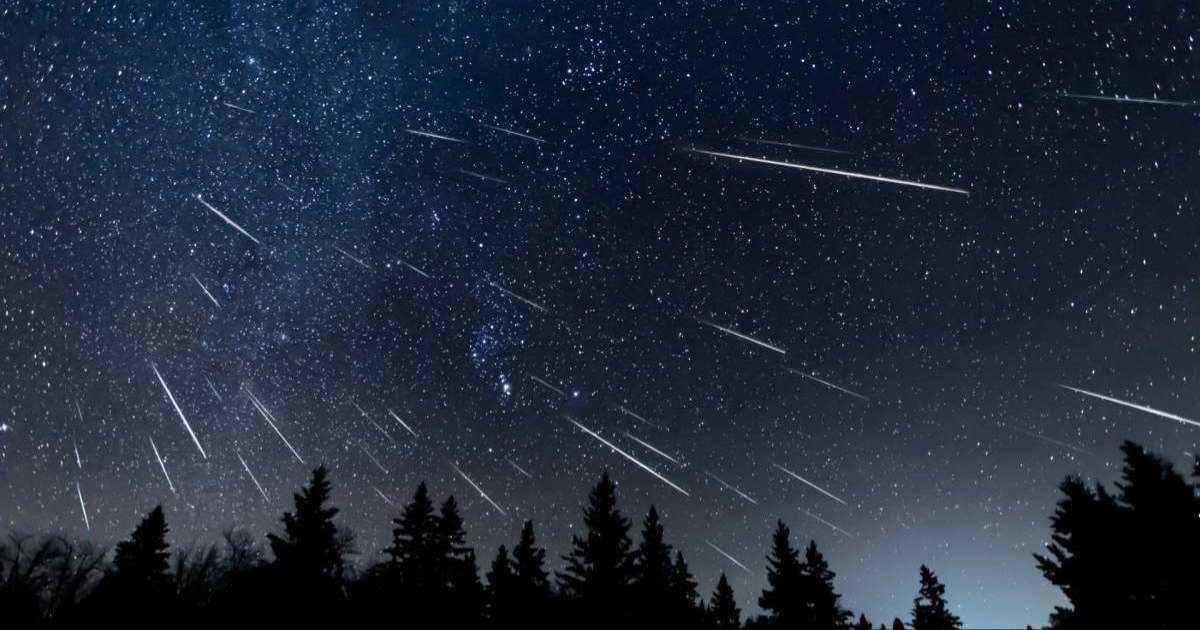
A fireball lit up the early morning skies above Washington and its surrounding states on Friday, August 14. The meteor, designated as 6582-2026 by the American Meteor Society, was reported by as many as 266 eyewitnesses from Idaho and Oregon, as well as Canadians in the province of British Columbia. It was observed at 12:48 am PDT about 48 miles over the town of Soap Lake in Washington before it fragmented over the rural locality of Sim's Corner with a force equivalent to that of 10 tons of TNT.
#MeteorSighting: Hundreds of eyewitnesses in Idaho, Oregon, Washington, and the Canadian province of British Columbia reported a bright fireball in the early morning hours of Aug. 14 at 12:48 a.m. PDT. The fireball was first spotted above the Washington town of Soap Lake, moving… pic.twitter.com/ed8RbImK1J
— NASA Space Alerts (@NASASpaceAlerts) August 14, 2026
The explosion sent shock waves through the ground, which was also picked up by some of the people who reported the incident. The object was relatively small, measuring in at about 16 inches wide and weighing around 170 pounds. By the time the meteor had exploded into several fragments 28 miles above Sim's Corner, it had traveled north through the upper atmosphere for about 36 miles.
It was a big one! Here is video of the fireball that flew over British Columbia, Canada and Washington State today August 14th 2026 near midnight local time. 266 reports so far submitted to @amsmeteors, with tons of videos. Credit: Lisa Williams, Airway Heights,WA https://t.co/2DaZUwnpx8 pic.twitter.com/VKsEgLeMVd
— Stefan Burns (@StefanBurnsGeo) August 15, 2026
Three publicly available cameras and data from the Geostationary Lightning Mappers onboard GOES (Geostationary Operational Environment Satellite) network of satellites by NASA and NOAA showed that the meteor was travelling at an eye-watering 33,000 miles per hour. Doppler weather radar indicated that some of the meteorite fragments may be found in the area near where the explosion took place.
It was a big one! Here is video of the fireball that flew over British Columbia, Canada and Washington State today August 14th 2026 near midnight local time. 266 reports so far submitted to @amsmeteors, with tons of videos. Credit: Lisa Williams, Airway Heights,WA https://t.co/2DaZUwnpx8 pic.twitter.com/VKsEgLeMVd
— Stefan Burns (@StefanBurnsGeo) August 15, 2026
According to NASA, about 48.5 tons (44,000 kilograms) of meteoritic material falls on Earth on a daily basis, with most originating in shattered asteroids and some even in the Moon and Mars. And while meteors are known to explode and send loud sonic booms and shockwaves across households, actual meteorite pieces are rarely found on the ground. Even so, some meteorites can make their way into homes in certain cases and be recovered. Their study also reaps rewards for science, as it tells researchers much about the history and origins of our solar system.
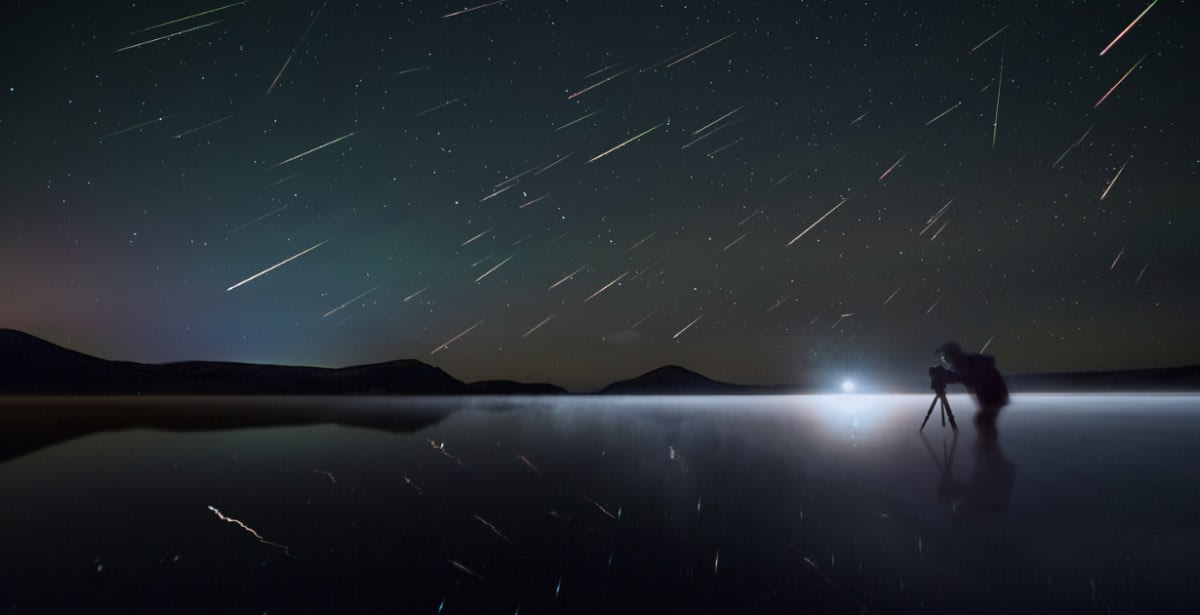
In case you are wondering, NASA confirmed that the meteor 6582-2026 was not part of the Perseid meteor shower that is currently prominent in the night sky and recently went through its peak on August 12.
More on Starlust
Scientists find life-supporting organic compounds in meteorite that struck New Jersey home
Raining gold: What scientists found in a meteorite impact crater in Western Australia