2028 could be the best year yet for the Perseid meteor shower, expert says; here’s how
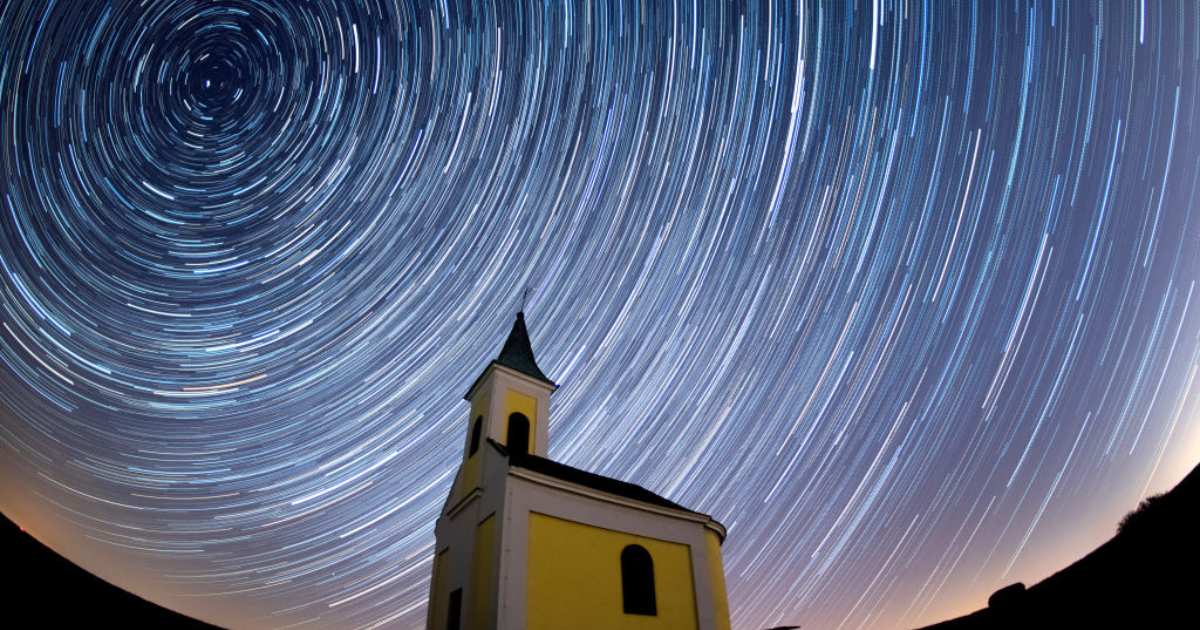
After the beautiful display of the 2026 Perseid shower, which peaked on the night of August 12 and August 13, 2026, skywatchers can look ahead for an even brighter view of the 'shooting stars' in the coming years. Experts from the American Meteor Society are now looking ahead to 2028, when Jupiter's gravity could pull more of the shower's meteors toward Earth and make the display more active than usual.
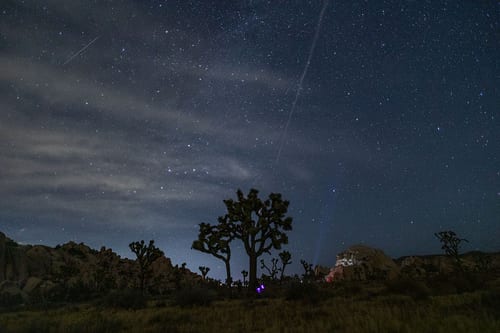
Perseid showers are caused when Earth passes through debris left behind by comet 109P/Swift-Tuttle. Most of these fragments are tiny (some no bigger than a grain of sand). But they burn up so fast that they end up becoming visible while hitting our planet’s atmosphere at 37 miles per second. This is the reason you don’t need to have a telescope handy to spot them, as they are visible to the naked eye.
Why could the Perseids be stronger in 2028?
2028 could bring us some noticeably stronger showers in August. Commenting on this event, Robert Lunsford, a meteor expert with the American Meteor Society, explained the mechanics of it to Space.com, "Jupiter passes close to a portion of the stream of particles generated by comet 109P/Swift-Tuttle once every twelve years. The timing and position of this intersection determines if the particles will pass closer or further from Earth.”
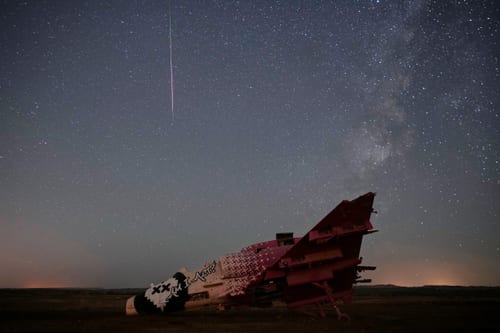
“The 2028 passage indicates that some particles will shift into an orbit closer to Earth so that hourly rates could be higher than usual,” he added. In simple terms, if this plays out as expected, stargazers could see meteor counts climb well above what's typical for the shower.
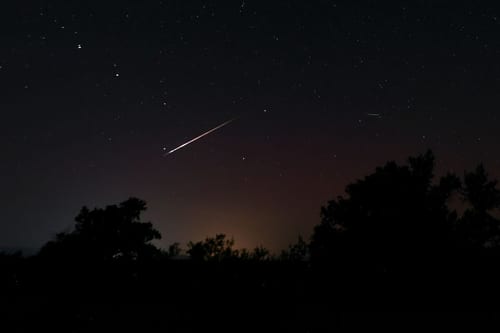
He also added that computer models can suggest when Jupiter's influence might cause this event, but they can not account for how densely packed the debris actually is, since individual particles are often separated by hundreds or even thousands of miles. “The results of the 2027 display should provide a clue," Lunsford said. "If rates during 2027 are enhanced to at least 100 per hour, then we can expect 200-300 per hour for 2028." If that happens, it would then put the 2028 Perseids at two to three times the usual peak rate.
When is the best time to watch the Perseids in 2027 and 2028?
He added, "The timing of greatest intensity seems to be between 23-00 Universal Time on Aug.13/14, 2027 and 5-6 UT on Aug. 12, 2028.” In 2027, Perseid showers will peak just four days before a full moon. This means that the glare of the moon may wash out many of the fainter meteors in the sky. There is still a short window before dawn when the moon will go below the horizon, so you might still be able to catch the event.
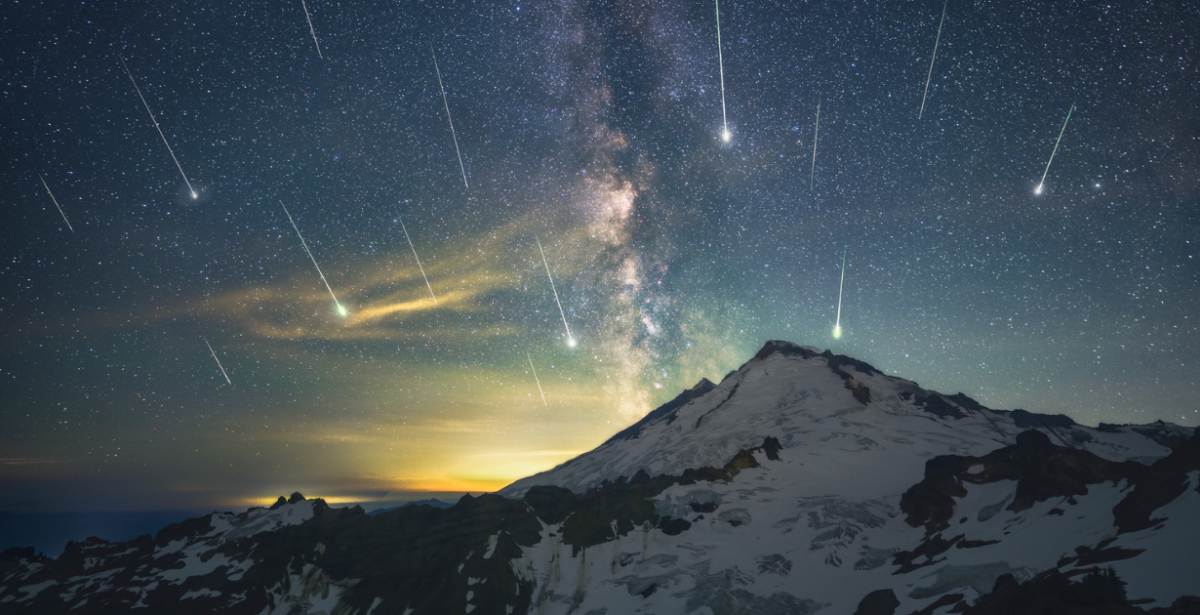
In 2028, the conditions are looking more favorable for skywatchers. The showers will peak under a third-quarter moon that won't rise until after midnight. "This is much better than having a full moon, but the faintest meteors may still be obscured if your sky is not transparent. You could also view prior to moonrise for the 2028 event, but the radiant will be low," Lunsford said.
More on Starlust
Partial lunar eclipse August 27-28, 2026: Time, visibility, and how to watch from the US